

Import tax gets no way, wait-and-see responses from CO delegation
President Donald Trump’s proposed 20 percent import tax on Mexican products to pay for an immigration control wall along the border between the U.S. and Mexico would have a big impact on Colorado’s rural economy, according to economists. Such a tax would increase the price of Mexican goods for U.S. consumers, who would ultimately pay for Trump’s immigration control wall on the border between the two countries, opponents say.
Any such tax hike would require approval from Congress, and among members of Colorado’s Congressional delegation who reacted to Trump’s wall and import tax proposal or responded to requests from The Colorado Statesman, Republicans took a wait-and-see stance while Democrats were opposed.
Agricultural products are a top import from Mexico to the United States, some of them making their way to Colorado’s grocery stores and restaurants. U.S. Census statistics place Mexico as the third-largest exporter of foreign goods to the state. Many products, such as clothing, manufactured products and food, come to the U.S. from Mexico.
Mexico is Colorado’s second biggest export destination and third biggest source of imported goods, according to the World Trade Center Denver. Colorado imported more than $1.7 billion worth of goods from Mexico in 2015, with more than half of that industrial machinery and computers. World Trade Center President Karen Gerwitz told Channel 7 she is “absolutely concerned” about the proposals.
“Not only will it impact our companies’ supply chains for importing components for more advanced products that we produce, the cost of increased tariffs will be borne by consumers,” Gerwitz said. That tariff would likely be passed on in the form of higher prices.
Mexico has more free trade agreements than any other country, Gerwitz said, and could decide to trade with those nations instead of the U.S., hurting Colorado businesses that rely on imports and exports.
What they said about the tax
Here’s what some of Colorado’s Congressional delegation had to say about the possible import tax and its impacts:
“This ‘import tax’ will be added to the sale of products from Mexico, putting the burden on American consumers – not the Mexican government or corporations. This is yet another means by which Americans will have to pay for the wall.” – Democratic U.S. Rep. Dianne DeGette.
“We continue to monitor the mentioned ‘import tax’ proposed by this administration, but the Congressman holds the position that trade with Mexico is important not only for their economy, but to ours as well. When a more concrete plan (actual text) has been presented, I would be happy to follow-up with you on this matter.” – Daniel Bucheli, communications director for Republican U.S. Rep. Mike Coffman, in an email response to the Statesman’s request for a comment from Coffman.
“I will be reserving judgement until I see more concrete details in a legislative proposal. Having said that, I am generally opposed to tax increases and am skeptical of ratcheting-up the already high tax burden faced by the American people.” – Republican U.S. Rep. Doug Lamborn.
Tax ‘just an option’ at this point
The Trump administration said a 20 percent tax is just one of its options, and White House press secretary Sean Spicer played down the possibility shortly after Trump proposed it. According to Politico, Spicer described the tax on imports as one possibility for raising revenue, not a specific policy proposal.
“The idea was that there have been questions about how the president could pay for the wall,” Spicer was quoted saying by Politico. “One idea through comprehensive tax reform is that there could be this idea that (House) Speaker (Paul) Ryan and others have floated, but through tax reform you could actually look at imports from countries that we have a trade deficit with that could generate revenue. And the idea is to show that generating revenue for the wall is not as difficult as some might have suggested.”
Spicer then stated such a tax “could be instead of 20 percent, it could be 18, it could be 5. We could go in another direction, we could talk about tariffs, we could talk about, you know, other, custom-user fees, or a hundred other things.”
Mexican officials have repeatedly said they will not pay for the wall while the shrewd businessman turned president continues to say they will.

Proposed data center regulation in Colorado draws critics, backers
Scott Weiser
scott.weiser@gazette.com
Updated 22 minutes ago
A packed marathon hearing at the state Capitol in Colorado highlighted the sharp divide between two competing approaches to the effects of data centers, one of America’s fastest-growing technology sectors. Data centers are the physical facilities that host the servers,...

Conservation Colorado proposes measures aimed at oil and gas companies
Marissa Ventrelli
marissa.ventrelli@coloradopolitics.com
Updated 3 minutes ago
The environmental group Conservation Colorado has introduced four ballot measures it says are in response to an initiative that aims to enshrine Colorado businesses’ and consumers’ right to purchase and sell natural gas in the state’s Constitution. Filed with the...
Evacuations partially lifted as officials give updates on 3 wildfires burning in southern Colorado
Nick Smith
nick-smith@coloradopolitics.com
Updated 2 hours ago
As containment for a Custer County wildfire reaches 75%, county officials are saying Saturday is expected to be “much worse” fire weather. The wildfire prompted several evacuations near Westcliffe on Wednesday, covering a two-mile radius that included around 98 structures....

Colorado revenue forecast worsens, pushing 2026-27 budget shortfall to nearly $1.5B, economists say
Marianne Goodland
marianne.goodland@coloradopolitics.com
Updated 2 hours ago
The March revenue forecasts from economists in both the governor’s office and the Colorado legislature show that cuts to the 2026-27 budget are far from over. Economists with the Legislative Council downgraded the forecast for the 2026-27 budget year by...
Federal judge to consider sanctioning ex-Colorado judicial discipline director
Michael Karlik
michael.karlik@coloradopolitics.com
Updated 4 hours ago
A federal judge ordered Colorado’s former head of judicial discipline on Wednesday to explain why she should not sanction him for making inaccurate statements about the defendants in his lawsuit against the Colorado Supreme Court and related entities. U.S. District...
With jails overcrowding, Gov. Jared Polis asks for new prisons as state faces $1.5 billion shortfall
Marianne Goodland
marianne.goodland@coloradopolitics.com
Updated 53 minutes ago
The Polis administration is asking for hundreds of millions of dollars to expand the state’s prison system, just as Colorado’s legislators are bracing for a worsening fiscal outlook. The request sets up a clash over priorities at a time when...
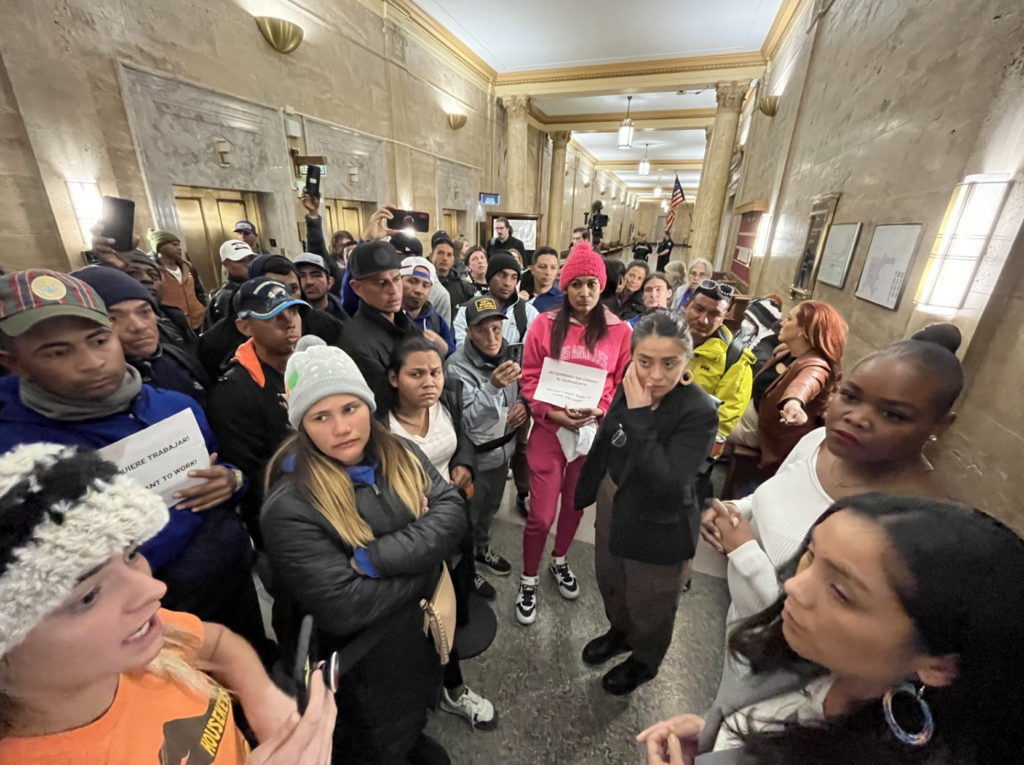
Costs explode for Colorado program covering pregnant women and children living in the U.S. illegally
Marianne Goodland
marianne.goodland@coloradopolitics.com
Updated 7 hours ago
A state program providing health care to pregnant women and children living in the country illegally is costing far more than lawmakers expected, with expenses nearly tripling in just a year and threatening to squeeze Colorado’s budget amid a nearly...

Costs explode for Colorado program covering pregnant women and children living in the U.S. illegally
Marianne Goodland
marianne.goodland@coloradopolitics.com
Updated 23 hours ago
A state program providing health care to pregnant women and children living in the country illegally is costing far more than lawmakers expected, with expenses nearly tripling in just a year and threatening to squeeze Colorado’s budget amid a $1...
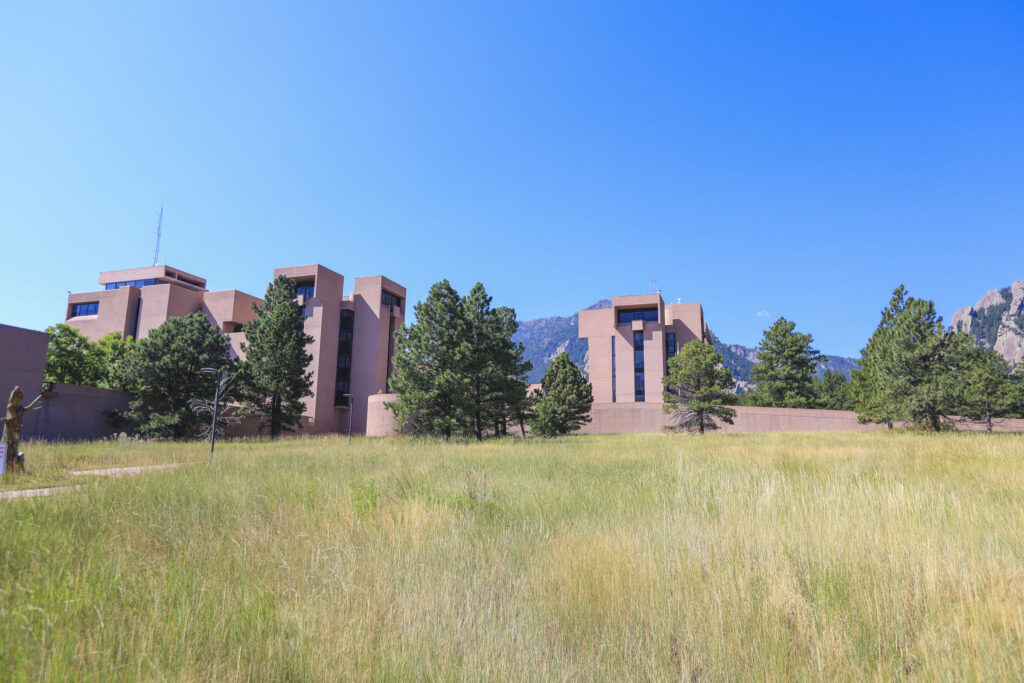
Universities sue to block dismantling of Boulder’s NCAR
Scott Weiser
scott.weiser@gazette.com
Updated 3 hours ago
A consortium of universities filed a federal lawsuit Monday, alleging the Trump administration’s plan to dismantle the National Center for Atmospheric Research is unlawful retaliation against Colorado. The group also argued that the move violates federal law. The University Corporation...
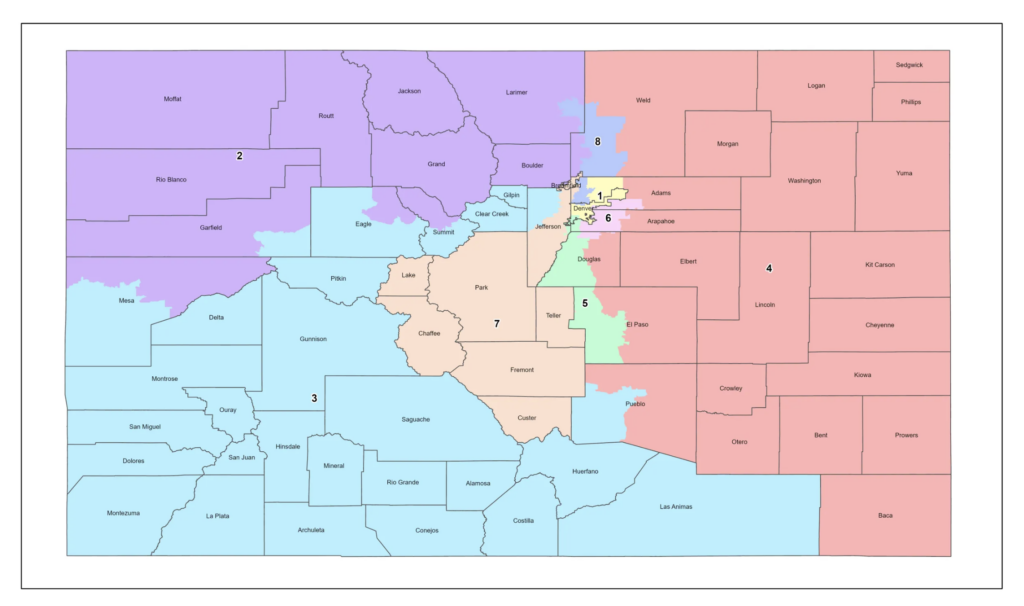
Colorado Title Board advances competing redistricting proposals, revised Pinnacol measure
Marianne Goodland
marianne.goodland@coloradopolitics.com
Updated 7 hours ago
With just two meetings left before an April 15 deadline, the state’s Title Board on Wednesday pushed through a slate of ballot measures, including a revised proposal to privatize Pinnacol Assurance and dueling plans to redraw Colorado’s congressional map. The...
PREV
PREVIOUS

Lawmakers in three states borrow Williams bill to battle pro-sanctuary politicians
“This has really turned into a movement,” state Rep. Dave Williams told The Colorado Statesman on Sunday. “I didn’t expect this reaction from around the country.” Republican legislators in Ohio, Alaska and Maine said Sunday they are working on legislation similar to House Bill 17-1134, introduced last week and dubbed “The Colorado Politician Accountability Act.” […]
Undocumented residents focus of sanctuary city bills in other states
If you’re going to make a political statement, make it loudly. State Rep. Dave Williams’ House Bill 1134 to hold elected leaders liable in civil and criminal courts for crimes committed by undocumented residents is attracting a choir from other states. Alaska State Rep. David Eastman, Ohio State Rep. Candice Keller and Maine State Rep. Lawrence Lockman […]