

Dial-a-protest: Just pick your cause and stick to the script
The fever-pitch debate over the Trump administration’s Cabinet and court picks has inspired a separate dust-up over the tactics employed by the warring sides in those nomination battles. It’s as pronounced at the state level in places like Colorado as it is nationally, with partisans (elected and otherwise) stepping into the fray.
The administration’s defenders and detractors – particularly those in elected office – have weighed in with press statements and media opps registering their support for / opposition to a particular candidate.
Meanwhile, what appear to be rank-and-file citizens critical of the new administration – making a case for rejecting the nominees or simply denouncing Team Trump’s policies – are sometimes finding their own credentials challenged and methods held up to scrutiny. They fire back with indignation at having their authenticity called into question.
Colorado U.S. Sen. Cory Gardner and 6th Congressional District U.S. Rep. Mike Coffman, both Republicans, took heat for speculating that protesters dogging them at public forums, thronging their offices and lighting up their phone lines over pending Trump nominations and policies are in fact anything but spontaneous or independent. That they are, in fact, “paid,” as Gardner charged, or “activists,” as Coffman’s campaign team recently tweeted in his defense.
Is it a fair charge? A blog post today by the unabashedly partisan Colorado Peak Politics makes a case in point that reminds us just how pre-packaged-for-prime-time politics can be. Calling out some of the activists who are calling in, literally, to tell Congress of their opposition to Education Secretary-designate Betsy Devos, the Peak Politics links to a revealing website called 5calls.org that provides a la carte options for protesting by phone.
The site invites visitors to click “What’s important to you” – “Oppose Betsy DeVos for Secretary of Education,” “Prevent the Confirmation of Jeff Sessions for Attorney General,” etc. – and then instructs which lawmakers to call and provides “your script” to read into the phone.
All nothing new; it’s how it’s done in the business on both sides of the aisle. And it’s helpful to keep such things in perspective.
It has been said before: Not much in politics happens by chance; when it does, maybe that’s the real news.

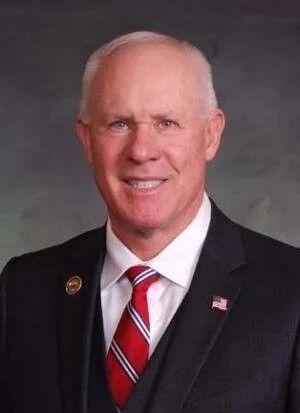
A path toward justice and public safety | PODIUM
Anthony Hartsook
ahartsockop@gmail.com
Updated 3 hours ago
Strangulation can be one of the most dangerous forms of assault; despite the lack of visible ailments it is accompanied by. Though strangulation leaves no broken bones, bruises or visible wounds, it is one of the strongest predictors of future...
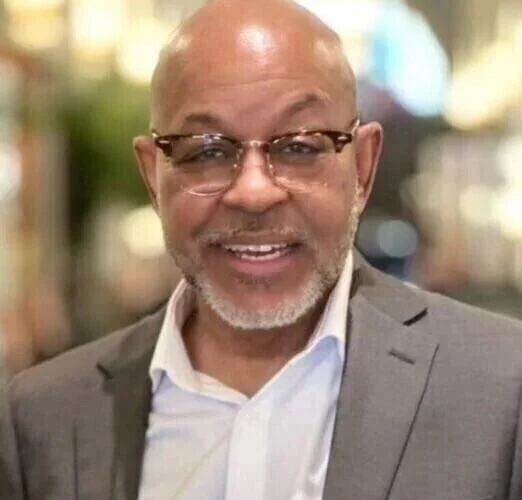
From moving people to managing them | GUEST COLUMN
Michael Hancock
michael-hancock@coloradopolitics.com
Updated 3 hours ago
Transportation policy used to have a fairly uncomplicated purpose: move people safely, efficiently and reliably. Build roads where people drive. Maintain bridges before they fail. Add capacity where growth overwhelms the system. Provide transit where it makes sense. Infrastructure was...
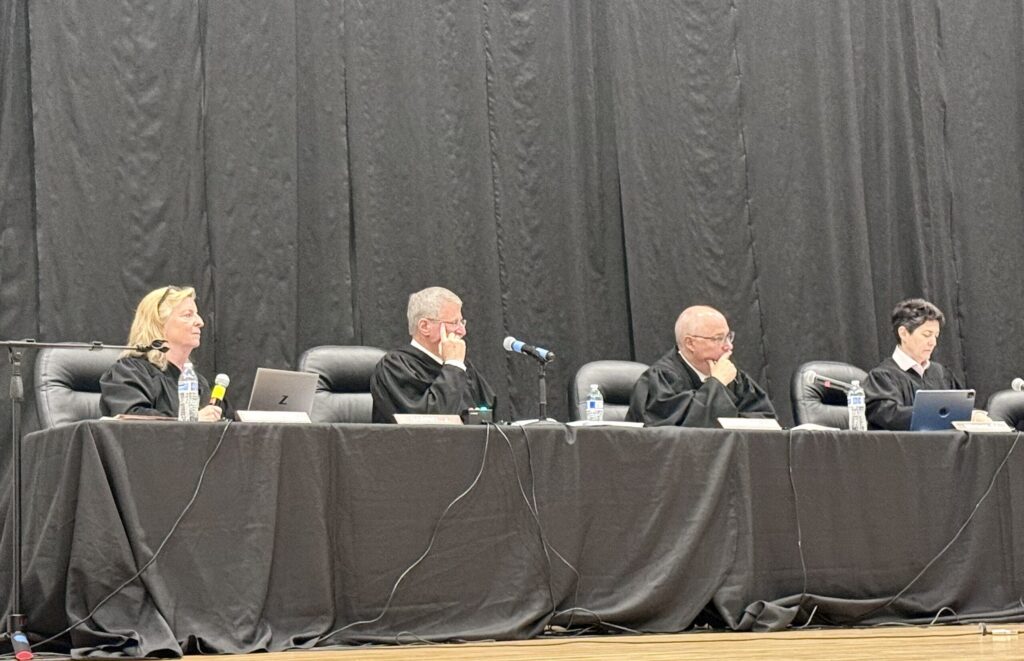
Colorado justices to hear appeal in Kendrick Castillo death lawsuit, ‘fugitive’ rule
Michael Karlik
michael.karlik@coloradopolitics.com
Updated 8 hours ago
The Colorado Supreme Court announced on Tuesday that it will decide whether it was proper to dismiss a lawsuit over the 2019 shooting death of Kendrick Castillo after the defendants paid the maximum amount of damages available to Castillo’s parents,...

Two more wolves killed by Colorado wildlife staff
Marianne Goodland
marianne.goodland@coloradopolitics.com
Updated 9 hours ago
Two yearling wolves from the Copper Creek and Three Creeks packs in Pitkin and Rio Blanco counties, respectively, were killed by Colorado Parks and Wildlife staff on Monday. That brings to 19 the number of wolves that have died under...

U.S. Rep. Lauren Boebert calls Trump’s 90-day wolf-delisting review ‘real progress’
Marianne Goodland
marianne.goodland@coloradopolitics.com
Updated 7 hours ago
President Donald Trump has directed Interior Secretary Doug Burgum to launch a 90-day review on whether gray wolves and Mexican wolves should be removed from Endangered Species Act protections. The order drew mixed reactions for Colorado’s wolf-reintroduction effort, with ranchers...

Fashion, food and fun combine to make this event a success | NONPROFIT REGISTER
Joanne Davidson Special to Colorado Politics
joanne-davidson-special-to-colorado-politics@coloradopolitics.com
Updated 11 hours ago
arc THRIFT STORES Denver News: “Let’s Celebrate” was the theme for arc Thrift Stores’ annual fundraiser, and it’s not a stretch to say that’s exactly what everyone did at this Sept. 3 gathering held at Denver Botanic Gardens. The crowd that filled the gigantic...

Arapahoe County judge’s frustration with defense lawyer not grounds for new trial
Michael Karlik
michael.karlik@coloradopolitics.com
Updated 9 hours ago
Colorado’s second-highest court decided last week that an Arapahoe County judge’s repeated rebukes of a defense attorney and orders to “be quiet” did not rise to the level of bias or a violation of the defendant’s due process rights. A...

Divided appeals court upholds vehicle theft conviction despite unclear origin of car’s value
Michael Karlik
michael.karlik@coloradopolitics.com
Updated 6 hours ago
Colorado’s second-highest court upheld a defendant’s conviction for aggravated motor vehicle theft last week, even though it was unclear how the Thornton Police Department estimated the value of the stolen car. Officer Marc Faivre encountered Ashley Shelee Gibbens-Martinez in a...
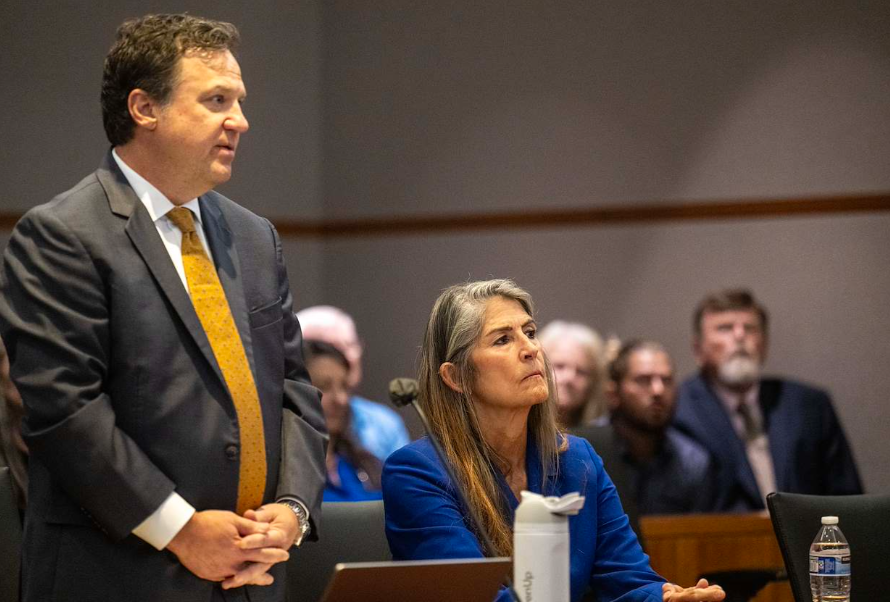
Disgraced ex-CBI analyst Missy Woods sentenced to prison in DNA scandal
Jenny Deam
jenny.deam@gazette.com
Updated 9 hours ago
A Jefferson County district court judge on Tuesday sentenced a disgraced former Colorado Bureau of Investigation DNA analyst to a decade in prison for altering and deleting data in scores of criminal cases over several years. Jefferson County District Judge...
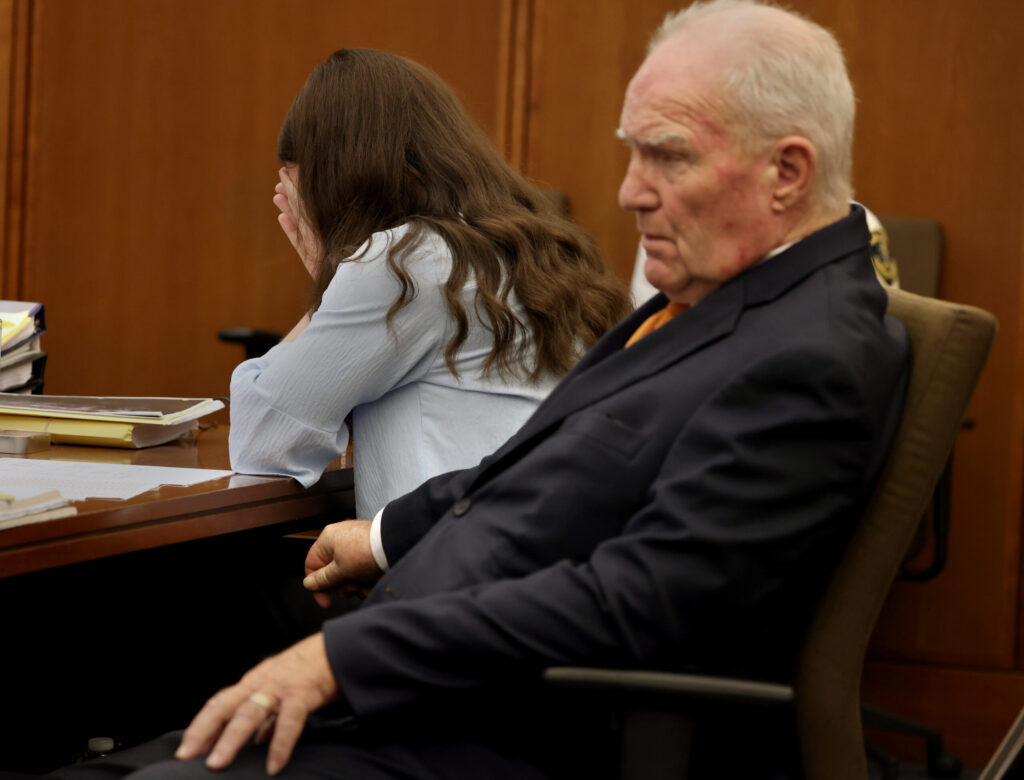
Lindsay Clancy’s attorney makes plea for pardon from Trump
Emily Hallas
emily-hallas@coloradopolitics.com
Updated 15 hours ago
Lindsay Clancy’s attorney urged President Donald Trump on Tuesday to give her a pardon before her murder case could head for another trial. Clancy is a Massachusetts woman who admitted to strangling her three young children in 2023 but argued...