

As states rush to legalize weed, Colorado still at it five years later

It’s two and half weeks into the Colorado legislative session and lawmakers have introduced at least six bills concerning the state’s legal weed, which was legalized in the state five years ago.
It’s a sign of how fast legalization tends to happen and how long it takes to work out the commercial and regulatory details – and that was before Alabama’s anti-pot Sen. Jeff Sessions was nominated for U.S. attorney general.
Bills this year will draw public attention and make headlines, as in years past, but mostly they’ve become a routine part of life under the Gold Dome.
Bills introduced so far this year include HB 1034 on licensing issues; HB 1082 on marijuana taxes and school funding; SB 15 on marijuana advertising; SB 17 on Marijuana as stress disorder drug; SB 25 on marijuana education; and SB 63 on marijuana club licensing.
In other words, Colorado is still plenty busy carving a path for the crowd of states embracing legalization and expanding legal marijuana country coast to coast.
This year, voters in, California, Maine, Massachusetts and Nevada legalized recreational marijuana, and officials – with the help of many lawyers – in Arkansas, Florida and North Dakota will begin erecting medical marijuana systems.
Stateline’s Sarah Breitenbach reports that, “already this year, at least 12 states are considering legislation to legalize and regulate marijuana. Another seven are looking at measures to decriminalize simple possession of marijuana and nearly 30 ballot measures related to marijuana are being considered for elections in 2017 and 2018.”
Breitenbach Friday posted a sharp round up of the kind of hurdles states at all stages of the process face.
Her piece included these insights, which include comment from former state Speaker of the House Frank McNulty:
No state has legalized recreational marijuana through its legislature. Even in Vermont’s General Assembly, which has already legalized medical marijuana and decriminalized possession of small amounts of pot, a recreational marijuana bill failed to pass last year.
But lawmakers in Colorado and Washington who have toiled over marijuana policy for almost five years say legislation, rather than the ballot box, is the way to go.
Building and regulating a new industry can be costly. For example, in 2014 Oregon estimated that it would cost almost $4 million annually to legalize marijuana – though states project tax revenue could far outweigh costs.
Frank McNulty, a former Republican state representative from Denver, opposes legalization. But he advises other states to work with the marijuana industry to establish a regulatory framework if a ballot initiative appears likely to pass.
In Colorado, the 2012 recreational marijuana ballot initiative took effect 30 days after the election. That left lawmakers without enough time to work on regulations, McNulty said. And, he said, poorly aligned medical and recreational systems have fed into black market sales.
Three years after marijuana could first be bought and sold in Colorado, officials are still working through regulatory changes. This year already, bills have been introduced that would create a licensing system for marijuana smoking clubs, prohibit advertising marijuana without a sales license, and allow the use of medical marijuana for stress disorders.


Federal judge hears arguments about Colorado’s 3-day gun purchase waiting period
Michael Karlik
michael.karlik@coloradopolitics.com
Updated 3 hours ago
A federal judge heard arguments on Monday about the constitutionality of a 2023 Colorado law that generally imposes a three-day waiting period on firearm purchases after the initiation of a background check. The test that the U.S. Supreme Court created...
U.S. Supreme Court clears way for Trump mail voting order in advance of midterms
Wire Services
wire-services@coloradopolitics.com
Updated 7 hours ago
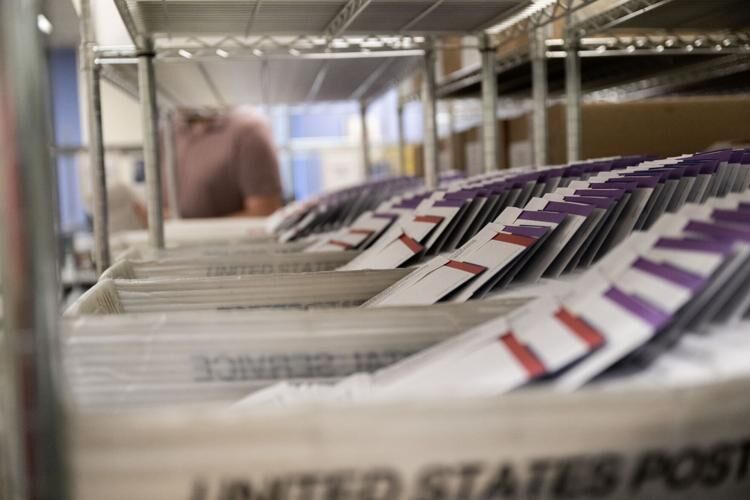
WASHINGTON • The U.S. Supreme Court on Monday cleared the way for President Donald Trump to move ahead with an executive order that seeks to restrict the mailing of ballots to American citizens in an eligible voters list. The executive...
Colorado Supreme Court intervenes in Weld County prosecution dismissed due to Missy Woods misconduct
Michael Karlik
michael.karlik@coloradopolitics.com
Updated 6 hours ago
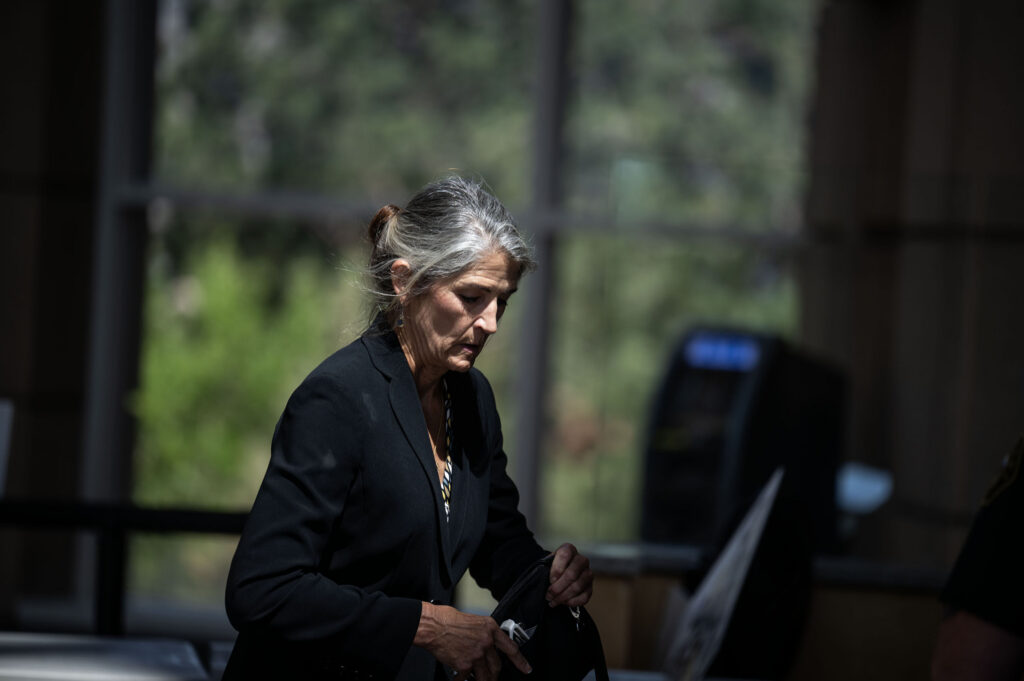
The Colorado Supreme Court ordered a Weld County trial judge last week to respond to the district attorney’s claim that he improperly dismissed a criminal case because of “outrageous” conduct by the Colorado Bureau of Investigation. Daniel Lee Eatinger stood...

Trump opens ‘economic D-Day’ offensive against Iran as war nears six-month mark
Christian Datoc
christian-datoc@coloradopolitics.com
Updated 11 hours ago
President Donald Trump is seeking to increase the financial pressure on Iran with new secondary sanctions on nations and foreign actors propping up the regime’s economy as the war between the United States and Tehran nears the six-month mark. Treasury...
Trump announces 50% tariffs on Canadian cars, auto parts, and steel
Naomi Lim
naomi-lim@coloradopolitics.com
Updated 11 hours ago
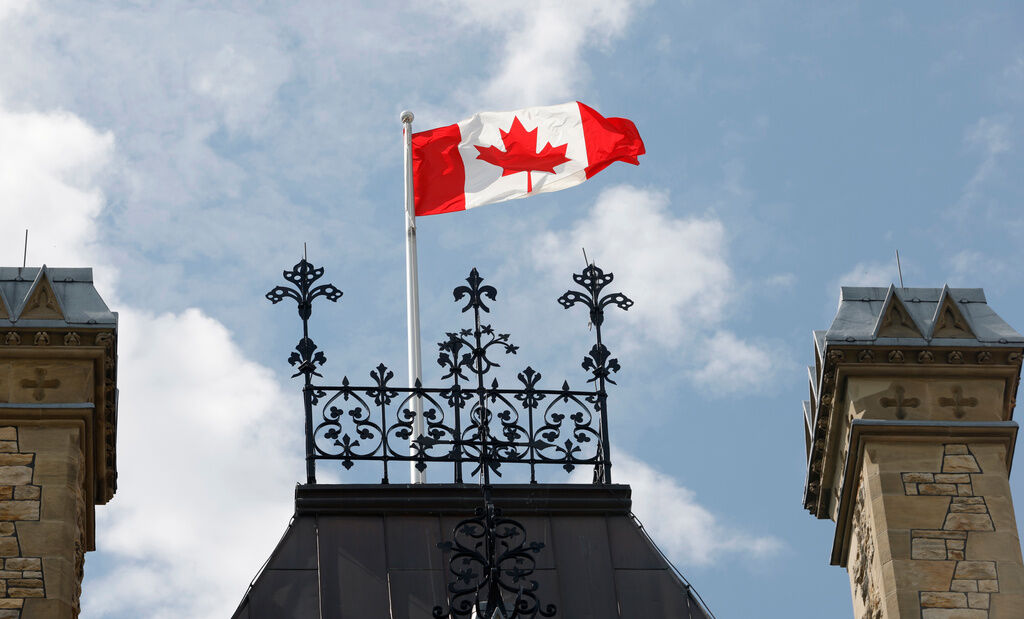
President Donald Trump escalated the trade war with Canada after talks collapsed last week, announcing Monday that the United States would impose 50% tariffs on cars, trucks, automotive components, and steel starting Jan. 1, 2027. “Canada has been ripping off...

Iran puts out propaganda video tracking Barron Trump’s location, offering $10 million for his assassination
Timothy Nerozzi
timothy-nerozzi@coloradopolitics.com
Updated 13 hours ago
The Islamic Revolutionary Guard Corps is putting a hit out on President Donald Trump’s son, Barron Trump, with an inflammatory video claiming to track his location. State-run television in Iran is broadcasting a propaganda video claiming to show the locations...
Nevada sues Trump administration over Colorado River cuts
Marianne Goodland
marianne.goodland@coloradopolitics.com
Updated 5 hours ago
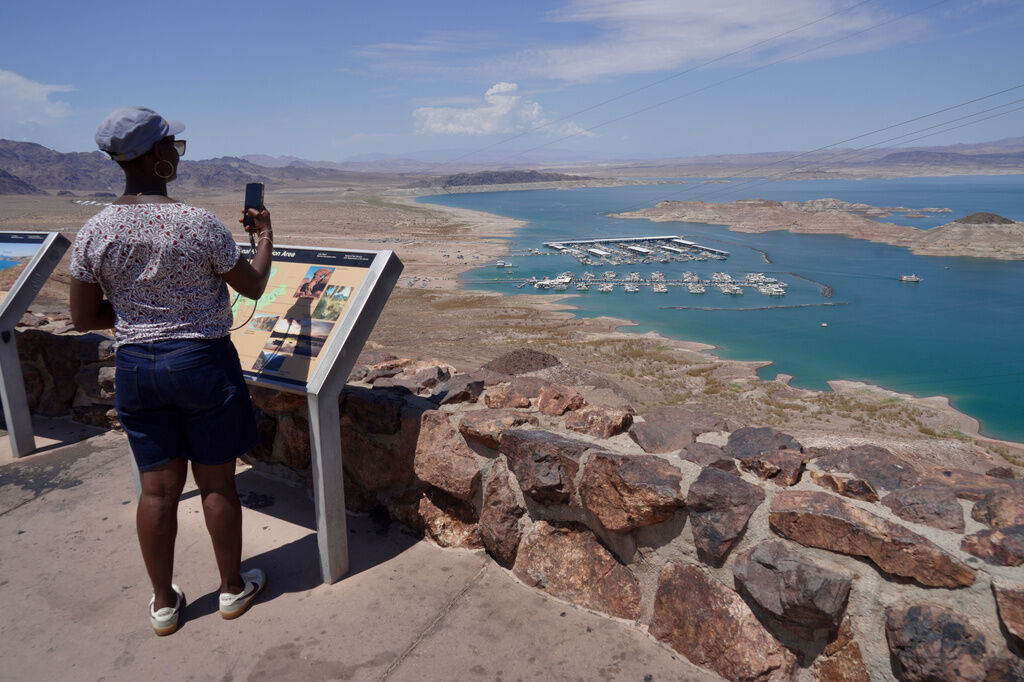
On Monday, the state of Nevada filed a lawsuit against the Trump administration and Interior Secretary Doug Burgum, seeking to block the Colorado River management plan. On Friday, Burgum released a “record of decision” that would reduce water allocations to...

Healthcare Freefall: Longer drives, fewer options for maternity care in Colorado
Thelma Grimes
thelma.grimes@coloradopolitics.com
Updated 15 hours ago
Editor’s Note: Colorado’s healthcare system is entering a period of accelerating instability — a “tsunami,” as multiple leaders describe it — driven by collapsing hospital finances, shrinking Medicaid reimbursements, disappearing services and a political fight over who is responsible for...
Polis requests federal disaster declaration for Colorado wildfires and floods
9News
9news@coloradopolitics.com
Updated 8 hours ago
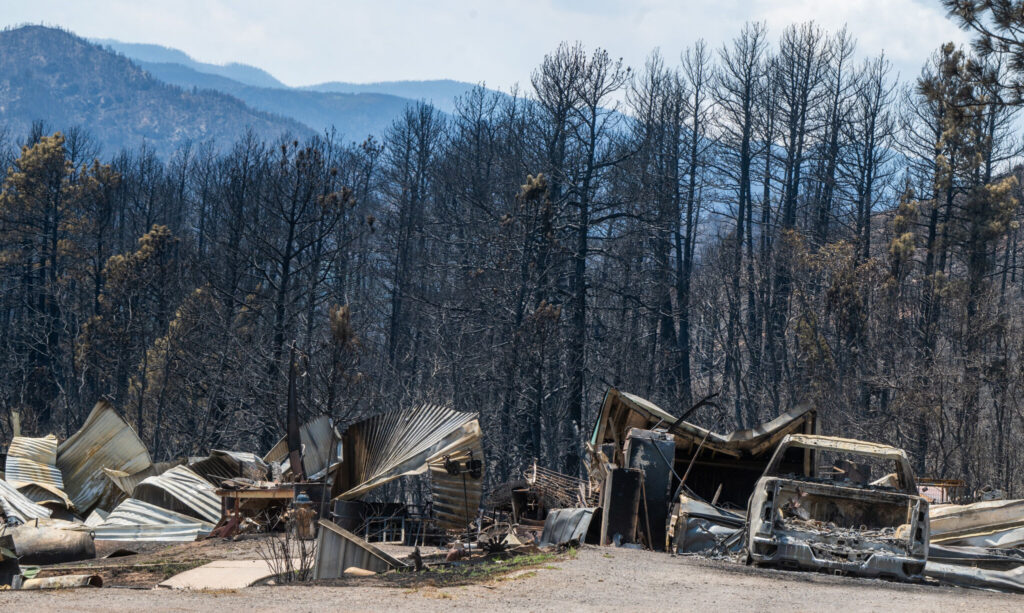
On Sunday, Gov. Jared Polis officially requested a Major Disaster Declaration from President Donald Trump and the Federal Emergency Management Agency to support recovery from two wildfires and the subsequent flooding and debris flows on both burn scars. Polis requested a declaration...
US strikes another boat in eastern Pacific, killing two, Pentagon says
The Associated Press
the-associated-press@coloradopolitics.com
Updated 15 hours ago
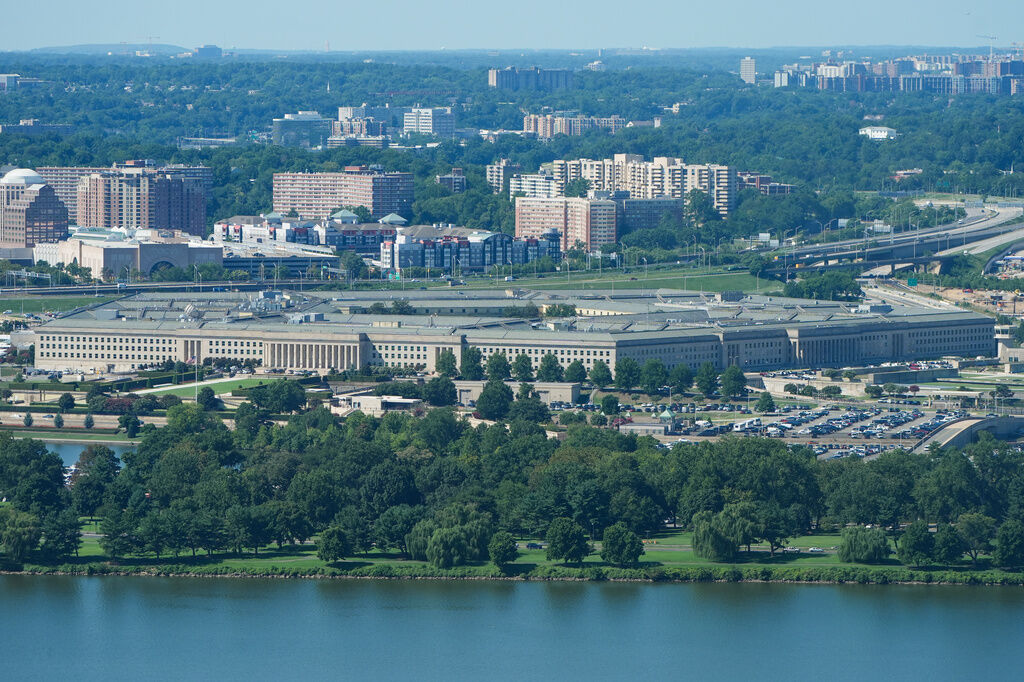
U.S. forces have struck another vessel in the eastern Pacific, killing two people the Pentagon says were trafficking drugs. The U.S. Southern Command announced the strike in a social media post early Monday. The death toll from the Trump administration’s...