

Denver pot measure too risky for restaurant association
Consuming marijuana and alcohol at the same time while at a Denver restaurant or bar will make those establishments too risky for insurers, the Colorado Restaurant Association believes, so the organization is opposed to the Denver Neighborhood-Supported Cannabis Consumption initiative on the Nov. 8 general election ballot.
The measure, Proposition 300 on the City and County of Denver ballot, would establish the City of Denver Cannabis Consumption Pilot Program: safe, supervised consumption spaces where adult marijuana consumers could have access to traditional social environments without being segregated from mainstream society. Locations would have to be approved by a registered neighborhood organization or business improvement district and meet other requirements.
Sonia Riggs, president and CEO of the restaurant association, said the group has been concerned for more than a year that the measure would lead to dual consumption of alcohol and marijuana.
“We believe ingesting both products at the same time intensifies the effects and poses a risk of a business losing its license” if someone in that circumstance is involved in an automobile accident, Riggs said.
The group also worries business insurance companies will back away and not cover establishments that have a liquor license and allows customers to ingest marijuana, she added.
Nick Hoover, governmental affairs coordinator for the Mile High chapter of the association, said the local chapter also voted to oppose the measure for the same reasons.
“We’re also nervous about someone who had a drink sitting on a patio at a restaurant decides he wants to smoke marijuana because he heard this initiative allowed it,” Hoover said. “Are they then too intoxicated to be served? I think we’re going to see a lot more sting operations, too.”
Hoover said the measure will lead to confusion among customers of Denver restaurants who think they can ingest marijuana while they have a drink at dinner.
“It’s a perception issue that we’ve already seen about where people can and can’t consume marijuana,” he added. “Our members worry they’ll get into arguments with customers when they tell them they can’t consume marijuana. It’s going to force a lot of arguments.”
A broader concern is the effect passage of the measure could have on alcohol service and current protections against frivolous lawsuits, Hoover said.
“Things will be a lot more difficult to litigate when marijuana has been consumed,” he added.
Riggs noted the restaurant association opposed Amendment 64, the 2012 Colorado constitutional amendment that legalized the use of small amounts of marijuana by adults.
“I know proponents say they should be able to enjoy marijuana when they have a glass of wine,” she said. “We just think it’s too risky for the businesses that already serve alcohol and would have to deal with this.”
A spokesman for the group behind the measure, Denver’s Neighborhood-Supported Cannabis Consumption Committee, could not be reached for comment Tuesday.
The measure would allow a business or person to apply for a permit to allow marijuana consumption in a designated area on their property, limited to adults 21 and older and subject to regulations enforced by the Department of Excise and Licenses and law enforcement, fire, and health officials.
These spaces must comply with the Colorado Clean Indoor Air Act and prevent exposure to secondhand smoke, cannot be within 1,000 feet of a school, visible from a public right-of-way or anywhere children congregate.
Staff must complete training, not consume any intoxicants in the workplace, strictly observe safety and security measures, follow protocols for preventing public intoxication, problematic behavior, and underage use, similar to establishments that allow alcohol consumption.
Denver City Council would create a task force to study and report on the impact of the ordinance, which would expire at the end of 2020, if the city has not approved comprehensive marijuana consumption regulations.


Federal judge hears ICE agents’ confusion about law, injunction on warrantless arrests
Michael Karlik
michael.karlik@coloradopolitics.com
Updated 2 hours ago
A federal judge heard testimony on Tuesday from U.S. Customs and Immigration Enforcement agents in Colorado, who had trouble describing the requirements of his recent injunction and the training they received on making warrantless arrests pursuant to the law. On...

10th Circuit dismisses challenge to Colorado legislature’s decorum rules
Michael Karlik
michael.karlik@coloradopolitics.com
Updated 9 hours ago
The Denver-based federal appeals court concluded on Tuesday that Colorado lawmakers cannot be sued for creating and enforcing rules of decorum that circumscribe the public commentary allowed at legislative committee hearings. A three-judge panel of the U.S. Court of Appeals...

U.S. energy secretary warns Colorado’s energy policies could drive up prices, deter businesses
Scott Weiser
scott.weiser@gazette.com
Updated 7 hours ago
U.S. Energy Secretary Chris Wright on Monday warned that Colorado’s energy policies could lead to higher electricity prices and deter businesses, such as data centers, from locating in the state. Wright, a former executive of a Colorado-based energy company tapped...
Split vote by Colorado Title Board stops ballot push to privatize Pinnacol Assurance
Marianne Goodland
marianne.goodland@coloradopolitics.com
Updated 11 hours ago
The Colorado Title Board, a three-member panel that sets the language for ballot measures, recently reversed a prior decision and blocked a proposal to privatize Pinnacol Assurance from moving forward. The main issue decided by the title board is whether...
Jackson and Kavanaugh disagree over if the Supreme Court treats Trump like Biden
David Zimmermann Washington Examiner
davidzimmermannwashingtonexaminer@wpstage.coloradopolitics.com
Updated 12 hours ago
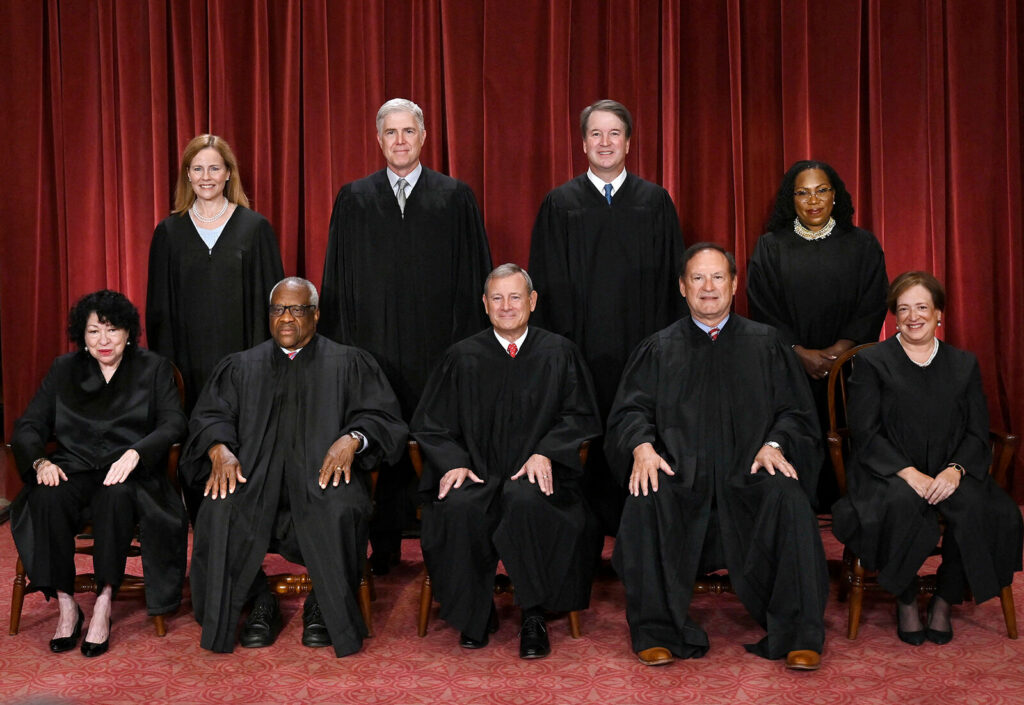
Supreme Court justices Ketanji Brown Jackson and Brett Kavanaugh disagreed on Monday over whether the high court treats President Donald Trump the same as former President Joe Biden in cases brought by their respective administrations. Jackson, who often writes dissents...

Rand Paul announces tentative date for Mullin DHS confirmation hearing
Washington Examiner Staff, Washington Examiner
washington.examiner.staff.washington.examiner@gazetteedit.wpenginepowered.com
Updated 12 hours ago
The nomination of Sen. Markwayne Mullin (R-OK) to be the next Department of Homeland Security Secretart was officially sent to the Senate by the White House on Monday. Mullin was nominated on March 5 by President Donald Trump to replace...

Trump calls SAVE America Act his ‘No. 1’ priority for House GOP
Rachel Schilke, Washington Examiner
rachel.schilke.washington.examiner@gazetteedit.wpenginepowered.com
Updated 13 hours ago
DORAL, Florida — President Donald Trump made his “biggest plea” to House Republicans on Monday: Pass the SAVE America Act, a GOP voter identification bill, even if it takes the rest of this year. A little over 100 of the...

Colorado Senate panel OKs bill named for Boulder teen cyclist killed in 2023 crash
Marissa Ventrelli
marissa.ventrelli@coloradopolitics.com
Updated 7 hours ago
The Senate Judiciary Committee on Monday gave unanimous approval to a bill that would require law enforcement officers responding to crashes resulting in serious injury or death to offer drivers a voluntary breathalyzer test. Sponsors hope the measure would provide...

Fort Carson-based soldier killed in Iranian attack
Mary Shinn
mary-shinn@coloradopolitics.com
Updated 14 hours ago
A Fort Carson-based soldier is among the U.S. service members killed in an attack by Iran during Operation Epic Fury, according to a Department of Defense news release. Sgt. Benjamin N. Pennington, 26, died Sunday of injuries sustained during an...
Colorado open records bill dies in Senate committee
Marianne Goodland
marianne.goodland@coloradopolitics.com
Updated 13 hours ago
Efforts to overhaul Colorado’s open records law stalled anew. A proposal that would have extended response times for public records requests and added accountability measures for late responses failed to advance out of its first committee and will not move...