

Legislative task force set to consider struggling 9-1-1 service
In Colorado, 9-1-1 emergency service is still inconsistently moving into the digital age, and suffering sporadic outages as a result.
Outages have been rising since 2010 and, this year, Colorado is on track to see more outages than were recorded in any of the past six years, according to data compiled by the Colorado Public Utility Commission.
As of mid-August, there have been roughly 28 service outages in the state. There were about 20 outages reported by mid-August in 2012, the worst midyear tally until this year.
The average 9-1-1 outage in Colorado lasts 10 hours. In customer-service terms, that number seems brutal. As the PUC reports, Colorado telecommunications consumers paid for 1.6 million phone minutes in which they could not have contacted 9-1-1 – that’s the the number of minutes 9-1-1 service was down this year so far multiplied by the number of people in the blackout zones, which was roughly 3,000 customers.
The cause of the outage in 69 percent of the cases was either an accidentally cut cable (27.6 percent) or “system failure” (41.4 percent). The percentage of outages caused by system failure is on the rise – the kind of failure that has increased as landlines fall away and wireless communications expand in a state marked by diverse geography, variable weather and a population spread through nearly every nook and cranny.
These are some of the facts that will fuel debate Wednesday at the Capitol, when a six-member legislative task force meets to consider how best to oversee At&T, Comcast, Verizon and the other companies that manage the state’s communication networks.
The task force was established by lawmakers in the spring, the result of a compromise over a bill backed by the powerful telecom lobby that sought to head off new 9-1-1 service regulations being drafted by the state’s utility commission. The bill was opposed by first responders, emergency dispatchers and consumer advocates. Lawmakers set up the task force to consider the issue before any new state regulations or laws could take effect.
During debate over the bill, the companies argued that their operations – emergency services included – could only be regulated by the Federal Communications Commission.
The back-and-forth this year was an offshoot of debate held in 2014, when lawmakers agreed to deregulate the industry but, according to some of the lawmakers involved, not to deregulating emergency services.
“We would never have agreed to deregulating 9-1-1,” said state Sen. Irene Aguilar, D-Denver.
Aguilar, a medical doctor, was prepared to filibuster this year’s bill. She said she had lined up 25 amendments to slow down debate. She also wrote to the FCC to ask whether the state had the authority to regulate emergency services. She received an email reply from David Simpson, chief of the FCC’s Public Safety and Homeland Security Bureau, which she forwarded to The Colorado Statesman. Simpson welcomed state oversight.
“(The FCC) executes oversight responsibilities in close coordination with state and local 9-1-1 officials,” Simpson wrote. “Our recent 9-1-1 reliability and governance proceedings make clear that we do not seek to pre-empt the states’ authority to regulate 9-1-1 reliability within their own borders if they decide to do so.
“Between the FCC and the States, we expect to use our combined authorities to ensure that 9-1-1 remains a reliable service as Next Generation 9-1-1 services become available and as cybersecurity threats continue to evolve.”
Colorado is not alone in working to shore up outdated 9-1-1 services.
Cable TV personality John Oliver recently mocked emergency communication technology across the country. Car services like Uber can find a caller quicker and more reliably than 9-1-1 dispatchers can, he said, repeating a common complaint.
Some local governments are making good progress in addressing the problem.
The Arkansas-Texas Council of Governments is set to launch a satellite-enabled “next generation” emergency communication service this month that will cover 10 counties in the two states and that is designed to withstand call-center power outages and network crashes.
Colorado’s 9-1-1 task force is made up of legislative heavy-hitters from both sides of the aisle, which suggests opposing interests will enjoy strong representation.
The task force is co-chaired by Senate Minority Leader Mark Scheffel, R-Sedalia, and House Speaker Dickey Lee Hullinghorst. The other members are Senate Assistant Minority Leader Rollie Heath, D-Boulder, House Majority Leader Crisanta Duran, D-Denver, House Assistant Minority Leader Polly Lawrence, R-Littleton, as well as Aquilar.


Colorado Politics Calendar July 27-Aug. 2
Rachael Wright, Special to Colorado Politics
rachael.wright@coloradopolitics.com
Updated 4 days ago
CoPo’s weekly political calendar will help you find political and public-policy events throughout Colorado. It includes candidate and issue campaign events, public policy meetings, court hearings, state and local party conventions, assemblies, debates, rallies, parades, speaking engagements, traveling dignitary appearances,...

The through line from Donald Trump to Victor Marx | SONDERMANN
By Eric Sondermann
by-eric-sondermann@coloradopolitics.com
Updated 4 days ago
Over 10 years ago, before Donald Trump could ever defeat Hillary Rodham Clinton, he had to first engineer a hostile takeover of the Republican Party. Prior to his descent of that golden escalator, the previous seven Republican presidential nominees had...

Colorado districts prepare for school year amid mental health cuts. But will less cellphone distractions help?
Marissa Ventrelli
marissa.ventrelli@coloradopolitics.com
Updated 2 days ago
The signs of a new school year are everywhere — buses in the shop, teachers unpacking boxes, families ticking through supply lists — but behind the familiar rituals, Colorado districts are preparing for a year defined less by routine than...
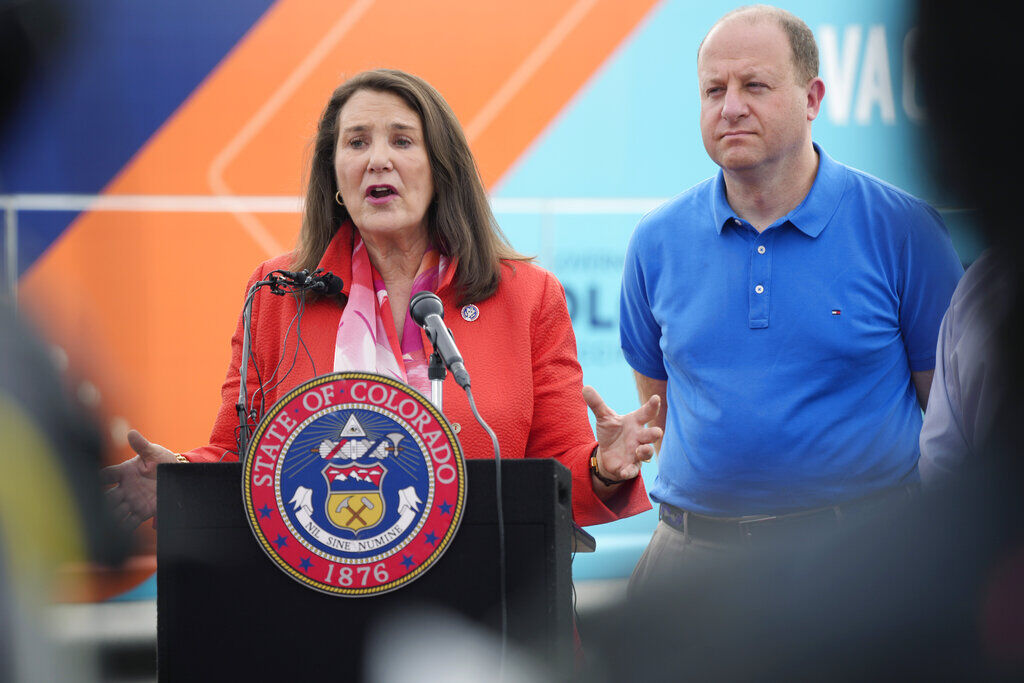
Armstrong staffer considers congressional bid, DeGette angers rural communities with wilderness act | A LOOK BACK
Rachael Wright, Special to Colorado Politics
rachael.wright@coloradopolitics.com
Updated 3 days ago
Forty-five years ago this week: If the lines were drawn just right, Republican Sen. Bill Armstrong stood the chance of losing his office manager, Ruth Fountain. Fountain admitted she was seriously thinking about running for Colorado’s new congressional seat in...
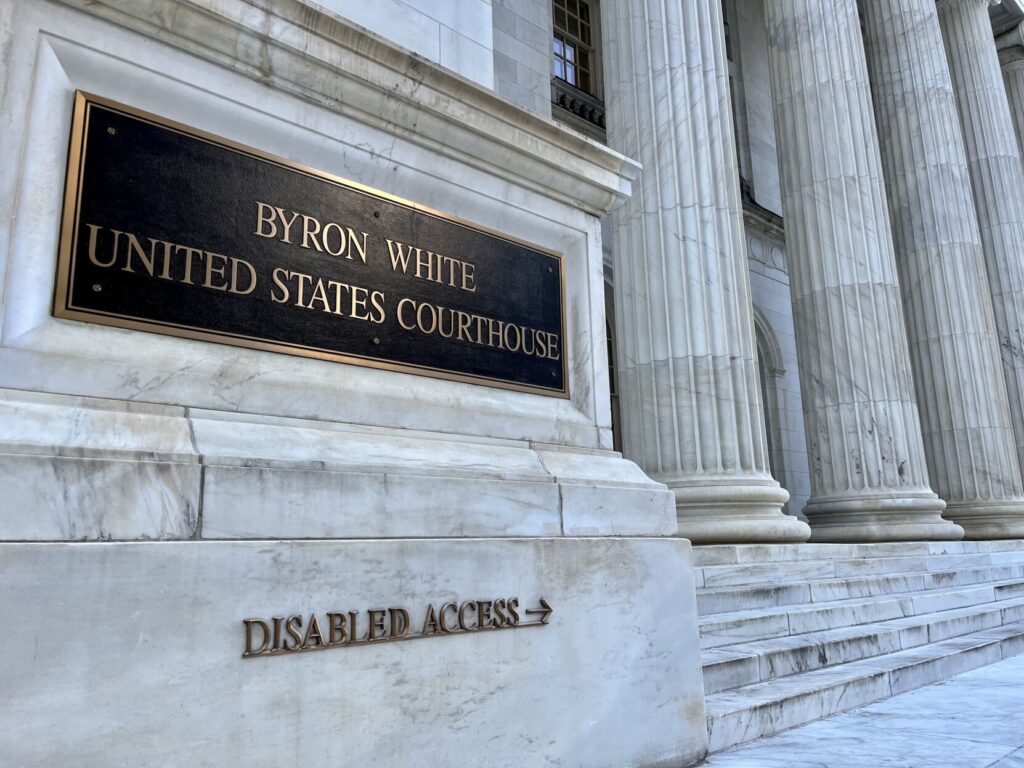
10th Circuit dismisses woman’s lawsuit following 10-year attempt to undo restraining order
Michael Karlik
michael.karlik@coloradopolitics.com
Updated 2 days ago
The Denver-based federal appeals court rejected a woman’s challenge on Friday to a restraining order imposed on her more than a decade ago, finding that she cannot credibly claim she will be prosecuted for violating the restraining order through her...
10th Circuit dismisses woman’s lawsuit following 10-year attempt to undo restraining order
Michael Karlik
michael.karlik@coloradopolitics.com
Updated 2 days ago
The Denver-based federal appeals court rejected a woman’s challenge on Friday to a restraining order imposed on her more than a decade ago, finding that she cannot credibly claim she will be prosecuted for violating the restraining order through her...
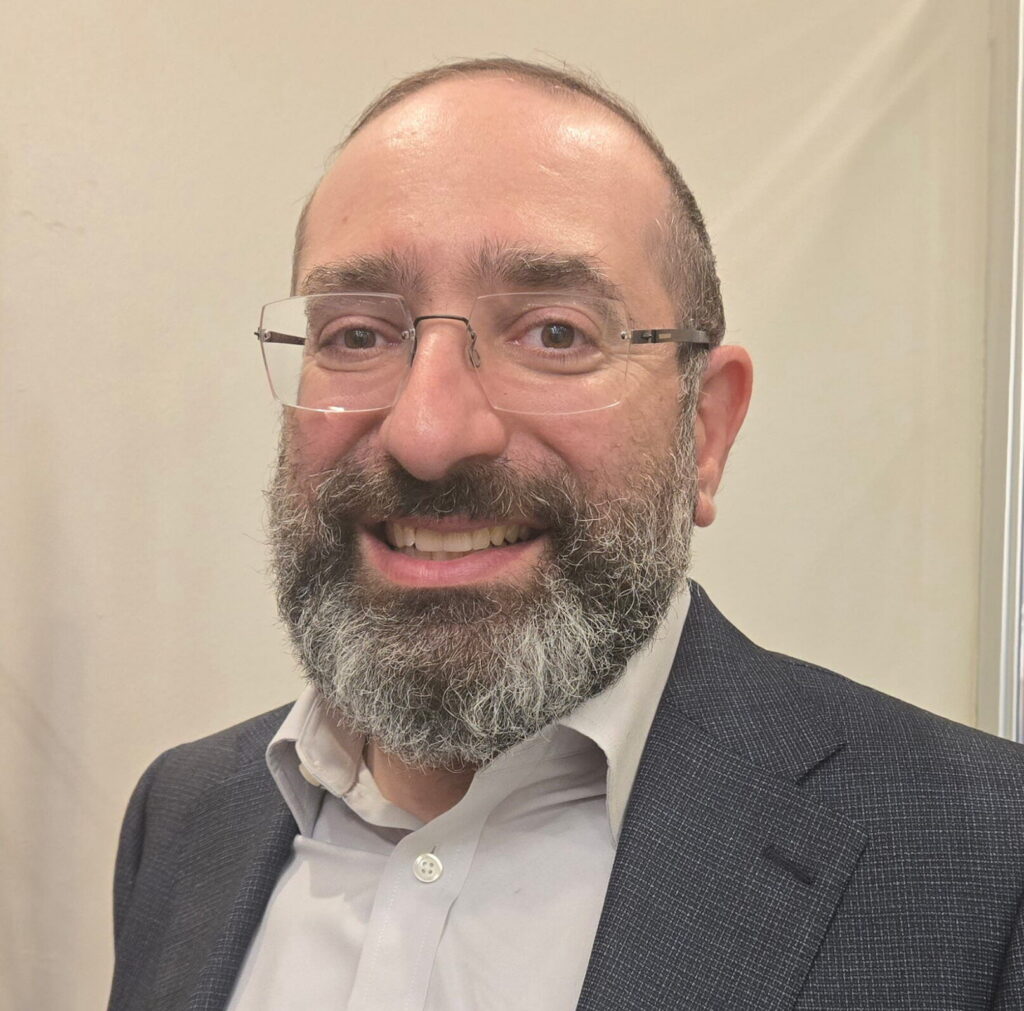
Surprise candidate Shimon Blau cleared to face off against Melat Kiros in November
Ernest Luning
ernest.luning@coloradopolitics.com
Updated 2 days ago
Unaffiliated congressional candidate Shimon Blau, a Denver doctor, has qualified by petition for the general election in Colorado’s 1st District, where Democrat Melat Kiros defeated 15-term U.S. Rep. Diana DeGette in last month’s primary, the Colorado Secretary of State’s Office...

Colorado produce not tied to nationwide cyclospora outbreak, agriculture officials say
Marissa Ventrelli
marissa.ventrelli@coloradopolitics.com
Updated 1 day ago
There is no indication that the recent outbreak of cyclospora, a fecal parasite that has contaminated food and water across nearly every state, can be linked to produce grown in Colorado, according to the state’s Department of Agriculture. “Colorado growers...

UNC opens College of Osteopathic Medicine
Marissa Ventrelli
marissa.ventrelli@coloradopolitics.com
Updated 2 days ago
The University of Northern Colorado held a grand opening for its new College of Osteopathic Medicine on Friday, with Gov. Jared Polis in attendance to celebrate the culmination of a two-year, $127.5 million project. The project was funded through legislation...
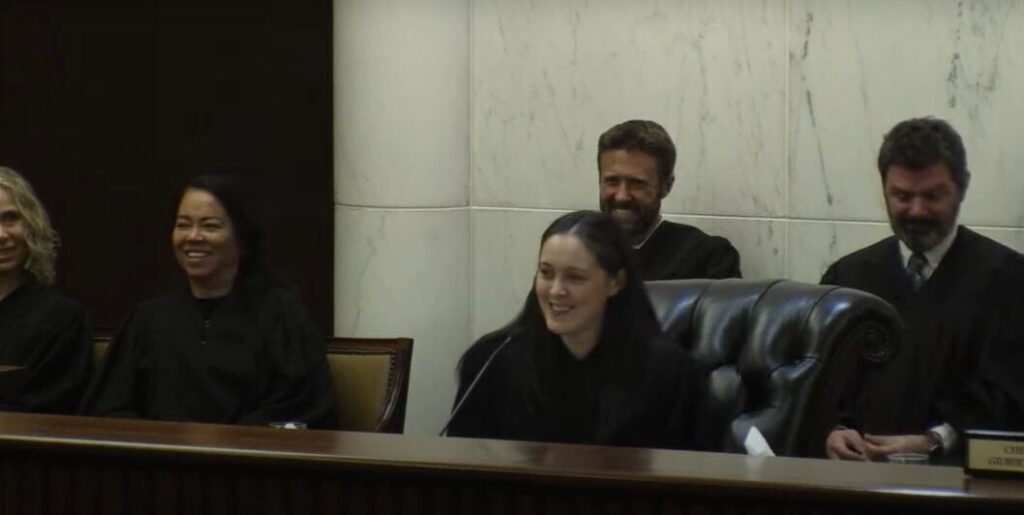
Colorado equal pay law does not require plaintiffs to allege gender-based retaliation, appeals court finds
Michael Karlik
michael.karlik@coloradopolitics.com
Updated 1 day ago
The 2019 Colorado law aimed at rooting out pay discrimination on the basis of sex does not require a plaintiff to allege their employer retaliated against them for sex- or gender-related reasons, the state’s second-highest court decided on Thursday. Lawmakers...
PREV
PREVIOUS
CDC Director: Just a few weeks' of Zika funding remain
The head of the government’s fight against the Zika virus said that “we are now essentially out of money” and warned that the country is “about to see a bunch of kids born with microcephaly” in the coming months. Friday’s warning from Centers for Disease Control and Prevention Director Thomas Frieden came as lawmakers start to sort […]

Tipton tries to link Schwartz to Clinton’s 'coal-killing' campaign
Leading up to the big Club 20 weekend in Grand Junction, Republican U.S. Rep. Scott Tipton hammered home familiar themes Thursday on a long and wide-ranging conference call with reporters in which he consistently came back to his support for Colorado’s coal industry and his Democratic opponent’s coal-mine-killing policies as a state senator during former […]