

Eid sworn in as Supreme Court justice, Boyd moves from House to Senate
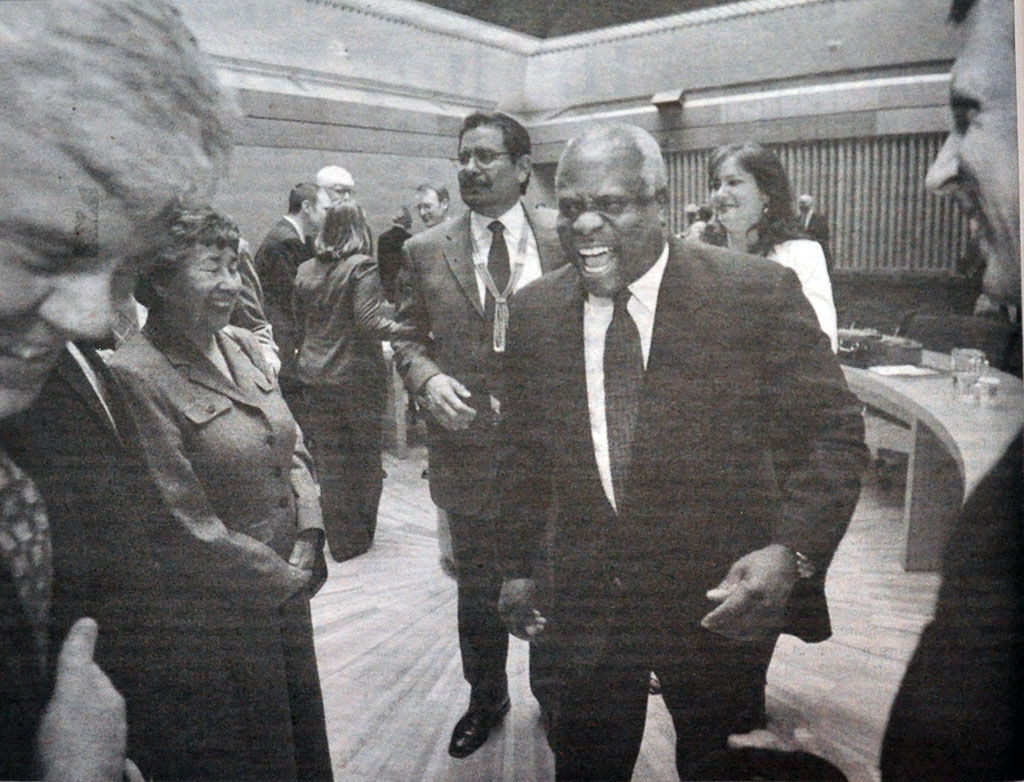
Ten Years Ago this week in The Colorado Statesman … U.S. Supreme Court Justice Clarence Thomas introduced and lauded his former law clerk Allison Eid, who was sworn in as the 95th justice of the Colorado Supreme Court. Eid, appointed to the bench by Gov. Bill Owens, replaced Rebecca Love Kourlis, who had announced she was stepping down from the high court at the beginning of the year in order to help launch the University of Denver’s Institute for the Advancement of the American Legal System. “[Allison] is very bright, if not brilliant, conscientious, an excellent writer, and intellectually honest, as well as just plain honest,” said Thomas as Eid visibly blushed. “I would love to have a colleague like her.” Applauding Eid’s ability to work with others, Thomas added, “She engaged in interesting and constructive debates about very difficult matters, always looking for a way to solve the problem, not solely to debate them.” Eid’s family — husband, Troy, son Alex and daughter Emily — could barely contain themselves as her children helped her with “the biggest challenge of the day,” helping her don the black robe. Asked by Chief Justice Mary Mullarkey what it meant to promote and administer justice in Colorado, Eid said, “I have thought about this question with the greatest humility for most of my professional life, and as a wife and mother. Through these experiences, I have come to the conclusion that justice follows when we respect the rule of law, and that is what I aspire to do.” …
… In what was described as a “quiet and smooth transition” in “marked contrast to the tumultuous events” that led to it, state Rep. Betty Boyd, D-Lakewood, won unanimous approval from a Democratic vacancy committee and was sworn in to fill the seat of state Sen. Deanna Hanna, D-Lakewood, who had resigned earlier in the month while under scrutiny in an ethics probe. Boyd said she didn’t see much difference between the House and Senate except for size — and the ability of the Senate to confirm the governor’s appointments — though the former lobbyist for the Lutherans noted that she used to think the Senate was more cordial. After her swearing-in, Boyd said she would miss the House because it has “become a place where we can get along across party lines.” Lakewood Democrat Andy Kerr was tapped by another vacancy committee to serve out Boyd’s term. Saying she didn’t want her ethics imbroglio to be a “distraction,” Hanna had resigned over a letter she’d sent demanding “reparations” from a Jefferson County real estate organization that had endorsed her opponent in 2004.
… Legislation was moving quickly as the session neared the halfway mark. The Colorado Clean Indoor Air Act, which would prohibit smoking indoors in Colorado, with some exceptions, had emerged from a conference committee and had been approved by the Senate. The bipartisan bill, sponsored by state Sen. Dan Grossman, D-Denver, and House Minority Leader Mike May, R-Castle Rock, was headed to the House for a nod before it would land on the governor’s desk. “The message today is that the Senate truly cares about the health of workers in this state,” Grossman said. “All workers in the state of Colorado have a right to a healthy work environment.” Senate Democrats worked across the aisle with minority Republicans to pass a bill to “curtail some of the immigration problems” in the state. The bill, sponsored by state Sen. Tom Wiens, R-Castle Rock, would require local law enforcement and government employees to report someone to federal immigration authorities if they believed that person wasn’t in the country legally. “Both sides of the aisle came together today to pass this measure because our immigration problems deserve effective solutions,” Grossman said. “This bill brings the federal government to the table to work with us to find illegal immigrants. Coloradans need to know who is in our state.” …
… William Mutch, executive director of business powerhouse group Colorado Concern, wrote in a guest commentary that subcontractors needed construction defect reform in order to tamp down the ongoing “family squabble” between general contractors and subcontractors. The Legislature was considering two competing proposals, both originating in the House, but Mutch wrote that “one of these bills has merit and should be approved, (but) only a construction defects bill tailor-made for subcontractors will bring full relief.” A bill sponsored by state Rep. Michael Garcia, D-Aurora, and state Sen. Jennifer Viega, D-Denver, was favored by the business community, he wrote, because it would eliminate “broad-form indemnification,” which could potentially assign all the legal liability for a problem to someone who wasn’t responsible for the defective construction. Another bill went further and “should be rejected,” Mutch wrote, attempting to solve construction litigation issues by “heavy-handedly dictating contract terms and conditions,” turning the freedom to enter into contracts “on its head” and adding tension to the already fraught relationship between general contractors and subcontractors. “The problem is not the contract, instead it’s the current nature of construction litigation,” Mutch wrote. “Quite simply, plaintiffs’ lawyers bring their shotgun to the table.”
— ernest@coloradostatesman.com
Colorado Politics Must-Reads:

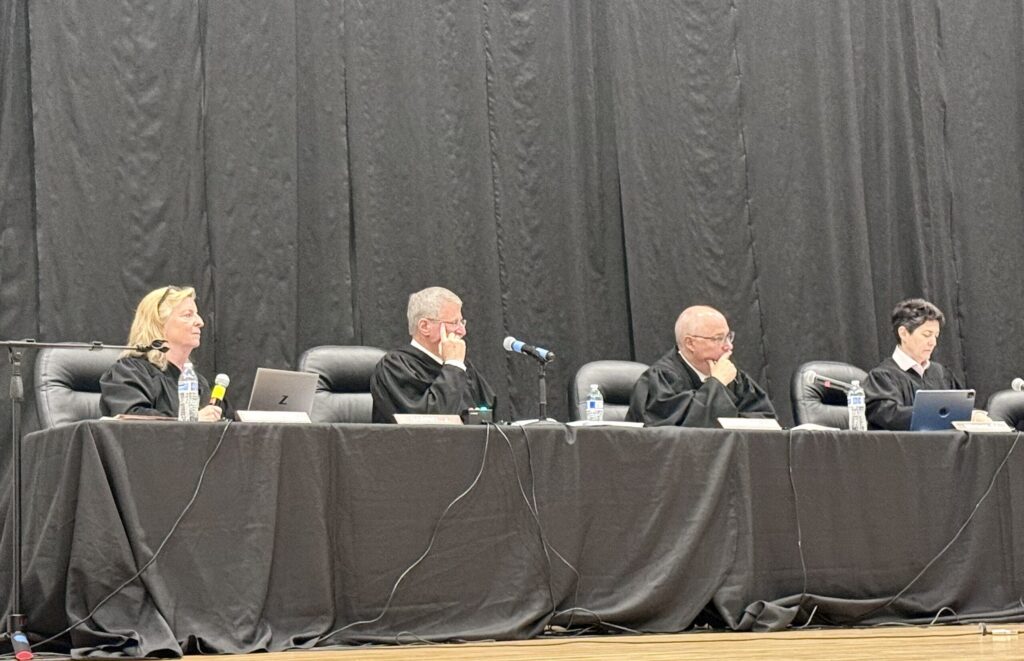
Colorado justices to hear appeal in Kendrick Castillo death lawsuit, ‘fugitive’ rule
Michael Karlik
michael.karlik@coloradopolitics.com
Updated 2 hours ago
The Colorado Supreme Court announced on Tuesday that it will decide whether it was proper to dismiss a lawsuit over the 2019 shooting death of Kendrick Castillo after the defendants paid the maximum amount of damages available to Castillo’s parents,...

Two more wolves killed by Colorado wildlife staff
Marianne Goodland
marianne.goodland@coloradopolitics.com
Updated 3 hours ago
Two yearling wolves from the Copper Creek and Three Creeks packs in Pitkin and Rio Blanco counties, respectively, were killed by Colorado Parks and Wildlife staff on Monday. That brings to 19 the number of wolves that have died under...

U.S. Rep. Lauren Boebert calls Trump’s 90-day wolf-delisting review ‘real progress’
Marianne Goodland
marianne.goodland@coloradopolitics.com
Updated 2 hours ago
President Donald Trump has directed Interior Secretary Doug Burgum to launch a 90-day review on whether gray wolves and Mexican wolves should be removed from Endangered Species Act protections. The order drew mixed reactions for Colorado’s wolf-reintroduction effort, with ranchers...
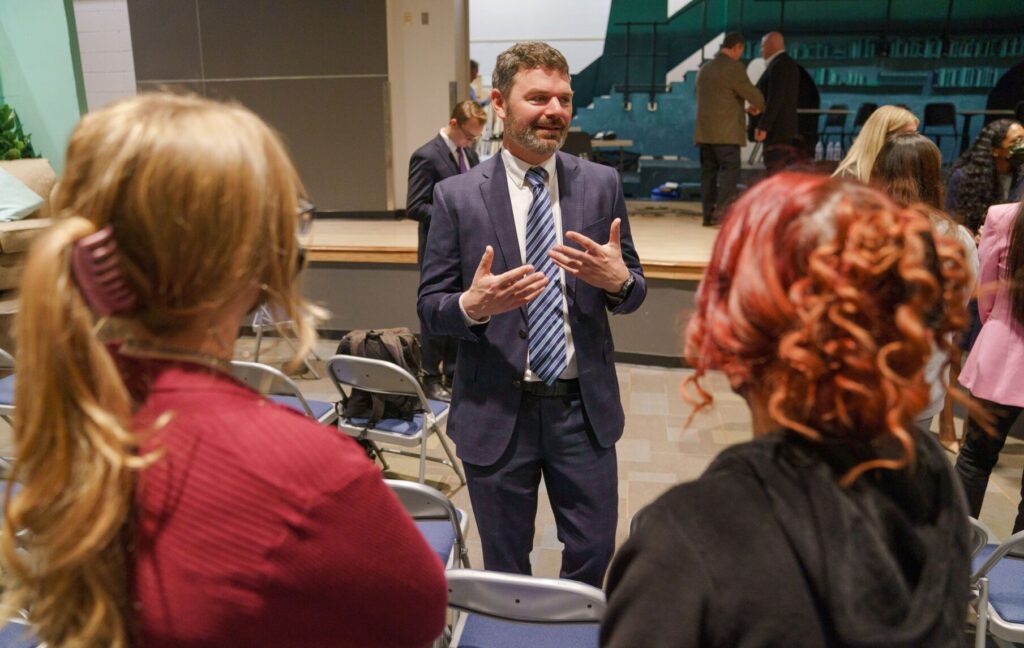
Arapahoe County judge’s frustration with defense lawyer not grounds for new trial
Michael Karlik
michael.karlik@coloradopolitics.com
Updated 4 hours ago
Colorado’s second-highest court decided last week that an Arapahoe County judge’s repeated rebukes of a defense attorney and orders to “be quiet” did not rise to the level of bias or a violation of the defendant’s due process rights. A...

Divided appeals court upholds vehicle theft conviction despite unclear origin of car’s value
Michael Karlik
michael.karlik@coloradopolitics.com
Updated 10 minutes ago
Colorado’s second-highest court upheld a defendant’s conviction for aggravated motor vehicle theft last week, even though it was unclear how the Thornton Police Department estimated the value of the stolen car. Officer Marc Faivre encountered Ashley Shelee Gibbens-Martinez in a...
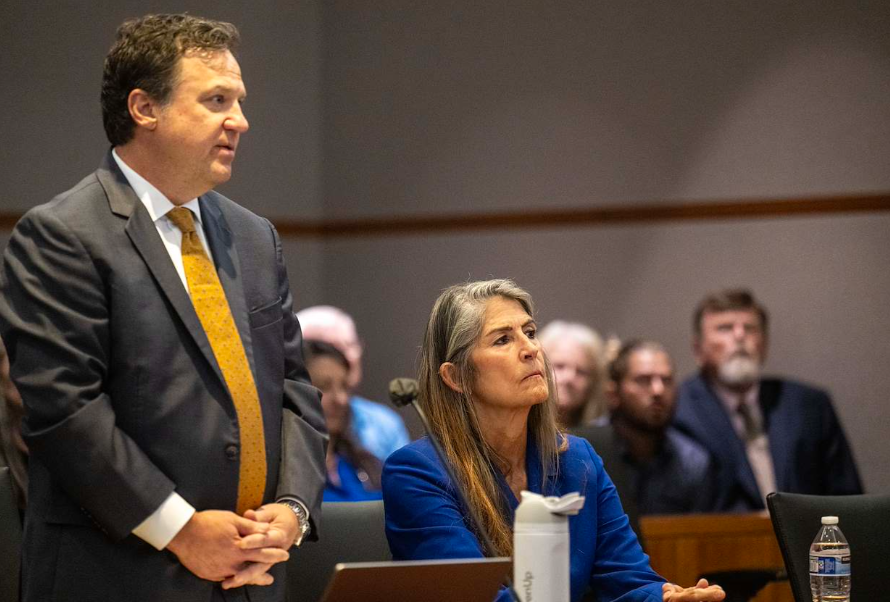
Disgraced ex-CBI analyst Missy Woods sentenced to prison in DNA scandal
Jenny Deam
jenny.deam@gazette.com
Updated 4 hours ago
A Jefferson County district court judge on Tuesday sentenced a disgraced former Colorado Bureau of Investigation DNA analyst to a decade in prison for altering and deleting data in scores of criminal cases over several years. Jefferson County District Judge...
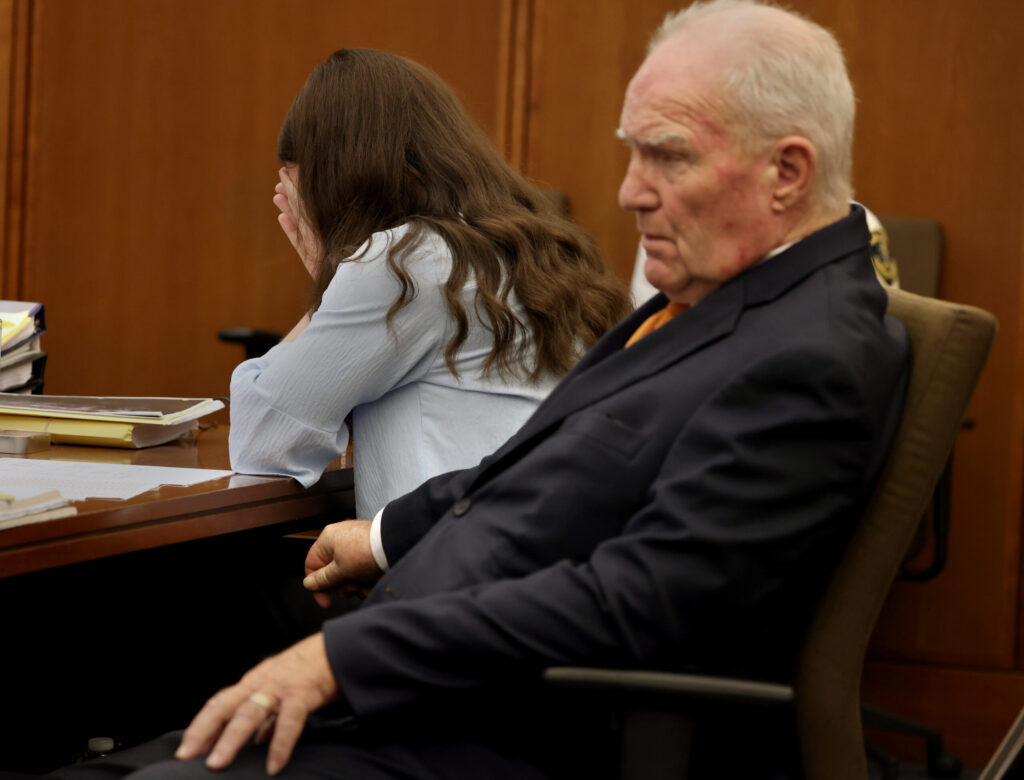
Lindsay Clancy’s attorney makes plea for pardon from Trump
Emily Hallas
emily-hallas@coloradopolitics.com
Updated 10 hours ago
Lindsay Clancy’s attorney urged President Donald Trump on Tuesday to give her a pardon before her murder case could head for another trial. Clancy is a Massachusetts woman who admitted to strangling her three young children in 2023 but argued...
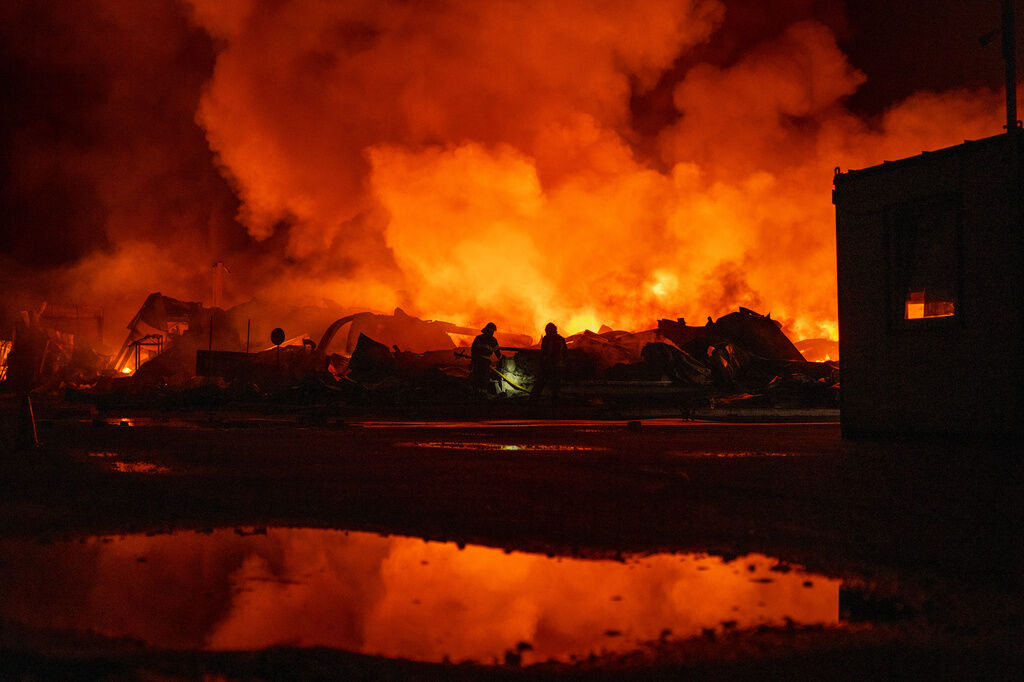
Russia launches massive, deadly, and ‘complex’ attack against Ukraine
Washington Examiner Staff
washington-examiner-staff@coloradopolitics.com
Updated 10 hours ago
Fighting between Ukraine and Russia commenced after a 72-hour pause for diplomatic visits to both countries by U.S. officials. Russia launched a massive attack on Ukraine on Tuesday, firing dozens of cruise missiles and over 140 drones as the war...
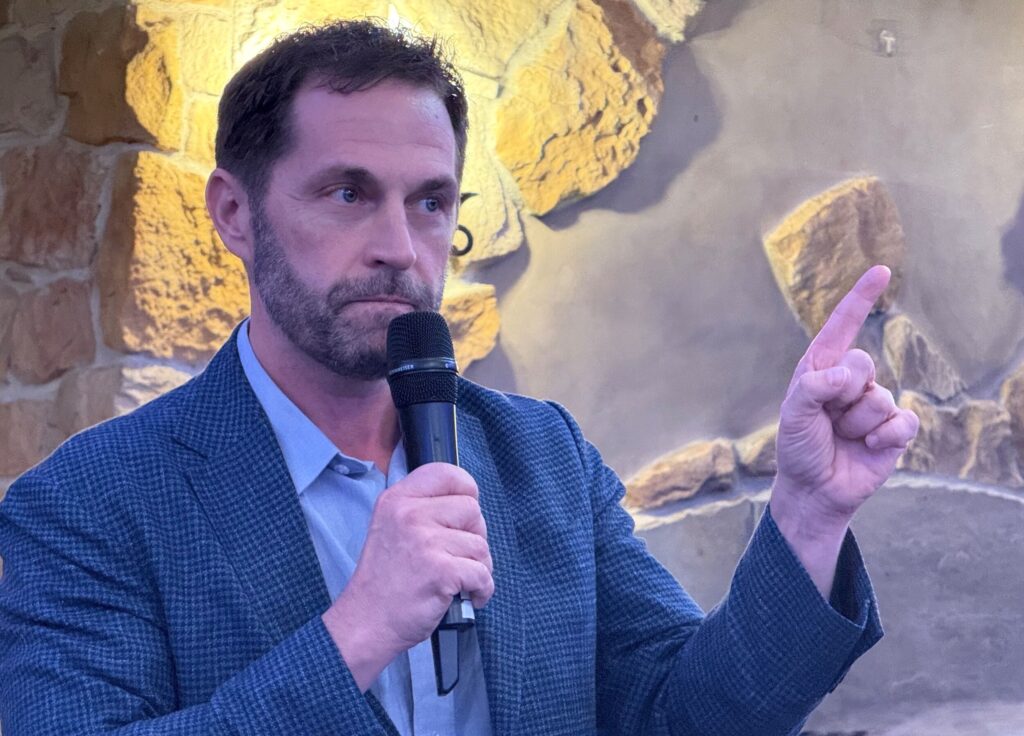
Jason Crow endorses Democrats up and down Colorado’s ballot, chips in $100K for campaign efforts
Ernest Luning
ernest.luning@coloradopolitics.com
Updated 4 hours ago
Democratic U.S. Rep. Jason Crow on Tuesday formally endorsed more than 60 Democrats running up and down Colorado’s ballot and said he’s putting $100,000 into statewide and county campaigns and organizing programs to drive turnout in the fall election. Crow,...
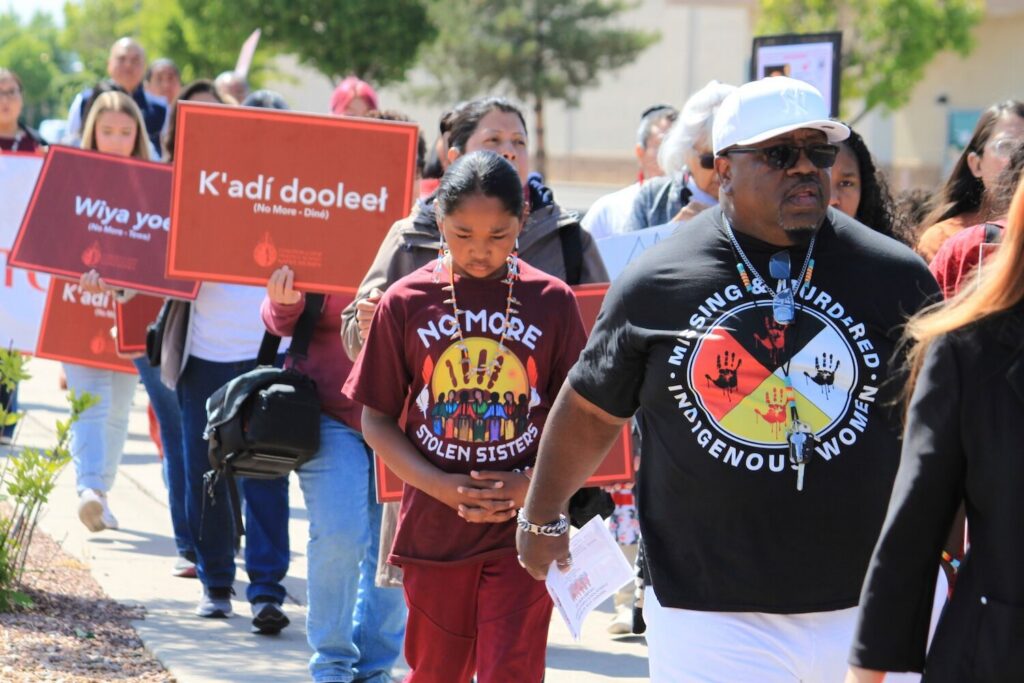
FBI sets $25,000 minimum reward for dozens of unsolved Indian Country cases | OUT WEST ROUNDUP
The Associated Press
the-associated-press@coloradopolitics.com
Updated 12 hours ago
SOUTH DAKOTA Indian Country rewards set SIOUX FALLS — The Federal Bureau of Investigation has established a minimum reward of $25,000 in cases where people went missing or were killed in Indian Country, part of a broader effort to address...
PREV
PREVIOUS

Bennet slams Iranian missile tests as foes fire at Democrat over nuclear deal
U.S. Sen. Michael Bennet on Wednesday condemned Iran for conducting test-fires of ballistic missiles the country claimed could strike Israel and urged the Obama administration and the international community to hold the Islamic Republic responsible for violating a United Nations resolution. Colorado Republicans, in turn, blasted Bennet for his support of the Iranian nuclear deal, calling his […]
Republicans kill parental leave bill; Democrats look to make Priola pay
Democratic supporters of a parental leave bill knew they were going to take a hit Tuesday in the Republican-controlled state Senate committee where bills go to die, so they made sure to get in their own political licks earlier in the day. In the afternoon State Affairs Committee hearing, the voting was over in a flash. […]