

Roberts urges restraint this session, proposes Medicaid opt-out bill
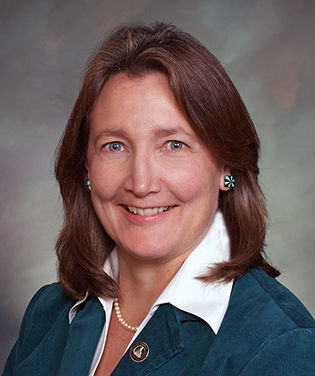
State Senate President Pro Tem Ellen Roberts, R-Durango, says she’s focused on lowering healthcare costs in the legislative session that begins next week and isn’t distracted by the possible domino effect if U.S. Rep. Scott Tipton decides to run against U.S. Sen. Michael Bennet.
Roberts, who last June officially pulled her name from the long list of possible Bennet challengers — following a whirlwind of attention after she had floated the notion — told The Colorado Statesman she’s heard Tipton won’t challenge Bennet. She added that she’s fully focused on the 2016 state legislative session and not a potential run for Tipton’s 3rd Congressional District.
“I’ve not heard any close-to-the-source indication that Scott would make that move,” Roberts said Tipton, a Cortez Republican serving his third term. “In fact, I keep hearing the reverse — that he’s not going to do it.”
Regardless, Roberts is urging her fellow state lawmakers on both sides of the aisle to focus on solving Colorado’s pressing policy problems rather than running bills aimed at making political statements during an election year.
“My concern is that election cycle 2016 is going to consume our 120 days at the Legislature, and I truly hope that we exercise some self-discipline individually, as well as our political parties, to actually get work done,” Roberts said.
But partisan rancor is already rearing its head when it comes to healthcare, with Republicans, including Roberts, making clear they’ll try to torpedo Democratic efforts to pull the state’s hospital provider fee out of the Taxpayer Bill of Rights revenue cap during budget negotiations.
And the primary legislative focus for Roberts, who chairs the Colorado Health Insurance Exchange Oversight Committee, will be running a bill to obtain a waiver under the federal Affordable Care Act to allow Coloradans seeking health insurance through the state exchange to avoid enrolling in Medicaid.
Roberts argues that the ever-expanding rolls of Medicaid recipients are increasing the costs of healthcare in her rural, eight-county district in Southwest Colorado and throughout the state because there aren’t enough providers willing to accept Medicaid patients because of low reimbursement rates.
“Colorado really needs to take the bull by the horns and come up with a better solution, and it’s sure not Sen. [Irene] Aguilar’s $25 billion solution, because that’s not going to work,” Roberts said, referring to Colorado Care, the single-payer ballot proposal spearheaded by Aguilar.
Aguilar, a Denver Democrat and internal medicine doctor, agrees with Roberts that healthcare costs need to come down in rural areas — and Medicaid reimbursement rates need to go up — but she counters that Roberts’ opt-out plan is a “non-starter” because one of the requirements of the kind of waiver Roberts is supporting is that it’s budget neutral for the federal government over the next 10 years.
Aguilar, one of only two Democrats on the Health Insurance Exchange Oversight Committee, told The Statesman there are two ways to keep healthcare costs down on Colorado’s rural Western Slope, and one of them involves a budget battle to keep the governor from cutting a nearly $150 million primary care bump that keeps Medicaid reimbursement rates close to federal Medicare rates.
Aguilar says studies show that keeping people with their primary care docs lowers costs and reduces emergency room visitation rates and hospital stays. The other way to keep costs down is to better coordinate care in rural areas for higher-cost patients with medically complex problems.
Roberts says private insurance companies have dramatically increased premiums, co-pays and deductibles in her district in order to compensate for enrollees lost to Medicaid, which she argues is simply passing the costs from the private sector to a government program.
“A lot of the policy decisions that have been made, frankly, under Democratic control, whether at the federal or state level, are driving away a lot of our working-class and middle-class Coloradans, or at least making them question whether they can stay in Colorado,” Roberts said.
Sen. Matt Jones, D-Louisville, says he assumes Roberts is acting from her experience chairing the committee — Democrats refused to speculate whether she was taking on Obamacare for political reasons — but he disagrees with her approach.
“We expanded Medicaid, which was more service than people had before, even if there weren’t doctors available,” Jones told The Statesman. “I know there’s a shortage in rural Colorado, but that’s another issue.
“There are lot more people being insured these days, and our level of uninsured is at an all-time low. The state sets the level of Medicaid reimbursement; sounds like that’s a budget problem.”
Other than calling Roberts’s bill a non-starter, Aguilar wouldn’t speculate on her motivations.
“This is my third election year in the Legislature, and I really was a politically naïve person before I came here, but my sense is that there are a certain number of bills that people put out there just to say, ‘This is what I support,’ and they know it’s not going to pass.”
After that, she says, it’s really just a matter of whether those statement bills die quietly in committee or catch fire because they’re a hot topic nationally.
“Really, the question is what kind of attitude do people come in with their bills that they know are making statements, and do they die quickly, or do they die after a lot of pain,” Aguilar said.
Photo of Roberts at Denver Metro Chamber of Commerce legislative briefing by Delia Palmisano of Blue House Photography, courtesy Denver Metro Chamber of Commerce


Colorado Politics Calendar July 27-Aug. 2
Rachael Wright, Special to Colorado Politics
rachael.wright@coloradopolitics.com
Updated 4 days ago
CoPo’s weekly political calendar will help you find political and public-policy events throughout Colorado. It includes candidate and issue campaign events, public policy meetings, court hearings, state and local party conventions, assemblies, debates, rallies, parades, speaking engagements, traveling dignitary appearances,...
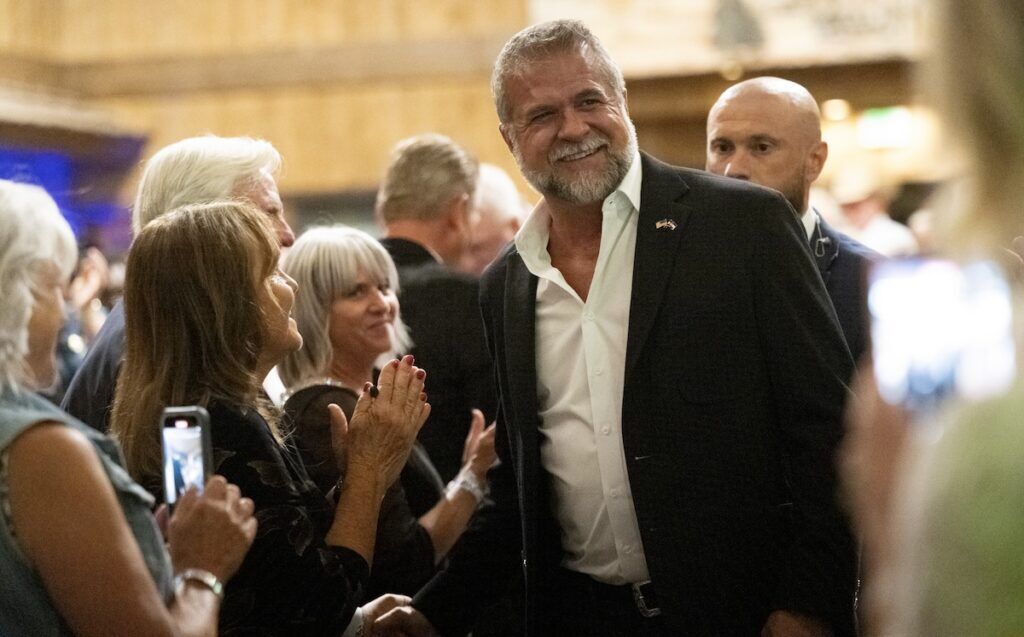
The through line from Donald Trump to Victor Marx | SONDERMANN
By Eric Sondermann
by-eric-sondermann@coloradopolitics.com
Updated 4 days ago
Over 10 years ago, before Donald Trump could ever defeat Hillary Rodham Clinton, he had to first engineer a hostile takeover of the Republican Party. Prior to his descent of that golden escalator, the previous seven Republican presidential nominees had...

Colorado districts prepare for school year amid mental health cuts. But will less cellphone distractions help?
Marissa Ventrelli
marissa.ventrelli@coloradopolitics.com
Updated 2 days ago
The signs of a new school year are everywhere — buses in the shop, teachers unpacking boxes, families ticking through supply lists — but behind the familiar rituals, Colorado districts are preparing for a year defined less by routine than...
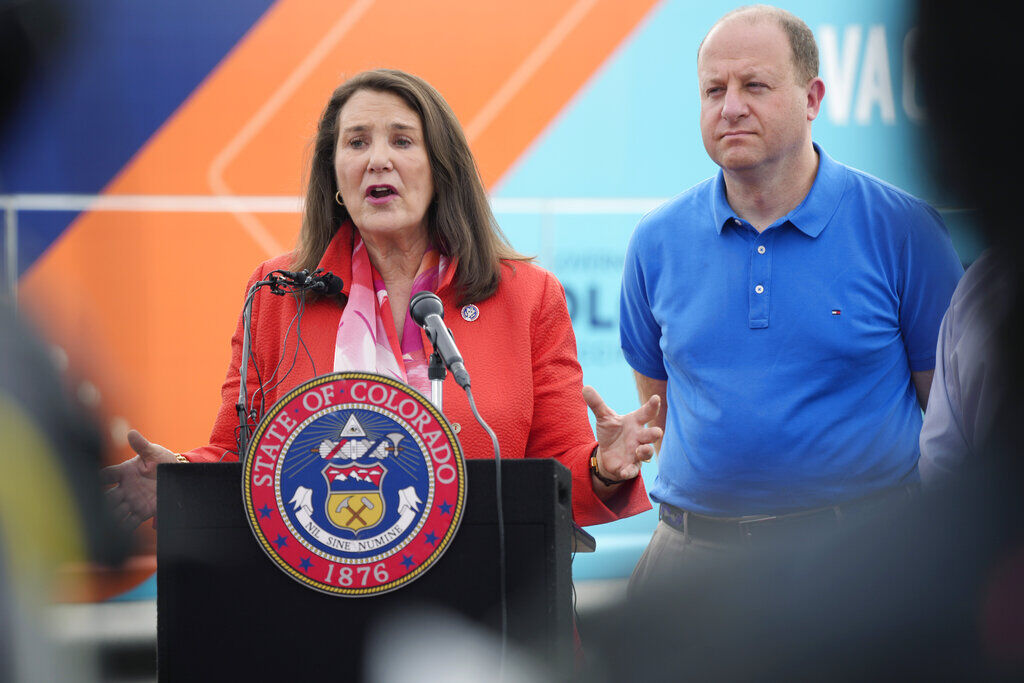
Armstrong staffer considers congressional bid, DeGette angers rural communities with wilderness act | A LOOK BACK
Rachael Wright, Special to Colorado Politics
rachael.wright@coloradopolitics.com
Updated 3 days ago
Forty-five years ago this week: If the lines were drawn just right, Republican Sen. Bill Armstrong stood the chance of losing his office manager, Ruth Fountain. Fountain admitted she was seriously thinking about running for Colorado’s new congressional seat in...
10th Circuit dismisses woman’s lawsuit following 10-year attempt to undo restraining order
Michael Karlik
michael.karlik@coloradopolitics.com
Updated 2 days ago
The Denver-based federal appeals court rejected a woman’s challenge on Friday to a restraining order imposed on her more than a decade ago, finding that she cannot credibly claim she will be prosecuted for violating the restraining order through her...
10th Circuit dismisses woman’s lawsuit following 10-year attempt to undo restraining order
Michael Karlik
michael.karlik@coloradopolitics.com
Updated 2 days ago
The Denver-based federal appeals court rejected a woman’s challenge on Friday to a restraining order imposed on her more than a decade ago, finding that she cannot credibly claim she will be prosecuted for violating the restraining order through her...
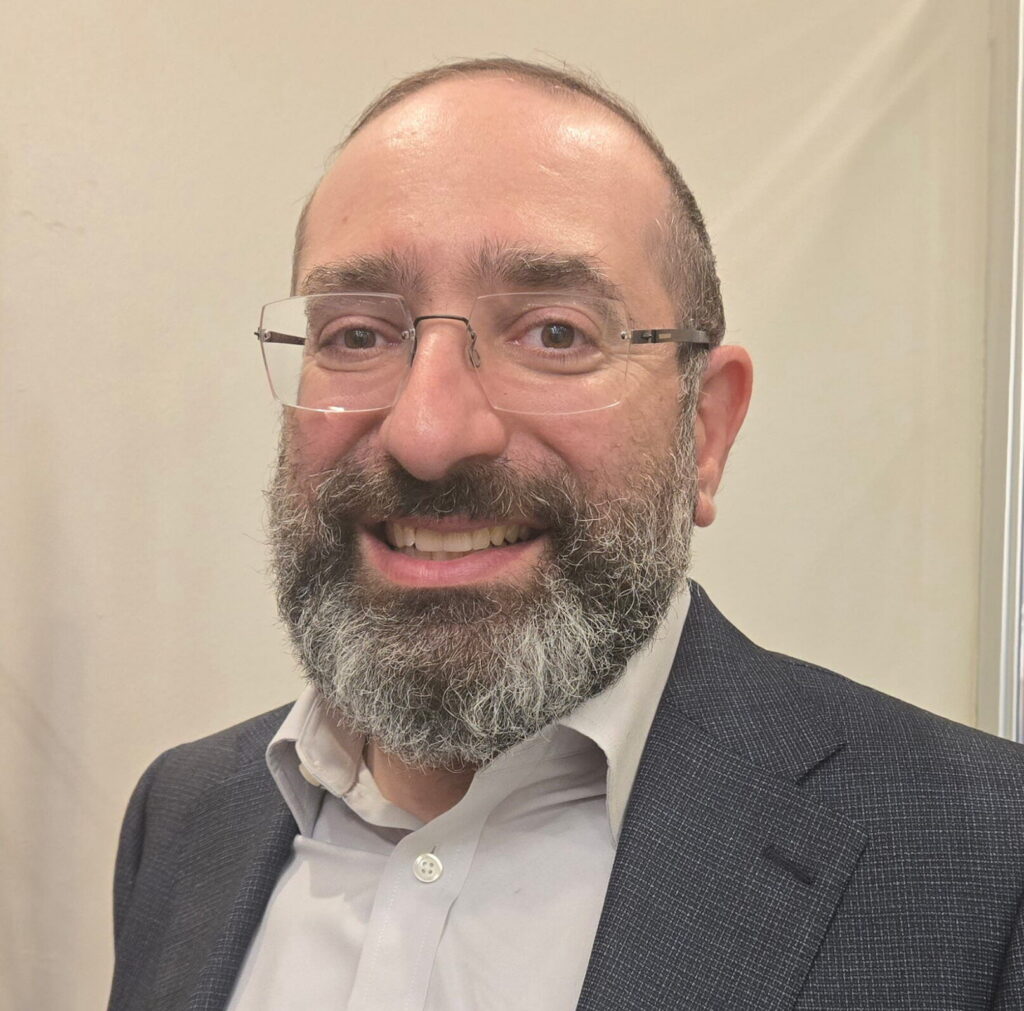
Surprise candidate Shimon Blau cleared to face off against Melat Kiros in November
Ernest Luning
ernest.luning@coloradopolitics.com
Updated 2 days ago
Unaffiliated congressional candidate Shimon Blau, a Denver doctor, has qualified by petition for the general election in Colorado’s 1st District, where Democrat Melat Kiros defeated 15-term U.S. Rep. Diana DeGette in last month’s primary, the Colorado Secretary of State’s Office...

Colorado produce not tied to nationwide cyclospora outbreak, agriculture officials say
Marissa Ventrelli
marissa.ventrelli@coloradopolitics.com
Updated 23 hours ago
There is no indication that the recent outbreak of cyclospora, a fecal parasite that has contaminated food and water across nearly every state, can be linked to produce grown in Colorado, according to the state’s Department of Agriculture. “Colorado growers...

UNC opens College of Osteopathic Medicine
Marissa Ventrelli
marissa.ventrelli@coloradopolitics.com
Updated 2 days ago
The University of Northern Colorado held a grand opening for its new College of Osteopathic Medicine on Friday, with Gov. Jared Polis in attendance to celebrate the culmination of a two-year, $127.5 million project. The project was funded through legislation...
Colorado equal pay law does not require plaintiffs to allege gender-based retaliation, appeals court finds
Michael Karlik
michael.karlik@coloradopolitics.com
Updated 18 hours ago
The 2019 Colorado law aimed at rooting out pay discrimination on the basis of sex does not require a plaintiff to allege their employer retaliated against them for sex- or gender-related reasons, the state’s second-highest court decided on Thursday. Lawmakers...
PREV
PREVIOUS

Yesteryear: Carroll hails federal scrutiny of Federal Power Commission
Fifty-five Years Ago this week in The Colorado Statesman … Democratic U.S. Sen. John A. Carroll hailed the decision by the White House’s overseer of regulatory agencies to give top priority to reforming the Federal Power Commission. The panel had been coming under heavy fire in Colorado for its inaction regulating natural gas rates. John […]

Neville launches U.S. Senate bid
LITTLETON — Vowing that he won’t be running a “status-quo” campaign, state Sen. Tim Neville, R-Littleton, formally kicked off his run for the U.S. Senate seat held by Democrat Michael Bennet on Tuesday night before a crowd of more than 100 cheering supporters at his campaign headquarters. “One U.S. senator can do a lot […]