

No one knew finances better than Pueblo’s Bob Kirscht
“It was so much fun then,” Bob Kirscht says in reference to his 16 years in the Colorado House of Representatives, from 1971-1986. Bob was one of the finest legislators of his generation and someone who was highly respected by both parties. He was both the majority and minority leader when I served with him and, after he switched to the Republican Party in 1980, he became chairman of the Joint Budget Committee. No one knew more about financial issues, especially property taxes and school finance than Bob. And no one fought harder for his district than Bob did for Pueblo. Whether it was the state hospital or the college (later the University of Southern Colorado, due to his efforts) Bob was always there not just to plead Pueblo’s case but to provide us with facts and figures in justification.
Right after the 1972 election, Bob and Ruben Valdez took me to lunch and showed me “the ropes.” I’ll never forget this, because I knew nothing about the legislative process and had only been in the Capitol once before my election. Little did I know then that Bob had never been in the Capitol before his election, either, and had to have his father show him where it was after his first election two years earlier.
At the time I didn’t know that Bob had actually started his political career as a Republican and had been involved in Barry Goldwater’s campaign in 1964. Recognizing how few Republicans there were in Pueblo, he re-registered as a Democrat in 1968 (just as any rational Republican would have done in Adams County, where I lived) and later ran in a primary against the wife of Wally Stealey, his political science professor at Southern Colorado State College.
Back then, the rules were far less open than today, and Bob’s first bill was killed while he was on the floor. He hadn’t even been told that it would be up for discussion.
Bob has later stated — in a wonderful interview with Lee Bahrych, coordinator of the Colorado Legislative Oral History Library — that his bill changing Southern Colorado State College to the University of Southern Colorado and shifting its affiliation from the state colleges system to the Board of Agriculture was one of his most important achievements. This took place when the Democrats were briefly in the majority.
Bob’s bill passed the Education Committee early in the 1975 session and then sat for weeks in House Appropriations, where I hoped it would die quietly. In retrospect, I understand the importance of what he was trying to accomplish, but at the time I thought it was a bad idea and planned on letting the bill die quietly in my committee. For weeks, Bob never mentioned it to me, so I assumed that he wasn’t especially serious about it. Suddenly, one morning, however, Bob came rushing over as we were about to adjourn for lunch. “You have to call a meeting of the House Appropriations committee. Vince is on his death bed.” (Sen. Vince Massari, also from Pueblo, had sponsored a similar bill many times.) “If we could just get the bill out of the House, it would mean so much to him. This was his dream, making the college a university.”
Big deal, I thought. We’ll vote the bill out of the Appropriations Committee, it’ll then pass the House but the Senate will surely kill it. Instead, the bill shot through the process and suddenly we had a new university.
A few weeks later I wondered why there hadn’t been news of Vince’s death. “What happened? I thought he was dying.” I asked Bob. He gave me that sly look. Vince eventually died a year and a half later.
He also taught me a lot about Pueblo, a community that was always full of surprises, some of them unpleasant. For example, one Friday he asked, “So you’re going to Pueblo to play in a hockey tournament this weekend?”
“Yes, we’re playing a new team called the Pueblo Peps. They say they’re just beginners, so it won’t be much of a challenge,” I answered.
“Really?” Bob and state Rep. Leo Lucero, also from Pueblo, looked at each other with those sly smiles. Later, driving to Pueblo with my wife, Julie and several of my teammates, I began to wonder what they were trying to tell me.
To make a long story short, our team lost that first game 18-1. The Pueblo Peps were semi pros.
Another story Bob related occurred that grim night in 1976 when we lost our majority in the House. As Democrats had gathered in Speaker Ruben Valdez’s office to mourn the loss, Ruben asked Sergeant at Arms Bill Purcell to go get some beer. “Go get your own beer,” Purcell answered. “You are no longer speaker.”
One theme that has come through repeatedly in my recent conversations with Bob is his deep respect for the people he served with. He calls Sen. Regis Groff one of his heroes, and the best orator ever. (He also mentions that Governor Dick Lamm’s dog Travis once peed on Regis’ leg.) He commends many who have passed on, like JBC members Joe Shoemaker and Jean Marks, Speaker Bev Bledsoe (with whom Bob collaborated on major property tax issues), Senate Majority Leader Dick Plock and others, like Jim Robb, John Hamlin, Walt Waldow, Betty Ann Dittemore, Rich Castro, Dave Wattenburg and John Vanderhoof, who served briefly as governor. Bob was also close to Lyle Kyle, who served as director of the Colorado Legislative Council for many years. “I called him ‘Cold Water,’ because he threw cold water on so many of my ideas,” Bob says.
What would he most want to change about today’s system? “From time to time, legislators need to be reminded that they probably shouldn’t take themselves so seriously, that there’s a time for humor, and to be thoughtful about one answer.”
Well said, Bob, and thanks for your service.
Morgan Smith served in the Colorado House from 1973-1978 and was later commissioner of Agriculture. He can be reached at Morgan-smith@comcast.net

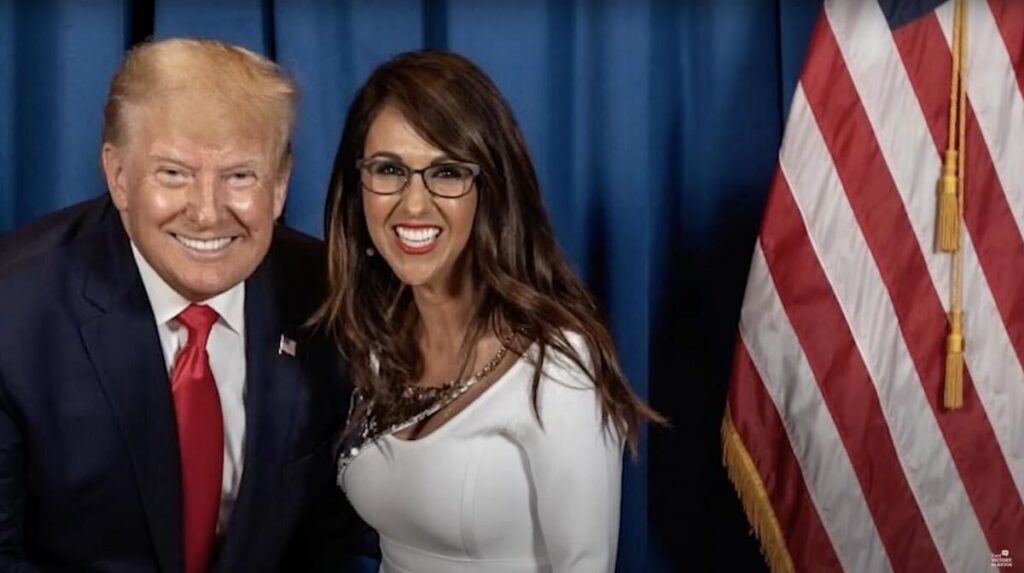
The primary political reform and precondition for all others | SONDERMANN
Eric Sondermann
eric-sondermann@coloradopolitics.com
Updated 3 days ago
In its current state, the American political system has no end of ailments. Far too many factors accelerate polarization and work against moderation and narrowing the differences. Media, and the way so many citizens limit themselves to agreeable, reinforcing sources,...
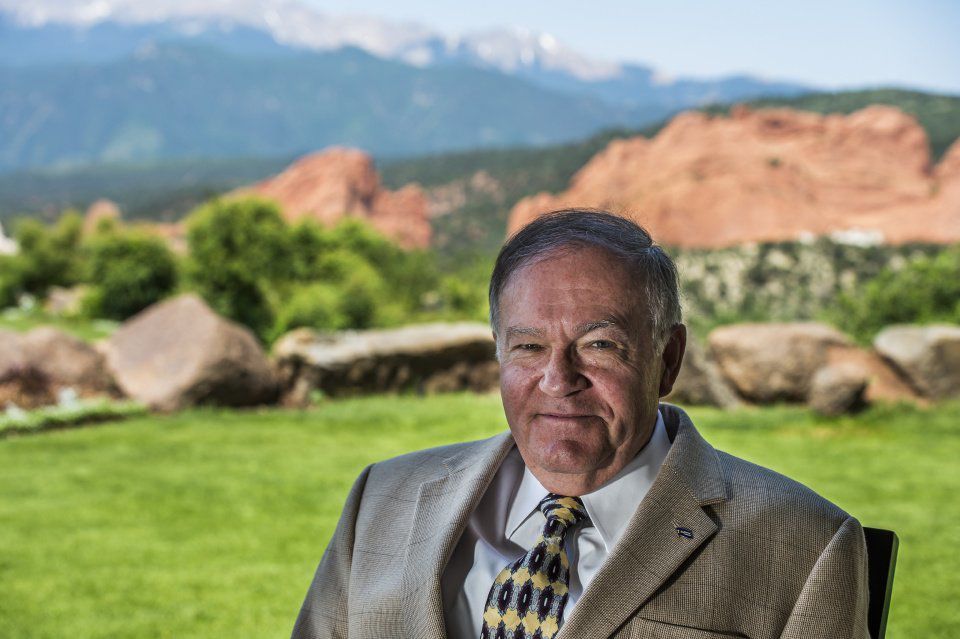
Susemihl wins surprise victory to replace Steve Durham as Colorado Springs state senator | A LOOK BACK
Rachael Wright, Special to Colorado Politics
rachael.wright@coloradopolitics.com
Updated 3 days ago
Forty-five years ago this week: In a closed session, the vacancy committee for Colorado’s Senate District 12 selected attorney Peter Susemihl to complete Sen. Steve Durham’s, R-Colorado Springs, term. Durham resigned his seat to become Region 8 Director of the...

10th Circuit partially revives lawsuit over 2020 Denver protest injuries
Michael Karlik
michael.karlik@coloradopolitics.com
Updated 13 hours ago
The Colorado-based federal appeals court revived a man’s claims against Denver on Friday after concluding a trial judge resolved the case in the city’s favor without analyzing two of the three instances of alleged excessive force and other constitutional violations....
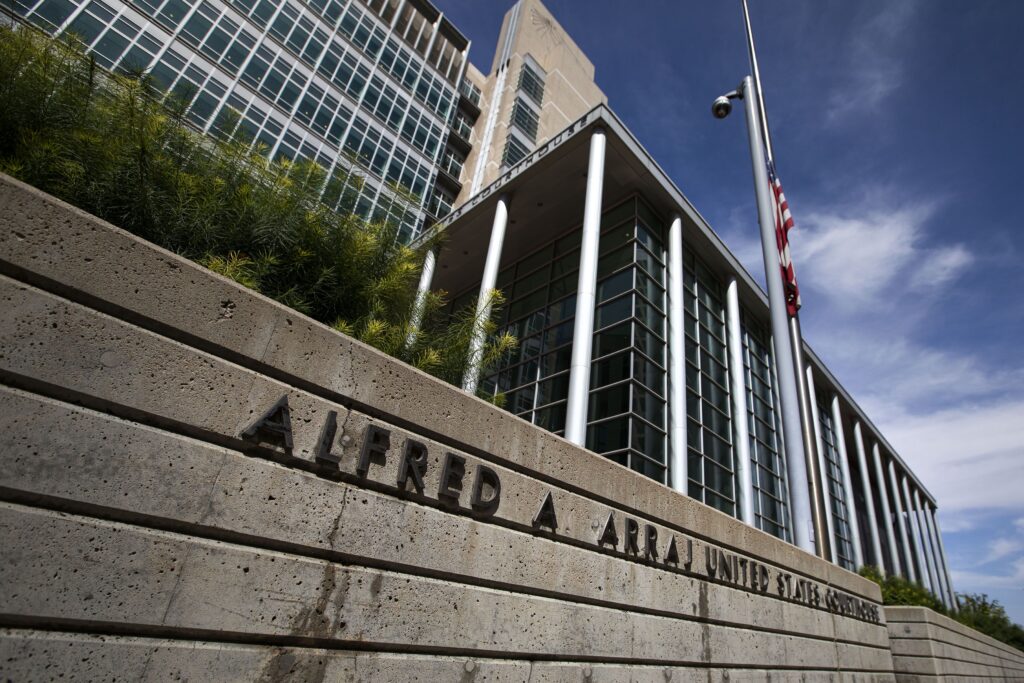
Federal judges find Colorado immigration judge violated several orders
Michael Karlik
michael.karlik@coloradopolitics.com
Updated 14 hours ago
Multiple federal judges in Colorado have freed people from immigration custody after determining that one immigration judge violated their directives for properly conducting bond hearings. For nearly a year, Colorado’s U.S. District Court has faced a flood of “habeas corpus” petitions...
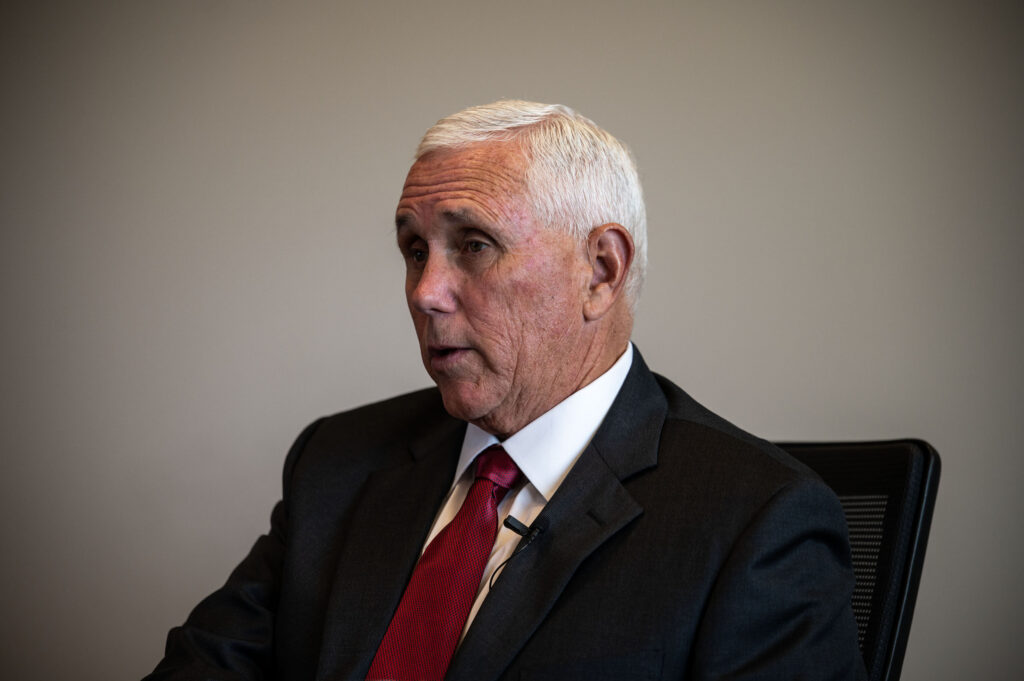
Q&A with Mike Pence | Former vice president says GOP’s populist turn from conservatism isn’t permanent
Ernest Luning
ernest.luning@coloradopolitics.com
Updated 14 hours ago
Former Vice President Mike Pence says he’s concerned that the Republican Party has taken a populist turn away from bedrock conservative principles during President Donald Trump’s second term, but he believes the party will return to its roots when Trump...
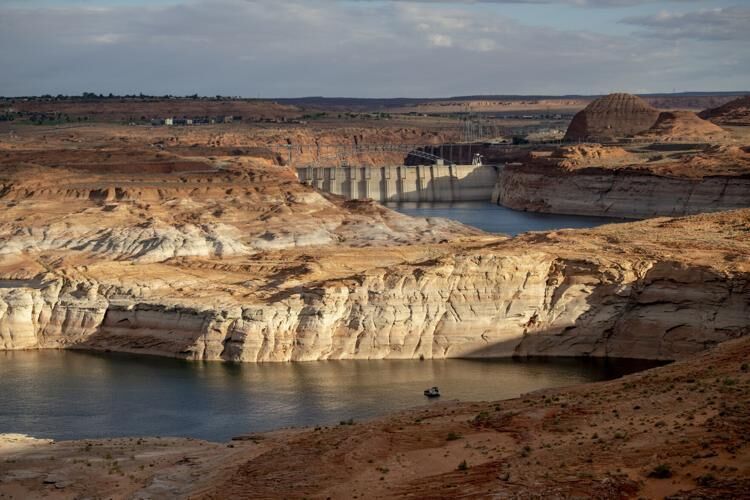
New federal plan sets short-term rules for Colorado River management
Marianne Goodland
marianne.goodland@coloradopolitics.com
Updated 13 hours ago
Interior Department’s plan spares Colorado from mandatory cuts for now After years of stalled negotiations among the seven states that rely on the Colorado River, the federal government on Friday released its own plan for managing the drought-strained system. Calling...
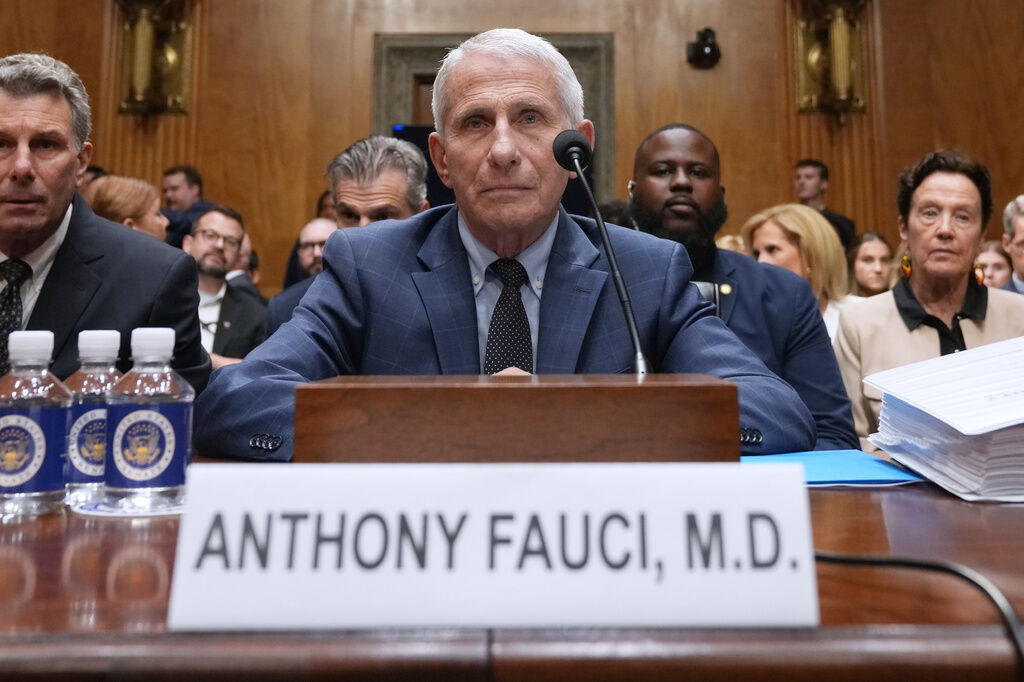
Fauci’s diary details blooming outrage toward ‘far right,’ softness toward Biden and China
Hudson Crozier
hudson.crozier@washingtonexaminer.com
Updated 18 hours ago
Dr. Anthony Fauci increasingly railed against “far right” critics of his approach to COVID-19 issues while describing strong support from the Biden White House in his pandemic-era diary, which was recently released by Congress. The former National Institute of Allergy...
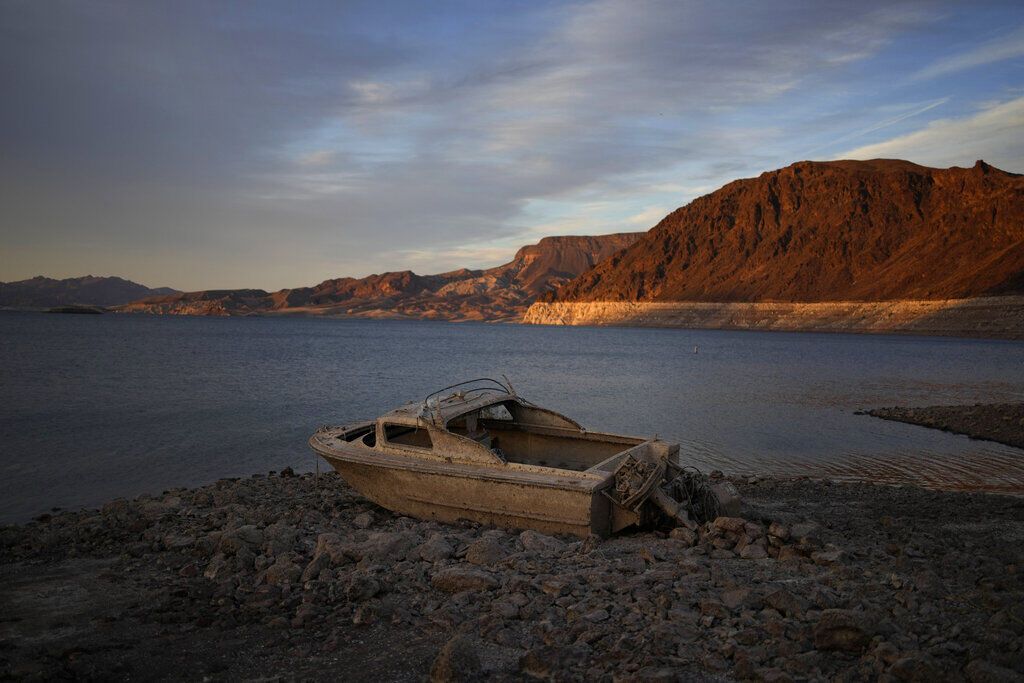
Colorado is spared mandatory cuts under federal Colorado River proposal
The Associated Press
the-associated-press@coloradopolitics.com
Updated 19 hours ago
California, Arizona and Nevada to take less water under plan While Colorado has been spared from mandatory reductions, Arizona, California and Nevada would take less water from the Colorado River under a proposal announced Friday by the federal government to...
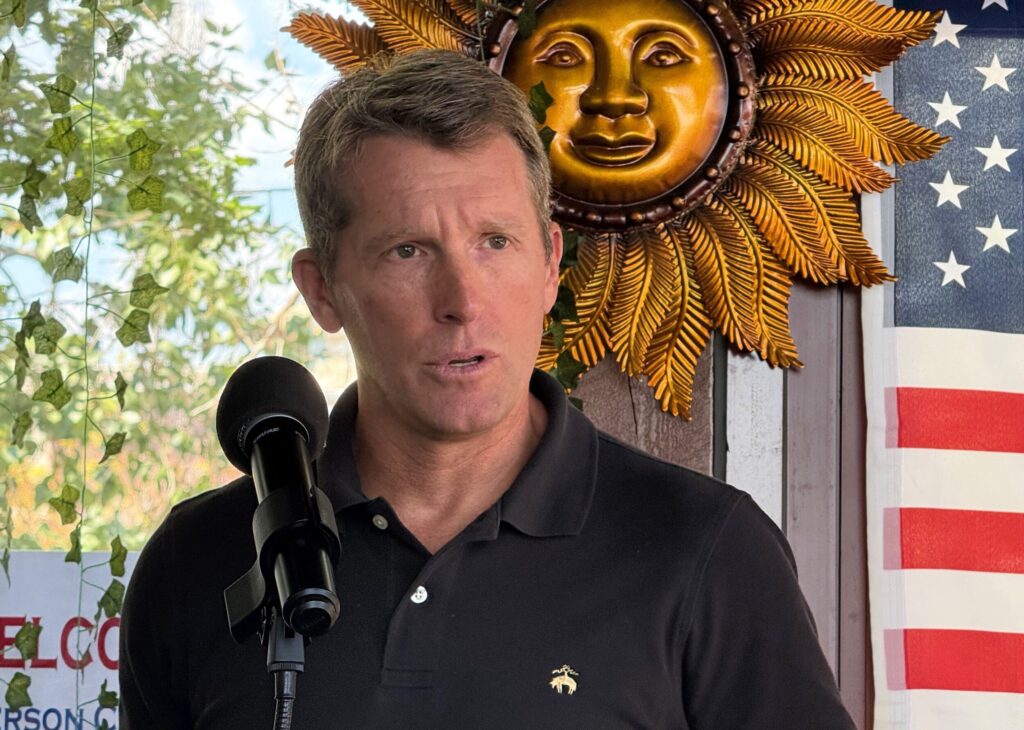
Republican Victor Marx taps George Markert as his lieutenant governor pick in Colorado’s gubernatorial race
Ernest Luning
ernest.luning@coloradopolitics.com
Updated 12 hours ago
Colorado Republican gubernatorial nominee Victor Marx named George Markert, a retired Marine colonel, as his running mate for lieutenant governor Friday morning, saying the former U.S. Senate candidate will bring “exceptional character, proven leadership and a lifetime of serving others”...

Misconduct complaints from ex-Colorado judicial discipline director dismissed against federal judges
Michael Karlik
michael.karlik@coloradopolitics.com
Updated 1 day ago
The administrative body for the Denver-based federal appeals court upheld a finding last week that misconduct complaints against Colorado’s chief federal trial judge and the chief appeals judge warranted dismissal and appeared to be a “litigation tactic” by the complaining...