

Blue-collar support trends highlighted GOP gains among rank‑and‑file workers | A LOOK BACK
Forty-five years ago this week: Kathy Oatis of the Colorado AFL-CIO’s Committee on Political Education said that organized labor had a negative image with the American voter.
“I don’t think the country is against us,” said Oatis. “I think the leaders of the country are, and they don’t support the things that we have traditionally supported throughout the years.”
Recently, the AFL-CIO had supported the Denver Firefighters, Local 858, during their election campaign for a 48-hour workweek and higher wages. Labor came out so strongly for Denver Firefighters that they spent nearly $80,000 on the campaign, while the city of Denver campaigned with considerably less.
It was officials across U.S. cities and states who cut funding to social programs, and “they’re trying to put something in Congress where parochial schools and private schools would be funded. We’ve always supported public education.”
Oatis also said that historically organized labor had supported the Democratic Party but President Reagan had been able to pull surprisingly high numbers from blue-collar workers.
“We’ve realized that we’ve got to make changes,” Oatis said. “When they say the mood of the country, they’re saying what they want people to perceive. And if they continually harp on that all the time, that’s what people perceive. That’s the mood, and that’s how they feel.”
According to Oatis, the Democratic Party needed to go through vital changes in leadership and re-evaluate their stance on key issues, “because they [Republicans] just really creamed us at a national level. Democrats must become positive about what they stand for and not try to be defensive about the past.
Republican Natalie Meyer disagreed and said that Reagan and other Republicans were able to gain the support of large portions of blue-collar workers because they were able to show that Democratic ideas not only didn’t work, but had been historically harmful.
“Republicans at all levels will continue to make their appeal to the rank and file of organized labor,” Meyer said.
However, Democrat Doug Wayland laughed off Meyer’s prediction that labor was leeching away to the Republican Party.
“The Democratic Party isn’t losing its grip on organized labor at the state level,” Wayland said. “And that line about winning the rank and file — that reminds me of what the Nixon Republicans said about the people of Vietnam, ‘we’re winning their hearts’ then came the Tet Offensive and they found out how much they had won. Anyone allied with labor will return to the Democratic fold, if they have strayed at all.”
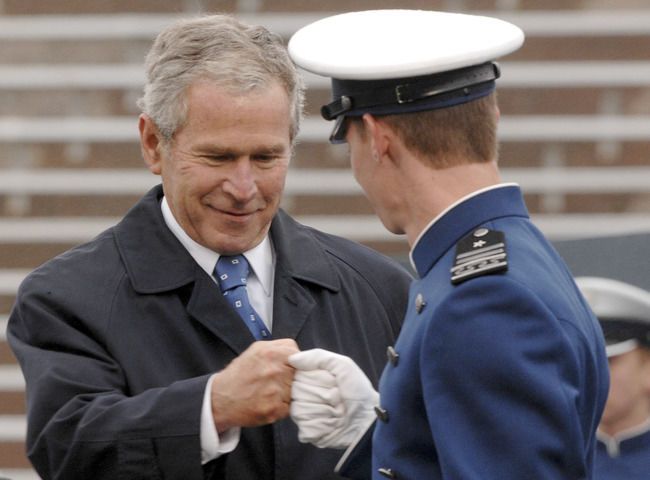
Twenty-five years ago: President George W. Bush stopped in Colorado as a part of his “Heartland” tour.
Bush began the visit with a stop at Rocky Mountain National Park, where he helped clear trails and then had a BBQ lunch at a YMCA facility with 300 young campers. Bush then traveled down to Denver to attend a fundraiser to bolster the campaign coffers of U.S. Sen. Wayne Allard and Gov. Bill Owens, both of whom were up for reelection.
Republican officials said that the President’s presence in the state confirmed Colorado’s importance as a key player in the 2002 election.
“There’s no finer governor in the United States than Bill Owens — and Jeb Bush isn’t all bad,” Bush said, to peals of laughter from the 1400 guests at the $1,000-a-plate dinner at the Denver Adam’s Mark Hotel.
The dinner reportedly raised $1.5 million for Owen’s campaign, while the proceeds from the $25,000-per-person reception beforehand went to Allard.
Rachael Wright is the author of several novels, including The Twins of Strathnaver, with degrees in political science and History from Colorado Mesa University and is a contributing columnist to Colorado Politics, the Colorado Springs Gazette, and The Denver Gazette.

Colorado Politics Calendar Sept. 7-13
Rachael Wright, Special to Colorado Politics
rachael.wright@coloradopolitics.com
Updated 3 days ago
CoPo’s weekly political calendar will help you find political and public-policy events throughout Colorado. It includes candidate and issue campaign events, public policy meetings, court hearings, state and local party conventions, assemblies, debates, rallies, parades, speaking engagements, traveling dignitary appearances,...
The dissonance of an American Jew thinking about Israel | SONDERMANN
Eric Sondermann
eric-sondermann@coloradopolitics.com
Updated 2 days ago
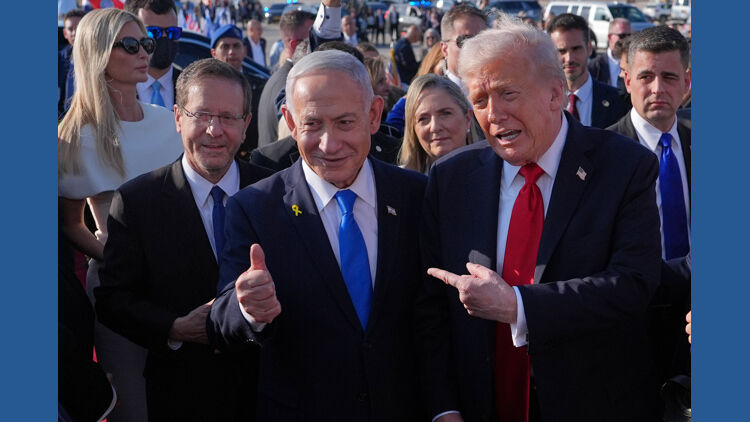
The Jewish High Holidays will soon be upon us. The third anniversary of Oct. 7 will then quickly follow. Three weeks later, Israeli voters will head to the polls to elect all 120 members of its parliament, the Knesset and...
Parenting from prison: Inmates hope to be present in their children’s lives, while physically absent
Marianne Goodland
marianne.goodland@coloradopolitics.com
Updated 1 day ago
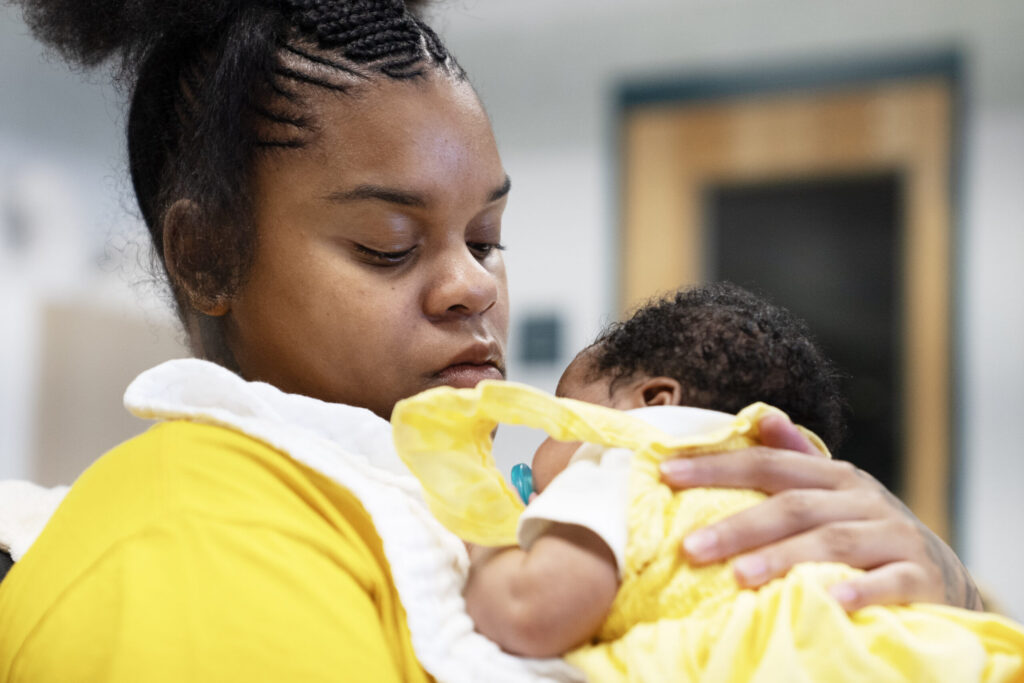
The room was decorated with balloons, the tables sparking bright with colors as the smell of pizza and cake wafted through the air. As did music. This was, after all, a father-daughter dance. Except this was not a typical father-daughter...
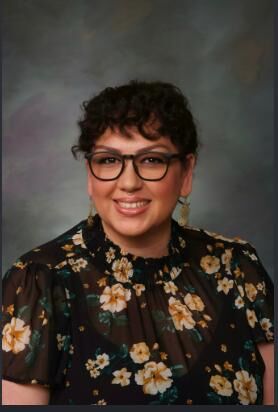
Colorado House ethics committee issues ‘stern letter’ to Democrat over caucus funds mismanagement
Marianne Goodland
marianne.goodland@coloradopolitics.com
Updated 12 hours ago
The Colorado House ethics committee on Friday voted unanimously to issue a “stern letter” to Rep. Mandy Lindsay, D-Aurora, regarding her mismanagement of House Democratic caucus funds. The committee further voted to request that Lindsay resign as Democratic Caucus co-chair...
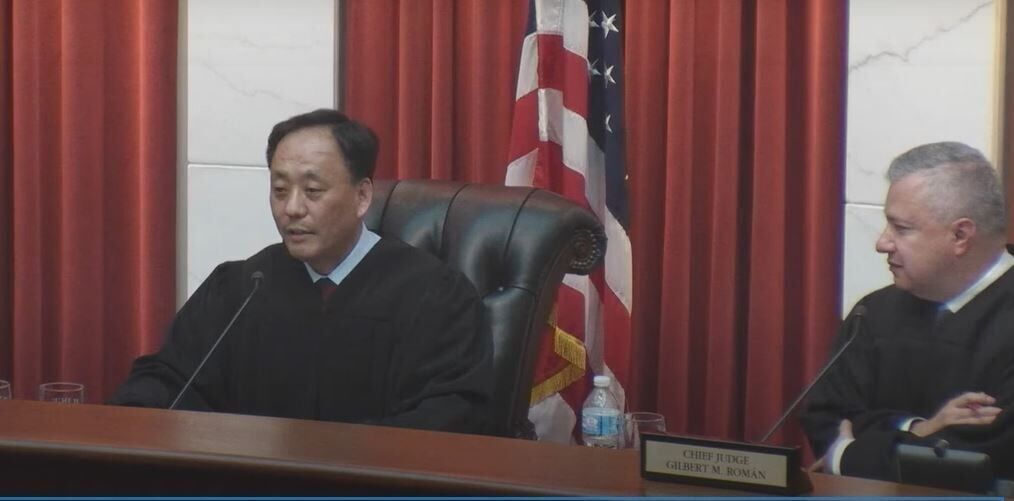
Appeals court confirms Colorado judges can compel electronic records from out of state
Michael Karlik
michael.karlik@coloradopolitics.com
Updated 14 hours ago
Colorado’s second-highest court clarified on Thursday that judges are empowered to compel out-of-state companies to produce electronic records under state law. El Paso County jurors convicted Mischa Jargowsky on three counts of money laundering and one violation of Colorado’s organized...
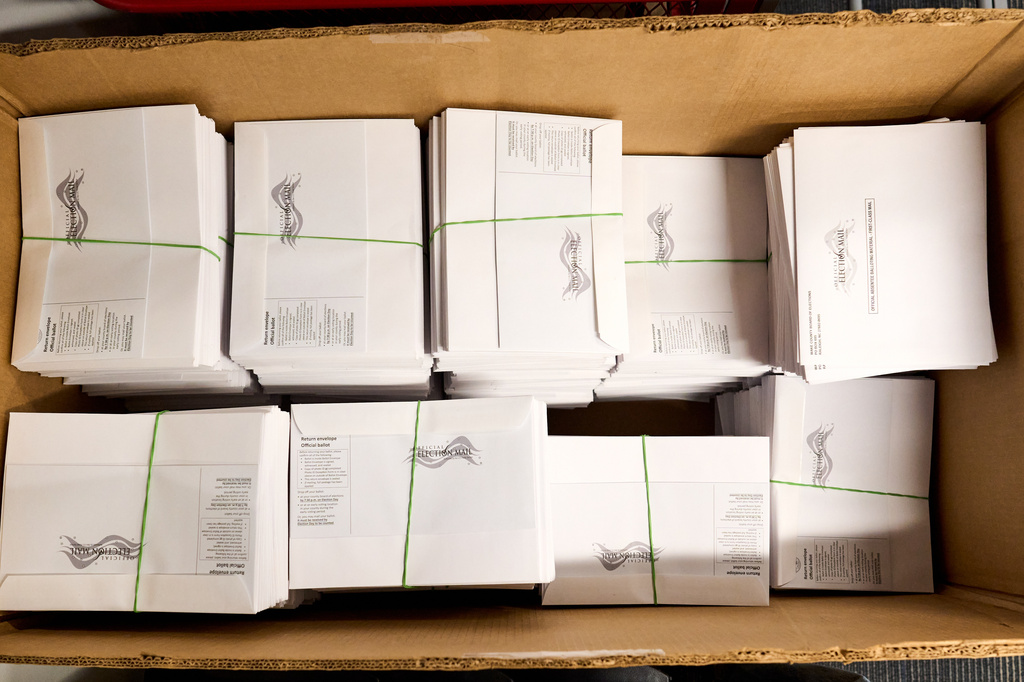
Federal judge extends block on Trump executive order seeking to limit mail voting in the midterms
The Associated Press
the-associated-press@coloradopolitics.com
Updated 14 hours ago
A federal judge on Friday extended her prohibition against the U.S. Postal Service implementing President Donald Trump’s executive order seeking to limit mail voting during the midterms, putting another major obstacle in the way of the administration as the first...
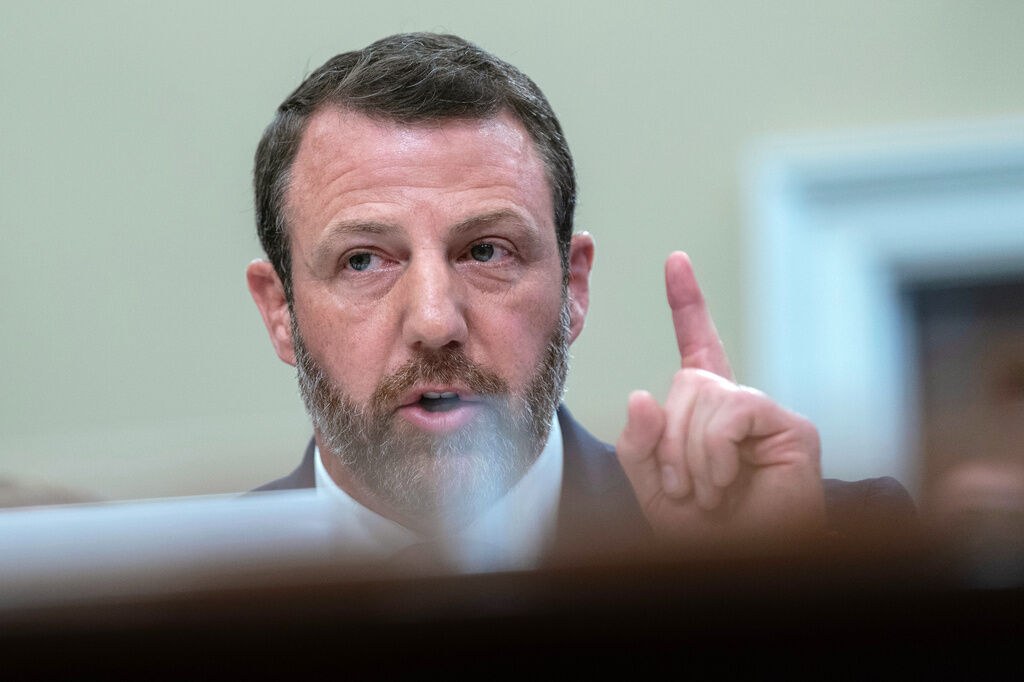
Mullin asks DOJ to review voter data sharing tied to Zuckerberg-funded nonprofit group
Kaelan Deese
kaelan-deese@coloradopolitics.com
Updated 14 hours ago
Homeland Security Secretary Markwayne Mullin asked the Justice Department this week to review whether election-related nonprofit groups, some with multimillion-dollar backing from a Mark Zuckerberg-linked nonprofit, improperly received sensitive state motor vehicle and voter-registration data. In a letter sent Wednesday...
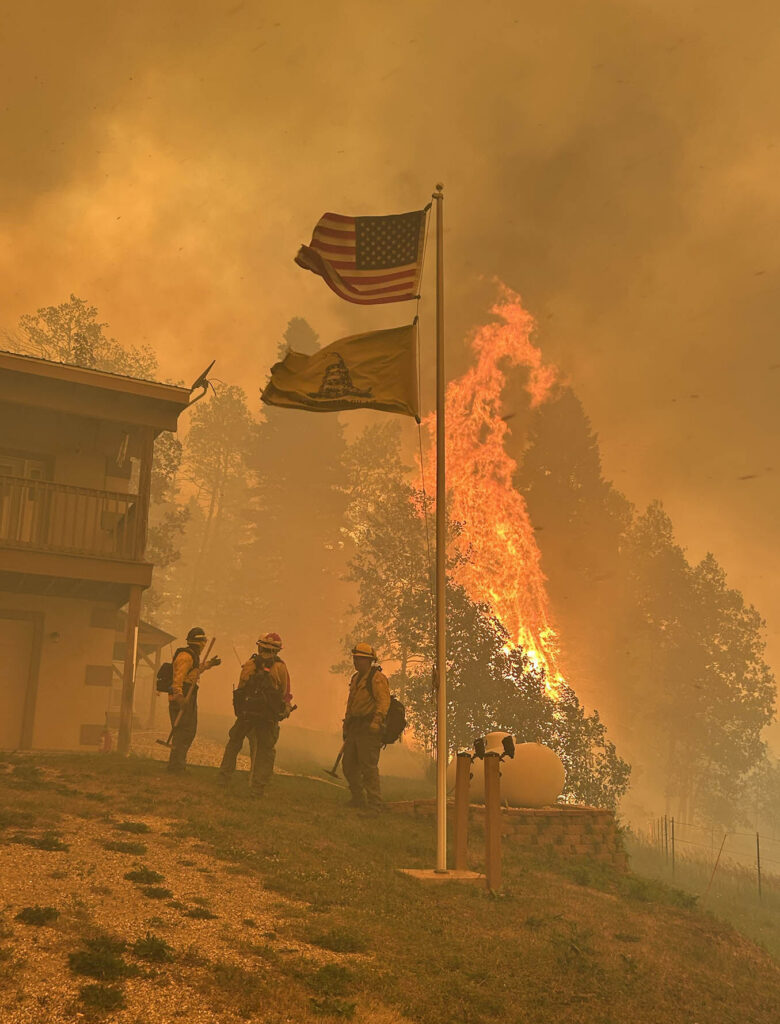
Colorado secures FEMA support for wildfire, flooding and mudslide recovery
Marissa Ventrelli
marissa.ventrelli@coloradopolitics.com
Updated 10 hours ago
Federal authorities on Friday approved Colorado’s request for federal public assistance to help communities devastated by the Aspen Acres and Gold Mountain Fires. The Federal Emergency Management Agency did not announce how much the state would receive but confirmed that...
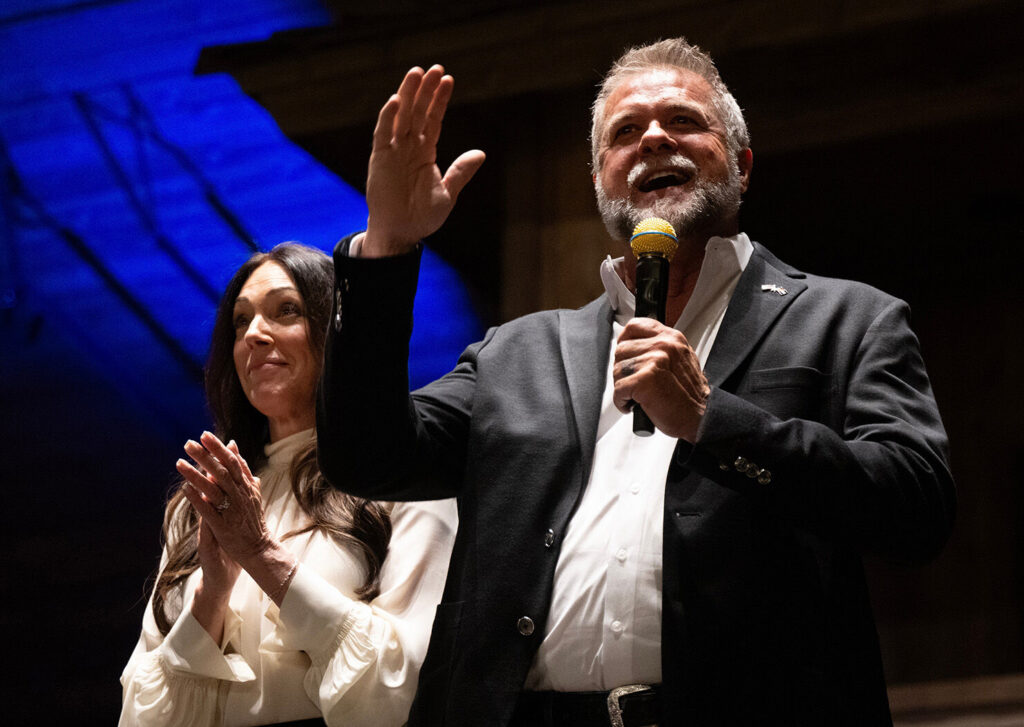
State seeks $50K penalty against GOP candidate Victor Marx over alleged campaign finance violations
Deborah Grigsby
deborah.smith@denvergazette.com
Updated 6 hours ago
Republican gubernatorial candidate Victor Marx is looking at more than $50,000 in fines in what the Elections Division of the Office of the Secretary of State calls “unprecedented” campaign finance violations. The state has not imposed that fine yet, and...
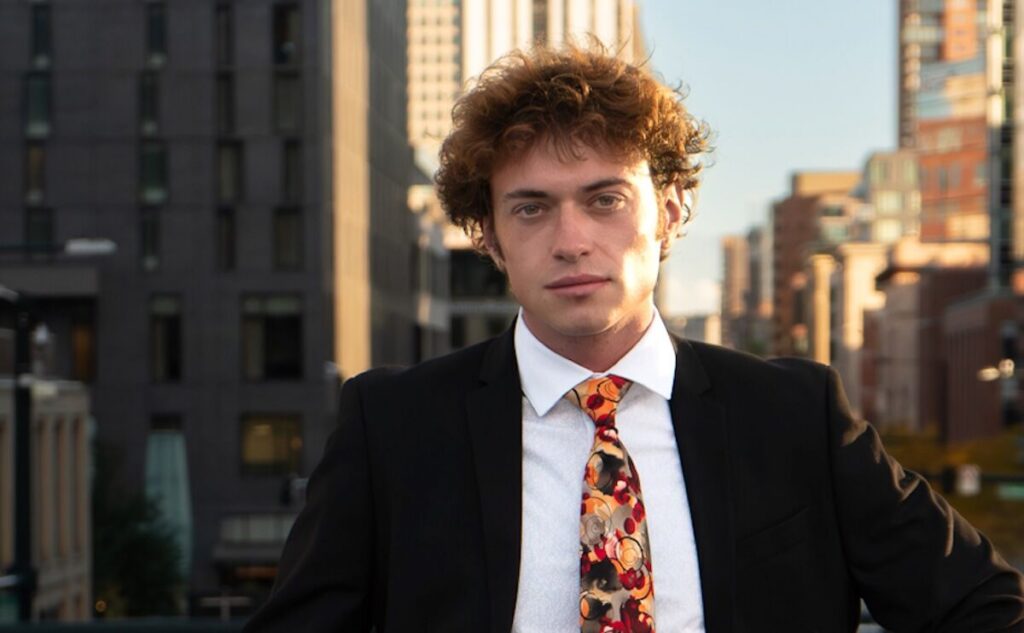
Judge puts Colorado Libertarians’ secretary of state candidate on ballot after party’s 1st nominee drops out
Ernest Luning
ernest.luning@coloradopolitics.com
Updated 10 hours ago
A Denver judge ruled Friday that the Colorado Libertarian Party’s pick for secretary of state will appear on the November ballot after the party’s original nominee withdrew one day after the deadline to replace minor party candidates. Following a hearing...
PREV
PREVIOUS

Colorado Politics Calendar Sept. 7-13
CoPo’s weekly political calendar will help you find political and public-policy events throughout Colorado. It includes candidate and issue campaign events, public policy meetings, court hearings, state and local party conventions, assemblies, debates, rallies, parades, speaking engagements, traveling dignitary appearances, water meetings, book signings, county commission hearings, city council meetings and more. As a subscriber, […]

The dissonance of an American Jew thinking about Israel | SONDERMANN
The Jewish High Holidays will soon be upon us. The third anniversary of Oct. 7 will then quickly follow. Three weeks later, Israeli voters will head to the polls to elect all 120 members of its parliament, the Knesset and thereby their next prime minister. It has been a couple of years since I’ve addressed […]