

Parker council reviews proposal for drones, license plate readers

Parker Town Council on Monday received an overview of a proposed public safety technology package that would add drone first responder capabilities and new automatic license plate reader cameras for the Parker Police Department.
No formal vote was taken during the Monday study session, and police officials emphasized that no purchase decision has been made.
The proposal comes after Douglas County commissioners approved a similar public safety technology initiative in July that includes drones, license plate readers and a real-time information center.
The package under consideration includes a Drone as First Responder program using Skydio drones and Axon automated license plate reader cameras.
According to town documents, the technology is being evaluated as a way to improve response times, increase officer safety and help address staffing challenges facing law enforcement agencies.
The proposal would add about $175,000 annually to the police department’s existing Axon contract, which currently totals roughly $530,000 per year.
Commander Jake Schuster of the Parker Police Department said the technologies could serve as a force multiplier by providing officers with more information before they arrive at a scene and helping investigators solve crimes more efficiently.
“Public safety is confronting a growing crisis with a smaller workforce, more risks to officers and decaying public trust,” Schuster told council members. “We believe this technology could help us to enhance our response times and provide for the citizens of Parker.”
Under the proposed drone program, drones would be launched in response to calls for service and provide live video feeds to officers and dispatchers before police arrive.
Police officials said the drones would not be used for routine neighborhood patrols and would only be deployed in response to specific incidents.
Police presented results from a weeklong pilot program conducted in June. According to the department, drones completed 112 missions during the trial, arrived before officers on approximately 22% of calls and helped resolve 4.5% of incidents without requiring a patrol response.
Officials said officers reported the drones were useful in roughly 90% of deployments.
The department is recommending an initial deployment of one drone “hive” consisting of three docked drones.
The proposal also calls for the installation of 10 additional automated license plate reader cameras. The system would complement Parker’s existing network of Flock license plate reader cameras.
Officials said policies governing drone deployment, data retention, transparency and accountability would be developed before any implementation.
A significant portion of the discussion focused on privacy concerns.
Council members questioned how data would be stored, who would have access to it and what safeguards would prevent misuse.
Axon representatives said Parker would retain ownership of all collected data and that information sharing with other agencies would require specific agreements rather than automatic participation in a national network.
Officials emphasized that the proposed system would not be able to identify individuals automatically, though it could track a person once selected by an operator.
Police officials recommended a phased approach that would begin with one drone hive, 10 additional license plate reader cameras and the supporting software platforms before considering future expansion.
The study session concluded without council direction or a vote.


Colorado to get $615M from Meta child safety settlement
Thelma Grimes
thelma.grimes@coloradopolitics.com
Updated 3 hours ago
The parent company of Facebook and Instagram will pay hundreds of millions of dollars to Colorado, part of an $18 billion multistate deal, in which the company also agreed to adopt extensive child-safety changes to its operations. The settlement ended...

Golden to pay $155,000 to fired city manager
Matt Kyle
matt.kyle@denvergazette.com
Updated 6 hours ago
The Golden City Council on Tuesday approved a roughly $155,000 severance payout to former city manager Scott Vargo, who was fired earlier this month following a “racist incident” at a city fire station. The payout is part of a separation...

Douglas County Schools puts $54M mill levy override on November ballot
Nicholas Fogleman
nicholas.fogleman@denvergazette.com
Updated 6 hours ago
The Douglas County School District board unanimously approved a resolution Tuesday to place a $54 million mill levy override on the November ballot, sending the funding request to voters after months of discussion about the district’s financial challenges. The proposed...

Drones rejoin Aspen Acres fire response amid stable containment entering 9th week
Cleo Westin
cleo-westin@coloradopolitics.com
Updated 7 hours ago
Unmanned aircraft systems have begun roaming areas of rough terrain where the 77% contained Aspen Acres fire continues to burn to aid firefighters, incident command announced on Monday and Tuesday. Wyoming Type 3 Incident Management Team 7 requested their help...
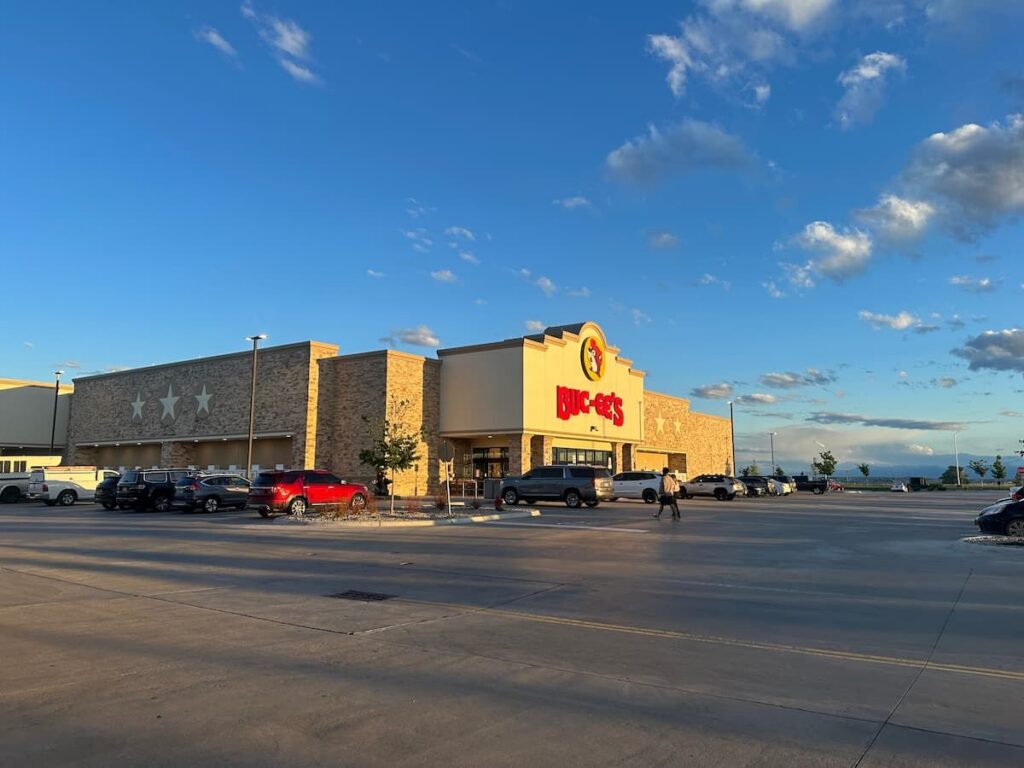
Buc-ee’s and El Paso County: What to know ahead of the public hearing
Savannah Eller
savannah-eller@coloradopolitics.com
Updated 7 hours ago
Controversial plans for the second Colorado location of the Texas travel chain Buc-ee’s are making their debut in El Paso County’s public hearing process. Interest in the project has been high from the start, defining over a year of local...

Aurora councilmembers apologize after passing police, firefighter raises on anniversary of McClain killing
Kyla Pearce
kyla.pearce@gazette.com
Updated 7 hours ago
Several Aurora City Councilmembers apologized to the public at the end of Monday night’s meeting after approving pay raises for police and firefighters on the anniversary of Elijah McClain’s death. McClain, 23, was killed in 2019 while walking home from...

Clear Creek, Jefferson County officials give inside look on wildfire preparations
Matt Kyle
matt.kyle@denvergazette.com
Updated 7 hours ago
When it comes to fighting wildfires, the best methods are proactive, not reactive. For officials in Clear Creek and Jefferson counties, it’s not a matter of if a wildfire happens, but when. With a large number of wildfires devastating parts...
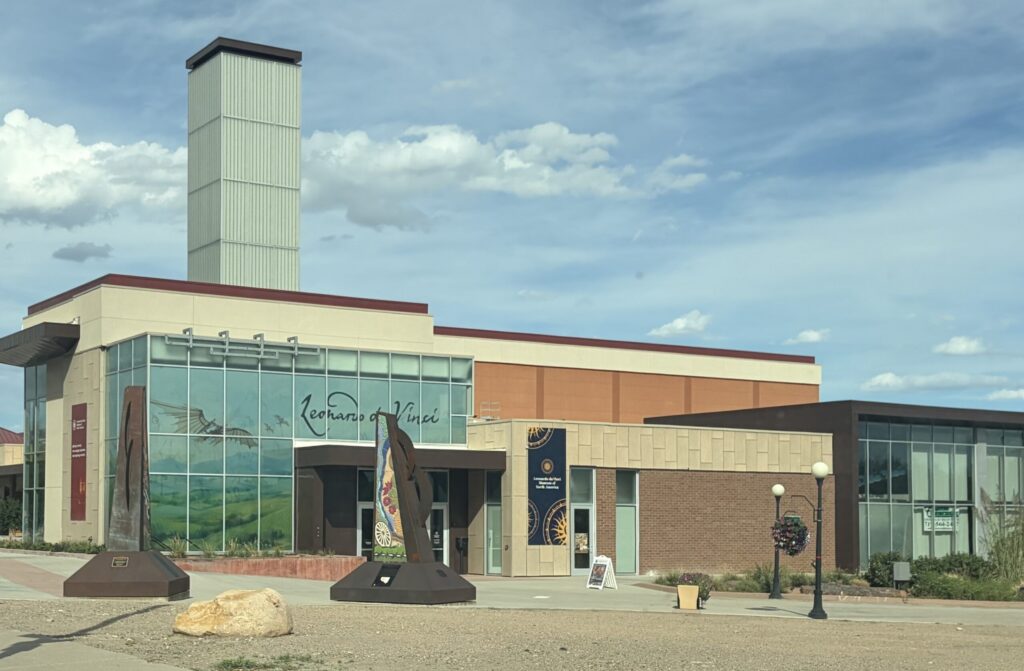
Pueblo City Council postpones vote on $885,000 funding for Leonardo da Vinci Museum
O'Dell Isaac
odell.isaac@gazette.com
Updated 7 hours ago
In a highly contentious meeting that included outbursts, raised voices and several calls for decorum, the Pueblo City Council on Monday postponed its vote on the Leonardo da Vinci Museum’s request for $885,000 in funding from the city’s $60 million...
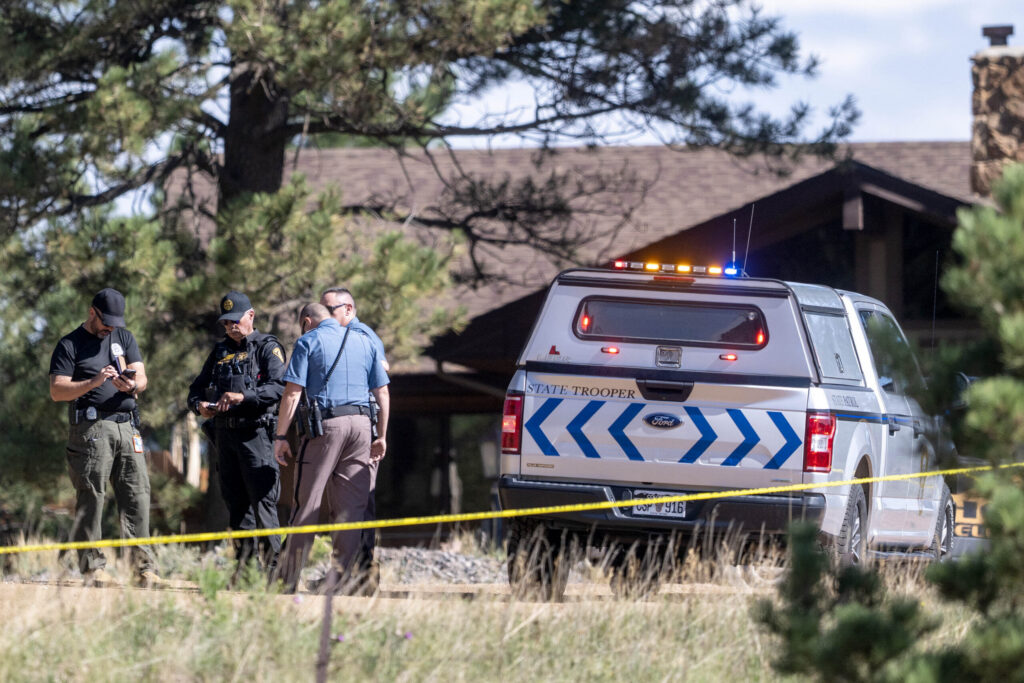
2 Colorado State troopers shot near Woodland Park; suspect killed
DEBBIE KELLEY
debbie-kelley@coloradopolitics.com
Updated 1 day ago
Two Colorado State Patrol troopers were hospitalized, and a suspect is dead after a shooting during a traffic stop Tuesday. The initial incident happened at about 7:15 a.m., when a resident reported suspicious activity in the area near milepost 286...

Aurora moves forward with data center regulations
Kyla Pearce
kyla.pearce@gazette.com
Updated 1 day ago
The Aurora City Council approved moving forward with two new regulations on data centers and directed staff to come back at the next study session with others. At a council meeting in early August, council members directed city management to...
PREV
PREVIOUS

Federal judge hears arguments about Colorado's 3-day gun purchase waiting period
A federal judge heard arguments on Monday about the constitutionality of a 2023 Colorado law that generally imposes a three-day waiting period on firearm purchases after the initiation of a background check. The test that the U.S. Supreme Court created in 2022 for assessing firearm regulations’ compliance with the Second Amendment occurs in two phases. […]

Colorado lawmaker, House leaders named in workplace-retaliation lawsuit
A former legislative aide has filed a lawsuit alleging she was mistreated, illegally directed to perform campaign work and harmed by a House leadership structure she charged was fragmented, politicized and ineffective at protecting employees. The lawsuit, filed by Jennifer Chick, names Littleton Democratic Rep. Sheila Lieder, House Speaker Julie McCluskie of Dillon and House […]