Colorado officials urge stronger water safety after 6 drownings and multiple Front Range rescues
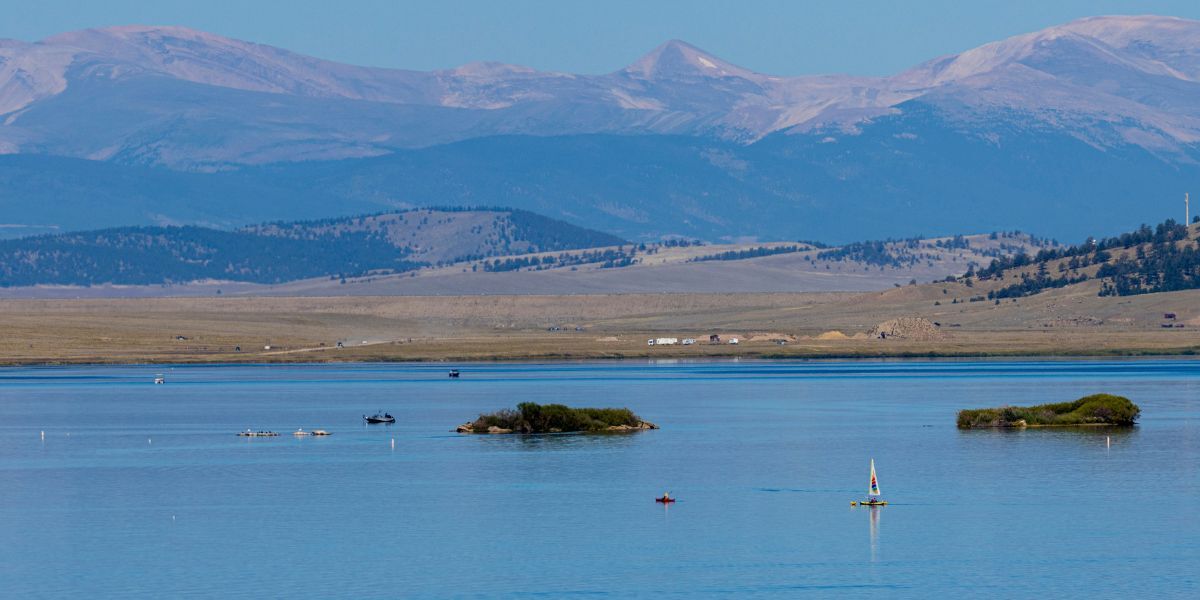
At least six people have drowned in Front Range waters since June, including two at Eleven Mile Reservoir, three at Cherry Creek Reservoir and one at Rockbridge Lake.
In the wake of these deaths, law enforcement and rescue crews are urging swimmers to follow water safety measures and take extra precautions.
The deaths at Eleven Mile Reservoir, which involved two adult men, occurred eight days apart in mid-August and the deaths at Cherry Creek within six weeks of one another across June and July.
One of the Cherry Creek deaths involved a child, and the other two deaths involved adults, according to authorities.
The Rockbridge Lake drowning, which involved a 15-year-old Windsor Charter Academy student, occurred Saturday.
Authorities were also called to two simultaneous water rescues at Chatfield Reservoir on Saturday. Both ended without injuries or fatalities. In a separate incident in late June, nine people were rescued from the same reservoir after their boat capsized.
“All nine occupants were wearing life jackets, which played a critical role in ensuring everyone made it out safely,” South Metro Fire wrote on Facebook.
Kara Van Hoose, the public information officer for Colorado Parks and Wildlife’s Northeast Region, said the number of drownings this year is equivalent to last year. It may just feel like numbers are elevated this summer because several incidents have occurred at the same bodies of water in close proximity, she said.
Across the six drownings, only one victim — Paul Scanlon, 67, who drowned at Eleven Mile Reservoir on Aug. 6 — was wearing a life jacket, according to reports from authorities.
Not wearing lifejackets is the main reason behind the drownings CPW has responded to, Van Hoose said.
“You need to plan for the worst-case scenario,” she said. “And that involves wearing a life jacket to be sure that we can come and rescue you, that you could rescue yourself, and that you’re not putting others in danger.”
Colorado law requires children under 13 to wear a Coast Guard–approved life jacket on any vessel, and anyone riding a personal watercraft or being towed must wear one as well. Adults aren’t required to wear a life jacket on most boats, kayaks, canoes or paddleboards, but every vessel must carry a properly sized, easily accessible life jacket for each person on board.
Colorado Parks and Wildlife rangers have stepped up enforcement in recent years, issuing 497 life‑jacket citations statewide in 2024 and over 700 in 2025. They emphasize that “pretty much anything that floats” — from motorboats and sailboats to kayaks, paddleboards and whitewater rafts — requires a life jacket.
The Park County Sheriff’s Office posted on Facebook after the two deaths at Eleven Mile Reservoir, urging swimmers to stay safe on the water.
“While we cannot change what has happened, we can use these tragedies as a reminder,” the sheriff’s office said.
Safety recommendations in the post included wearing properly fitted life jackets; staying sober and alert while on the water; watching weather conditions, especially high winds; keeping an eye on others; having a way to call for help; and knowing personal limits, including how cold water, altitude, wind, waves and fatigue can affect swimmers.
In recent years, CPW rangers have also pushed back on the idea that strong swimmers don’t need one, noting that storms, currents and other hazards can quickly turn a routine outing dangerous.
Colorado’s weather and water conditions can change quickly in any season, Van Hoose said, urging swimmers to take precautions whenever they’re in or near the water.
“We see people drown after falling through ice early in the year, during heavy runoff, and later in the year when water levels drop,” she said.
She added that sudden shifts in weather can catch people off guard: strong winds can push a paddleboard out of reach, leaving someone unable to swim back, tiring quickly, and slipping under the water.
The South Park Ambulance District has also called for awareness and steps to prevent future tragedies.
“After two tragedies so close together, we want to take a moment to remind everyone how quickly an enjoyable day on the water can become an emergency,” the South Park Ambulance District wrote on Facebook after the Eleven Mile drownings.
The ambulance district pushed for similar safety measures outlined by the Park County Sheriff’s Office, adding a suggestion that swimmers learn CPR and a note on how to safely help someone struggling in the water.
Best practice, the ambulance district advised, is to throw a flotation device or extend a pole, paddle, rope or another object to someone struggling in the water — rather than jumping in after them.
“Entering the water after a struggling swimmer can quickly turn one victim into two,” the post said. “Unless you are trained and properly equipped for water rescue, call 911 and assist from a position of safety.”

Monument council rejects housing development bordering USAFA
Savannah Eller
savannah-eller@coloradopolitics.com
Updated 3 hours ago
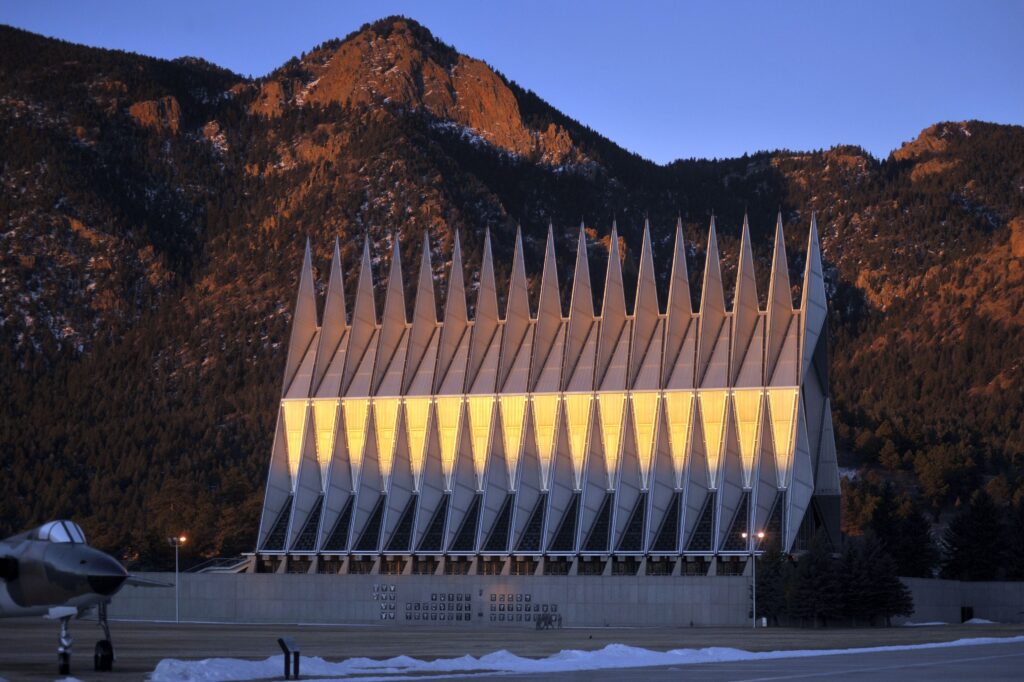
The Monument Town Council on Monday rejected a 205-home project on the northern edge of the U.S. Air Force Academy. Called Santa Fe Meadows, the Classic Homes project for 135 single-family homes and 70 townhomes would have occupied 43 acres...

Wheat Ridge considering e-bike, scooter ordinances as usage increases in city
Matt Kyle
matt.kyle@denvergazette.com
Updated 5 hours ago
Wheat Ridge may soon pass regulatory ordinances on e-bikes as city officials say usage of such devices has increased within the city. The measures are proactive as e-bike usage has increased across the Denver metro area, according to city officials,...
District 49 dissolves longtime provider of special services
Eric Young
eric.young@gazette.com
Updated 3 hours ago
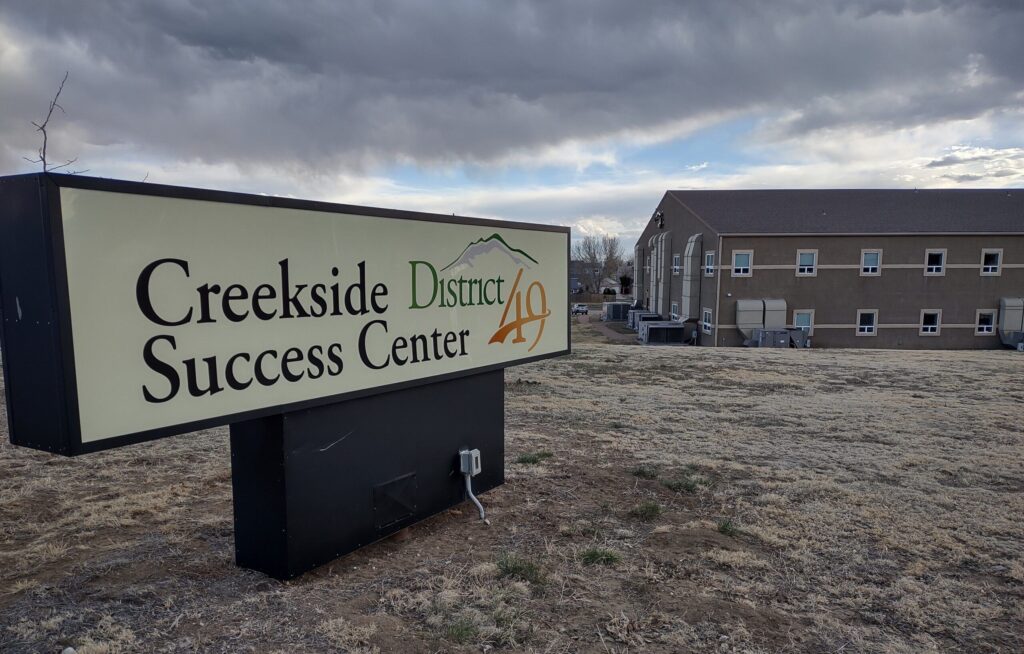
A longtime education service provider that has been subject to recent public and government scrutiny is shutting down. School District 49’s Board of Education approved the dissolution of the Education ReEnvisioned Board of Cooperative Education Services (ERBOCES) during a special...
District 49 dissolves longtime provider of special services
Eric Young
eric.young@gazette.com
Updated 20 hours ago
A longtime education service provider that has been subject to recent public and government scrutiny is shutting down. School District 49’s Board of Education approved the dissolution of the Education ReEnvisioned Board of Cooperative Education Services (ERBOCES) during a special...

Denver revenues rise despite expectations for flat year
Nico Brambila
nico.brambila@denvergazette.com
Updated 5 hours ago
Five weeks after Denver said it expected revenues to remain flat heading into 2027, stronger-than-expected collections are prompting finance officials to signal they may raise this year’s revenue forecast. General Fund revenue was up 2.3% through June compared with the...

Second affordable housing project on church land opens in Colorado Springs
DEBBIE KELLEY
debbie-kelley@coloradopolitics.com
Updated 3 hours ago
Greccio Housing doesn’t just do business deals. The nonprofit residential developer and property manager aligns its projects with a mission of providing stable, safe and affordable housing that helps struggling residents achieve stability, according to Executive Director Lee Patke. The...

Colorado House Democrats’ caucus finances under scrutiny as ethics case against leader advances
Marianne Goodland
marianne.goodland@coloradopolitics.com
Updated 23 hours ago
Democratic lawmakers told a legislative ethics panel that a leader’s management of caucus finances left them with unanswered questions, disputed reimbursements and a breakdown in communication that ultimately triggered a formal complaint. The House Ethics Committee is examining a complaint...

DA justifies CSPD officers in fatally shooting man at McDonald’s
Cleo Westin
cleo-westin@coloradopolitics.com
Updated 3 hours ago
The deadly shooting of a man by Colorado Springs police officers at a McDonald’s was ruled justified by the 4th Judicial District Attorney’s Office on Monday, the office announced in a news release. The ruling determined officers Daniel White, Mitchell...
Castle Rock caregiver sentenced after stealing more than $110,000 in jewelry from family
Nicholas Fogleman
nicholas.fogleman@denvergazette.com
Updated 5 hours ago
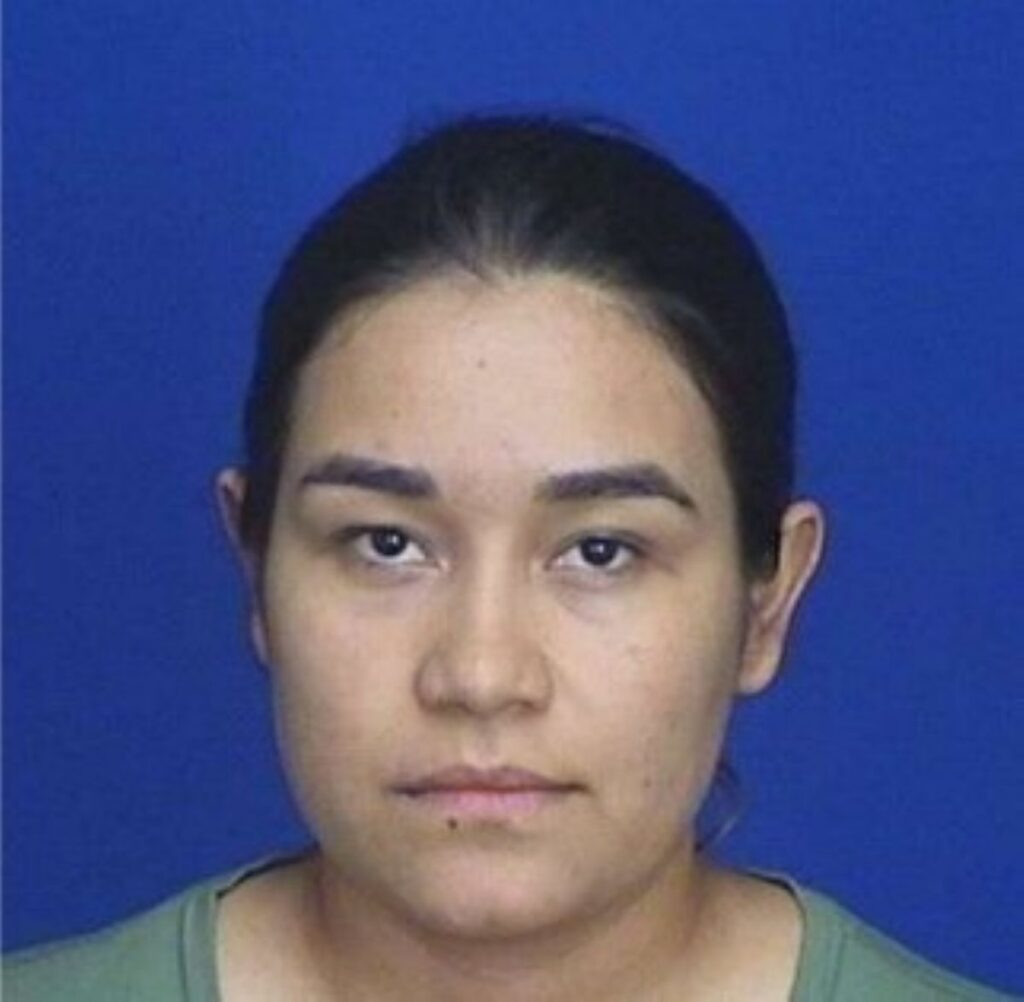
A judge sentenced a Castle Rock caregiver to 90 days in jail after she pleaded guilty to stealing more than $110,000 worth of jewelry from the family of a disabled son under her care. Elsa Montejo-Fuentes, 32, had worked for...
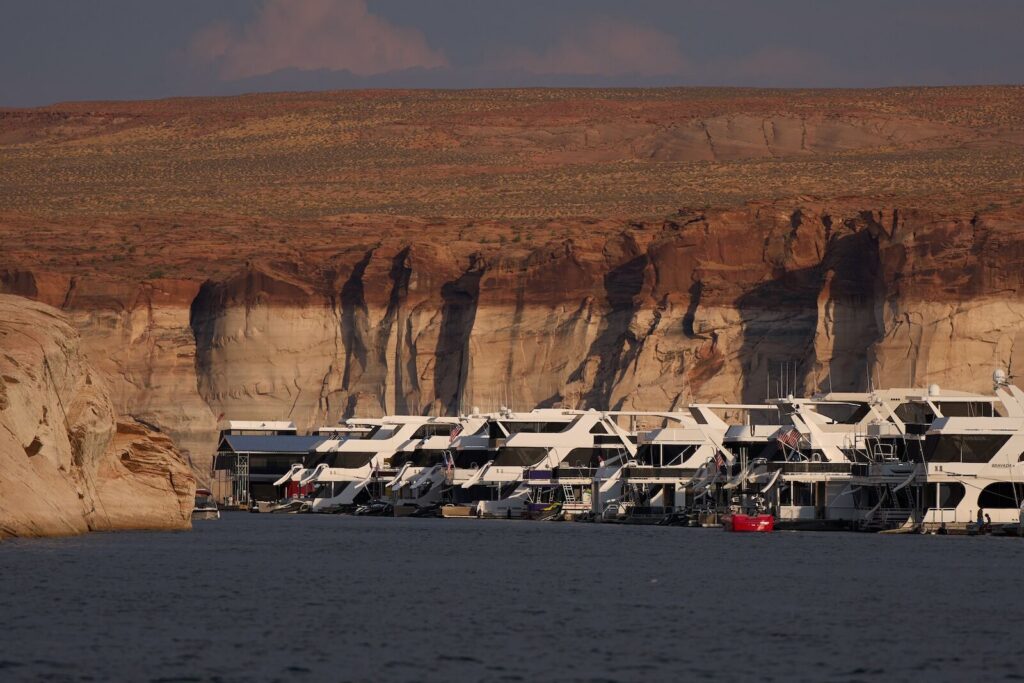
Colorado River crisis: Lake Mead, Lake Powell inch closer to ‘dead pool’
Marianne Goodland
marianne.goodland@coloradopolitics.com
Updated 23 hours ago
In the past 10 days, both Lake Mead on the Arizona-Nevada border and Lake Powell roughly 300 miles northeast on the Utah-Arizona line have recorded their lowest water levels since the reservoirs were first filled. Lake Mead, the nation’s largest...