U.S. Rep. Gabe Evans says Colorado small businesses are feeling the strain from state regulations in letter to Gov. Polis
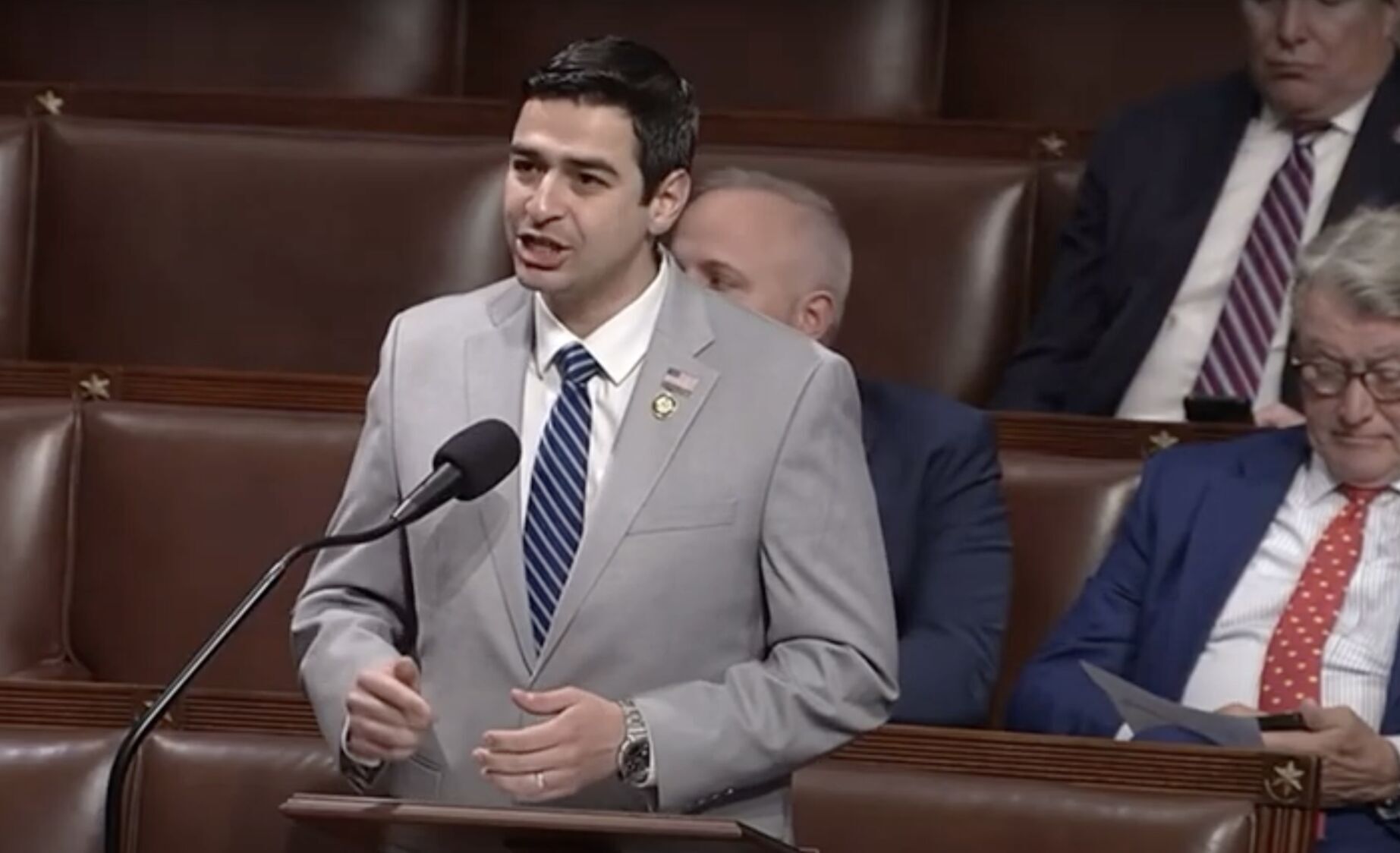
In a letter to Colorado Gov. Jared Polis on Monday, U.S. Rep. Gabe Evans raised concerns he says he’s hearing from small business owners about the effects of the continued increase in state regulations.
Evans wrote that small business owners and local chambers of commerce in his district have described “ever‑growing hardships” they attribute to legislation passed by the state’s Democratic‑led House and Senate and signed into law by Polis in recent years.
“Under the direction of your administration and Denver’s Democrats, Colorado has become the sixth most heavily regulated state in the country, and small business owners and their employees in my district are feeling it every day,” Evans wrote, listing off several bills Polis has signed in recent years that he believes have negatively impacted Colorado’s business climate.
Among the bills listed are House Bill 25-1296, which imposes state taxes on overtime, Senate Bill 21-260, which establishes new fees on diesel fuel, deliveries, and transportation services, and Senate Bill 21-1162, which imposes a statewide ten-cent plastic bag fee.
“These laws have harmed small business owners and prevented regional economic growth,” Evans wrote. “Many employers are now being forced to operate with smaller staff and tighter margins because they simply cannot keep up with the rising costs imposed by your state government.”
Evans represents Colorado’s 8th Congressional District, stretching from Thornton to Greeley. He won the seat in 2024 in a close race against former Democratic U.S. Rep. Yadira Caraveo.
Evans faces Democratic state Rep. Manny Rutinel in November. CD8 is again expected to be highly competitive, as it was in the past two cycles, and is widely viewed as a district that could influence the balance of power in Washington.
Rutinel did not immediately respond to a request for comment regarding the letter Evans penned to the governor. Polis also did not provide a comment to Colorado Politics.
With Democrats leading all chambers of the state legislature, they have often been criticized by business organizations for increased regulations deemed duplicative and costly. Proponents argue that these regulations are necessary to ensure safe workplaces.
One business owner told Colorado Politics last year that the growing number of regulations passed each session is like a “death by a thousand cuts.”
“While I am working hard in Washington to pass legislation to help small business owners in my district, you are partnering with ruling Democrats in the State Legislature to overwhelm those same businesses with higher fees, rising labor costs, increased compliance mandates, and endless red tape that make it harder to hire workers, expand operations, and keep their doors open,” Evans said.
At times, Polis has worked to slow the rise in regulations by vetoing bills or threatening Democratic-led chambers.
In May, Polis signed Senate Bill 137 into law, a measure sponsored by bipartisan leadership in the state House and Senate that aims to reduce “administrative burdens” through additional reviews of agency rules.
“Colorado is the best state to live, work, play, and do business,” Polis said after signing the bill into law. “This bipartisan effort will help lower the cost of doing business in Colorado by cutting through burdensome regulations, and will attract more businesses to Colorado.”
Evans argued Republican members of Congress are “trying to make it easier for small businesses to thrive” through the passage of laws like H.R. 1, or the “Working Families Tax Cuts Act,” which eliminated federal income taxes on tips and overtime, increased the Child Tax Credit, and made the 20% small business tax deduction permanent. The bill also provides over $4.5 trillion in tax breaks for billionaires and large corporations through cuts and deductions.
According to the letter, small businesses make up 99.5% of all Colorado firms and employ 48.6% of the state’s employees. Evans cited a 2025 survey conducted by the Colorado Chamber of Commerce, which found that 65% of businesses with fewer than 100 employees listed regulations as one of their top three challenges.


Colorado business confidence improves but still pessimistic
Bernadette Berdychowski
bernadette.berdychowski@denvergazette.com
Updated 5 days ago
Halfway into the year, business confidence across Colorado has improved but is still negative, a new report found. The Leeds Business Confidence Index, a measurement of how business leaders across Colorado feel about the future of the national and state...

Xcel franchise renewal clears first Denver City Council committee hurdle
Scott Weiser
scott.weiser@gazette.com
Updated 6 days ago
More than $180 million a year in franchise fees, infrastructure relocation savings and undergrounding funds would continue flowing to Denver under a proposed 20-year franchise agreement with Xcel Energy. It cleared a major City Council hurdle Tuesday, while adding new...

Nomination deadline announced for National Philanthropy Day awards | NONPROFIT REGISTER
Joanne Davidson Special to Colorado Politics
joanne-davidson-special-to-colorado-politics@coloradopolitics.com
Updated 1 week ago
ASSOCIATION OF FUNDRAISING PROFESSIONALS Denver News: Colorado chapter of the Association of Fundraising Professionals has set 5 p.m. July 17 as the deadline for submitting nominations for the 2026 National Philanthropy Day Awards. The nomination process is simple, assures DeAnn Acosta, the association’s executive director, with forms and...

When sushi meets schools in rural Colorado, everyone wins | NONPROFIT REGISTER
Joanne Davidson Special to Colorado Politics
joanne-davidson-special-to-colorado-politics@coloradopolitics.com
Updated 4 days ago
NATHAN YIP FOUNDATION Greenwood Village By JOANNE DAVIDSON SPECIAL TO COLORADO POLITICS News: Sushi-lovers from Denver and beyond know that they’re in for a treat when the Nathan Yip Foundation hosts its annual Sushi Party. The rush to purchase tickets begins months in advance...
Elbert County takes transmission dispute with Xcel to court
Scott Weiser
scott.weiser@gazette.com
Updated 6 days ago
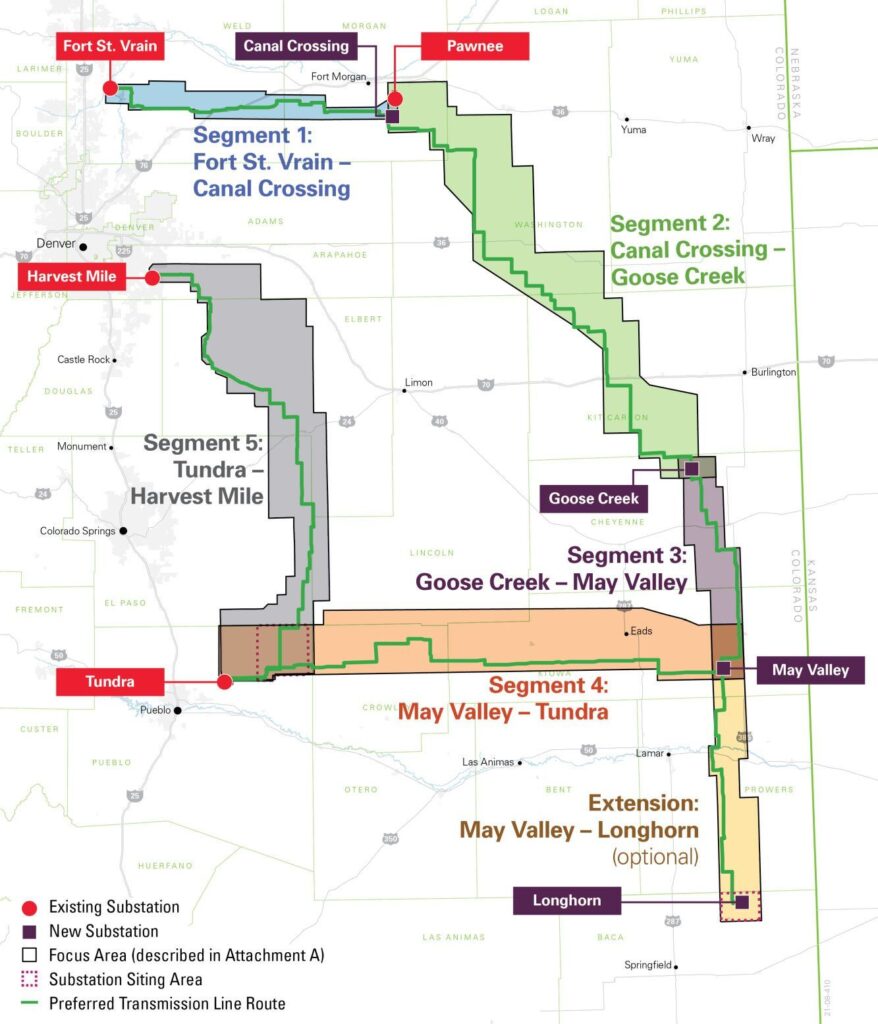
Elbert County filed a lawsuit in Elbert County District Court to challenge the state’s approval of Xcel Energy’s preferred route for a major transmission line, marking the latest escalation in a dispute over how much weight local land-use decisions should...

Court snuffs out challenge to Denver’s flavored tobacco ban
Deborah Grigsby
deborah.smith@denvergazette.com
Updated 2 weeks ago
The smoke finally cleared in Denver’s battle over a citywide ban on flavored tobacco products when a Denver court dismissed a challenge from local vape shop owners seeking to declare the ordinance unconstitutional and block its enforcement. On Wednesday, Denver...
Homeless recruits of ‘The Program’ say they were told to sign NDAs amid investigations in Colorado
David Migoya
david.migoya@gazette.com
Updated 2 weeks ago
Several formerly homeless people — each drawn into an Aurora-based enterprise known as “The Program” that promised free housing and cash in return for letting a home-health business administer prescriptions they were given — said they were pressed into signing...
Homeless recruits of ‘The Program’ say they were told to sign NDAs amid investigations in Colorado
David Migoya
david.migoya@gazette.com
Updated 2 weeks ago
Several formerly homeless people — each drawn into an Aurora-based enterprise known as “The Program” that promised free housing and cash in return for letting a home-health business administer prescriptions they were given — said they were pressed into signing...

Colorado’s haze lawsuit tests coal plant closure | ANALYSIS
Scott Weiser
scott.weiser@gazette.com
Updated 4 days ago
Colorado is asking a federal appeals court to overturn the U.S. Environmental Protection Agency’s decision to reject the state’s plan to reduce haze at national parks and wilderness areas. At the center of the fight is a straightforward but difficult...

Colorado’s ‘right to natural gas’ measure submits signatures to qualify for November ballot
Marissa Ventrelli
marissa.ventrelli@coloradopolitics.com
Updated 2 weeks ago
A natural-gas rights initiative backed by Advance Colorado is likely headed to the November ballot, triggering a parallel campaign by environmental groups seeking to impose new liabilities on oil and gas operators. Petitions for Initiative No. 177 were turned in...