

Literal reading of budget bill complicates Colorado legislators’ plans for GOP assembly
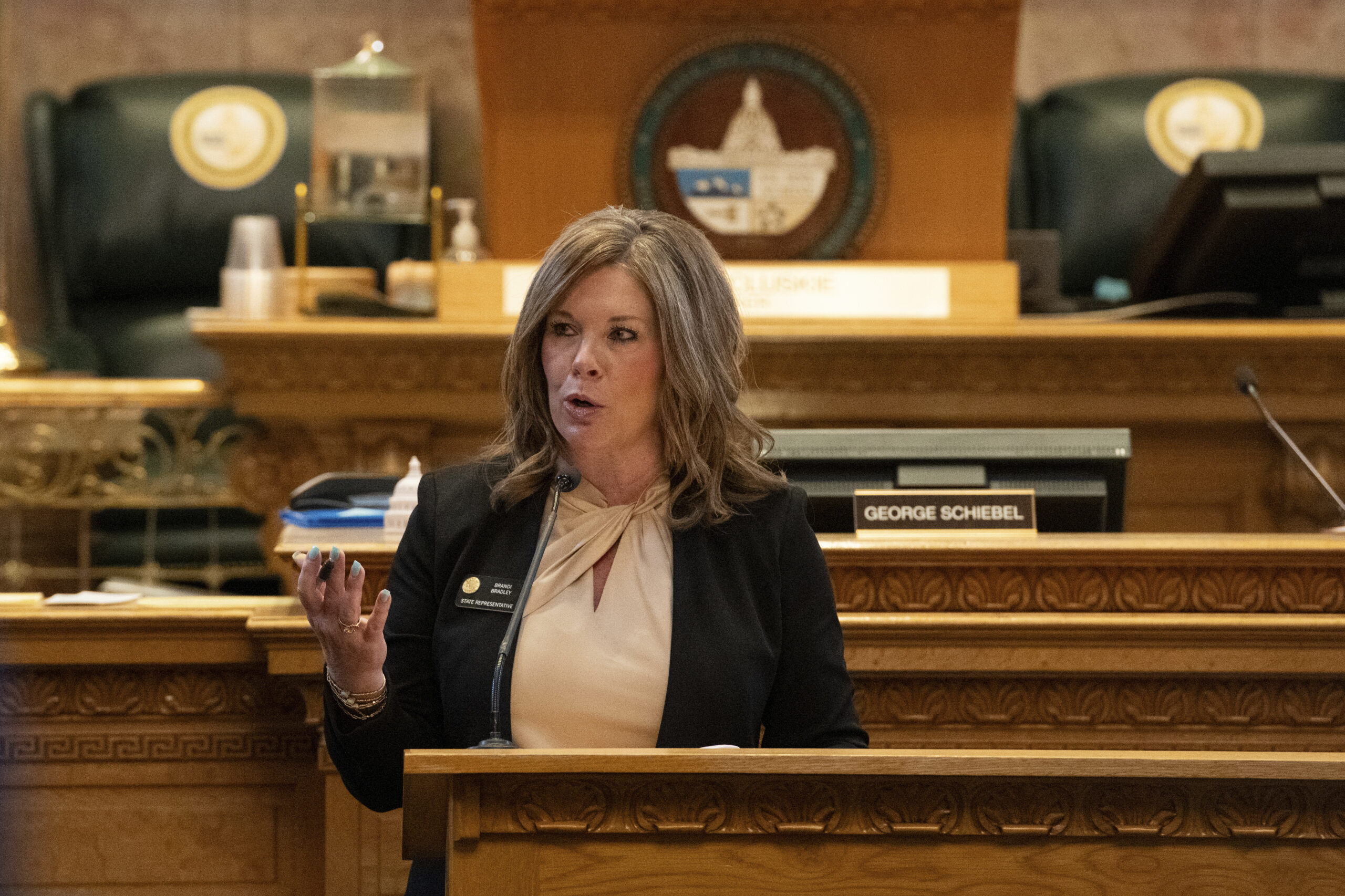
Republican Rep. Brandi Bradley’s decision to force the full reading of the state budget — called the “long bill” for its obvious length — has not only slowed House business to a crawl but also disrupted her colleagues’ plans for the weekend.
Rarely invoked when it comes to the budget bill, the parliamentary maneuver can be a form of protest or a strategy to slow a measure’s passage, sometimes with the hope of gaining concessions. It can also invite a reaction.
Since the full reading lasted until 11 p.m. on Thursday evening and was expected to continue all day Friday, House Majority Leader Monica Duran, D-Wheat Ridge, called for lawmakers to work on Saturday and Sunday.
Several Republican lawmakers now face conflicts, as the party’s state assembly is scheduled in Pueblo this Saturday, when members decide which candidates will advance to the June primaries.
Republicans can ask to be excused, although at least one Republican has already taken the unusual step of being absent without permission.
Rep. Scott Bottoms of Colorado Springs, who is attempting to get on the primary ballot for governor, didn’t show up at the Capitol on Friday and was marked as absent, meaning he had not obtained permission from both the minority and majority leaders to be excused.
Bottoms did not pursue the petition route to qualify for the ballot, which means he must attend the party’s state assembly to secure the votes to make the ballot.
Rep. Max Brooks, R‑Castle Rock, supported the move to have the long bill read in full, though for reasons different from Bradley’s. While Bradley has centered her protest on changing how ethics complaints are handled at the Capitol, Brooks said his focus is on the state’s $1.5 billion budget deficit and the need for a more deliberate debate on spending.
“The budget deficit we’re in is unprecedented,” Brooks told Colorado Politics. “There’s a deep concern about the financial state of the state.”
Brooks said his worries include the plan to draw from the general fund reserve and the state’s unclaimed property trust fund — and not just the interest — as well as the decision to lift the enrollment cap on “Cover All Coloradans,” the program that provides health coverage for pregnant women and children illegally living in the U.S.
Democrats removed the cap on children enrollees through an amendment to House Bill 1411 on Thursday.
That change prompted one of the bill’s sponsors, Rep. Rick Taggart, R‑Grand Junction, to remove his name from the legislation. Taggart said that while serving these individuals is critically important, it “has to be balanced with what we can afford.”
Brooks said he supports slowing the budget approval process, explaining that it’s hard to do the work when Republican voices are being “squelched.” He noted the lightning speed with which the “orbitals,” which are the 64 bills that change state law in order to balance the budget, went through the process on Thursday.
“It’s deeply disturbing to me because we ought to be thoughtful and deliberative in taking our time. It’s not wasting time, but we need to take time on this,” Brooks said. “I believe it’s important to signal to the hardworking taxpaying families of Colorado that we’re not just going to roll over, that there is fight in us.”
Colorado Springs Republican Rep. Mary Bradfield said she’s furious about Bradley’s actions, calling them a waste of lawmakers’ time and describing Bradley’s move as a “temper tantrum.”
Rep. Dusty Johnson, R-Fort Morgan, said she’d rather be debating the bill than listening to it, so she can be a better voice for her district.
Rep. Kyle Brown, D‑Louisville, one of the three House members on the Joint Budget Committee, told Colorado Politics that having the long bill read aloud is not a productive use of anyone’s time.
With so many numbers, he said, “reading it at length…is unintelligible,” turning the exercise into little more than a minority nparty tactic to slow the process.
“It’s unfortunate that one member of the House is essentially forcing this in order to try to get her way,” he said, noting there is bipartisan agreement that this is not how lawmakers should conduct business.
Brown added, “We should have an honest debate about the components of the budget — what goes into it, what we are funding, and what our priorities are. And then we should move on, because it is our constitutional duty to pass a budget.”
Duran told Colorado Politics that, in addition to calling the House to work through the weekend, she has other procedural tools she can use if needed.
Duran said, “I’m just really disappointed that the taxpayers are paying for this. For us to sit and have a bill read at length, to have someone making a mockery out of the system by recording TikTok videos and sitting out there laughing, and singing and not even thinking about our nonpartisan staff that are here and have to stay here all night if this bill were to run all night, not thinking of that.”
Duran also wondered whether having bills read at length will become the new normal at the Colorado House, adding that it could mean more working weekends.
House Minority Leader Jarvis Caldwell told Colorado Politics that while Bradley has the constitutional right to request a full reading of the bill, the decision should have been made strategically by the entire Republican caucus, rather than by a single member.
As the full reading has moved forward, Bradley has been posting regularly on Facebook, X and TikTok.
On Friday, Bradley emphasized on X that she did not request the long bill be read at length to stall or play politics. She did so, she said, because “what’s happening in this building is being buried, and the people of Colorado deserve time to SEE it.”
She also reiterated her belief that her sexual harassment allegations against Rep. Ron Weinberg were not handled fairly over the summer.

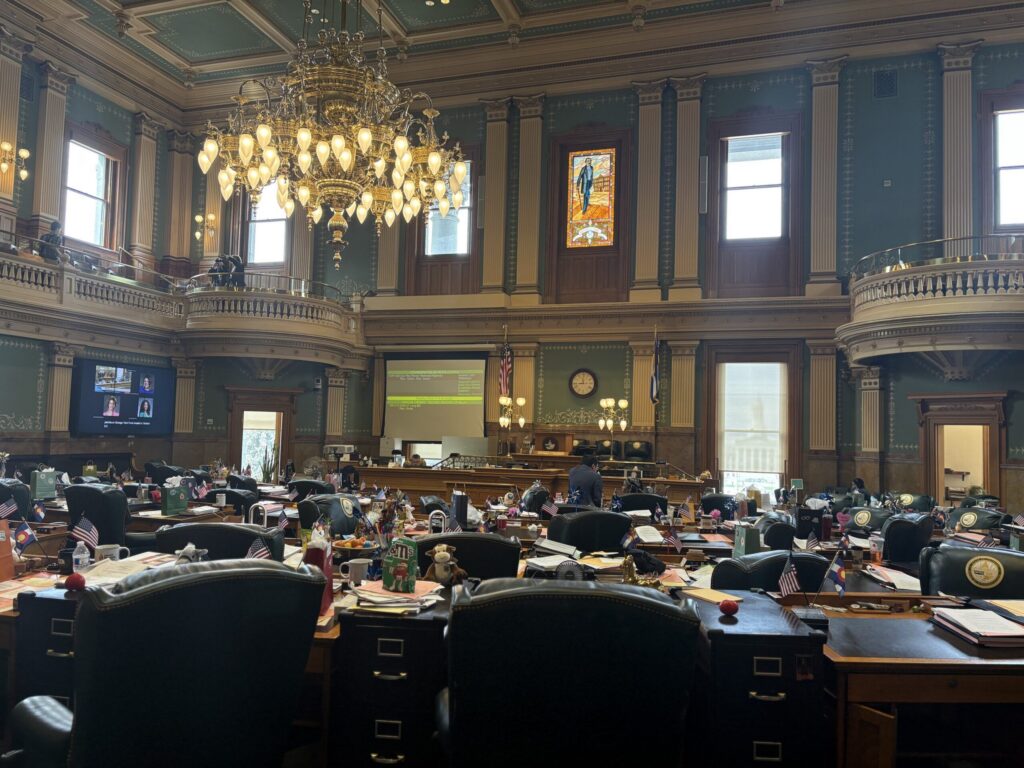
Colorado’s 661‑page budget read aloud after Rep. Bradley invokes procedural rule
Marianne Goodland
marianne.goodland@coloradopolitics.com
Updated 3 hours ago
A rarely used procedural move by Rep. Brandi Bradley, R‑Roxborough Park, has thrown the Colorado House into an extended slowdown, after she invoked her right to have the 661‑page state budget bill read aloud in full. While unprecedented, once Bradley...
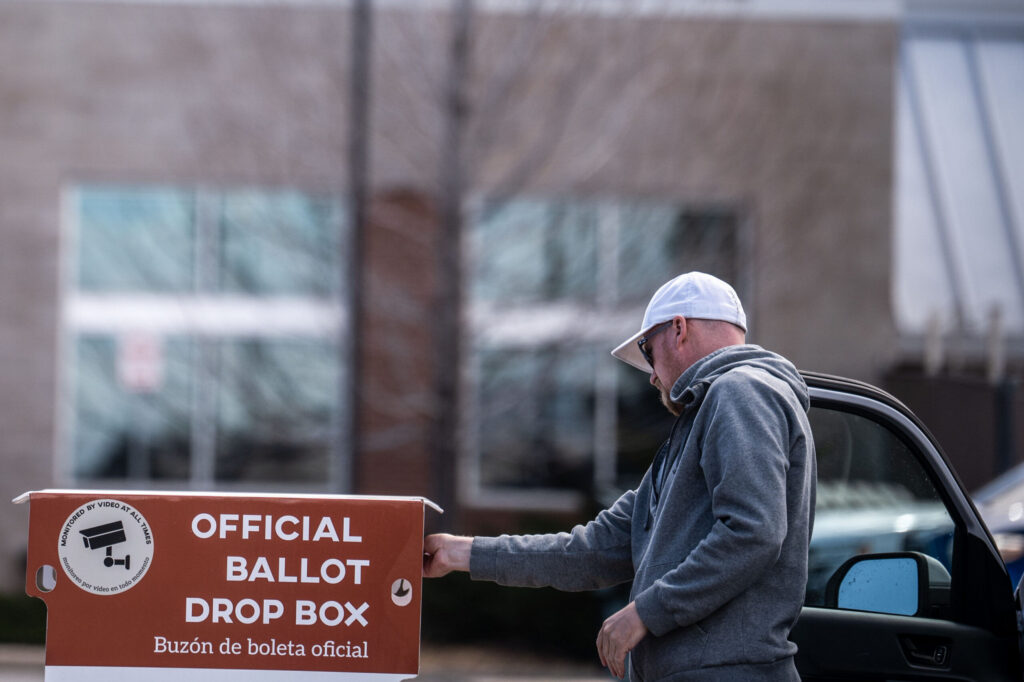
Colorado GOP votes down bid to ask court to prevent unaffiliated voters from voting in June primary
Ernest Luning
ernest.luning@coloradopolitics.com
Updated 3 hours ago
Members of the Colorado Republican Party’s executive committee rejected a proposal Thursday night to seek an emergency injunction in federal court to prevent unaffiliated voters from participating in the state’s upcoming June primary election. The proposed motion, backed by Colorado...

City of Northglenn, state fail to reach agreement on mental health facility amid safety concerns
Marissa Ventrelli
marissa.ventrelli@coloradopolitics.com
Updated 2 hours ago
The City of Northglenn said it was unable to reach an agreement with the state on a pair of transitional living facilities for individuals with mental health conditions run by the Colorado Department of Human Services. The facilities, located across...
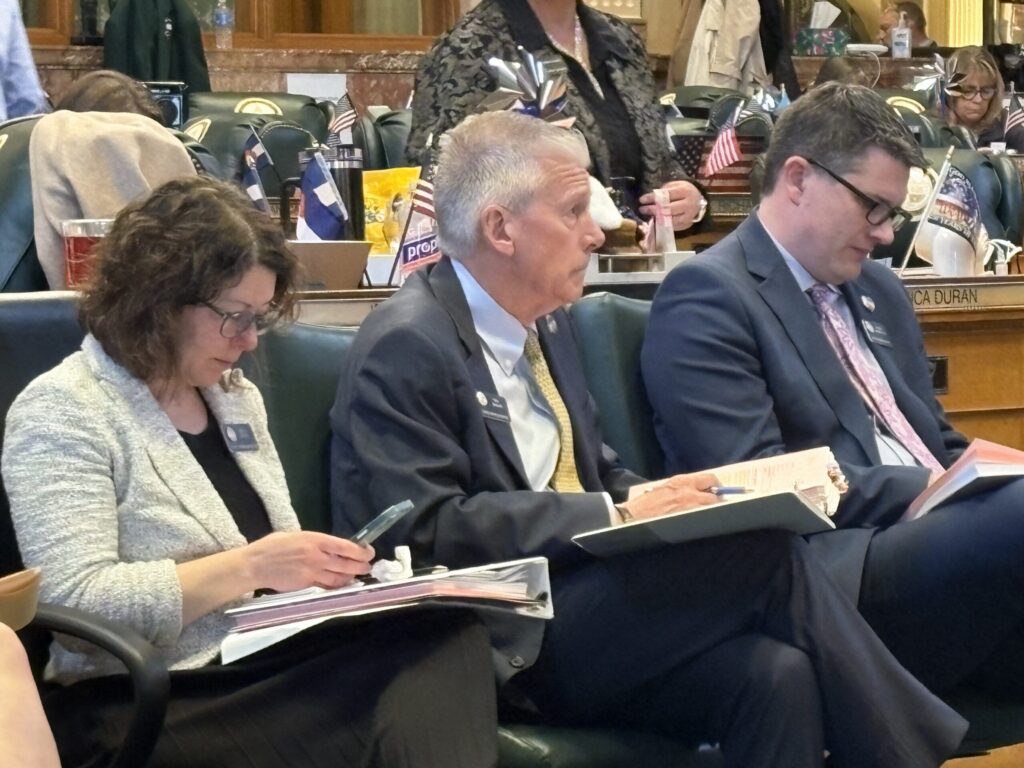
Colorado lawmakers grapple with spending cuts amid $1 billion-plus deficit
Marianne Goodland
marianne.goodland@coloradopolitics.com
Updated 23 hours ago
The battle over Colorado’s budget for next year — which stalled in the House over a procedural maneuver — entered a more difficult phase on Thursday, when legislators grappled with hundreds of millions of dollars in proposed reductions to balance...

New rules for private judges in Colorado include discipline oversight, campaign contributions
David Migoya
david.migoya@gazette.com
Updated 1 day ago
The Colorado Supreme Court recently determined the state’s private judges — retired jurists appointed to oversee civil cases that rarely get public scrutiny — can now make political contributions freely and without reserve, overruling a prohibition that had been in...

Colorado bill reshaping RTD board advances
Marissa Ventrelli
marissa.ventrelli@coloradopolitics.com
Updated 1 day ago
A proposal to reshape the Regional Transportation District’s leadership easily cleared a committee vote Wednesday, advancing the bill sponsors say is needed to revive a transit system still struggling to regain riders and public trust. Critics have countered that, while...

Colorado Democrat John Hickenlooper pulls in nearly $1.4M in 1st quarter, heads into primary with $4M
Ernest Luning
ernest.luning@coloradopolitics.com
Updated 3 hours ago
U.S. Sen. John Hickenlooper’s campaign raised nearly $1.4 million in the first quarter of 2026 and plans to report more than $4 million on hand heading into Colorado’s June primary, the first-term Democrat’s campaign said Thursday. That brings Hickenlooper’s total...
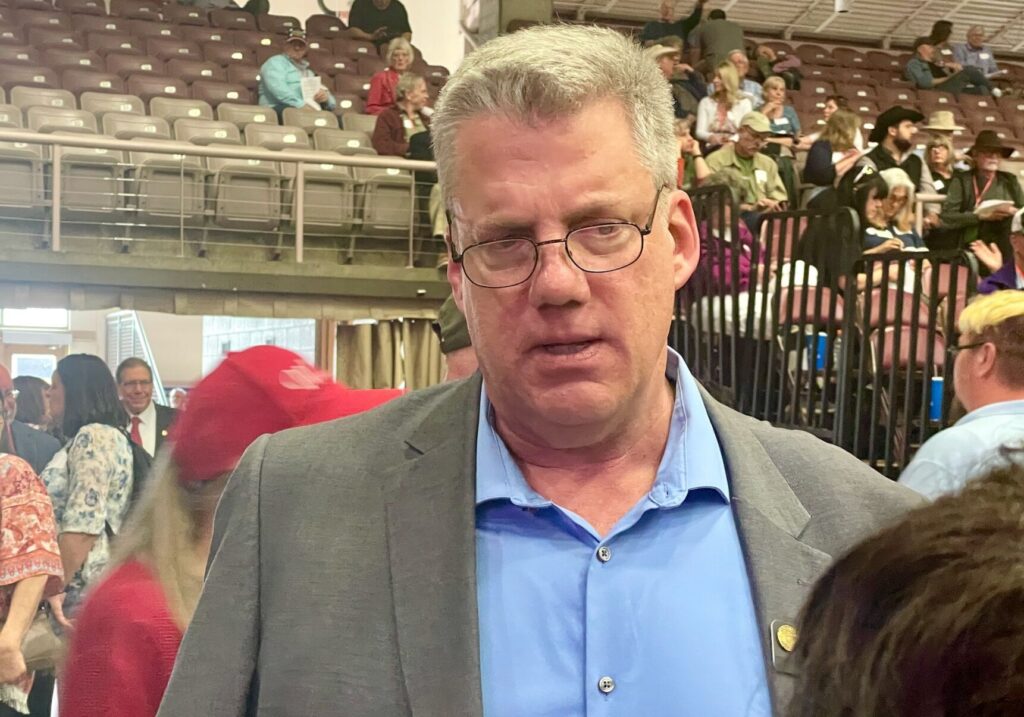
Republican Ron Hanks plans ‘grassroots’ primary challenge to US Rep. Jeff Hurd in Colorado’s 3rd CD
Ernest Luning
ernest.luning@coloradopolitics.com
Updated 3 hours ago
Colorado Republican Ron Hanks, a former state lawmaker, plans to challenge first-term U.S. Rep. Jeff Hurd in the 3rd Congressional District primary by seeking a spot on the June ballot at the GOP’s district assembly in Pueblo on Friday, Colorado...
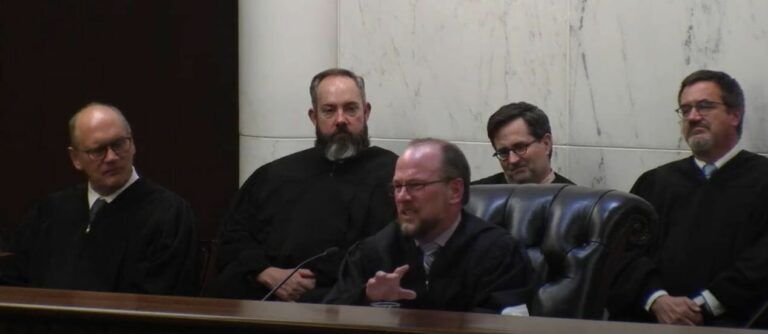
Colorado counties cannot challenge state law restricting immigration contracts, appeals court says
Michael Karlik
michael.karlik@coloradopolitics.com
Updated 1 day ago
Colorado’s second-highest court ruled on Thursday that counties lack standing to challenge a 2023 state law that restricts their ability to contract with the federal government or private entities for immigration detention. A three-judge Court of Appeals panel agreed with...
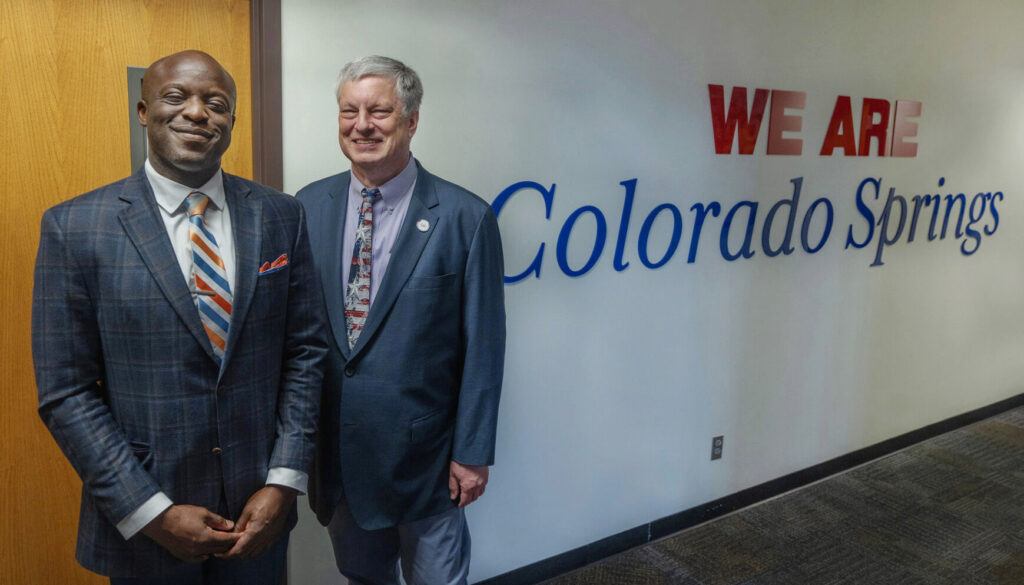
Wayne Williams joins city as Colorado Springs Mayor Mobolade’s new chief of staff
Brennen Kauffman
brennen-kauffman@coloradopolitics.com
Updated 1 day ago
Wayne Williams will be the next chief of staff for Colorado Springs Mayor Yemi Mobolade, turning the two former election opponents into partners in city government. The two officially announced the hire Thursday, citing Williams’ decades of experience with city,...
PREV
PREVIOUS

10th Circuit provides guidance on police searches of cloud-based data
The Denver-based federal appeals court provided guidance to law enforcement agencies on Monday for ensuring that searches of cloud-based accounts comply with the Fourth Amendment’s requirements. A three-judge panel of the U.S. Court of Appeals for the 10th Circuit noted that a search of information stored in the cloud is “categorically different” from searching an […]

Colorado’s 661‑page budget read aloud after Rep. Bradley invokes procedural rule
A rarely used procedural move by Rep. Brandi Bradley, R‑Roxborough Park, has thrown the Colorado House into an extended slowdown, after she invoked her right to have the 661‑page state budget bill read aloud in full. While unprecedented, once Bradley made the request, the House is required by law to read House Bill 1410, the […]