

CDOT begins installing 66 new highway cameras
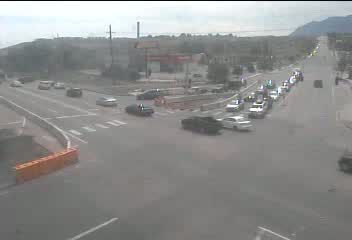
The Colorado Department of Transportation started construction on a project to install 66 new traffic cameras across the state, many of them in remote mountain areas where real-time highway views help drivers navigate changing conditions.
Work began March 30 at locations in south-central Colorado, including the intersection of U.S. Highway 24 and U.S. 285 at Antero Junction, U.S. 24 near Manitou Springs and Cascade Canyon, and Colorado Highway 67 near Cripple Creek, according to a news release. Most construction will take place off the roadway, so drivers should experience minimal disruption.
The $1 million project is contracted to Lighthouse Transportation Group, LLC, a Colorado-based traffic signal and intelligent transportation systems contractor certified by CDOT. The work is scheduled to run through October 2027, with the new cameras expected to go live by fall 2027. A project map showing planned sites is available on the CDOT website.
The new cameras will help replace some of the roughly 90 operational units removed in July 2025 when the contract with LiveView Technologies, headquartered in Sandy, Utah, expired. The department said the transition to a fully state-owned and state-managed network will address longstanding performance issues with previously contracted coverage.
Public feedback helped identify where travelers most often use the cameras. CDOT continues evaluating additional locations for similar improvements as part of its longer-term network modernization, according to the release.
In areas where coverage is critical, the department installed solar-powered cameras on existing infrastructure and placed cameras on portable trailers at priority spots. These installations provide temporary, cost-effective and resilient coverage while permanent installations continue across the state, according to CDOT.
In a statement, Hannah Matthews, spokesperson for LiveView Technologies, told The Denver Gazette: “LVT is proud of the service we provided to the State of Colorado. While early reports suggested performance issues, CDOT updated its official statement to clarify that the contract ended due to ‘cost and contract limitations’ as the state transitions to a state-owned system.”
“Regarding service allegations, any challenges were tied to extreme geographical limitations, such as remote canyons with limited cellular coverage,” Matthews said. “In addition, extreme weather conditions were rough on aging equipment.”
Department officials said that the new state-owned network will deliver long-term reliability, cost savings and greater operational control. Drivers can continue to access the existing camera feeds through COtrip.org, where roughly 1,000 cameras remain operational on interstates and major corridors.


Brass Ring 2026: Fashions, fun and a six-figure boost for diabetes research, care | NONPROFIT REGISTER
Joanne Davidson Special to Colorado Politics
joanne-davidson-special-to-colorado-politics@coloradopolitics.com
Updated 8 hours ago
CHILDREN’S DIABETES FOUNDATION Denver News: Lisa Corley, who has supported the Children’s Diabetes Foundation and its work on behalf of the Barbara Davis Center for Diabetes for 25 years, received the T1D Changemaker Award on April 7 when the foundation hosted its...

Officials, residents respond to Lakewood rezoning special election results
Sage Kelley
sage.kelley@denvergazette.com
Updated 1 day ago
Nearly 17,000 residents fought back against Lakewood zoning changes on Tuesday, reversing the ordinances put in place that sought to allow for more housing density. The City of Lakewood’s special election regarding the zoning code changes put in place in...
Exit of corporate HQs cited in Colorado Chamber Foundation report
Mark Samuelson Special to The Denver Gazette
mark.samuelson@denvergazette.com
Updated 2 hours ago
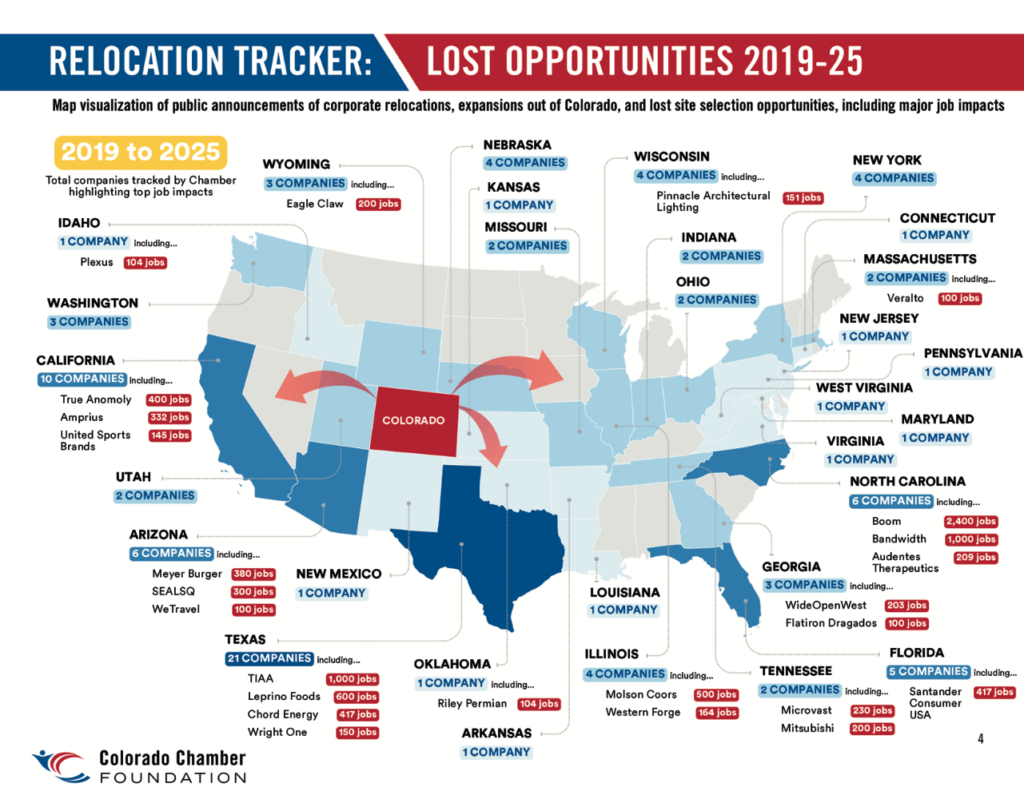
Amid worries that Colorado has lost its edge in competing for businesses, the Colorado Chamber Foundation has issued a report tracking companies that are relocating out of state. “While Colorado has significant strengths as a state, we are also becoming...
Senate-passed farmworkers overtime bill easily clears Colorado House committee
Marianne Goodland
marianne.goodland@coloradopolitics.com
Updated 3 days ago
A proposal to ease Colorado’s overtime requirements for agricultural employers cleared a key House committee Monday, setting up a broader fight over whether the state should scale back a labor policy adopted just five years ago. The House Agriculture, Water...

SeriesFest Soiree: A night of celebration, creativity and connection | NONPROFIT REGISTER
Joanne Davidson Special to Colorado Politics
joanne-davidson-special-to-colorado-politics@coloradopolitics.com
Updated 8 hours ago
SERIESFEST Denver News: John J. Sie, a cable television pioneer and founder/former chairman of Starz Entertainment, will receive the inaugural Visionary Award at the May 8 SeriesFest Soiree. The $300-a-ticket fundraising gala begins at 6 p.m. at Asterisk, an event space at 1075 Park Ave. West, Denver. In...
Bill to accelerate police access to online data clears Colorado committee
Marissa Ventrelli
marissa.ventrelli@coloradopolitics.com
Updated 4 days ago
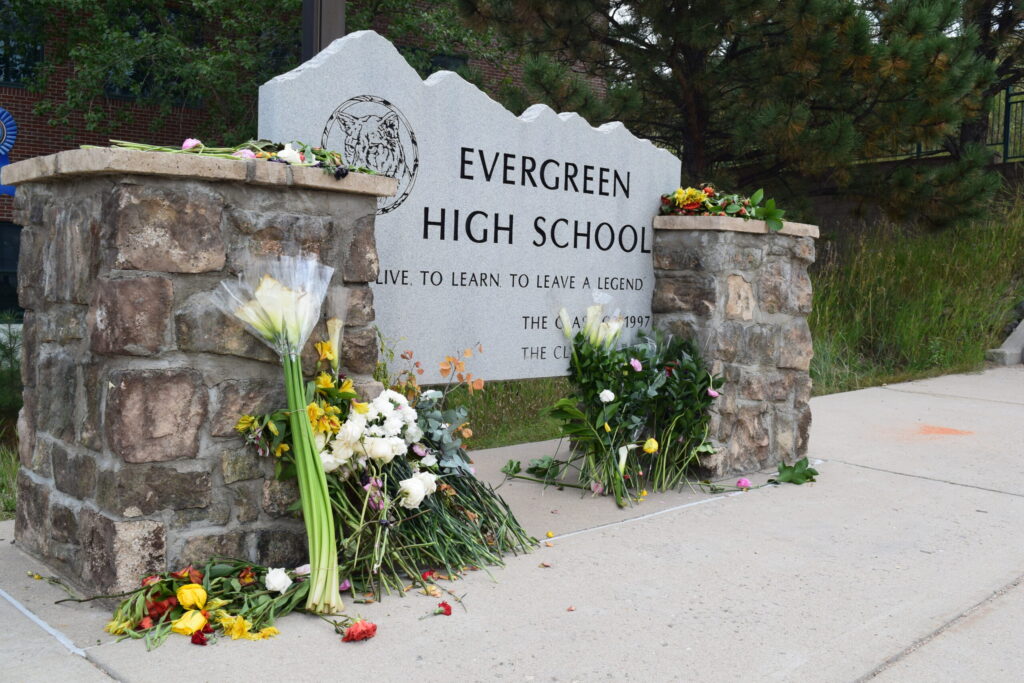
A proposal to speed up law enforcement’s access to social media data is advancing in the Colorado Legislature, drawing testimony from the residents of Evergreen, where a school shooting took place, and questions from opponents worried about privacy and constitutional...

Striking JBS workers to return on promise of talks
The Associated Press
the-associated-press@coloradopolitics.com
Updated 4 days ago
Workers at one of the nation’s largest meatpacking plants have agreed to return to work and halt a three-week strike after plant owner JBS USA agreed to resume negotiations, labor union representatives announced The strike by thousands of workers at...
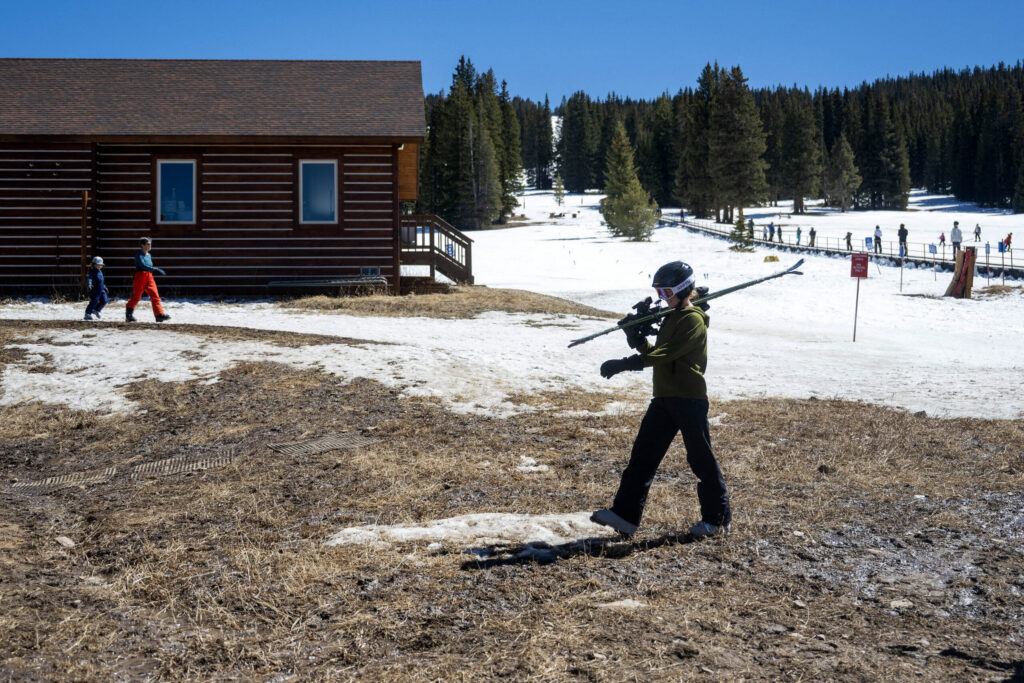
Colorado ski resorts announce early closures amid historic snowpack lows, high temperatures
Kyla Pearce
kyla.pearce@gazette.com
Updated 6 days ago
Vail Resorts is the latest area to announce season closure Wednesday As Colorado’s historically low snowpack year comes to a close and spring conditions take over the mountains, the state’s major ski resorts are announcing closing dates — some of...
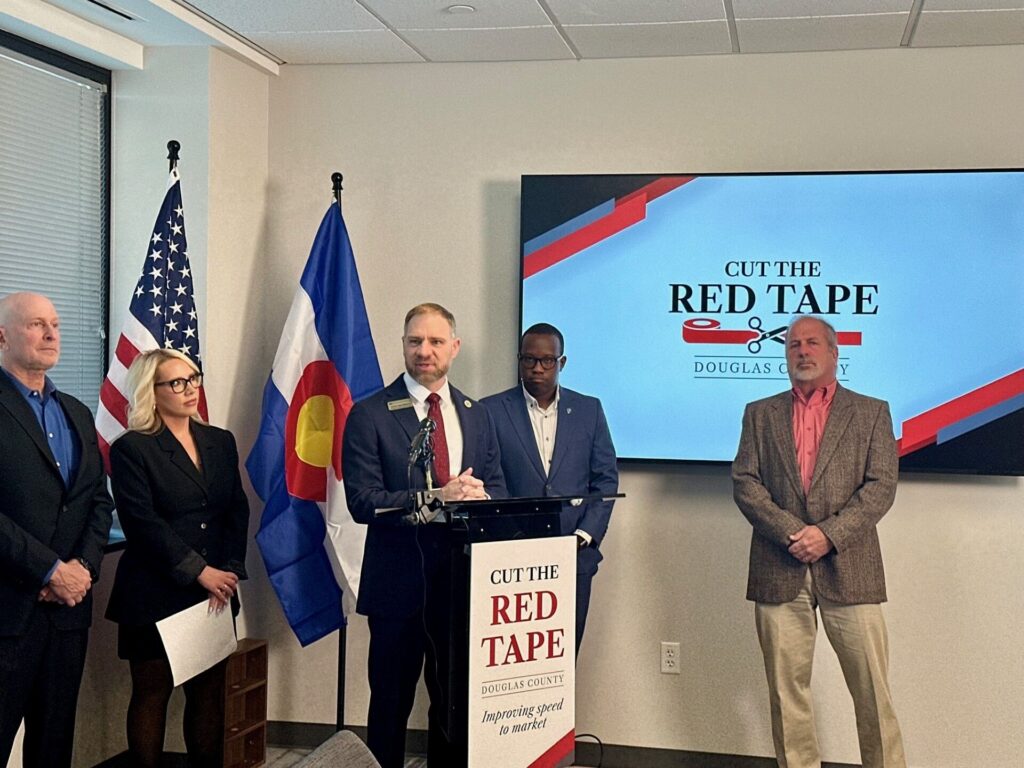
Douglas County task force targets development regulations
Nicholas Fogleman
nicholas.fogleman@denvergazette.com
Updated 1 week ago
Douglas County kicked off its first Red Tape Reduction Task Force Thursday aimed at speeding up commercial and industrial development timelines in the county, a move leaders said is necessary to keep the county competitive with other regions nationwide. The...

Hands-free law credited with preventing 600 crashes and 6 deaths in Colorado
Scott Weiser
scott.weiser@gazette.com
Updated 1 week ago
New data shows Colorado’s hands-free law is curbing distracted driving on the state’s highways and has helped prevent nearly 600 crashes, more than 400 injuries and six fatalities statewide. A one-year analysis by Cambridge Mobile Telematics found that distracted driving...
PREV
PREVIOUS

Federal judge warns of increasingly inadequate immigration bond hearings
A federal judge ordered the immediate release of a man in immigration custody last week and, seemingly for the first time in Colorado, warned that the government is increasingly conducting inadequate bond hearings for detainees. Colorado’s federal trial court is facing a flood of “habeas corpus” petitions from those in immigration detention. The most common allegation […]
Colorado House Democrats focus on prison costs in budget discussions
Colorado’s House Democrats pressed budget writers Tuesday over a nearly $70 million increase for the Department of Corrections, questioning why the state plans to add 941 prison beds and explore new prison capacity at a time when, they said, crime rates are falling and hundreds of inmates are eligible for parole. The majority of the […]