Judge rules that Colorado law makes it too hard for parties to bar unaffiliated voters from primaries
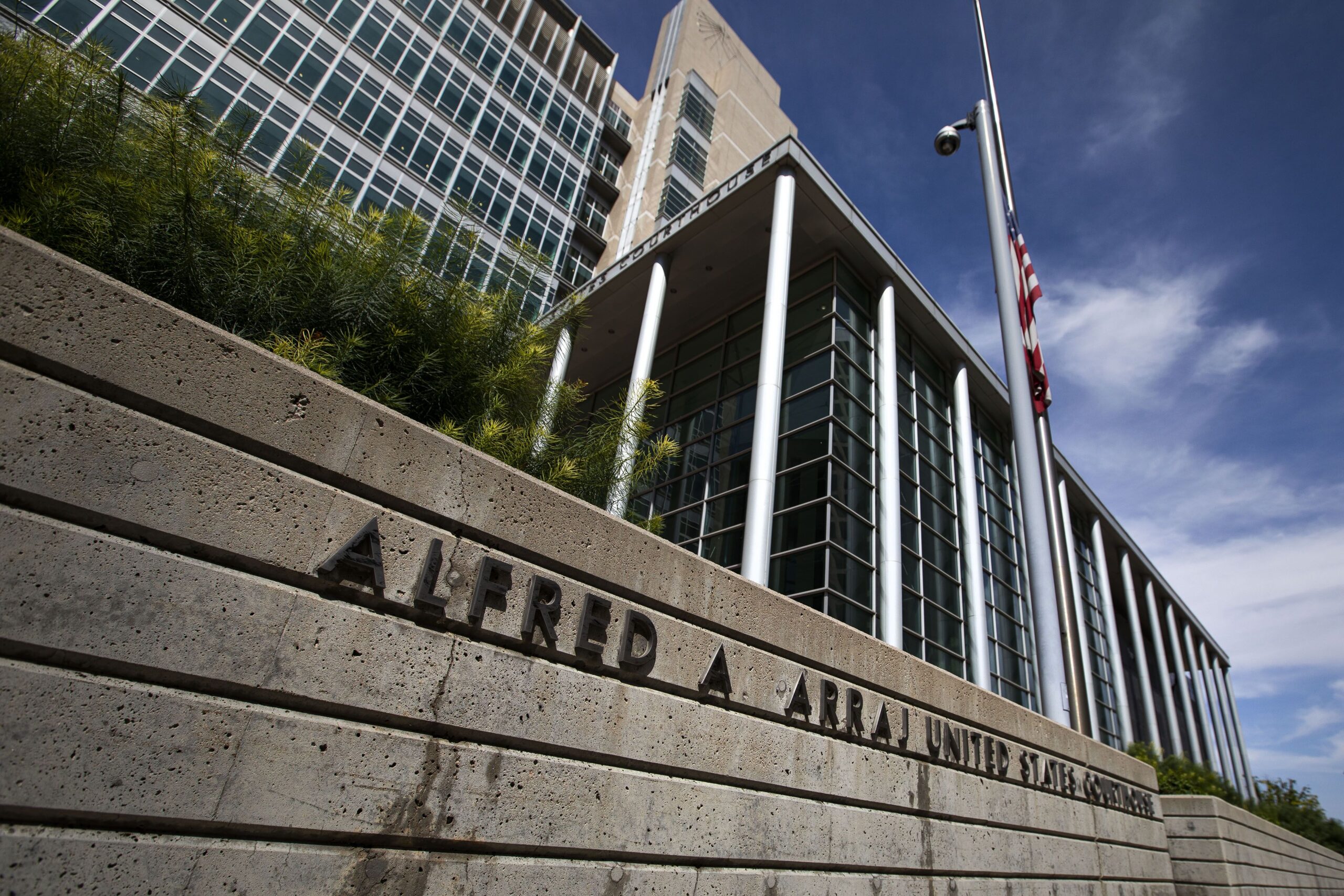
A federal judge ruled in favor of the Colorado Republican Party late Tuesday, saying that a portion of the state law that allows unaffiliated voters to cast ballots in party primaries is unconstitutional because it imposes an unrealistic burden on political parties seeking to restrict the nominating process to their own members.
U.S. District Court Judge Philip A. Brimmer ruled in a 2023 lawsuit filed by the state GOP that the 75% opt-out threshold set by the 2016 ballot measure that created the state’s semi-open primary system “creates a severe burden” on the state’s major political parties by infringing on the organization’s freedom of association under the First Amendment.
Brimmer didn’t fully overturn Proposition 108, the voter-approved measure that opened primaries to unaffiliated voters. Instead, he found that if the state’s major political parties had “a reasonable ability to opt out” of the primary system, their right to associate wouldn’t be infringed upon.
Colorado Secretary of State Jena Griswold, a Democrat, is the defendant in the lawsuit because her office administers state elections. She said in a statement Wednesday that the ruling doesn’t appear to affect the upcoming June 30 primary election.
“Unaffiliated voters represent over half of Colorado’s voters and they deserve to have a voice in our primary elections,” Griswold said in an emailed statement. “Based on our reading, the court has not disturbed the plans in place for the upcoming June 2026 primary election. We are disappointed with this decision, and are evaluating next steps in consultation with the Attorney General’s Office.”
The state GOP initiated the lawsuit under its previous state chairman, former state Rep. Dave Williams, following the dismissal of a similar legal challenge filed by a group of Republicans, including past candidates.
Williams has long supported barring unaffiliated voters from participating in the party’s primaries. He sought to overturn the semi-open primary system entirely when he ran the party, arguing that the GOP “should get to create our own rules and decide our own fate.”
The party’s current chair, Brita Horn, is stepping down later this month. She has previously said she’s opposed to opting out of the semi-open primary system, calling such a move the wrong message to send to the millions of unaffiliated voters the party’s candidates need to win elections.
The Colorado Republican Party didn’t respond to a request for comment on the ruling.
While both major parties opposed the initiative when it was on the ballot a decade ago, Colorado’s Democratic Party hasn’t seriously considered opting out since its passage.
State Democratic Chair Shad Murib said Tuesday that the party’s candidates “welcome the opportunity to earn the support of every voter,” including those who aren’t registered Democrats.
“This troubling outcome is going to help the Republican Party become even more siloed off from Colorado voters,” Murib said in a text message. “Voters want to be heard and to have a meaningful role in choosing elected leaders. We’re committed to providing them with that respect.”
Kent Thiry, the former CEO of Denver-based kidney dialysis provider DaVita Inc., who largely funded the campaign behind Proposition 108, said in a statement that the ruling “tramples on the voting rights of a majority of Colorado voters, namely the independent voters.”
Echoing arguments made in favor of the ballot measure, Thiry said: “Voters own elections, not the parties. Voters pay for the elections, not the parties. This terrible tunnel vision decision is yet another reason why Colorado should adopt a fully open primary where each Colorado voter can vote for whomever they want, independent of party.”
He added that he hopes the state appeals the decision, which he characterized as “deeply flawed.”
Under the state law, registered voters who aren’t affiliated with a political party — amounting to just over half of Colorado’s 4.1 million active registered voters — receive primary ballots from both the Republican and Democratic parties and can vote one or the other.
In order to counter constitutional arguments that led to courts striking down another version of open primaries, the ballot measure’s authors included an “opt-out” provision that says 75% of the party’s central committee membership has to agree to cancel the next primary in a meeting held before Oct. 1 in the year prior to the primary.
If a party opts out, it must designate its nominees for the November general election ballot at party assemblies.
Members of the state Republican Party’s central committee have attempted to opt out of the primary system five times, starting in 2017 and every two years since the ballot measure went in effect, but each time fell short of the 75% requirement.
The party’s attorneys have argued that the law was drafted in a way that makes it virtually impossible to achieve the supermajority.
Brimmer appeared to agree, calling the threshold “an unusual and difficult barrier for the central committee to overcome, more akin to a hurdle to amend a foundational governing document, such as the United States Constitution, than a traditional means of regulating political parties.”
In his order, Brimmer noted that the state GOP’s central committee has approved motions by a three-fourths “or even unanimous vote,” but said he hadn’t seen evidence that any of those votes involved substantial questions.
He also pointed out that participation in party primaries by unaffiliated voters has increased markedly since the system was put in place with the 2018 election. That year, he wrote, about 100,000 unaffiliated voters cast ballots in Republican primaries, but by 2022 the unaffiliated share had more than doubled to 231,000, accounting for 37.1% of votes cast. Additionally, he noted that unaffiliated voters had recently outnumbered Republicans casting ballots in GOP primaries in some counties, including Denver, Boulder and Jefferson.


Phil Weiser wins top spot in Colorado’s Democratic gubernatorial primary at party’s state assembly
Ernest Luning
ernest.luning@coloradopolitics.com
Updated 4 days ago
Attorney General Phil Weiser’s name will appear first on Colorado’s Democratic gubernatorial primary ballot after his overwhelming win Saturday at the party’s state assembly in Pueblo. Weiser joins U.S. Sen. Michael Bennet in the June 30 primary for the office...
Denver Democrat Diana DeGette trails challenger Melat Kiros at assembly as both qualify for primary
Ernest Luning
ernest.luning@coloradopolitics.com
Updated 1 day ago
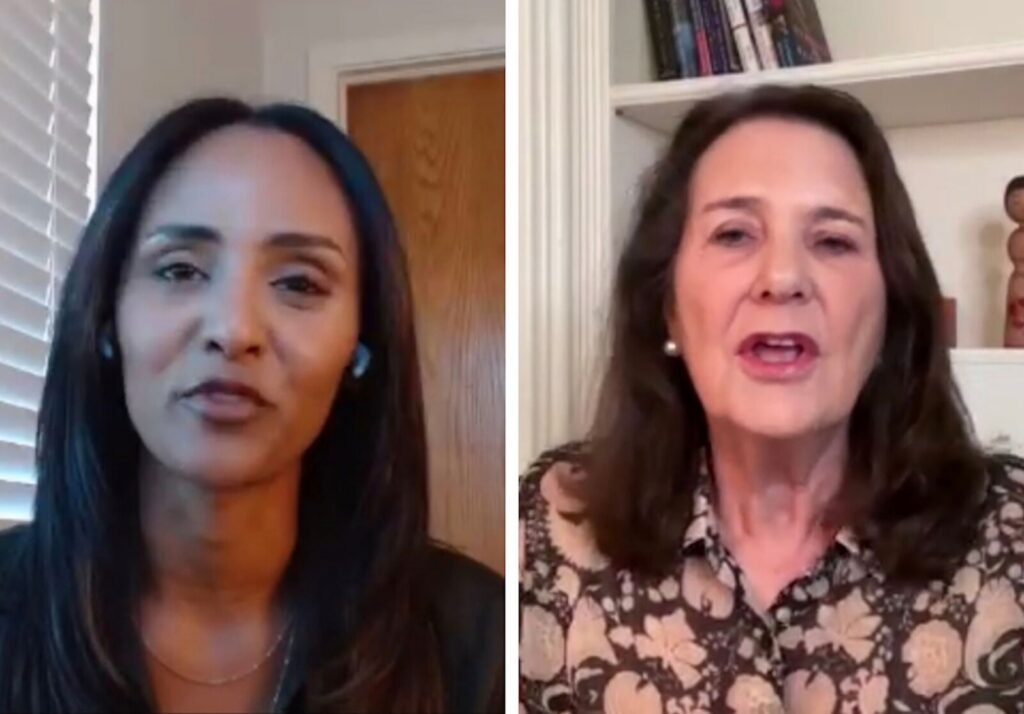
U.S. Rep Diana DeGette, a Denver Democrat, qualified for Colorado’s June primary by the skin of her teeth Friday at the party’s district assembly, where the 15-term incumbent received fewer than half as many delegate votes as her challenger, 28-year-old...
Seligman, Bridges, Gonzales lead downballot races heading into Colorado Democrats’ state assembly
Ernest Luning
ernest.luning@coloradopolitics.com
Updated 5 days ago
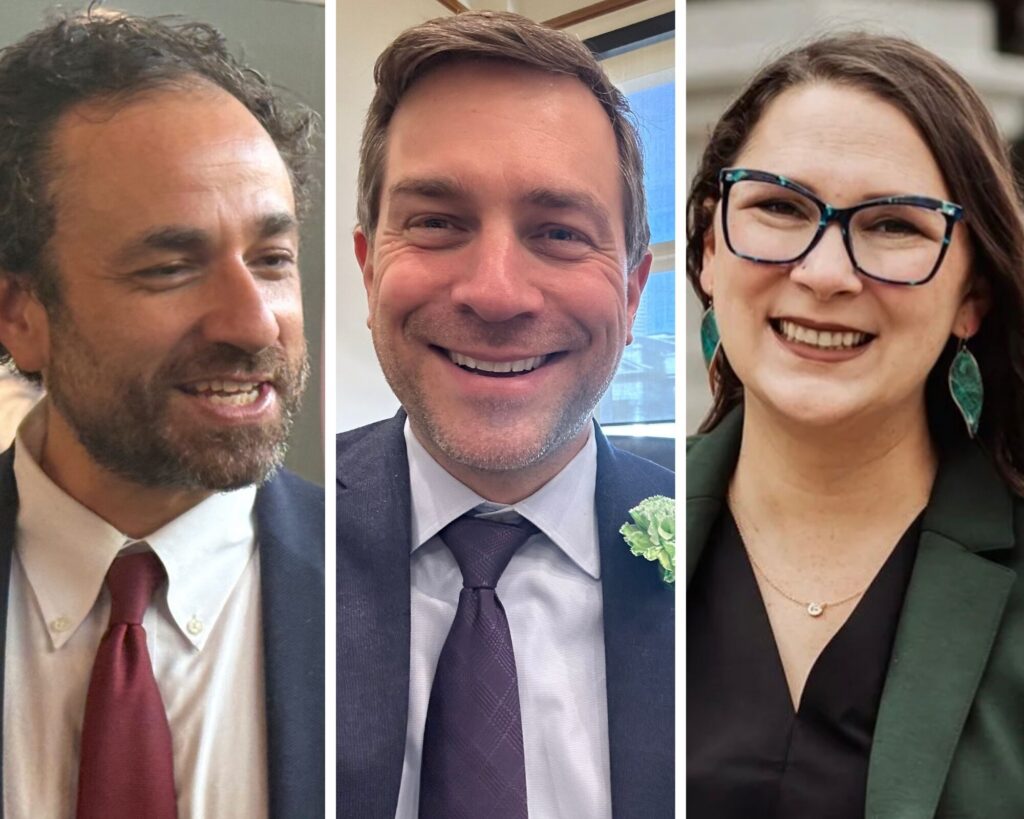
As Colorado Democrats prepare to designate candidates to the June primary ballot at the party’s state assembly in Pueblo on Saturday, three candidates appear poised to win top-line designation in downballot statewide races, according to data compiled by the state...

Democratic US Sen. John Hickenlooper qualifies for Colorado primary by petition, will skip assembly
Ernest Luning
ernest.luning@coloradopolitics.com
Updated 1 day ago
U.S. Sen. John Hickenlooper has qualified for Colorado’s Democratic primary after the first-term incumbent submitted enough valid petition signatures to make the ballot, state officials said. Hickenlooper is facing primary challenges from state Sen. Julie Gonzales, D-Denver, and university professor...
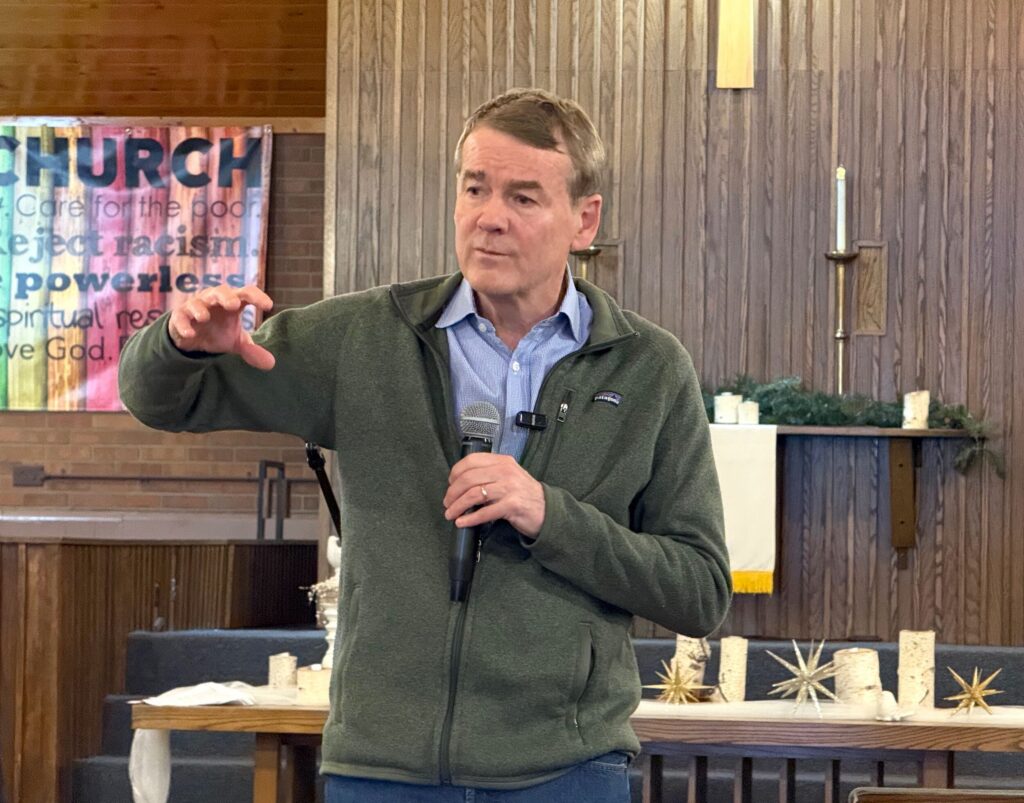
U.S. Sen. Michael Bennet qualifies by petition for Colorado’s Democratic gubernatorial primary
Ernest Luning
ernest.luning@coloradopolitics.com
Updated 1 day ago
U.S. Sen. Michael Bennet on Tuesday became the first gubernatorial candidate to qualify for Colorado’s June primary ballot after state election officials determined the three-term Democrat’s campaign submitted enough valid petition signatures. Bennet is running against Attorney General Phil Weiser...
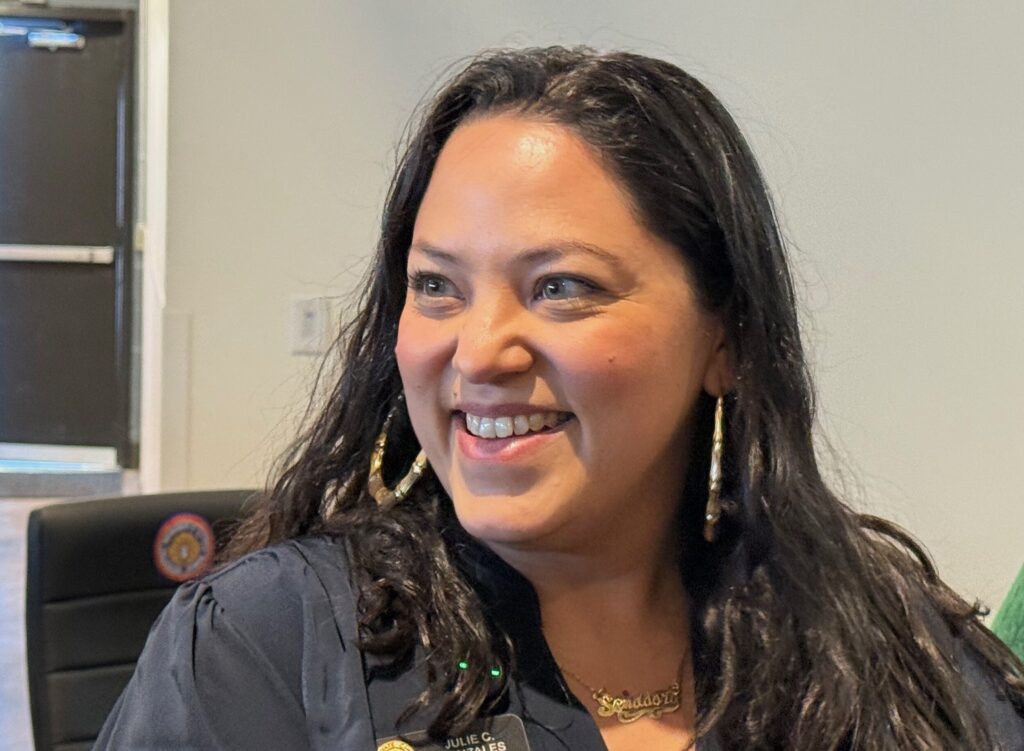
Hickenlooper primary challenger Julie Gonzales endorsed by national progressive group Indivisible
Ernest Luning
ernest.luning@coloradopolitics.com
Updated 1 week ago
State Sen. Julie Gonzales’ bid to challenge U.S. Sen. John Hickenlooper in Colorado’s Democratic primary got a boost Tuesday from Indivisible when the national arm of the progressive grassroots group endorsed the Denver lawmaker. The national group’s endorsement comes less...
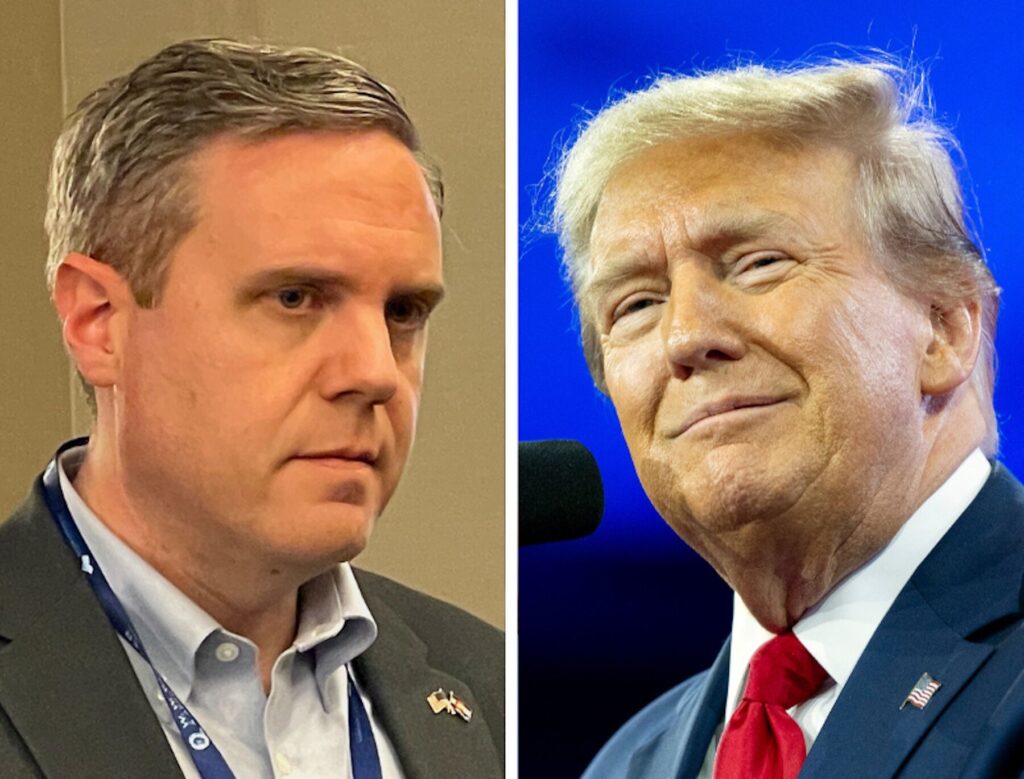
Trump switches endorsement back to Jeff Hurd, says Hope Scheppelman is ending run in Colorado’s 3rd CD
Ernest Luning
ernest.luning@coloradopolitics.com
Updated 1 week ago
In a surprise twist, President Donald Trump on Friday said he is again endorsing Republican U.S. Rep. Jeff Hurd after pulling his support from the Grand Junction Republican last month and instead backing his primary challenger in Colorado’s 3rd Congressional...

Democrat Matt Cavanaugh ends campaign in Colorado’s 5th CD, says petition firm came up short
Ernest Luning
ernest.luning@coloradopolitics.com
Updated 2 weeks ago
Democratic congressional candidate Matt Cavanaugh said Wednesday that he was ending his bid to challenge Republican U.S. Rep. Jeff Crank in Colorado’s 5th District because the firm his campaign hired to gather petition signatures failed to deliver. Cavanaugh, an Army...
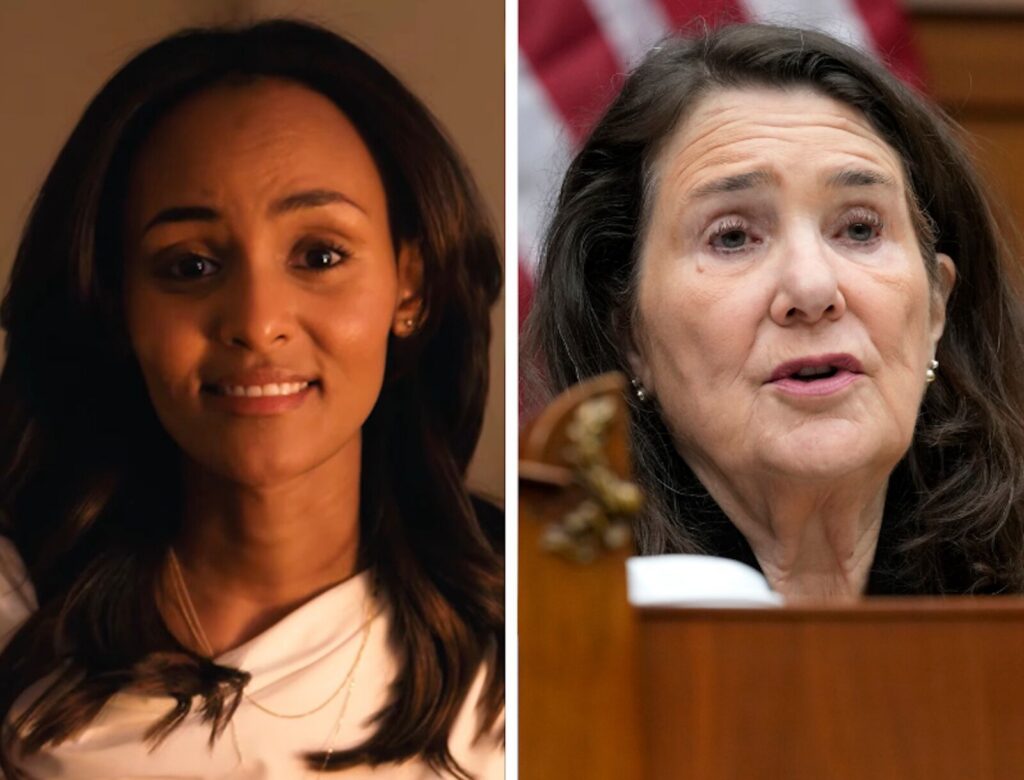
DeGette challenger Melat Kiros trounces 15-term Democratic incumbent in Denver delegate vote
Ernest Luning
ernest.luning@coloradopolitics.com
Updated 2 weeks ago
The 28-year-old, first-time candidate challenging Democratic U.S. Rep. Diana DeGette in this year’s primary soundly defeated the 15-term incumbent in a delegate preference poll conducted Saturday at a county party assembly in Denver. Melat Kiros, the daughter of Ethiopian immigrants...
Army veterans Jessica Killin, Joe Reagan qualify for Democratic primary ballot in Colorado’s 5th CD
Ernest Luning
ernest.luning@coloradopolitics.com
Updated 2 weeks ago
Democratic congressional candidates Jessica Killin and Joe Reagan secured spots Saturday in Colorado’s June primary to decide who will run against Republican U.S. Rep. Jeff Crank in a district that’s only ever sent GOP lawmakers to Congress. The two Democrats,...