

Survey from Ford Amphitheater owner touts support for noise bill moving through legislature
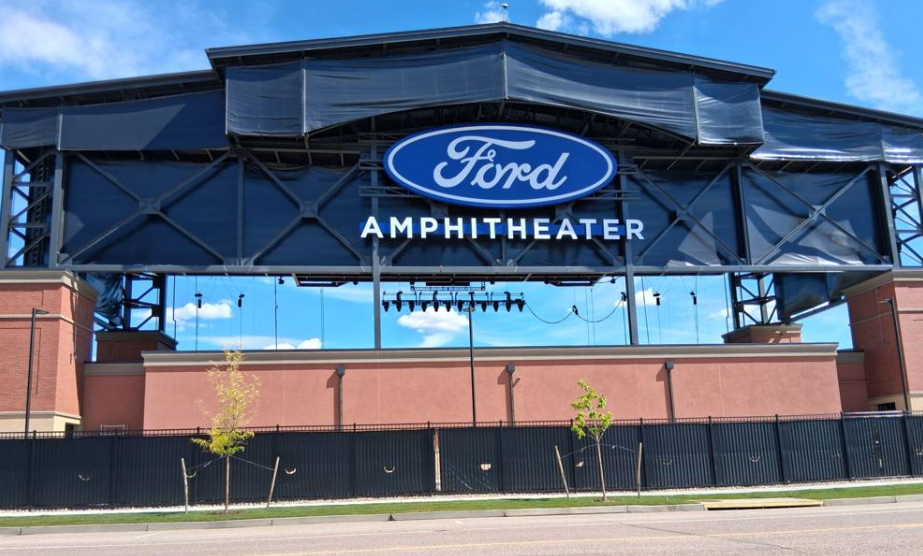
A bill that would help Ford Amphitheater and other for-profit concert venues receive noise exemption permits for future concerts is being considered by a state House subcommittee after passing the Senate on a 30-4 vote this month.
State lawmakers introduced Senate Bill 98 after a 2025 Colorado Supreme Court ruling in a noise pollution case in Salida. The court ruled that local governments could not provide private businesses with exemptions to the maximum noise levels set in the Noise Abatement Act, a decision that many have watched for potential impacts on the debated noise pollution from Ford Amphitheater in Colorado Springs.
A public opinion survey commissioned by the amphitheater’s owners and released Wednesday found widespread support for a bill that would “restore the ability of local governments to set and enforce their own noise standards.” The described bill was supported by 82% of people surveyed statewide and 78% of respondents in Colorado Springs.
The survey was commissioned by VENU, the Colorado Springs-based entertainment company that runs the Phil Long Music Hall and Ford Amphitheater, along with brand public relations agency LSG. The online and phone poll surveyed 400 Colorado Springs residents and 800 Colorado residents in the middle of March.
VENU founder and CEO JW Roth has campaigned for the bill as part of the Colorado Local Control Coalition along with the Colorado Music Industry Alliance, the Colorado Brewers Guild and other entertainment groups. Roth said the poll results backed up the statements given to state lawmakers about the need for the law.
“I wanted to be super-accurate. At the end of the day, it’s overwhelming the support Ford Amphitheater has and really overwhelming the support this bill has,” Roth said.
The Local Control Coalition and a group of Colorado Springs residents with complaints about the amphitheater’s noise disturbances are preparing to lobby representatives over the issue.
The bill would reestablish local governments’ right to issue licenses and permits for noise exemptions, which could set standards higher or lower than the state’s. The bill would also allow nonprofit entities that are using the property for a “cultural, entertainment, athletic or patriotic event” to receive an exemption.
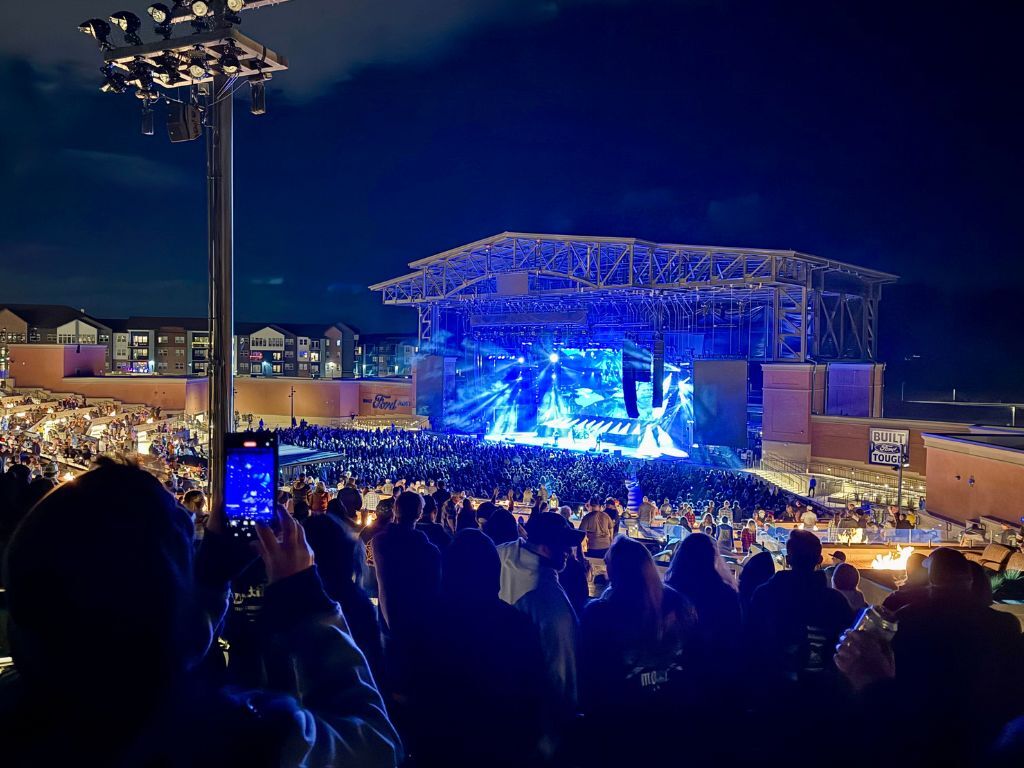
Sen. Larry Liston, R-El Paso County, was one of the bipartisan bill’s lead sponsors. Liston represents a section of Colorado Springs that does not include Ford Amphitheater, and Liston said he doesn’t go to a lot of concerts. He said his interest in the bill was primarily about keeping local control.
“We don’t need to hire people to be, sorry for using the term, the ‘concert nazis’ going around the state, saying you have to do it our way. Let the local officials figure it out,” Liston said.
Roth said the venue has not received a noise hardship permit for the 2026 concert season. Immediately after the Supreme Court ruling, VENU said it planned to run Ford Amphitheater through the VENU Arts & Culture Foundation, a nonprofit set up to lease out the venue for events.
Roth said the amphitheater was also prepared to self-regulate the upcoming concerts, using the noise monitoring system installed in neighborhoods last year through an agreement with Colorado Springs to ensure concert organizers were staying within the state limits.
Murray Relf, a longtime critic of the noise coming from the amphitheater, said the last two years showed how difficult it was to get the local government to enact noise restrictions.
In Colorado Springs, noise hardship exemptions are evaluated by the mayor’s office or a member of the Colorado Springs Police Department to whom the mayor delegates authority. It took packed city hall events and community meetings after Ford Amphitheater opened in 2024 before the noise hardship permit was established.
“We heard this commentary to talk to local officials to fix it. Well, the City Council says it’s not their job. The mayor won’t meet with you. When you try your local senator, he won’t meet with you either,” Relf said.
In January, eight people living near Ford Amphitheater filed a public nuisance lawsuit against the companies set up to manage the amphitheater. The lawsuit said the plaintiffs had been subjected to excess noise pollution since fall 2024, disrupting sleep and distressing their children. The lawsuit is ongoing in 4th Judicial District Court.
Relf dismissed the survey findings as a “push poll” designed to avoid some of the bigger questions. He said the issue of noise pollution should be treated more like other types of pollution because its effects travel beyond the boundary of the permitted building.
Liston said the bill could provide an opportunity for the Colorado Springs City Council to take a more hands-on role with future noise permits.
“It’s the opportunity for them to have an ordinance saying when there’s going to be a concert, you’ve got to abide by certain rules and regulations. They should not cede their authority to Denver or the mayor,” Liston said.
The survey also offered a window into how much Ford Amphitheater has gained a foothold in Colorado during its first 18 months.
According to the survey, around 64% of Colorado Springs residents had a favorable view of Ford Amphitheater; 63% of respondents said they had never been to the amphitheater, though the ones who had attended were very positive about the experience.
“Thousands of our ticket buyers are from the same neighborhoods as the people that are complaining,” Roth said. “The vast majority of people around the amphitheater think we’re good neighbors.”
In the statewide portion of the survey, only 44% of voters said they were familiar with Ford Amphitheater. In comparison, the same survey found that Red Rocks Amphitheater was known by 92% of people.
According to its website, Ford Amphitheater has 13 concerts scheduled during the 2026 season. The first is a May 14 stand-up comedy show featuring John Mulaney, Mike Birbiglia and Fred Armisen.
Roth said there would be many more acts announced over the coming weeks, including “some of the largest shows coming through the state.”


Threats inside and out loom for Colorado’s Republicans | Dick Wadhams
Dick Wadhams
dick-wadhams@coloradopolitics.com
Updated 15 hours ago
Colorado Republicans made strides in 2024 despite an insidious state chairman who tried to defeat successful Republican candidates. Newly elected U.S. Reps. Gabe Evans, Jeff Hurd and Jeff Crank fought off unethical opposition from their own state party chairman, making...

Is it time for both parties to bail on Colorado’s political nominating system? | Miller Hudson
Miller Hudson
miller-hudson@coloradopolitics.com
Updated 15 hours ago
Cracks are beginning to appear in Colorado’s political nominating system. Recently, Mario Nicolais, a formerly Republican-leaning pundit, and Doug Friednash, former Democratic legislator, have opined regarding the imminent demise of the caucus/assembly framework which controls partisan candidate selection. There has...

Recognizing the value of generational work | Rachel Gabel
Rachel Gabel
rachel-gabel@coloradopolitics.com
Updated 15 hours ago
The Lesser Prairie Chicken habitat in southeastern Colorado is a swath of prairie that begins in Cheyenne and far-southeastern Lincoln counties and moves south and east into Kiowa, Prowers and Baca counties. This is cattle country where the short grass...
Why the controversy with mail-in ballots? | Cronin & Loevy
Tom Cronin Bob Loevy
tom-cronin-bob-loevy@coloradopolitics.com
Updated 15 hours ago
Most Coloradans enjoy the right to vote “by mail” at election time. Most Americans favor this process. But U.S. President Donald Trump is trying to federalize (nationalize) this practice and shift the supervision of voting from county clerks to the...
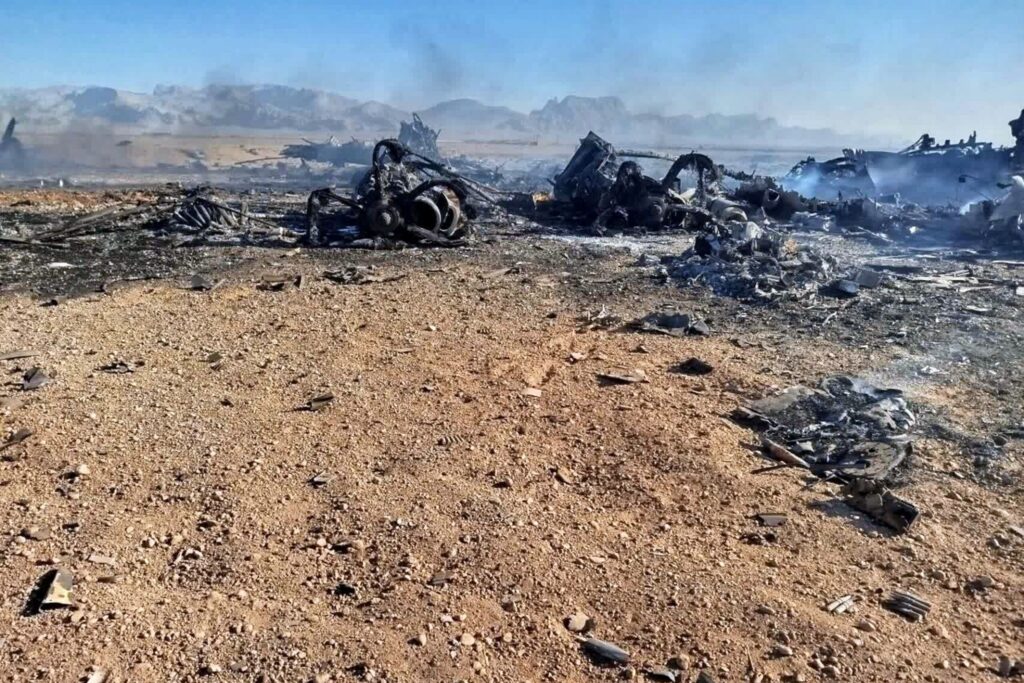
US service member missing after Iran shot down fighter jet has been rescued, US officials say
Associated Press
associated-press@coloradopolitics.com
Updated 17 hours ago
JERUSALEM — President Donald Trump announced early Sunday that the U.S. had rescued an aviator nearly two days after he was shot down over Iran. The extraction came after a frantic search in what appears to be a remote, mountainous region of...

Who are the kings being crowned here in Colorado? | Jon Caldara
Jon Caldara
jon-caldara@coloradopolitics.com
Updated 3 days ago
Though most of us celebrate “No Kings Day” on July 4, the Trump-deranged got a head start last weekend with rallies around the state. Attendees bravely fought oppression by blocking traffic for people with jobs. Rally-goers demanded freedom from tyranny,...
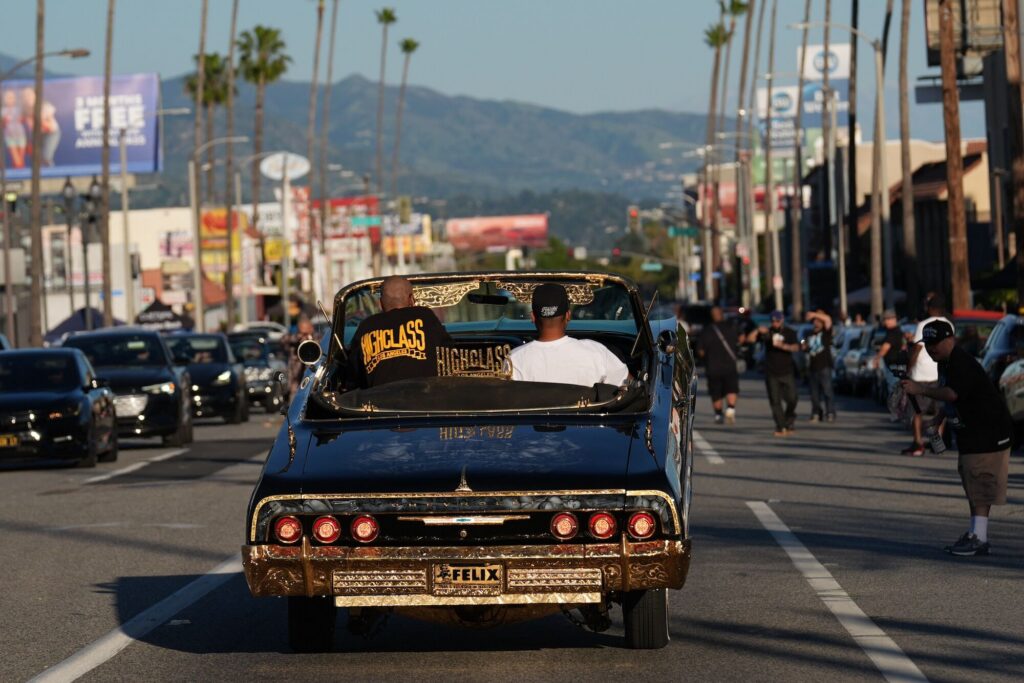
Low and slow meets forever: US postage stamps honor lowrider car culture | OUT WEST ROUNDUP
The Associated Press
the-associated-press@coloradopolitics.com
Updated 5 days ago
NEW MEXICO Stamps honor lowrider culture ALBUQUERQUE — From Mexican American and Chicano barrios in the American Southwest to the halls of the Smithsonian on the National Mall and even the streets of Japan, lowrider culture has become part of...
An April Fool’s Day to remember | Capitol M | Week of April 4, 2026
Marianne Goodland
marianne.goodland@coloradopolitics.com
Updated 4 days ago
The lighter side of the Capitol, and if light were weight, the Capitol would have lifted off better than the Artemis II rocket on April Fool’s Day. There was a plethora of Fools at the Capitol for April Fool’s Day...
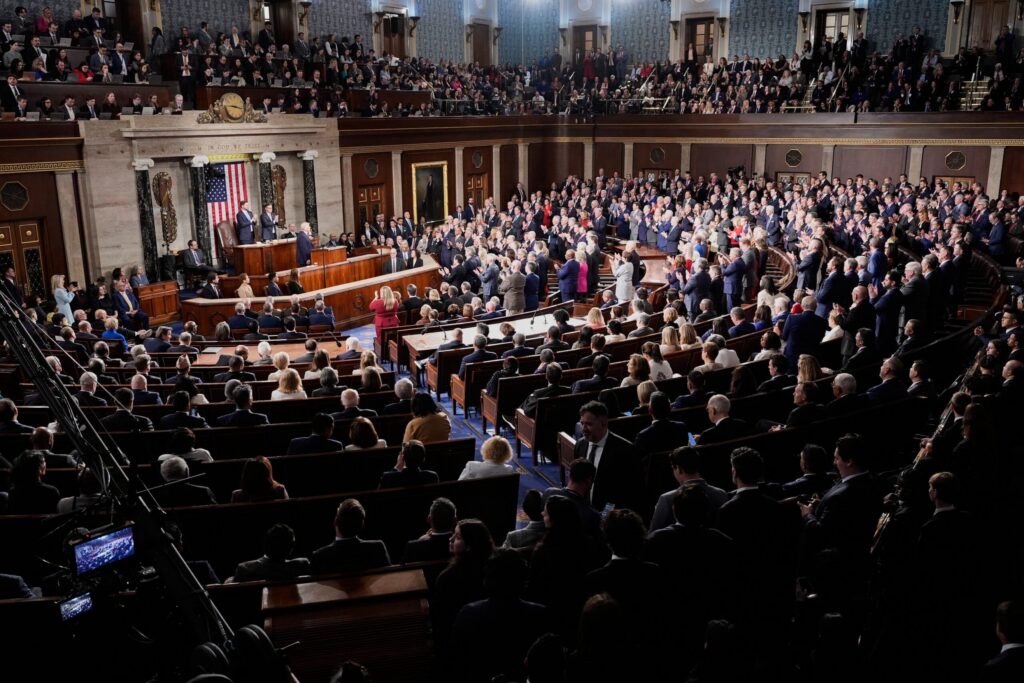
Democrats rebounding without learning necessary lessons | SONDERMANN
Eric Sondermann
eric-sondermann@coloradopolitics.com
Updated 2 days ago
“When we fight, we win!” That, reportedly, was the chant heard over and over again at the Colorado Democratic Assembly a week ago. It suggests that pugilism has been the piece missing from the Democratic toolkit. Perhaps it was just...
Colorado Politics Calendar Apr. 6-12
Rachael Wright, Special to Colorado Politics
rachael.wright@coloradopolitics.com
Updated 5 days ago
CoPo’s weekly political calendar will help you find political and public-policy events throughout Colorado. It includes candidate and issue campaign events, public policy meetings, court hearings, state and local party conventions, assemblies, debates, rallies, parades, speaking engagements, traveling dignitary appearances,...