

Oklahoma’s governor picks energy executive Alan Armstrong to fill US Senate seat | OUT WEST ROUNDUP
OKLAHOMA
Governor makes US Senate pick
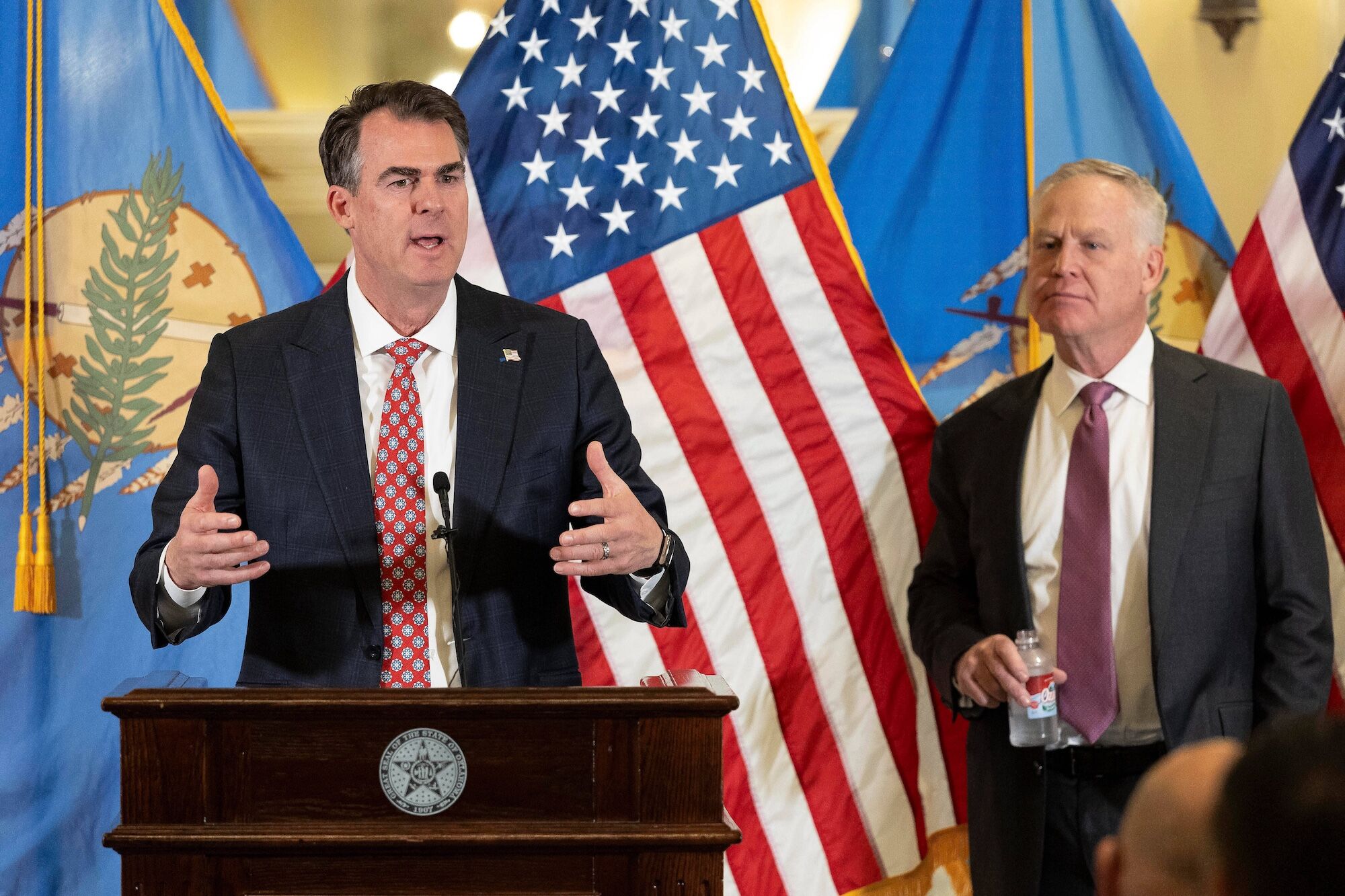
OKLAHOMA CITY — Oklahoma’s governor on March 24 appointed energy executive Alan Armstrong to serve in the U.S. Senate through the end of the year and finish the term of Republican Markwayne Mullin, the new homeland security secretary.
The choice by Republican Gov. Kevin Stitt, who had pledged to pick a “conservative voice” to fill Mullin’s seat, elevates to the Senate the chairman and former CEO of Williams Companies, a major pipeline operator based in Tulsa.
Armstrong was formally sworn into office on the afternoon of March 24 in Washington while Oklahoma’s senior U.S. Sen. James Lankford stood beside him.
Mullin, who was confirmed a day earlier to take over the embattled Department of Homeland Security, would have been up for reelection in November.
The remainder of Mullin’s term until November’s election results are certified will now be filled by Armstrong, who under Oklahoma law must agree to not run for a full term this fall.
Republican U.S. Rep Kevin Hern quickly announced his candidacy for the Senate seat and has already been endorsed by President Donald Trump.
Armstrong, who has never served in elected office, has spent his career with Williams Companies, which employs about 5,800 people and specializes in the collection, storage and transportation of natural gas. He became president and CEO in 2011 and transitioned to executive chairman last year.
Armstrong, 63, said making it easier to get permits for major infrastructure projects in the U.S. will be one of his top priorities in the Senate.
Armstrong said he met with Trump and believes his previous work with Trump’s Secretary of Interior Doug Burgum and Secretary of Energy Chris Wright helped him earn the president’s support.
ARIZONA
March temp records shattered
THERMAL, Calif. — Abnormal heat on the last day of winter and the first day of spring set records in the U.S. Southwest. The Arizona desert community of Martinez Lake hit 110 degrees F on March 19, breaking the record for highest March temperature recorded in the U.S. The next day, two Arizona communities hit 112 degrees F, setting a new record. The National Weather Service said many other cities in the region were expected to see their earliest 100-plus degree-day on record.
The record-setting temperatures was recorded as a winter heat wave scorched the Southwest, according to the National Weather Service.
The previous record of 108 degrees had been set in Rio Grande City, Texas, in 1954 and was tied on March 18 by the tiny desert community of North Shore, California.
By March 19, several more California locations had hit 108 degrees, including the aptly named town of Thermal, northeast of San Diego.
“For some perspective, the average first 105-degree day of the year normally occurs on May 22nd,” NWS said in a statement.
The blistering wave of heat this week has established record highs in dozens of locations, including Phoenix, San Diego, Los Angeles, Las Vegas and San Francisco.
Phoenix reached 105 degrees on March 19, surpassing the previous record of 102 degrees set a day earlier.
March 18 also marked the earliest day of triple-digit temperatures in Phoenix. The last time Phoenix temperatures climbed above 100 during March was almost 40 years ago. Hiking trails around the city were closed because of the risk of heat illness.
ARIZONA
Kalshi hit with criminal charges
Arizona on March 17 became the first state to file criminal charges against Kalshi, accusing the prediction market company of operating an illegal gambling business within its borders, a significant escalation in the fight to regulate the popular platform.
The 20-count charging document accuses Kalshi of accepting bets on political outcomes, college sporting competitions and individual player performance in violation of Arizona’s gambling laws. The state prohibits operating an unlicensed wagering business and bans betting on elections.
The criminal case marks a new front in a high-stakes legal battle over whether prediction markets should be subject to the same rules as gambling companies.
President Donald Trump’s administration has thrown its support behind the multibillion-dollar prediction market industry, further amplifying a state-versus-federal fight for regulatory control. The outcome could have sweeping implications for how sports betting — which makes up roughly 90% of Kalshi’s trading volume — is regulated in the U.S.
Kalshi insists it’s a financial marketplace rather than a gambling operation and should only have to answer to federal regulators with the Commodity Futures Trading Commission. The agency under Trump agrees it has exclusive oversight.
Trump’s eldest son, Donald Trump Jr., is a strategic adviser for Kalshi. And the Republican president’s social media platform, Truth Social, is launching its own cryptocurrency-based prediction market called Truth Predict.
U.S. District Judge Michael Liburdi in Arizona, a Trump appointee, denied Kalshi’s request for a temporary block and ordered the company to demonstrate why the case should be in federal court given the new state charges.
WYOMING
Gubernatorial candidate leaves GOP
CHEYENNE — Joseph Kibler, a Cheyenne man running for governor of Wyoming, has changed his party affiliation again after leaving the Republican party in November to run as a write-in independent.
Now, he is running as a candidate with the Constitution Party.
He said he sees this move to run with a third party as a challenge to the “chokehold” major political parties have over Wyoming and across the nation.
He characterized his time as an independent as a necessary step back to determine the correct path forward for a campaign built on constitutional and conservative values.
Joshua Shimkus, chairman of the Constitution Party of Wyoming, welcomed Kibler’s move to his party.
Kibler, a former firefighter and current web design business owner who moved to Wyoming from California in 2020, has leveraged the fact that he is not a “career politician” throughout his campaign.
The Constitution Party was founded in 1990 as the American Taxpayers Party and changed its name to the Constitution Party in 2000. The platform advocates for a strict interpretation of the Constitution and more power for states.
Kibler’s energy policy focuses on Wyoming’s traditional strengths, supporting oil, gas and coal, as well as nuclear energy, while remaining skeptical of wind and solar power due to availability and financial concerns.
Incumbent Gov. Mark Gordon will complete his second of two consecutive terms next year and has not announced any further political plans.


Usha Vance launches story time podcast in latest second lady venture
Asher Notheis, Washington Examiner
asher.notheis.washington.examiner@gazetteedit.wpenginepowered.com
Updated 34 minutes ago
Second lady Usha Vance unveiled her new story time podcast of reading children’s stories on Monday. The podcast, Storytime with the Second Lady, features either her reading books or inviting a special guest to read, and is part of her...

Out-of-state judges address ex-discipline director’s lawsuit, Colorado justices accept federal invitation | COURT CRAWL
Michael Karlik
michael.karlik@coloradopolitics.com
Updated 2 hours ago
Welcome to Court Crawl, Colorado Politics’ roundup of news from the third branch of government. A pair of out-of-state judges got down to business in a lawsuit brought by Colorado’s former judicial discipline director, plus the state Supreme Court has...
Power grid shutdowns in Colorado bring protection — and problems
Scott Weiser
scott.weiser@gazette.com
Updated 2 hours ago
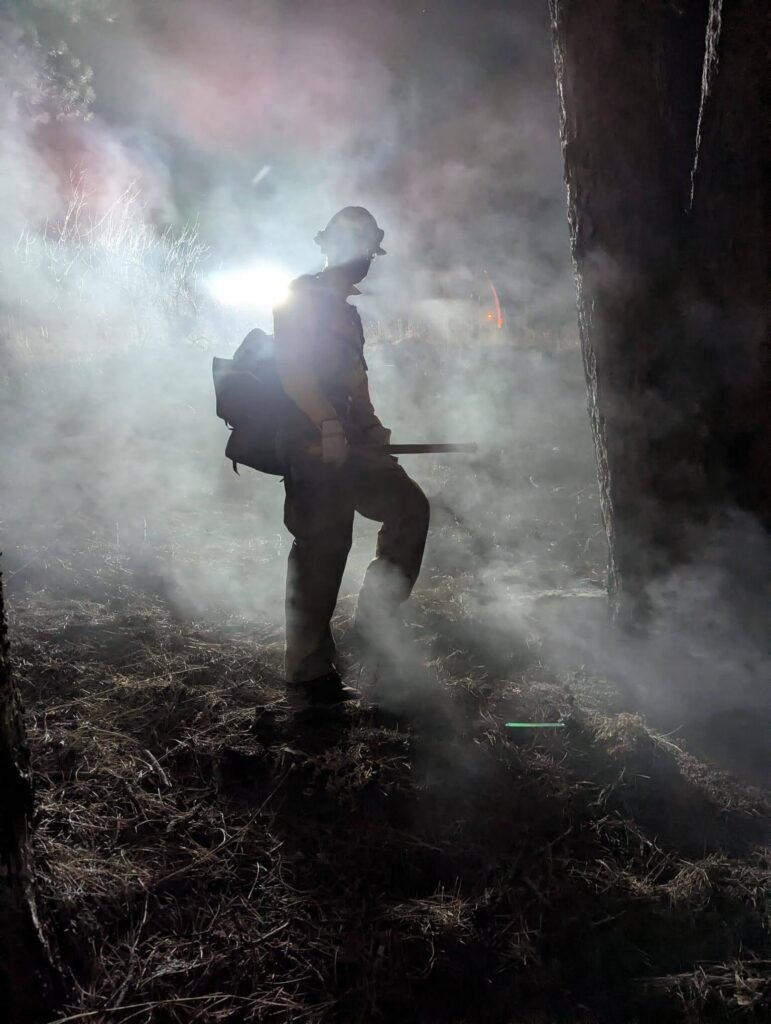
A downed power line in Sunshine Canyon in the mountains west of Boulder in December posed an electrocution risk to firefighters and bystanders after Xcel Energy re-energized it without repairing it, despite being notified of the break the day before....
Aurora wildland fire contained at Buckley Space Force Base
Nicholas Fogleman
nicholas.fogleman@denvergazette.com
Updated 2 hours ago
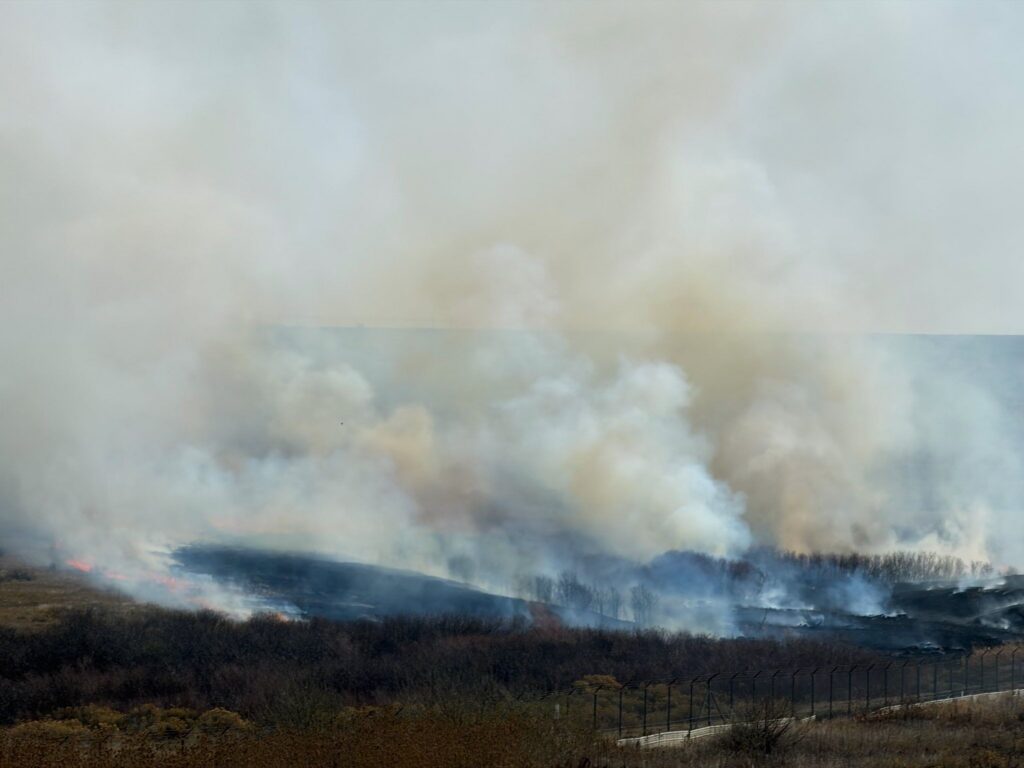
A wildland fire burned Sunday morning on the southwest end of Buckley Space Force Base in Aurora, authorities said. The fire no longer posed a threat and crews were clearing the scene as of 10:53 a.m., according to Aurora Fire...

Unsustainable: How Colorado’s Medicaid spending exploded
Nico Brambila
nico.brambila@denvergazette.com
Updated 4 hours ago
The state’s Medicaid program — which covers about one in four Coloradans — is poised for its largest single-year jump in at least two decades, with officials proposing a $2.3 billion increase, even as lawmakers face a $1.5 billion budget...
Phil Weiser wins top spot in Colorado’s Democratic gubernatorial primary at party’s state assembly
Ernest Luning
ernest.luning@coloradopolitics.com
Updated 2 days ago
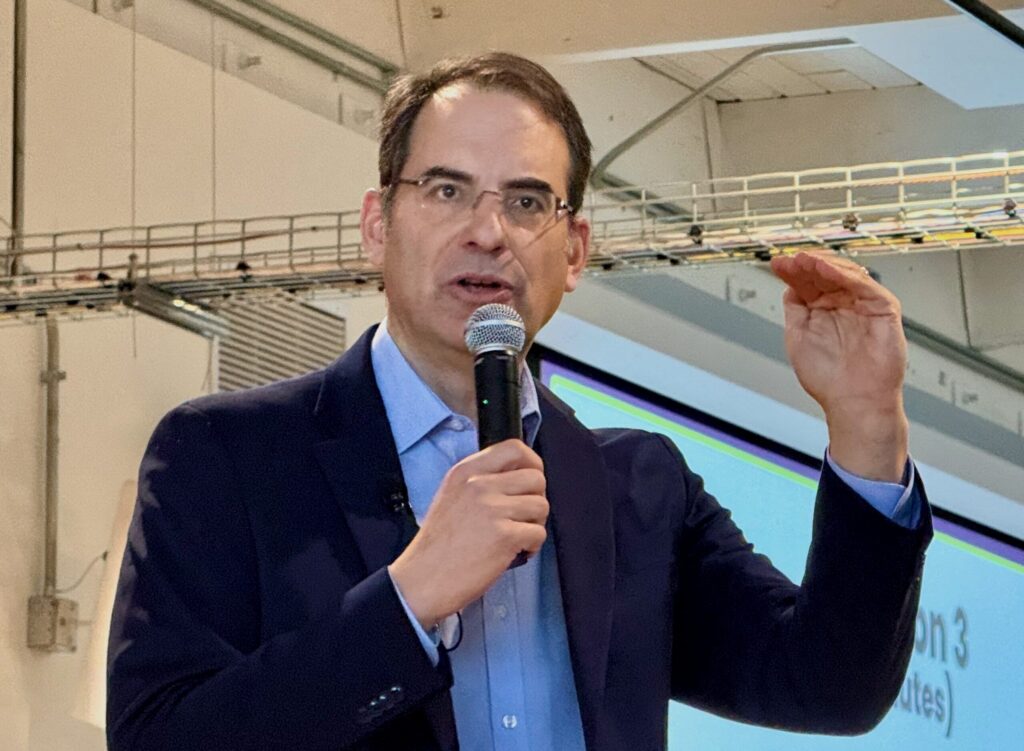
Attorney General Phil Weiser’s name will appear first on Colorado’s Democratic gubernatorial primary ballot after his overwhelming win Saturday at the party’s state assembly in Pueblo. Weiser joins U.S. Sen. Michael Bennet in the June 30 primary for the office...
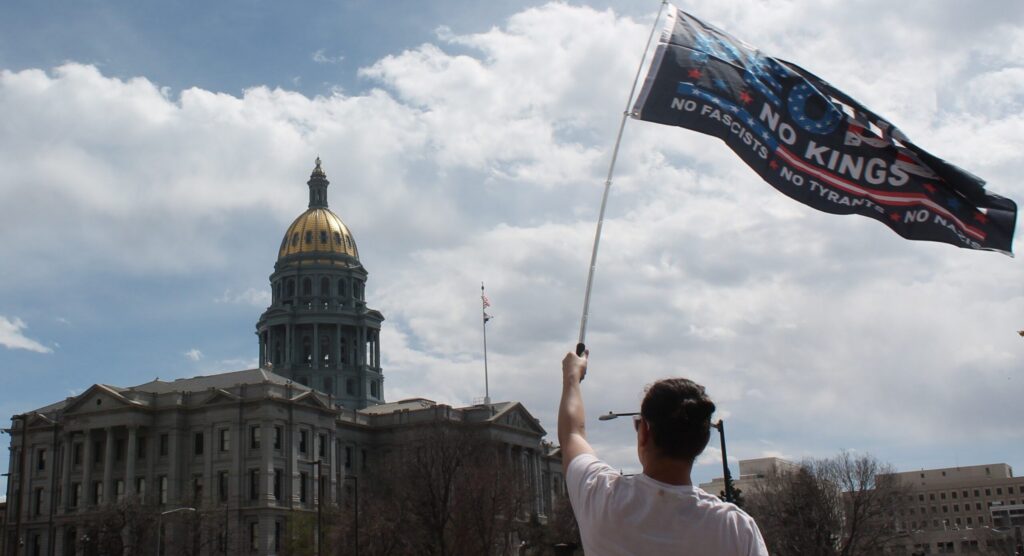
‘No Kings’ protest draws tens of thousands to Colorado state Capitol
Matt Kyle
matt.kyle@denvergazette.com
Updated 2 days ago
The third round of the national No Kings Day protests hit Denver Saturday, when tens of thousands gathered near the Colorado state Capitol to criticize the Trump administration. Organizers addressing the crowd estimated there were 30,000 present for the Saturday...
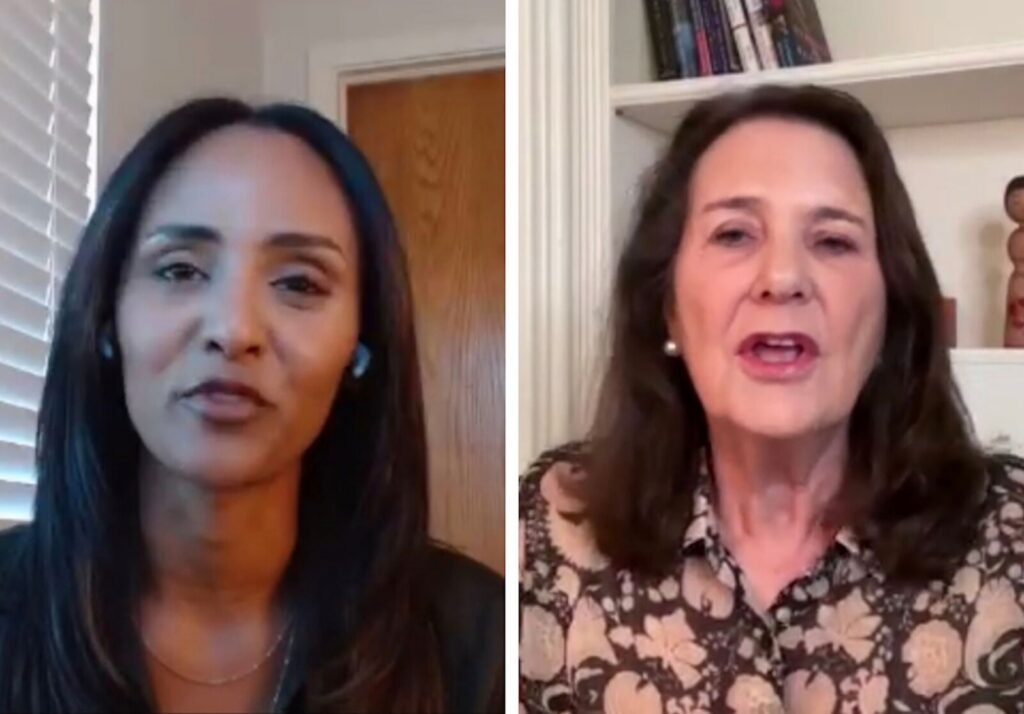
Denver Democrat Diana DeGette trails challenger Melat Kiros at assembly as both qualify for primary
Ernest Luning
ernest.luning@coloradopolitics.com
Updated 2 days ago
U.S. Rep Diana DeGette, a Denver Democrat, qualified for Colorado’s June primary by the skin of her teeth Friday at the party’s district assembly, where the 15-term incumbent received fewer than half as many delegate votes as her challenger, 28-year-old...

Kwame Spearman warrants plenty of criticism, not cancellation | SONDERMANN
By Eric Sondermann
by-eric-sondermann@coloradopolitics.com
Updated 4 days ago
All of us are flawed humans, some more so than others. This is the tale of Kwame Spearman who burst onto Denver’s business and political scene a handful of years back. His ride has taken a downhill trajectory. Within the...

Colorado Politics Calendar Mar. 30-Apr. 5
Rachael Wright, Special to Colorado Politics
rachael.wright@coloradopolitics.com
Updated 3 days ago
CoPo’s weekly political calendar will help you find political and public-policy events throughout Colorado. It includes candidate and issue campaign events, public policy meetings, court hearings, state and local party conventions, assemblies, debates, rallies, parades, speaking engagements, traveling dignitary appearances,...
PREV
PREVIOUS

Unsustainable: How Colorado's Medicaid spending exploded
The state’s Medicaid program — which covers about one in four Coloradans — is poised for its largest single-year jump in at least two decades, with officials proposing a $2.3 billion increase, even as lawmakers face a $1.5 billion budget shortfall. The data shows Medicaid enrollment has grown steadily, while spending has increased far more […]
Aurora wildland fire contained at Buckley Space Force Base
A wildland fire burned Sunday morning on the southwest end of Buckley Space Force Base in Aurora, authorities said. The fire no longer posed a threat and crews were clearing the scene as of 10:53 a.m., according to Aurora Fire Rescue. Aurora Fire Rescue and the Aurora Police Department first responded to the fire burning […]