

Farmworker overtime bill advances after lengthy debate in Colorado Senate
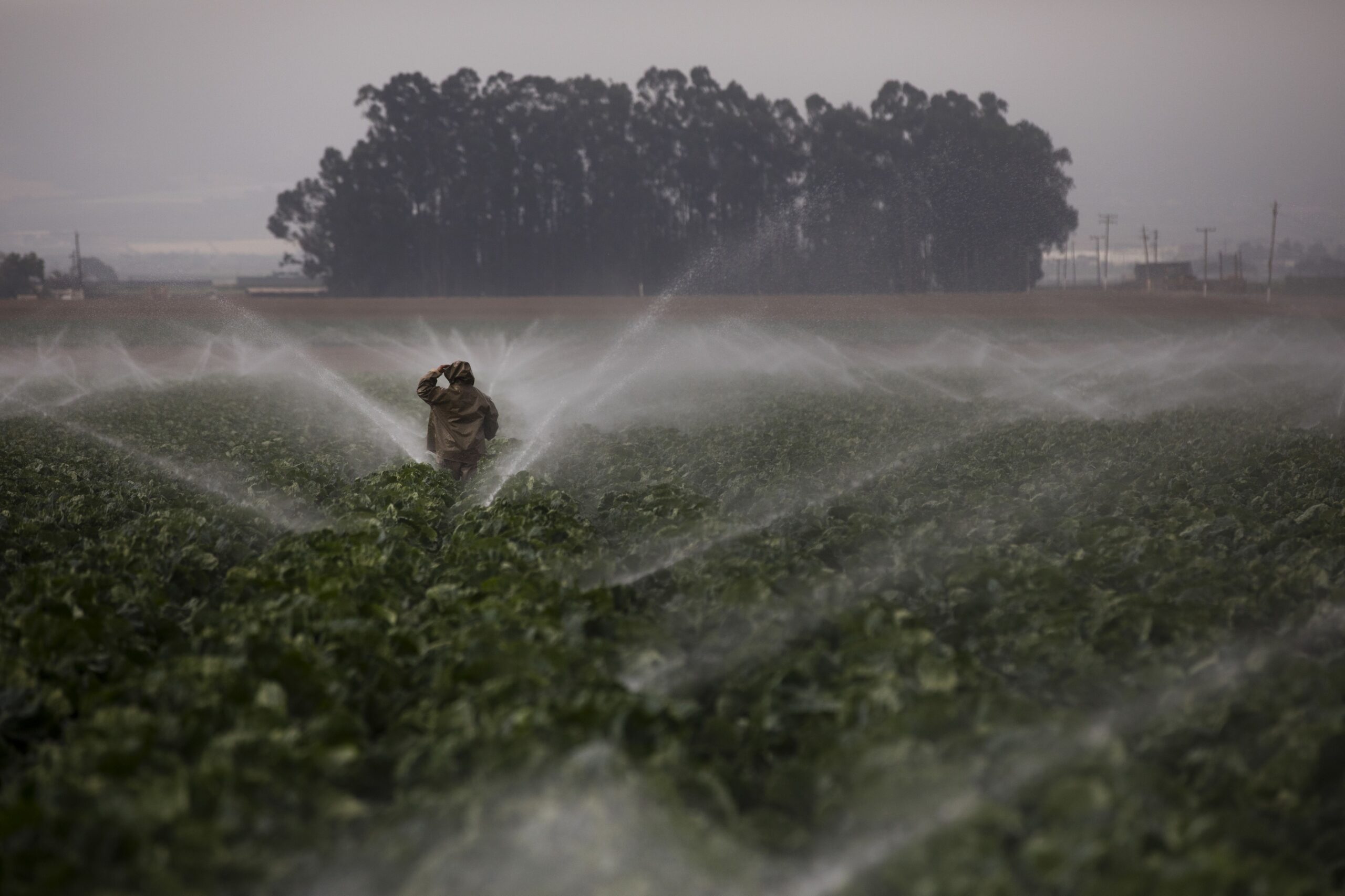
The Colorado Senate on Tuesday narrowly advanced a bill to raise the overtime threshold for agricultural workers, defeating more than a dozen amendments from its leading opponent aimed at rewriting the measure.
As introduced, Senate Bill 121 would raise the threshold for overtime pay from its current 48 to 56 hours during production season to 60 hours.
The bill was amended by the Senate on Tuesday with 56 hours as the threshold.
SB 121 is sponsored by a bipartisan group that includes Senate Majority Leader Robert Rodriguez, D-Denver and Senate Minority Leader Cleave Simpson, R-Alamosa.
But Sen. Jessie Danielson, D-Wheat Ridge, who sponsored the 2021 legislation that led to the 48-hour threshold, mounted a lengthy attack on the bill, with a dozen amendments carried by other Democratic senators.
Danielson ran a competing bill that would have lowered the threshold to 40 hours, but the measure was rejected last week by the same Senate Business, Labor, and Technology Committee that advanced SB 121.
Danielson is the committee’s chair.
Simpson noted that lowering the threshold to 40 hours will force farmers to mechanize, eliminating workers. It would also reduce workers’ total pay when farmers cut off hours at 40 to eliminate overtime pay.
Two studies have shown that each farm worker loses thousands of dollars annually due to 40-hour workweek laws in agriculture.
Rodriguez argued that farmers can’t simply raise their prices to cover higher labor costs because market forces—not individual producers—set what they can charge.
At the end of the debate, Sen. Adrienne Benavidez, D‑Adams County, who planned to vote against the bill, said it was the first measure since she joined the Senate last month that received the level of debate it deserved.
Two amendments with recorded votes during the committee of the whole report could be an indication of how the final vote will look. The amendments, which sought to raise the bill’s threshold to 40 hours, failed on 11-23 and 12-22 votes.
The bill will move on to the Senate for a final vote, which could be as soon as Wednesday.

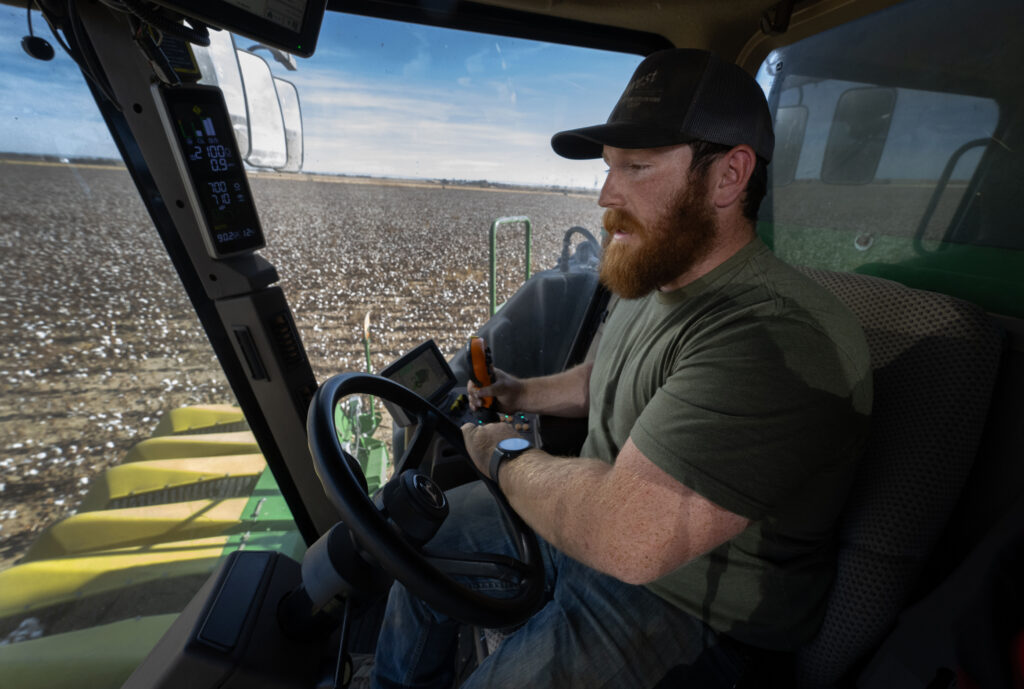
Colorado farmers begin spring planting season with soaring fertilizer costs and price-gouging fears
Marianne Goodland
marianne.goodland@coloradopolitics.com
Updated 4 days ago
As Colorado farmers prepare their fields for spring planting, many are sounding the alarm over fertilizer prices that have surged far beyond what they say global supply disruptions can explain. With nitrogen costs up 30% in a matter of days,...
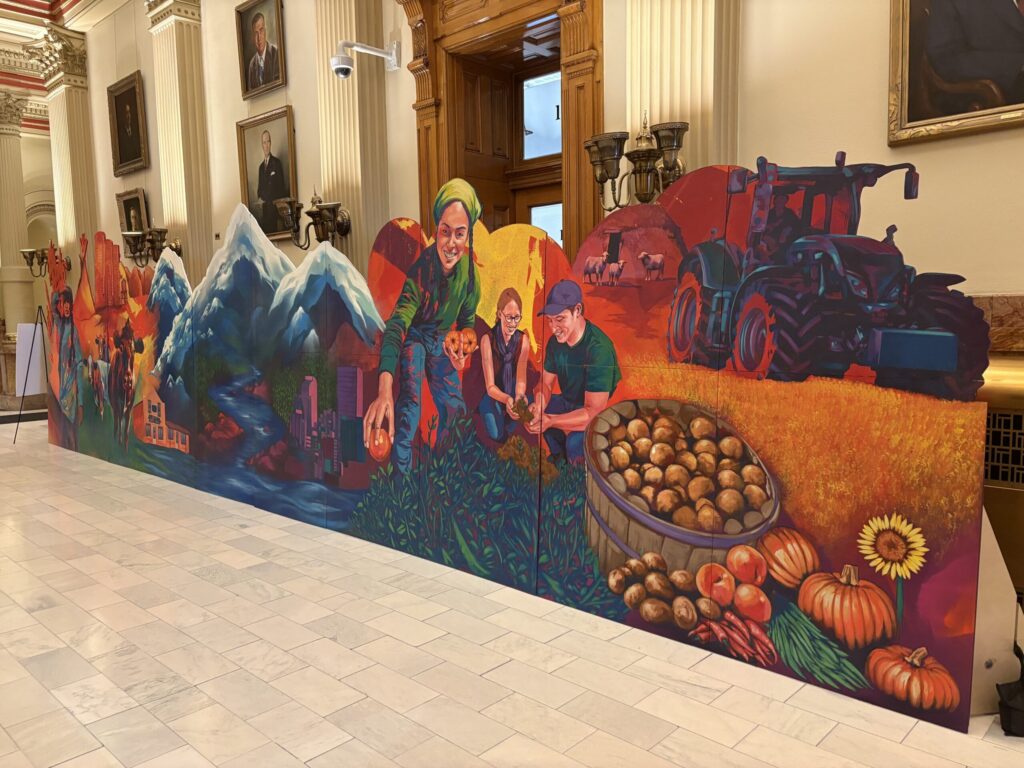
Colorado Agriculture Day: A feast for the ears, eyes and stomachs
Marianne Goodland
marianne.goodland@coloradopolitics.com
Updated 7 days ago
Gov. Jared Polis, legislators and friends of agriculture gathered at the state Capitol on Tuesday to celebrate Colorado Agriculture Day. The annual recognition of the contributions of Colorado farmers, ranchers and agribusiness drew hundreds to the Capitol’s west foyer, where...
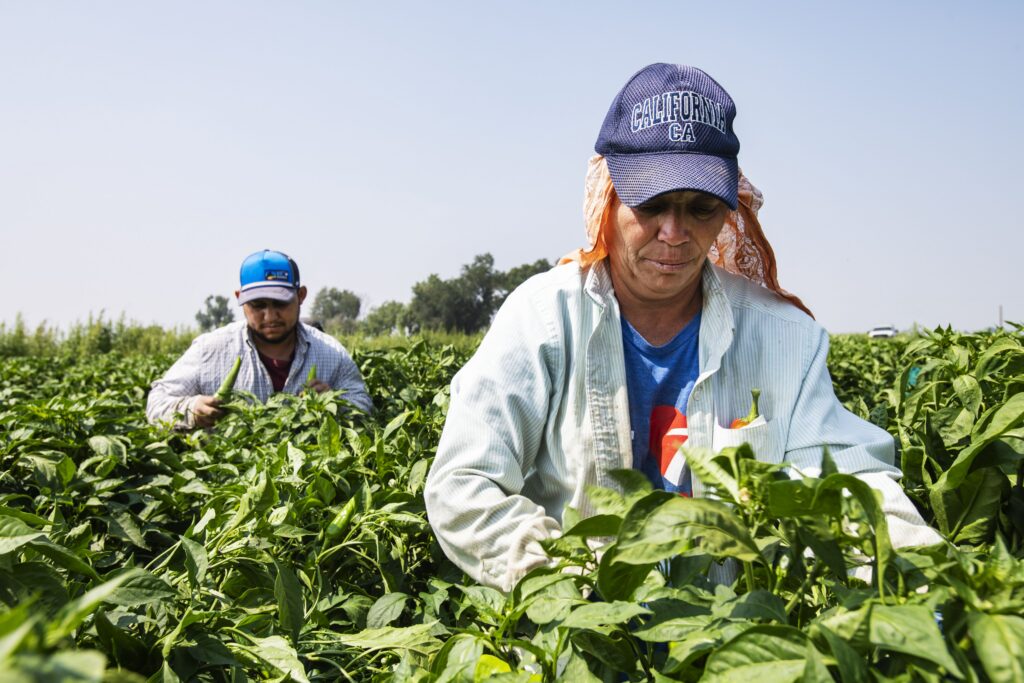
Colorado Senate committee advances bill increasing overtime threshold for farmworkers
Marianne Goodland
marianne.goodland@coloradopolitics.com
Updated 1 week ago
The struggle to balance farmworker protections with the survival of Colorado’s family farms took center stage Thursday as senators debated two competing overtime bills. The Senate Business, Labor and Technology Committee held a rare double-bill hearing that led to a...

Department of Agriculture warns of packages holding potentially invasive seeds
Michael Braithwaite
michael.braithwaite@gazette.com
Updated 3 weeks ago
Spring planting is around the corner, and the Colorado Department of Agriculture wants residents to know where their seeds are coming from. Officials with the department warned Tuesday that they received reports of unsolicited packages containing plant seeds mailed internationally...
More than 20 Colorado counties receive grants to improve land record-keeping systems
Maren Prince
maren.prince@denvergazette.com
Updated 4 weeks ago
More than 20 Colorado counties received a total of $2.5 million to improve their land record-keeping systems, according to a Monday news release. The State’s Electronic Recording Technology Board awarded 22 counties with grants ranging from $5,000 to $350,000, according...
JBS strike could trip up Greeley’s economic surge
Hap Fry, Special to The Gazette
hap-fry@gazette.com
Updated 2 months ago
GREELEY – The upward trajectory of Greeley has been hard to match by other Colorado communities in the here and now. The city is on the verge of experiencing dramatic growth and change. Greeley is in the midst of developing a...
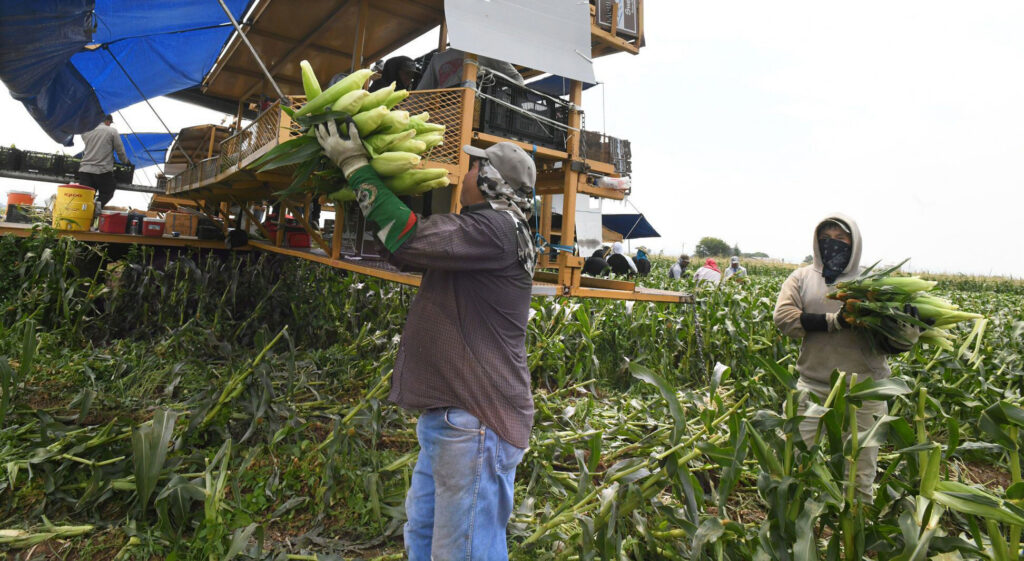
A fight over seeds and bees: Colorado Democrats target neonicotinoid pesticides
Marianne Goodland
marianne.goodland@coloradopolitics.com
Updated 2 months ago
Colorado lawmakers are weighing new restrictions on a class of pesticides after Gov. Jared Polis signaled support for a Democratic-backed bill aimed at protecting pollinators — a proposal that has raised sharp worries from farmers who rely on treated seeds...

We tested vapes in Colorado for signs of hemp. This is what we found.
Christopher Osher
chris.osher@gazette.com
Updated 2 months ago
This article was produced for ProPublica’s Local Reporting Network in partnership with The Denver Gazette. Sign up for Dispatches to get our stories in your inbox every week. Leaders in the Colorado marijuana industry have complained in recent years that...
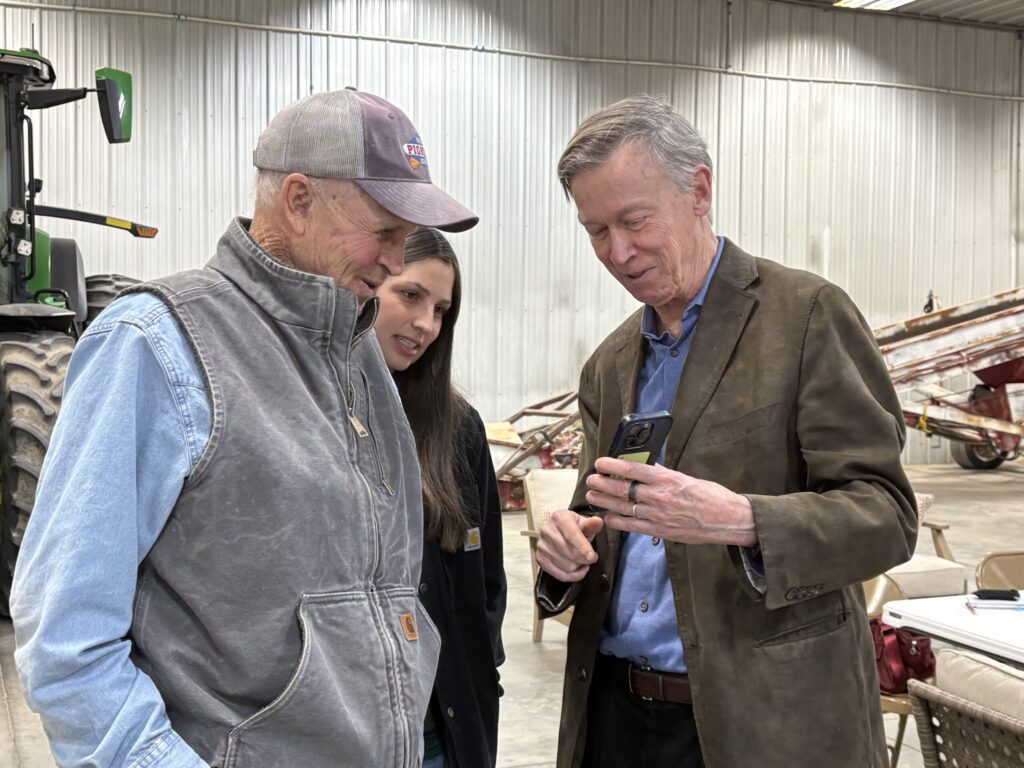
Colorado farmers warn U.S. Sen. John Hickenlooper tariffs and research cuts endanger agriculture
Marianne Goodland
marianne.goodland@coloradopolitics.com
Updated 2 months ago
Northern Colorado farmers told U.S. Sen. John Hickenlooper this week that tariffs and President Donald Trump’s decision to import $40 billion worth of beef from Argentina have hurt Colorado’s agricultural industry. But the administration’s cuts to scientific research are almost...

47th Citizen of the West: ‘Epitome of Western traditions and values’
Joanne Davidson Special to Colorado Politics
joanne-davidson-special-to-colorado-politics@coloradopolitics.com
Updated 3 months ago
The 47th Citizen of the West, George Eidsness, grew up on a farm in North Dakota where his appreciation for the Western way of life took shape as he rode horses, showed cattle in 4-H and shared in the often back-breaking chores necessary to maintain a farm. It was that hard work and a deep...
PREV
PREVIOUS
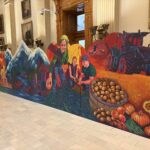
Colorado Agriculture Day: A feast for the ears, eyes and stomachs
Gov. Jared Polis, legislators and friends of agriculture gathered at the state Capitol on Tuesday to celebrate Colorado Agriculture Day. The annual recognition of the contributions of Colorado farmers, ranchers and agribusiness drew hundreds to the Capitol’s west foyer, where a luncheon of lamb, brisket and pulled pork, along with baked beans and potato salad, […]
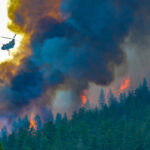
CDOT pivots from snowplowing to wildfire mitigation along highways
Colorado Department of Transportation maintenance crews have launched an early push to clear dry vegetation along highways to reduce the chance that sparks or cigarette butts from passing vehicles might ignite fast-moving fires this summer. With CDOT meteorologists forecasting above-normal wildfire potential — particularly in the mountains and foothills — the department is ramping up […]