

Proposed data center regulation in Colorado draws critics, backers
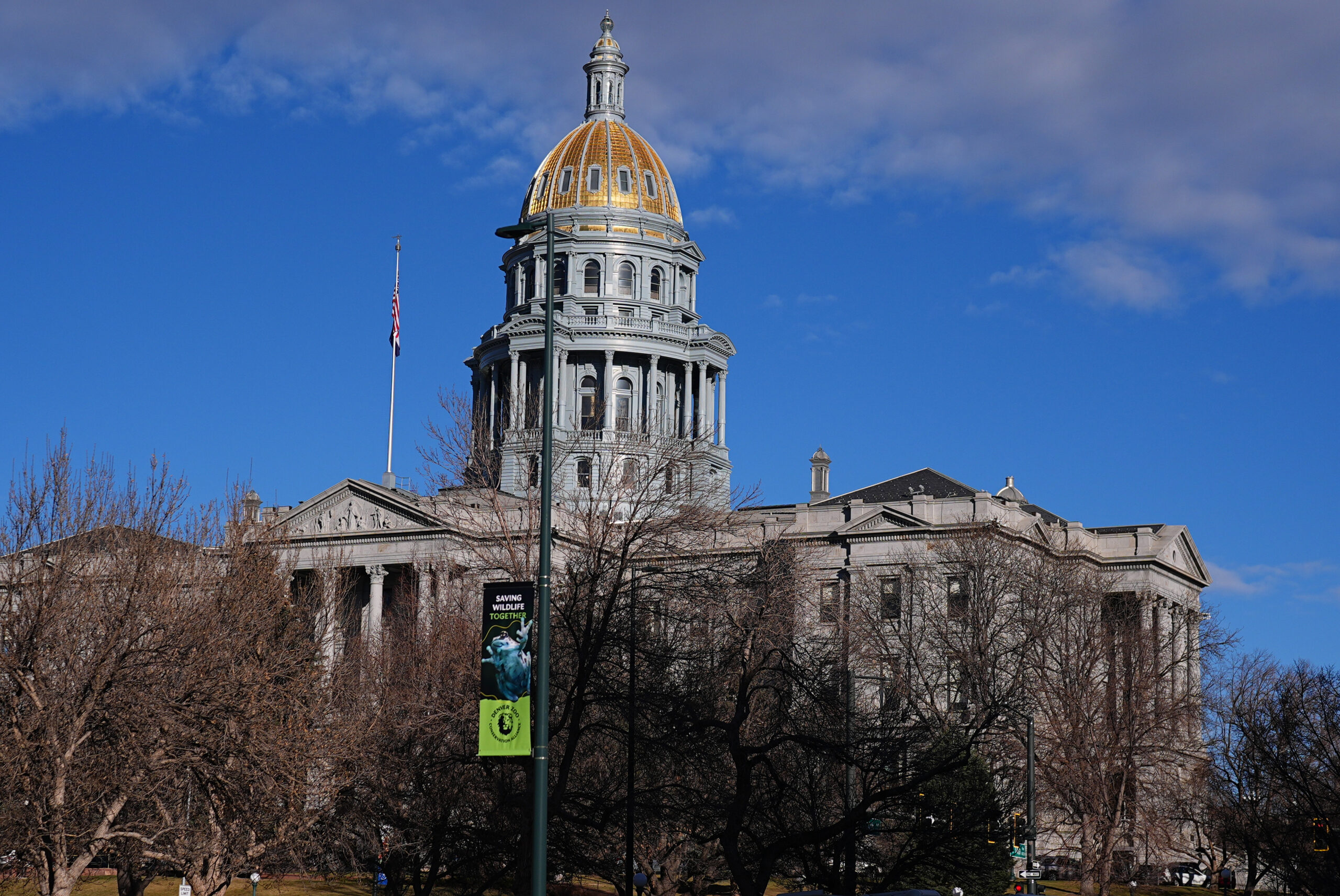
A packed marathon hearing at the state Capitol in Colorado highlighted the sharp divide between two competing approaches to the effects of data centers, one of America’s fastest-growing technology sectors.
Data centers are the physical facilities that host the servers, networking equipment and storage systems — the backbone of the world’s digital infrastructure.
Senate Bill 26-102, sponsored by Sen. Cathy Kipp and Rep. Kyle Brown, imposes several conditions on large-load data centers, notably requiring that 100% of electricity come from new — not existing — renewable resources by 2031. The proposal requires long-term contracts to cover infrastructure costs, water and power reporting, and cumulative impacts analyses, plus community benefit agreements in what’s called “disproportionately impacted neighborhoods.”
The committee delayed the vote on the bill, with sponsors planning to bring it back with amendments.
Opponents said the restrictions would drive artificial intelligence projects elsewhere.
Dan Diorio of the Data Center Coalition, who testified during the Senate Transportation and Energy Committee hearing on Wednesday, said SB 102 “would close off Colorado for development by the industry.”
Opponents also warned the strict rules would deter billions in investment and thousands of construction jobs, pushing the industry toward competing states.
Sandra Hagen Solin, director of the Data Grid Consortium, the industry coalition headquartered in Colorado, emphasized what she described as potentially missed opportunity for economic development in communities transitioning away from coal.
“The practical effect of the policy itself … is that we will not see future investment of data centers into Colorado,” she said.
Supporters, who outnumbered opponents nearly four to one during the hearing, argued the measure would protect ratepayers from subsidizing grid upgrades, while ensuring new data centers bring additional renewable energy online.
“We are supporting SB 102 because it is a responsible regulatory framework that does not contain tax breaks to a booming and profitable sector,” said Caroline Nutter of the Colorado Fiscal Institute.
Deborah Kapiloff of Western Resource Advocates added, “SB 102 recognizes that data centers are coming to Colorado and provides a path forward that will ensure that large data center development advances climate goals… and doesn’t add costs for other utility rate payers.”
Meanwhile, another legislation would create a nine-member Colorado Data Center Development Authority to certify projects that meet labor, wage, efficiency and environmental standards in exchange for a 100% state sales-and-use tax exemption for 20 years.
Under House Bill 26-1030, projects must invest at least $250 million within five years, create jobs at 110% of the county average wage, use prevailing wages and apprenticeships, and install closed-loop cooling systems that don’t need water supplies.
The measure is sponsored by Reps. Alex Valdez and Monica Duran and Sen. Kyle Mullica.
The core philosophical difference in the two measures lies in how eligible energy sources are defined.
SB 102 limits large-load centers to “renewable resources” — solar, wind, geothermal, biomass and limited small hydro. HB 1030 uses the broader term “renewable and clean energy,” including small modular nuclear reactors.
Solin of the data grid group called the distinction decisive.
“The group considers a 2031 requirement for 100% renewable energy unrealistic, given current timelines,” she said in a Feb. 18 interview with The Denver Gazette. “We most certainly need that reliability.”
“A mandated draw-down of power is not workable,” she added.
HB 1030 allows nuclear and small modular reactors, which Solin called “very exciting,” adding that consortium members are already pursuing the technology in other states. The bill also permits flexible backup generation — natural gas, ammonia, biodiesel or battery storage — to meet the industry’s non-negotiable need for uninterrupted power 100% of the time, she said.
In analysis released last October by the global consulting firm Bain & Company, data centers could account for 44% of new U.S. electricity load growth through 2028, requiring utilities to boost annual generation by 7% to 26% above 2023 levels. Meeting global data center demand could cost more than $2 trillion in new generation resources.


Denver airport hasn’t had notice ICE agents will assist TSA yet. Wait times are short, though
Bernadette Berdychowski
bernadette.berdychowski@denvergazette.com
Updated 20 hours ago
As President Donald Trump deployed immigration agents to help U.S. airports manage hours‑long security lines during the partial government shutdown, Denver International Airport remained relatively calm on Monday. At the nation’s third‑busiest airport, TSA PreCheck lanes remained open to start...

Colorado Senate committee advances bill increasing overtime threshold for farmworkers
Marianne Goodland
marianne.goodland@coloradopolitics.com
Updated 3 days ago
The struggle to balance farmworker protections with the survival of Colorado’s family farms took center stage Thursday as senators debated two competing overtime bills. The Senate Business, Labor and Technology Committee held a rare double-bill hearing that led to a...

Colorado bill to fund mental health by raising alcohol taxes defeated in House committee
Marissa Ventrelli
marissa.ventrelli@coloradopolitics.com
Updated 3 days ago
Colorado legislators on Wednesday narrowly rejected a second measure that would raised taxes on alcohol products in order to fund mental health care treatment in the state. Proponents said the new revenue is necessary to help pay for mental health...

Conservation Colorado proposes measures aimed at oil and gas companies
Marissa Ventrelli
marissa.ventrelli@coloradopolitics.com
Updated 3 days ago
A group has introduced four ballot measures it says are meant to counter an initiative that aims to enshrine Colorado businesses and consumers’ right to purchase and sell natural gas in the state’s constitution. Filed with the Secretary of State’s...
Universities sue to block dismantling of Boulder’s NCAR
Scott Weiser
scott.weiser@gazette.com
Updated 5 days ago
A consortium of universities filed a federal lawsuit Monday, alleging the Trump administration’s plan to dismantle the National Center for Atmospheric Research is unlawful retaliation against Colorado. The group also argued that the move violates federal law. The University Corporation...
Colorado Title Board advances competing redistricting proposals, revised Pinnacol measure
Marianne Goodland
marianne.goodland@coloradopolitics.com
Updated 3 days ago
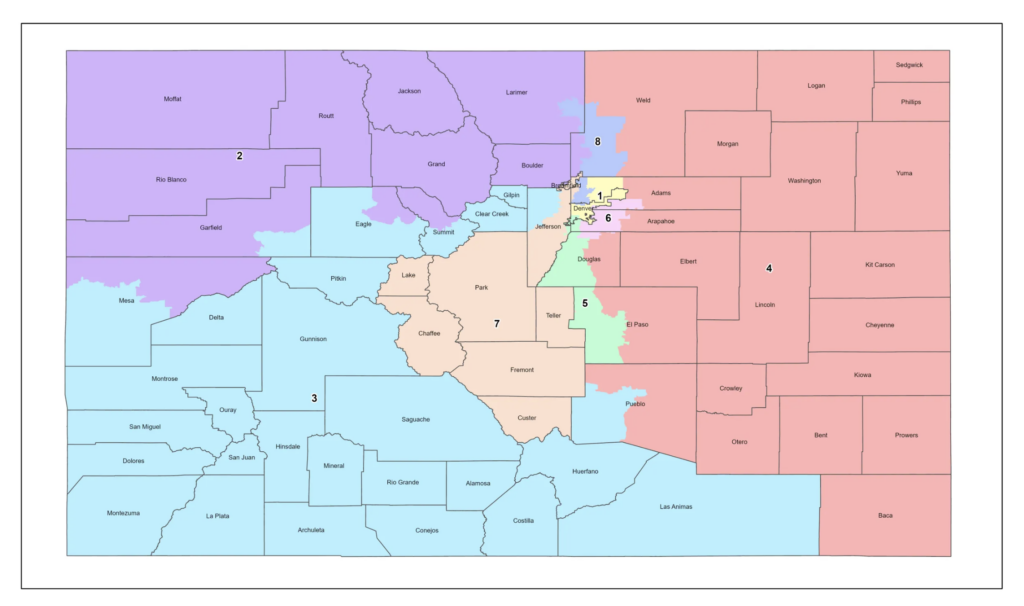
With just two meetings left before an April 15 deadline, the state’s Title Board on Wednesday pushed through a slate of ballot measures, including a revised proposal to privatize Pinnacol Assurance and dueling plans to redraw Colorado’s congressional map. The...

Democrats want to bar use of consumer data to set Colorado prices, employee wages
Marissa Ventrelli
marissa.ventrelli@coloradopolitics.com
Updated 6 days ago
A closely divided House committee advanced a bill aimed at curbing the use of personal data to set individualized prices and wages, reviving a proposal that failed last year and setting up a broader debate over how far the state...

Conducting Leadership: A novel event aimed at strengthening connections | NONPROFIT REGISTER
Joanne Davidson Special to Colorado Politics
joanne-davidson-special-to-colorado-politics@coloradopolitics.com
Updated 4 days ago
CLAYTON EARLY LEARNING Denver News: Approximately 40 leaders from Denver’s nonprofit community gathered at Boettcher Concert Hall on March 4 for a novel event whose purpose was to strengthen connections within and across organizations. It was hosted by PNC Bank and Clayton Early Learning. Invitations promoted the 4:30...

Deadline approaches for 2026 Furry Scurry early bird pricing | NONPROFIT REGISTER
Joanne Davidson Special to Colorado Politics
joanne-davidson-special-to-colorado-politics@coloradopolitics.com
Updated 6 days ago
HUMANE COLORADO Denver News: The 33rd Furry Scurry, a two-mile run/walk benefiting Humane Colorado, takes place May 2 in Denver’s Washington Park, and the cost to participate begins to increase on March 23. Through March 22, the price per adult is $50; on March 23, it jumps to $60...

Fire or police: Which department will win drive for stuffed toys? | NONPROFIT REGISTER
Joanne Davidson Special to Colorado Politics
joanne-davidson-special-to-colorado-politics@coloradopolitics.com
Updated 6 days ago
ROCKY MOUNTAIN CHILDREN’S HEALTH FOUNDATION Arvada News: A battle of the badges is shaping up in Arvada, as the city’s police and fire departments each try to collect the most stuffed toys for the Rocky Mountain Children’s Health Foundation. The public...
PREV
PREVIOUS

Conservation Colorado proposes measures aimed at oil and gas companies
A group has introduced four ballot measures it says are meant to counter an initiative that aims to enshrine Colorado businesses and consumers’ right to purchase and sell natural gas in the state’s constitution. Filed with the Secretary of State’s Office today, Conservation Colorado’s measures would do the following: The first initiative is a statutory […]

Public figures have limited path to sue over accusations of criminality, says appeals court
Colorado’s second-highest court ruled last week that a public figure cannot sue for defamation solely because a person publicly accuses them of committing a crime, as the statement may be constitutionally protected opinion. A three-judge Court of Appeals panel narrowed the claims that Academy School District 20 board member Derrick Wilburn may pursue against Bernadette […]