

Could it be the end of hunting as we’ve always known it in Colorado? | FEEDBACK
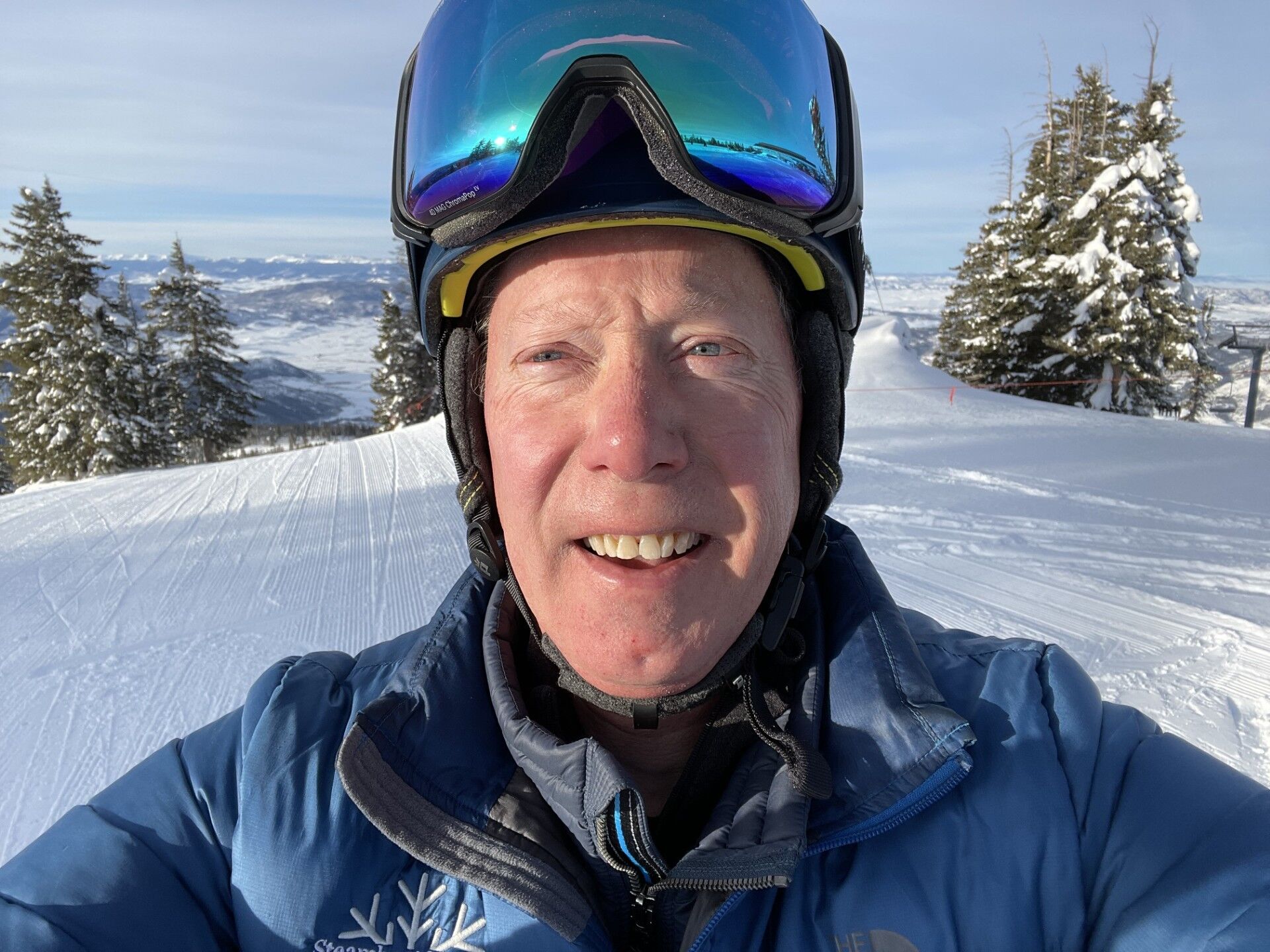
By Eric Washburn
Recently, the Colorado Parks and Wildlife (CPW) Commission voted to ban the commercial sale of fur and reject CPW’s proposed daily bag limits of 15 per day per person (450 per person per month!!) for harvesting 17 furbearer species.
The outcry reported in the Colorado media was deafening. One would think the sport of hunting is under siege in Colorado by CPW’s own commissioners.
Across the spectrum of science-based regulation, there is a tradition of applying the so-called “precautionary principle” — in the absence of scientific evidence that an activity is safe, regulators should proceed with caution. Look before you leap.
Until now, hunters in Colorado have been able to kill as many furbearers as they like, even though CPW does not know how the unlimited harvesting of these species affects ecological health.
Beavers, for example, provide a wide range of important ecological services, including storing water on our increasingly hot and dry landscape, and providing firebreaks and habitat for trout and songbirds. The ecological carrying capacity for beavers in Colorado — the number that our streams and rivers can support — is probably in the millions. And yet, Colorado has had only about 50,000 beavers since 1941 because we kill so many every year.
So, the CPW commissioners are right to reject such high bag limits on killing furbearers.
Hunting in Colorado likely will come to an end in this century, but not because CPW commissioners support rational regulation of furbearer hunting. It will end for three other reasons.
First, our state’s elk, deer and moose herds will eventually die out due to always-fatal Chronic Wasting Disease (CWD).
Second, by failing to invest enough in the conservation and recovery of our rare, threatened and endangered species, the ecosystems they inhabit are likely to eventually collapse — no longer able to support wildlife populations that are large or healthy enough to allow for hunting.
Finally, generational change likely will result in less demand for hunting in the years ahead. My sons have both shot deer and one has shot an elk. They have caught trout. But when they inherit my shotguns, rifles and fishing rods, I am not naïve enough to believe my old equipment will see much use. My sons grew up with video games and Instagram and simply don’t feel passionate about hunting and being out in the woods the way that I do. And I imagine that is true for most of their generation.
Eric Washburn is a fifth-generation Coloradan and big game hunter who lives in Steamboat Springs.
Send us your feedback: Click here.


Colorado’s clean-energy future must be affordable for older adults | PODIUM
Colorado Politics
colorado-politics@coloradopolitics.com
Updated 14 hours ago
By Jason DeaBueno Last winter, one of the older adults we serve at Silver Key shared something that has stayed with me. She begun turning her heat down at night — not because she wanted to, but because she was...
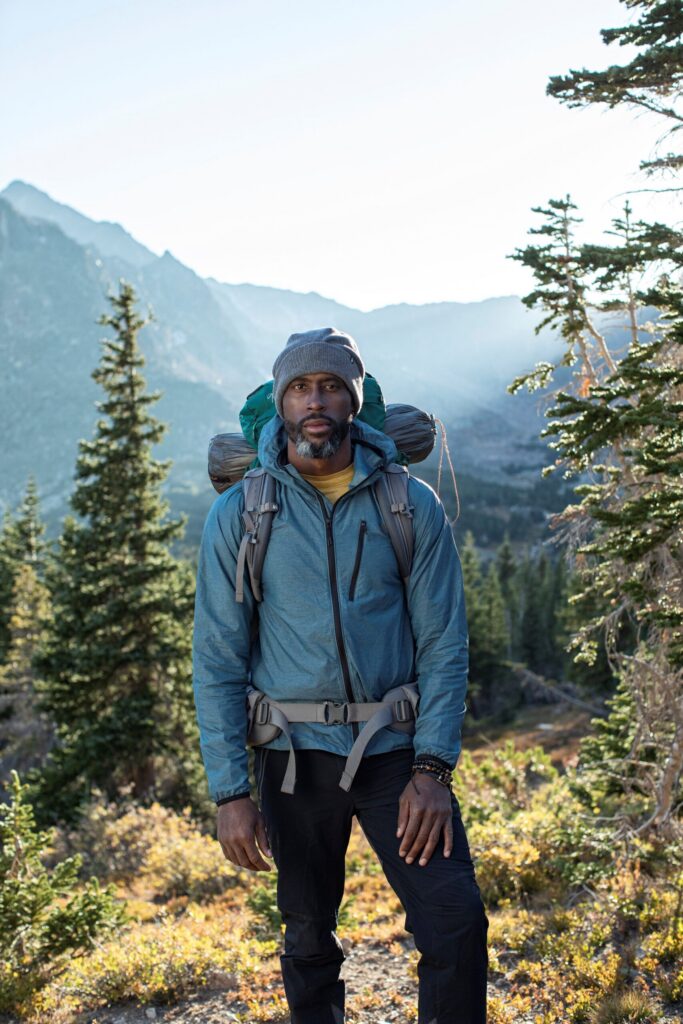
Why Denver should care about conservation easements — even if you’ve never set foot on a ranch | OPINION
Colorado Politics
colorado-politics@coloradopolitics.com
Updated 1 hour ago
By Jason Swann I live in Denver. I drink tap water from my kitchen sink, hike close to home when I can, worry about wildfire smoke every summer, and try, like many families, to keep up with the rising cost...

Artificial intelligence working group agrees on framework to replace Colorado law
Marianne Goodland
marianne.goodland@coloradopolitics.com
Updated 20 hours ago
A group that has been working on artificial intelligence policy has reached an agreement on a framework that would replace the regulations adopted by Colorado legislators two years ago. The agreement has the backing of Gov. Jared Polis, who reluctantly...

Proposal to levy new fees on alcohol products in Colorado dies
Marissa Ventrelli
marissa.ventrelli@coloradopolitics.com
Updated 3 hours ago
The proposal to collect millions in new fees on alcohol products — dollars to be earmarked for Colorado programs aimed at addressing the behavioral and physical health effects of alcohol abuse — died on Tuesday. House Bill 1271 sought to...
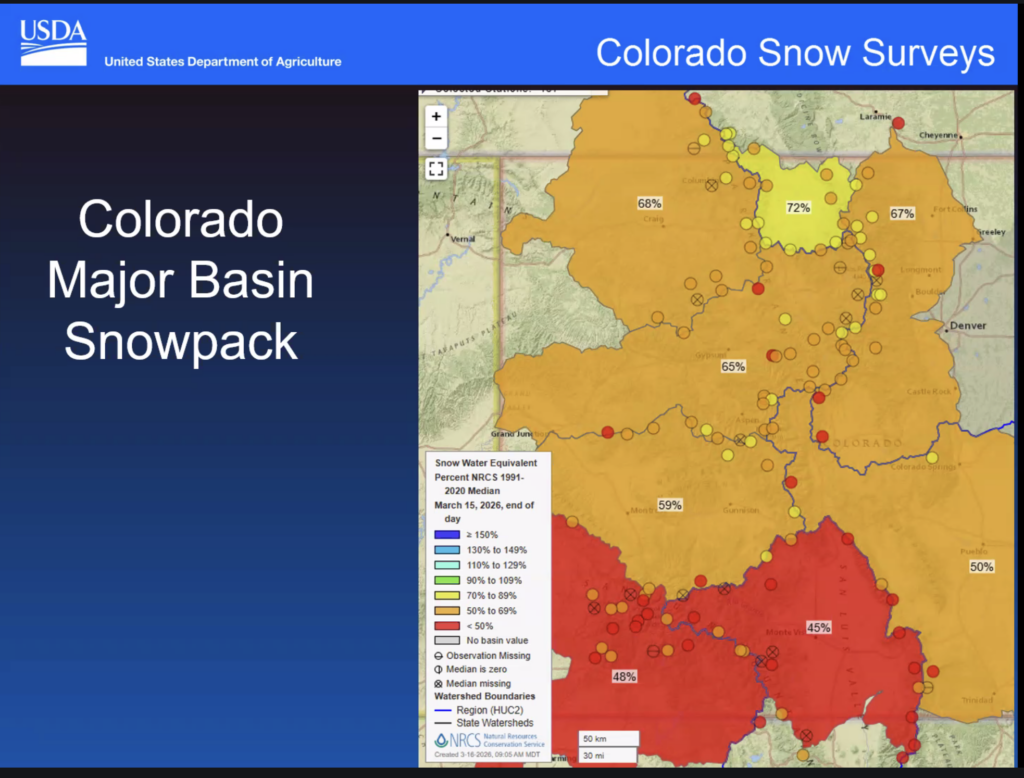
After ‘winter of defeat,’ Colorado hopes for wetter summer
Marianne Goodland
marianne.goodland@coloradopolitics.com
Updated 4 hours ago
With snowpack melt already peaking in some parts of the state and drought conditions worsening compared to last year, Colorado’s water watchers are hoping for a wetter summer, though they anticipate the situation deteriorating before getting better. Meanwhile, the governor...
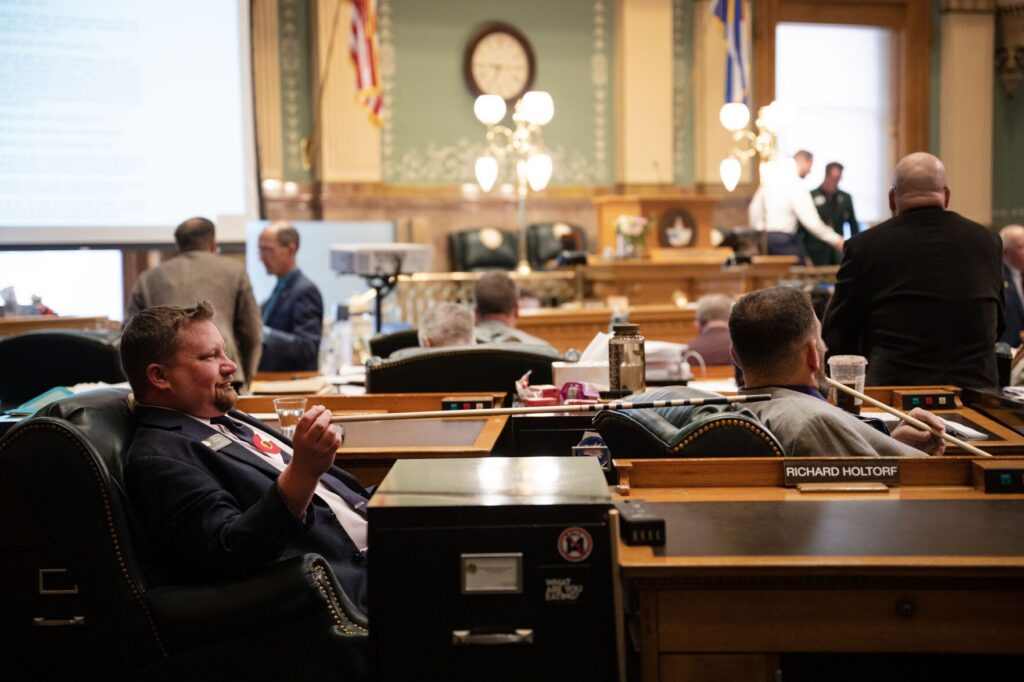
Colorado ethics panel tells legislator to attend sexual harassment training
Marianne Goodland
marianne.goodland@coloradopolitics.com
Updated 20 hours ago
Colorado’s House ethics panel admonished a Republican legislator over allegations he used a master key to access areas of the Capitol that he was not permitted to enter and that he had made sexually harassing comments to several female lawmakers....

Want to talk to the Colorado legislature? Be nice | Hal Bidlack
Hal Bidlack
hal-bidlack@coloradopolitics.com
Updated 2 days ago
As I peruse Colorado Politics each week, in search of a topic upon which I can wax philosophic, I sometimes come across stories that seem, frankly, to be quite dull or even unimportant upon first glance. But when I dig...

Constituents still message DC — but are our reps even listening? | Miller Hudson
Miller Hudson
miller-hudson@coloradopolitics.com
Updated 2 days ago
Each time I visit the nation’s capital, it feels a bit like a homecoming — not that I would ever wish to return as a resident. Yet, I did grow up outside the city in Montgomery County, Maryland from 1956...

Access to earned wages increases retention, attendance, morale | OPINION
Colorado Politics
colorado-politics@coloradopolitics.com
Updated 2 days ago
By Diane Macheers Every payday, I’m reminded how much trust our team members place in us. They work hard, show up for our residents, and do everything they can to support themselves and their families. As an employer, we believe...

Why Colorado businesses should oppose SB26-134 | OPINION
Colorado Politics
colorado-politics@coloradopolitics.com
Updated 2 days ago
By Liliana Soto My family has spent the last 30 years building a small piece of Colorado’s food culture. My father founded Las Dos Americas Tortilleria three decades ago with a simple idea to make authentic flour and corn tortillas...
PREV
PREVIOUS

Artificial intelligence working group agrees on framework to replace Colorado law
A group that has been working on artificial intelligence policy has reached an agreement on a framework that would replace the regulations adopted by Colorado legislators two years ago. The agreement has the backing of Gov. Jared Polis, who reluctantly signed the AI law in 2024. The agreement reached by the Colorado AI Policy Work […]
Why Denver should care about conservation easements — even if you’ve never set foot on a ranch | OPINION
By Jason Swann I live in Denver. I drink tap water from my kitchen sink, hike close to home when I can, worry about wildfire smoke every summer, and try, like many families, to keep up with the rising cost of living. I don’t own land. I don’t ranch. I don’t farm. And yet one […]