

Colorado voters will decide whether transgender students can join girls’ sports
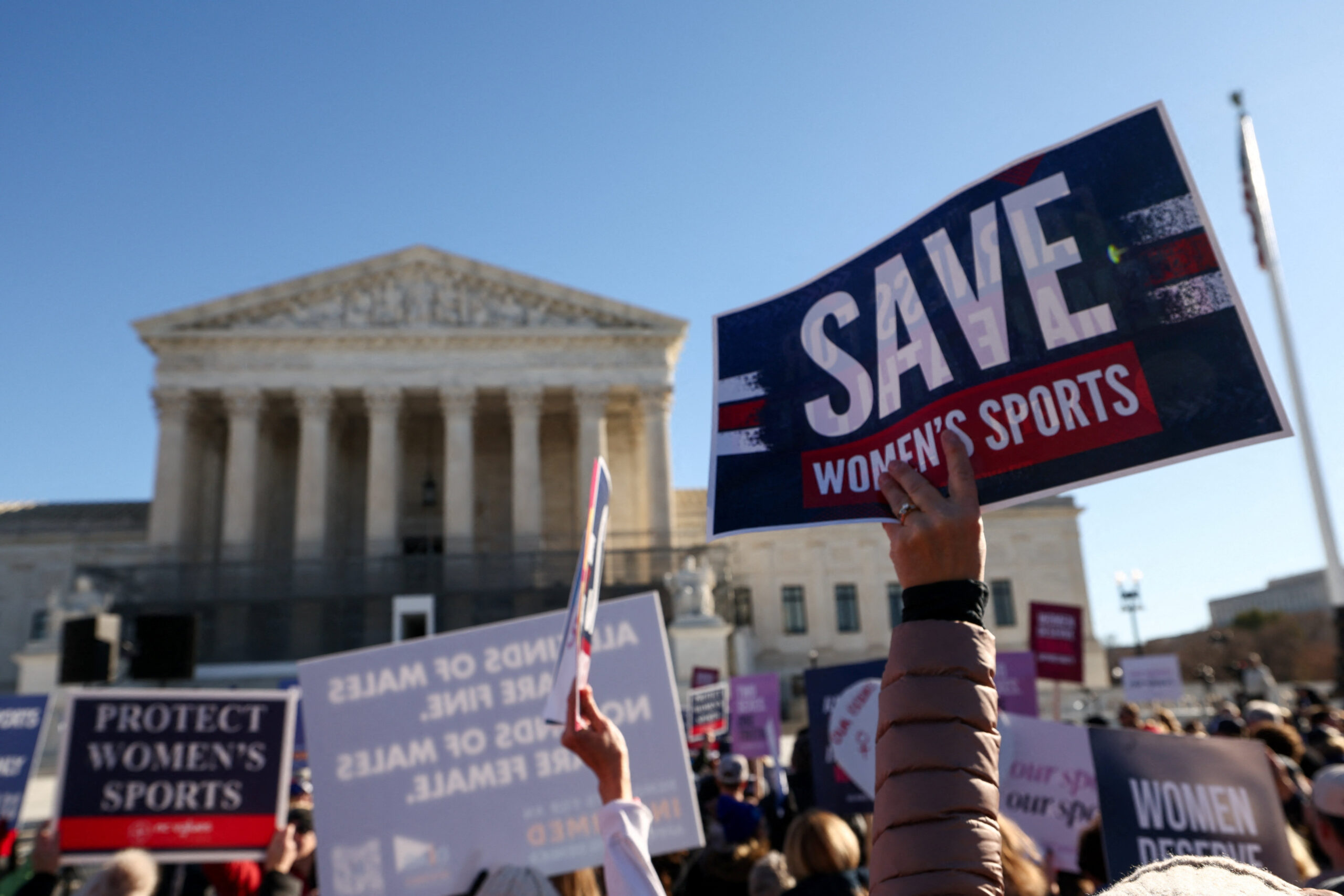
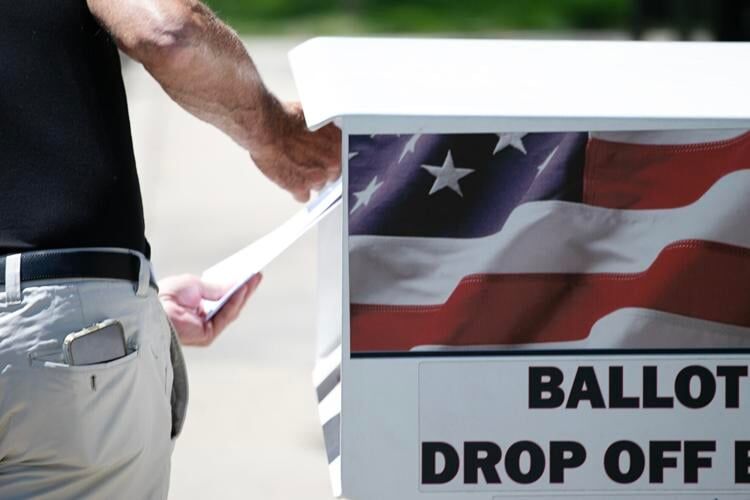
A ballot initiative that would require student athletes to only join sports teams that correspond to their biological sex has qualified for the November ballot, the latest development in the culture war being waged in school districts, in the courts and at the state Capitol in Colorado.
The Colorado Secretary of State’s Office said proponents of the measure turned in nearly 169,000 signatures and, after reviewing a random sample, determined they submitted more than enough to get on the ballot set for later this year.
At its core, Initiative No. 109 restricts participation in K-12 and collegiate school sports based on a student’s biological sex and requires schools and athletic associations to designate teams and sports as girls, boys or coed. It creates an exception, allowing a female student to participate on a male team if there is no female team available.
Additionally, the measure prohibits a government entity or athletic association from investigating a school over maintaining separate sports for females.
The fight over transgender athletes’ participation is occurring against the backdrop of a major change in how the federal administration regards the issue following the election of President Donald Trump. One of the president’s first executive orders was to declare that the policy of the federal government is to recognize only two sexes — male and female.
The White House also ordered all agencies to ensure “grant funds do not promote gender ideology.”
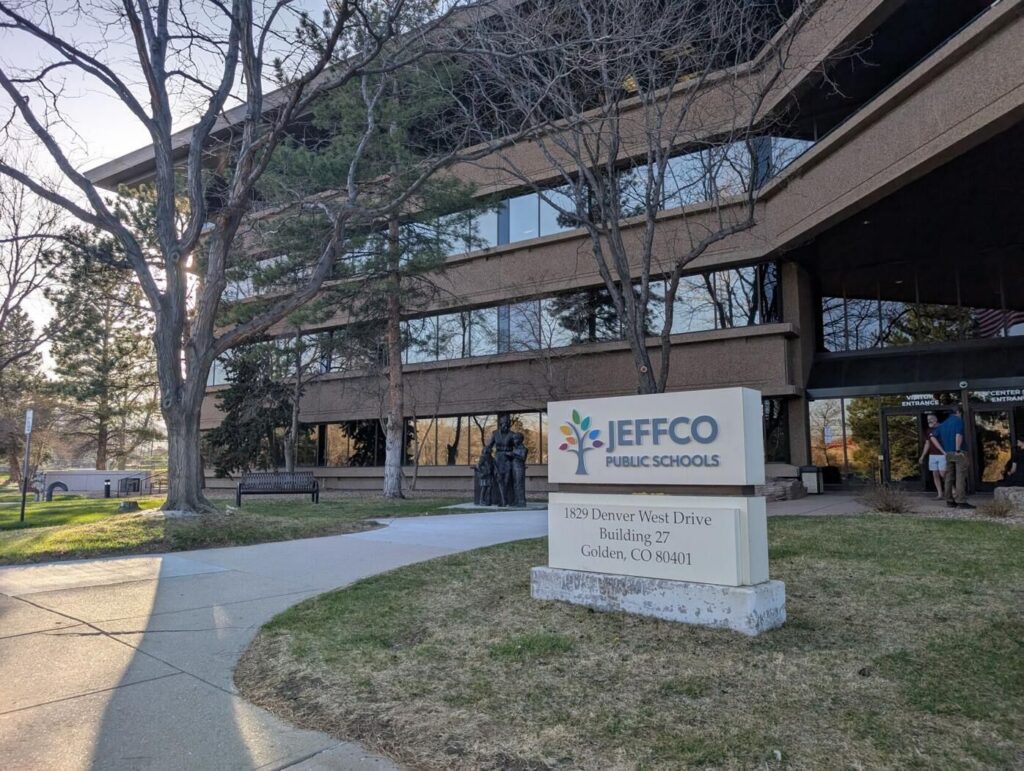
The news of the initiative qualifying for the ballot also came on the heels of the U.S. Department of Education announcing that the Jeffco Public Schools district violated Title IX by permitting male students to access female bathrooms and compete in girls sports.
Initiative No. 109 includes a declaration that “males and females possess unique and immutable biological differences that manifest prior to birth and increase as they age and experience puberty.” Physical differences, the measure adds, between males and females have “long made separate and sex-specific sports teams important so that female athletes can have equal opportunities to compete in sports while reducing the risk of physical injury.”
Whether to allow transgender girls to participate in girls’ sports is a focal point in America’s culture war. Some 30 states have passed laws to ban transgender athletes from participating in girls’ sports.
At the state Capitol in Colorado, Democrats have pushed for policies in the opposite direction, including legislation to penalize “deadnaming” and “misgendering” as discriminatory actions and to compel “publishers” to use a person’s “chosen name” when asked.
This year, one bill initially included a requirement that family courts consider whether parents recognize their child’s identity “as it relates to a protected class” when determining parenting time decision-making responsibility. Sponsors of that proposal have since removed that provision.
Democrats also recently rejected efforts by Rep. Scott Bottoms, R-Colorado Springs, to implement a policy similar to Initiative No. 109.
Already, the battle lines are forming.
Mardi Moore, CEO of the LGBTQ organization Rocky Mountain Equality, called the ballot measure “an attack on Colorado families modeled after national extremist efforts.”
“Coloradans believe in fairness, freedom, and the right of every person to live their lives,” Moore said. “We will work tirelessly between now and November to make sure voters understand exactly what this effort is about. It’s about bullying little kids and taking opportunities away from a handful of people.”
Meanwhile, Colleen Enos of Christian Home Educators of Colorado earlier argued that allowing transgender athletes to participate in girls sports is a mockery of federal laws meant to protect women.
“To allow males to compete against females when they are physically advantaged in muscle mass, bone density, and muscle capacity makes a mockery out of Title IX protections for girls,” she said.
Outside of the state Capitol, the issue has been waged at the district level and in the courts.
Several school districts have adopted policies restricting students to athletic participation based on their biological sex. The schools then filed a federal lawsuit against two state bodies and the Colorado High School Athletics Association. The districts alleged policies that allow transgender students to participate in girls sports discriminate against female athletes.
CHSAA settled with the plaintiffs last December, allowing the school districts to maintain their new policies and participate in their sanctioned activities. In January of this year, a judge recommended dismissing the lawsuit filed against the two state offices.
Also last week, the U.S. Department of Education’s civil rights office announced the conclusion of its nine-month investigation, saying Jeffco Public Schools violated Title IX of the Education Amendments of 1972 after “allowing male students to access female bathrooms, locker rooms and overnight accommodations, and to compete in female sports.”
In a news release, the office additionally claimed that male students occupy 61 roster positions on girls’ sports teams in the school district.
The Office for Civil Rights also sent a “resolution agreement” to the district and said it must be resolved within 10 days — or “risk imminent enforcement action.”
In a statement, the district insisted that providing equal access to programs does not violate Title IX.
The district added that the office’s interpretation doesn’t follow Title IX and “conflicts with a recent U.S. District of Colorado decision which considered the same Jeffco policies. Prior federal administrations have taken the direct opposite view — that Title IX protects transgender students’ access to school programs and facilities.”
Sage Kelley and Eric Young contributed to this story.

U.S. Supreme Court upholds state laws banning transgender girls and women from school athletic teams
The Associated Press
the-associated-press@coloradopolitics.com
Updated 6 hours ago
WASHINGTON • The U.S. Supreme Court on Tuesday upheld state laws barring transgender girls and women from playing on school athletic teams. The court’s conservative majority ruled that state bans in Idaho and West Virginia don’t violate the U.S. Constitution...
Colorado voters head to the polls today — check here for regular updates
Colorado Politics
colorado-politics@coloradopolitics.com
Updated 10 hours ago
Colorado voters head to the polls today to pick primary winners that will vie for statewide offices in November, the result of which would determine the direction of the state in the coming years. At stake are the parties’ nominees...
Energy secretary says U.S. must grow capacity, lower price during Colorado visit
Mark Samuelson Special to The Denver Gazette
mark.samuelson@denvergazette.com
Updated 8 hours ago
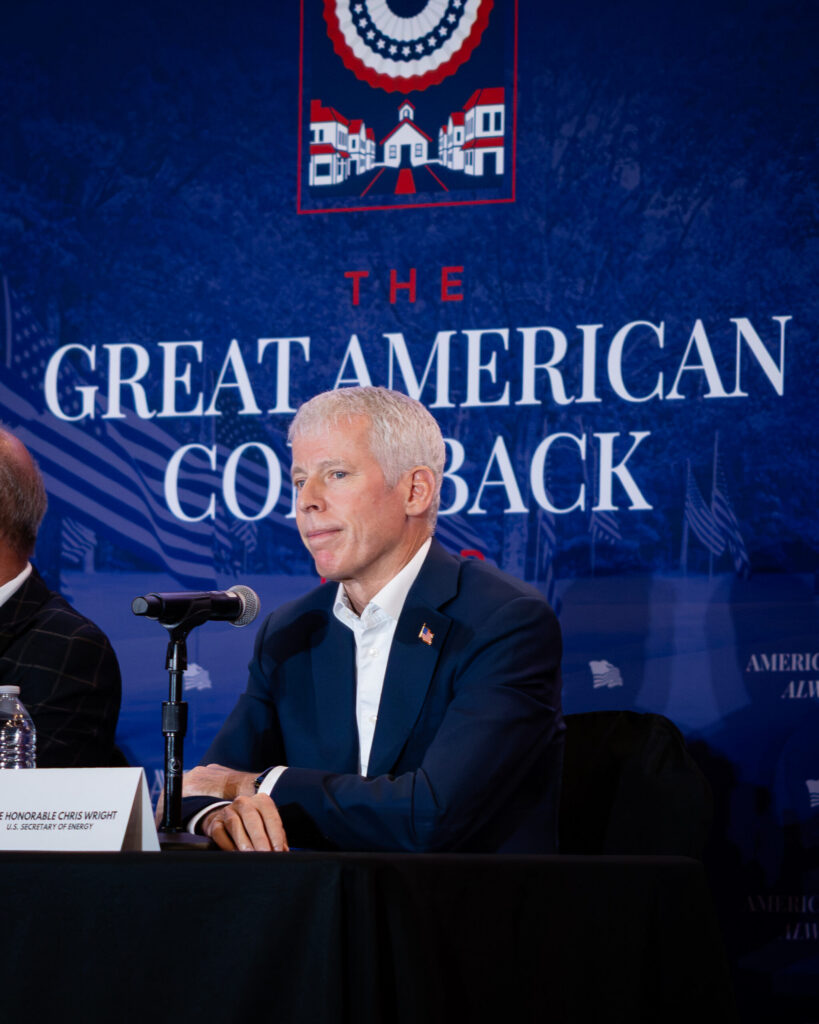
As a heatwave in the U.S. and Europe punctuated widespread calls for recommitments to solar and other “renewable” sources, U.S. Secretary of Energy Chris Wright doubled down on America’s current policy, telling a Thornton crowd on Monday that energy goals...
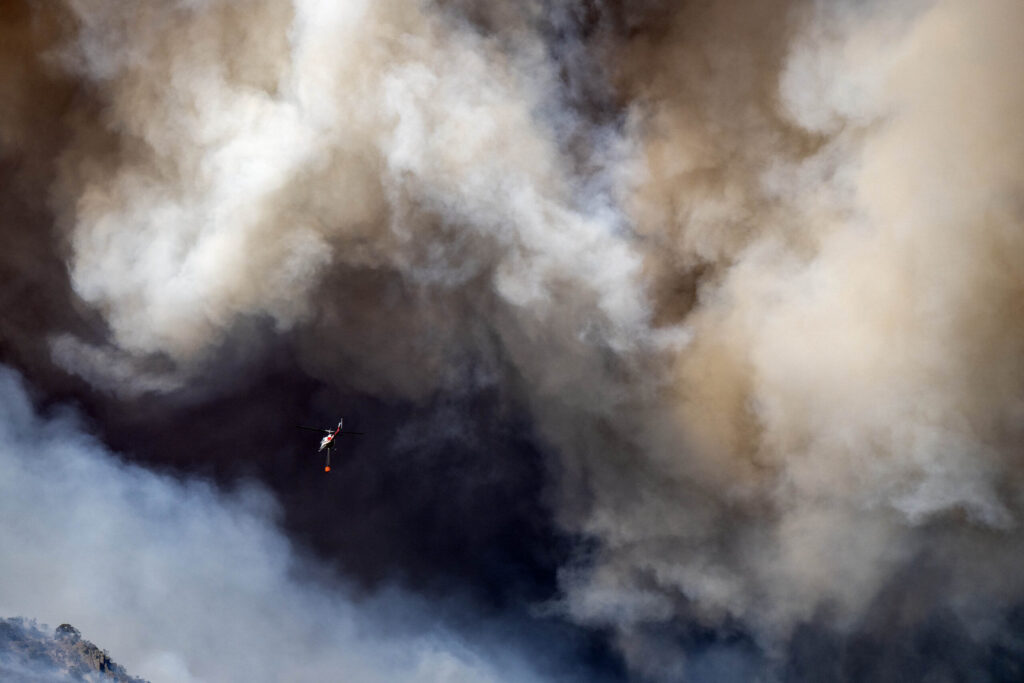
Gov. Polis asks residents not to use fireworks as wildfires burn
Rachael Wright, Special to Colorado Politics
rachael.wright@coloradopolitics.com
Updated 23 hours ago
While Gov. Jared Polis said he will not issue a statewide fire ban, Colorado’s top political leader urged residents against using fireworks as the country heads into the July 4 weekend. “We are encouraging the people of Colorado to exercise...
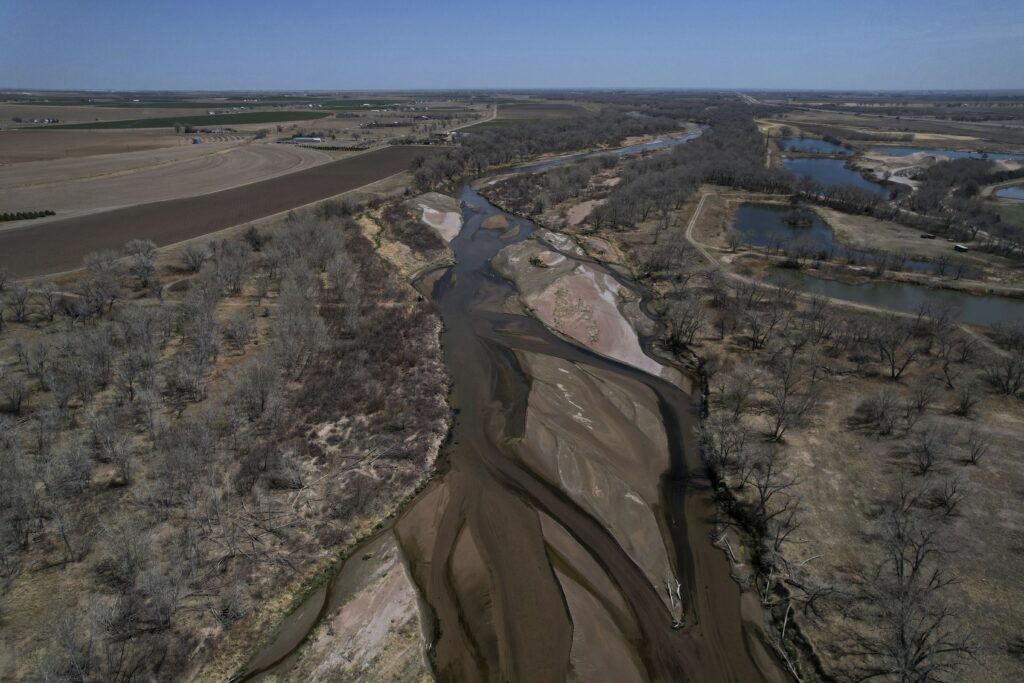
Colorado–Nebraska water clash heads to US Supreme Court as canal fight intensifies
Marianne Goodland
marianne.goodland@coloradopolitics.com
Updated 24 hours ago
The U.S. Supreme Court on Monday agreed to hear Nebraska’s lawsuit against Colorado over the Perkins County canal, a move that advances a legal dispute likely to take years to resolve. The proposed Perkins County canal would run through land...

3 firefighters who died fighting Snyder Mesa fire identified; one once worked as a snowmaker in Vail
Rachael Wright, Special to Colorado Politics
rachael.wright@coloradopolitics.com
Updated 21 hours ago
Federal authorities on Monday identified the three firefighters who died responding to the Knowles Fire at the Colorado-Utah border, one of whom once worked for a resort in Vail. Across Colorado, several fires are burning, with zero containment in what...
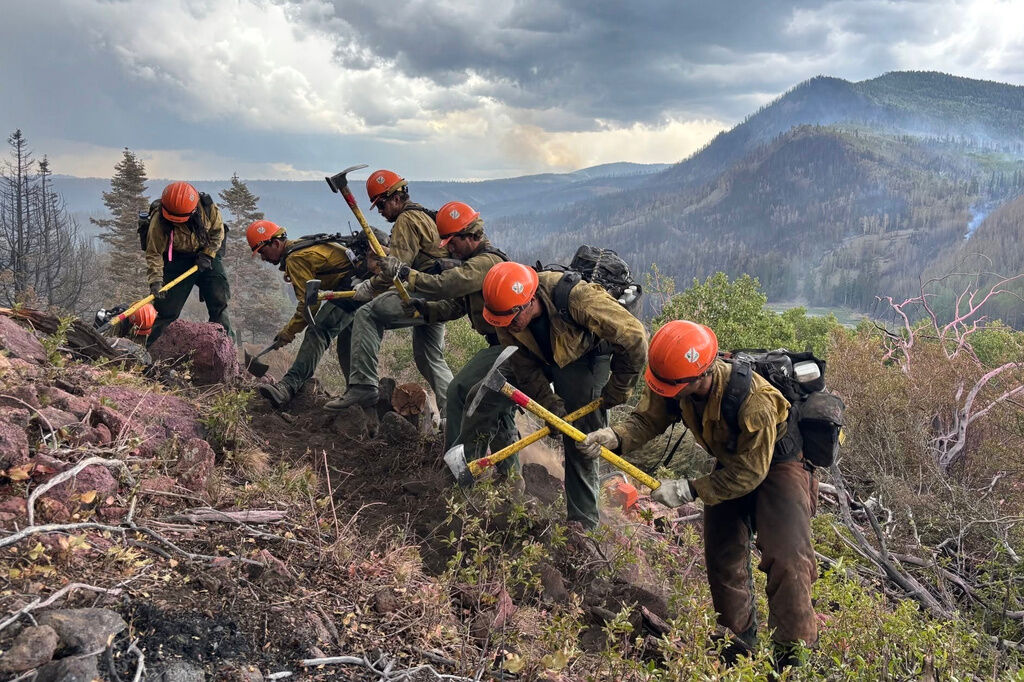
Colorado, Utah mourn after 3 firefighters killed in wildfires
Nicholas Fogleman
nicholas.fogleman@denvergazette.com
Updated 2 days ago
Gov. Jared Polis on Sunday mourned the deaths of three firefighters killed while battling a wildfire on the Colorado-Utah border, calling the loss a tragedy for the state and the firefighting community. The firefighters died Saturday while responding to a...
Crank challenger Jessica Killin signs on to new centrist Democratic group’s ‘Promise to America’
Ernest Luning
ernest.luning@coloradopolitics.com
Updated 23 hours ago
Jessica Killin, one of the Democrats running in Tuesday’s primary for the chance to challenge U.S. Rep. Jeff Crank in Colorado’s 5th Congressional District, joined with more than a dozen incumbent Democratic lawmakers and candidates this week signing on to...
Trump administration warns Jeffco Public Schools it will lose federal funding over transgender issue
Matt Kyle
matt.kyle@denvergazette.com
Updated 1 day ago
The U.S. Department of Education on Friday warned Jeffco Public Schools it has 10 days to correct alleged Title IX violations over the Colorado district’s transgender policy or lose federal funding. The Notice of Impending Action is the latest development...
Who’s spending in Colorado to get your vote?
Marianne Goodland
marianne.goodland@coloradopolitics.com
Updated 3 days ago
Groups that raise unlimited amounts of money have spent about $20 million in May and June to try and influence Colorado voters’ choices in the upcoming June 30 primaries. By law, these groups cannot coordinate with the candidates they support....
PREV
PREVIOUS
Error-prone Douglas County judge triggers another reversal of criminal convictions
Colorado’s second-highest court overturned a defendant’s Douglas County convictions on Thursday due to the error of a judge whose actions have triggered a disproportionate number of reversals to convictions and sentences in recent years. Since 2021, the Court of Appeals has found problems in multiple criminal cases handled by former District Court Judge Patricia Herron. […]

Overdose deaths from opioids dip in America — but not in Colorado, study says
Overdose deaths from opioids rose in Colorado, diverging from the national trend, which has been decreasing, according to a new study from a think tank. In its new report, the Common Sense Institute said synthetic opioid overdose deaths in Colorado have grown by 17% since November 2024, the third-fastest growth rate in the country. The […]