

Federal judge hears ICE agents’ confusion about law, injunction on warrantless arrests

A federal judge heard testimony on Tuesday from U.S. Customs and Immigration Enforcement agents in Colorado, who had trouble describing the requirements of his recent injunction and the training they received on making warrantless arrests pursuant to the law.
On Nov. 25, U.S. District Court Senior Judge R. Brooke Jackson found that ICE’s warrantless arrests violated federal law, based on the evidence he received. Specifically, the law requires officials to have probable cause that a person is both in the country illegally and that they are “likely to escape before a warrant can be obtained.” Jackson heard that agents were not making, or not documenting, flight risk assessments on arrest reports known as I-213s.
However, on March 4, lawyers for various plaintiffs who were subjected to the unlawful, warrantless arrests asked Jackson to direct ICE to train its employees anew. They alleged the I-213 forms they received from the government pursuant to Jackson’s order “universally fail to adhere” to his injunction.
“It is as if this court’s order never happened. By and large, the reports do not include any mention of flight risk, let alone specific, articulable facts that the person was likely to escape before a warrant could be obtained,” attorney Anna Kurtz with the ACLU of Colorado told Jackson during a March 10 hearing.
She added that, without Jackson’s intervention, wrongful arrests could result in deportations, and “we risk losing firsthand accounts of what’s actually happening.”
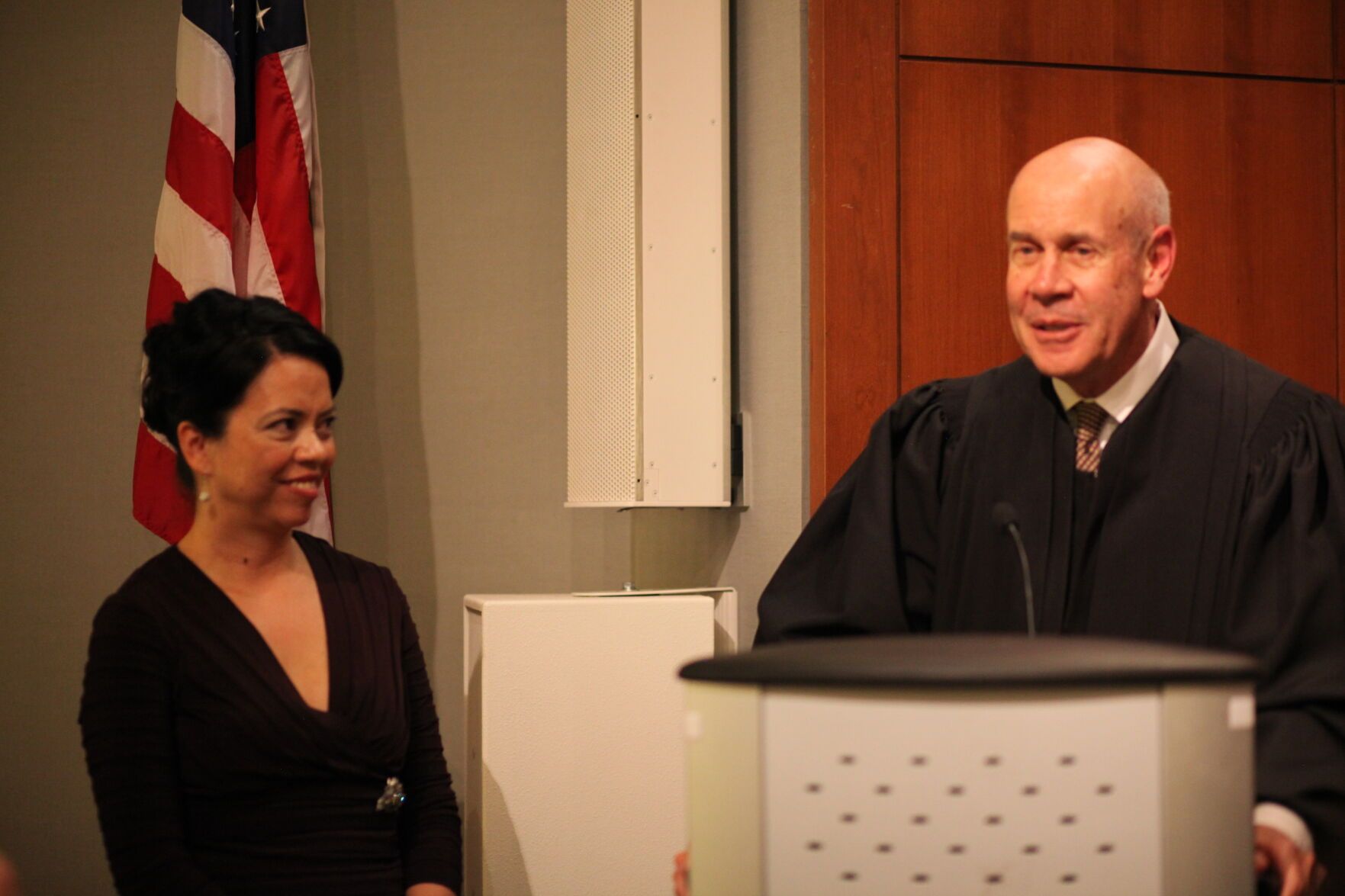
Assistant U.S. Attorney Brad Leneis did not deny the existence of improper arrests after Jackson’s injunction. Rather, he contended the mistakes happened early on and were limited to only some ICE personnel.
“You’re not gonna see a recalcitrant agency. You’re gonna see one that’s working to comply with the court’s order,” said Leneis.
Since last year, Colorado’s federal district court has faced a flood of “habeas corpus” petitions from those in immigration detention. The most common allegation is that the government is improperly denying bond hearings to people who are eligible by law. Colorado’s judges, like the vast majority of their peers around the country, have agreed with that argument.
Although courts elsewhere have found ICE has violated judicial orders, noncompliance in Colorado appears to be relatively rare. Two judges recently wrote that they have personally observed ICE’s compliance with decisions. However, Senior Judge William J. Martínez cautioned that he will “not hesitate to order the immediate release of noncitizens” if he encounters recalcitrance.
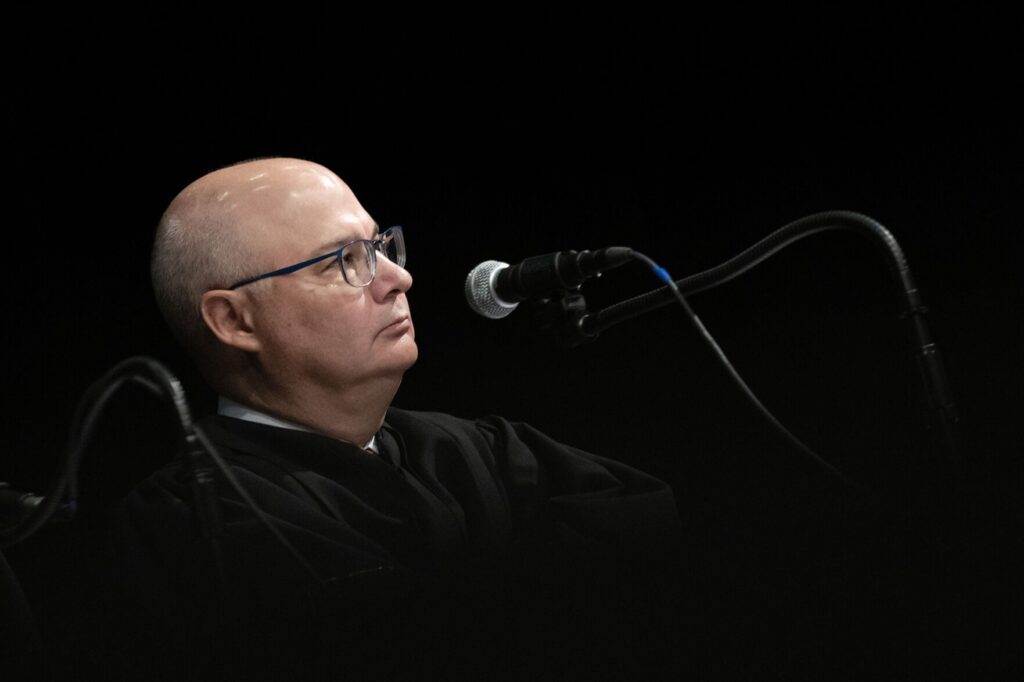
Jackson, a Barack Obama appointee, granted the government’s motion to have three ICE agents testify using only their initials. The government maintained the ICE employees could face “physical harm, doxxing, or other potential harassment, if they are identified by name.” The plaintiffs objected, arguing that police officers routinely testify in court under their own names, and the public has the right to know about the conduct of individual federal employees.
Jackson said he believes “very strongly” in the public nature of court proceedings, but that a recent personal experience led him to think some degree of anonymity is appropriate.
After his preliminary injunction, “I was informed by the United States Marshal some time ago that someone in Florida had posted not only my picture, but my home address, and indicated that this was a court that loves ‘illegal immigrants,’ and invited illegal immigrants to go to my home and find a place to live,” Jackson said. “I suppose he might have invited people who didn’t like my ruling to do the same.
“I can’t shield myself from that,” he continued. But also, “when it comes to the safety of people who appear in court, I’m going to do what I can to protect them.”
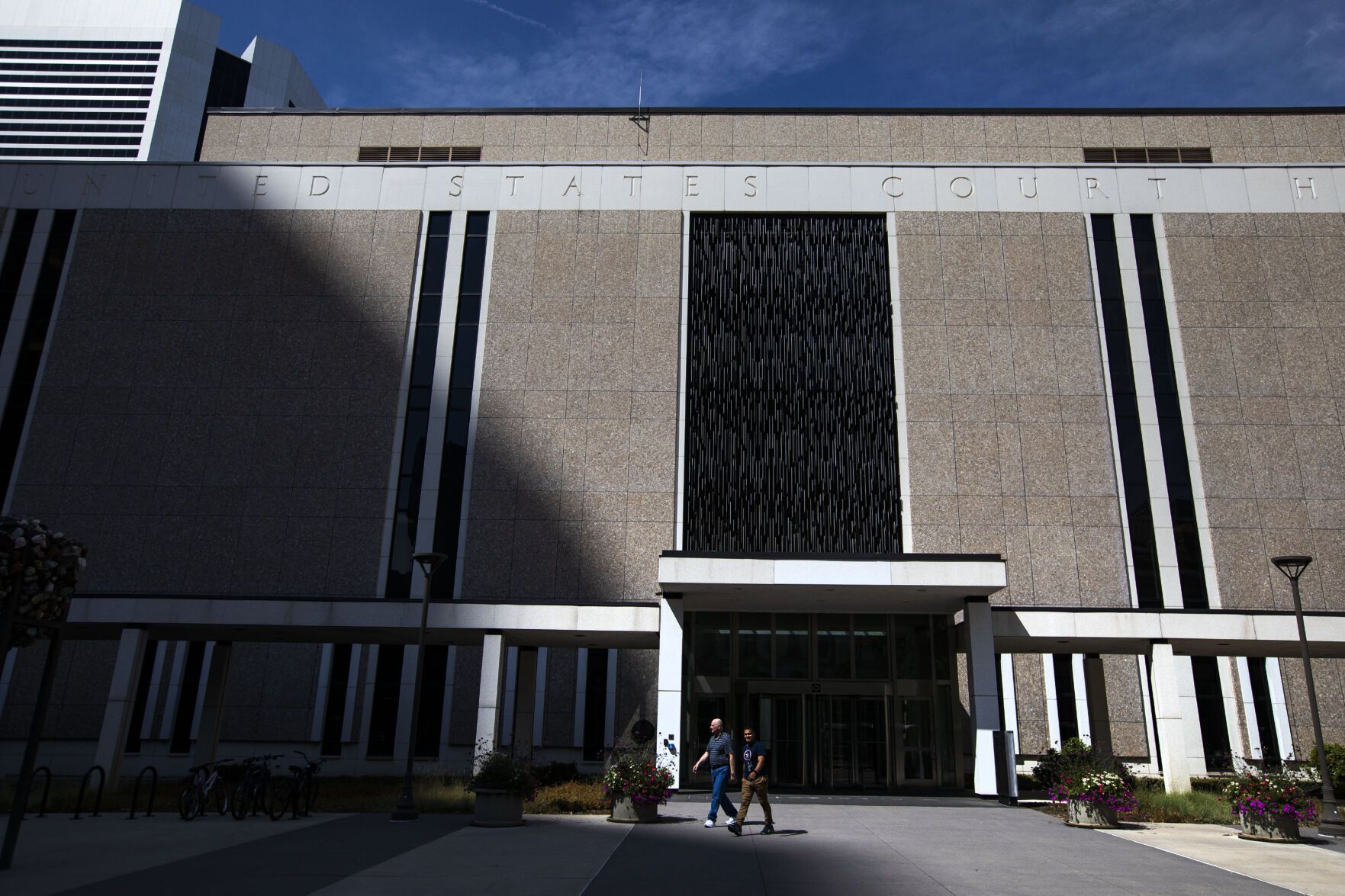
The three ICE witnesses, all younger men with between six and 12 years of experience at the agency, struggled to describe what changed for them after Jackson ordered them to follow the requirements of the warrantless arrest law.
“Are you aware of what this court ordered in this case?” asked attorney Hans Meyer.
“Can you elaborate?” asked the witness, identified as J.L.
“Did you get any training on what this court ordered after November 25, 2025?” asked Meyer.
“I’m unsure what you’re asking,” said J.L.
Jackson interrupted to say the question was “pretty simple.”
“Do you know what the court ordered? Did they train you? Did they teach you? Did they tell you to do anything different?” he asked.
After Meyer pressed again about the requirements of Jackson’s order, J.L. looked down and paused for 20 seconds. Jackson eventually told J.L. he did not have to answer if he did not remember.
The plaintiffs’ attorneys also asked agent A.L. what training he received on Jackson’s order.
“I got an email of the injunction,” said A.L., adding that there was “no formal training.”
The third agent, identified as J.B., testified that he “wouldn’t necessarily agree” that a person’s unlawful presence in the country is not a basis for deeming them a flight risk — even though ICE’s own instructions to employees say as much.
Finally, Gregory Davies, assistant field office director in Denver, said he gave “formal training” on Jackson’s injunction to about 15 employees, out of the 200 deportation officers total.
“Are there officers who have been removed from the field because they have not properly documented or conducted warrantless arrests?” asked attorney Timothy R. Macdonald of the ACLU of Colorado.
Four officers were, but not solely for that reason, responded Davies.
The questioning of Davies will conclude in the morning. Jackson rearranged his planned flight to extend the evidentiary hearing into Wednesday.
The case is Ramirez Ovando et al. v. Noem et al.

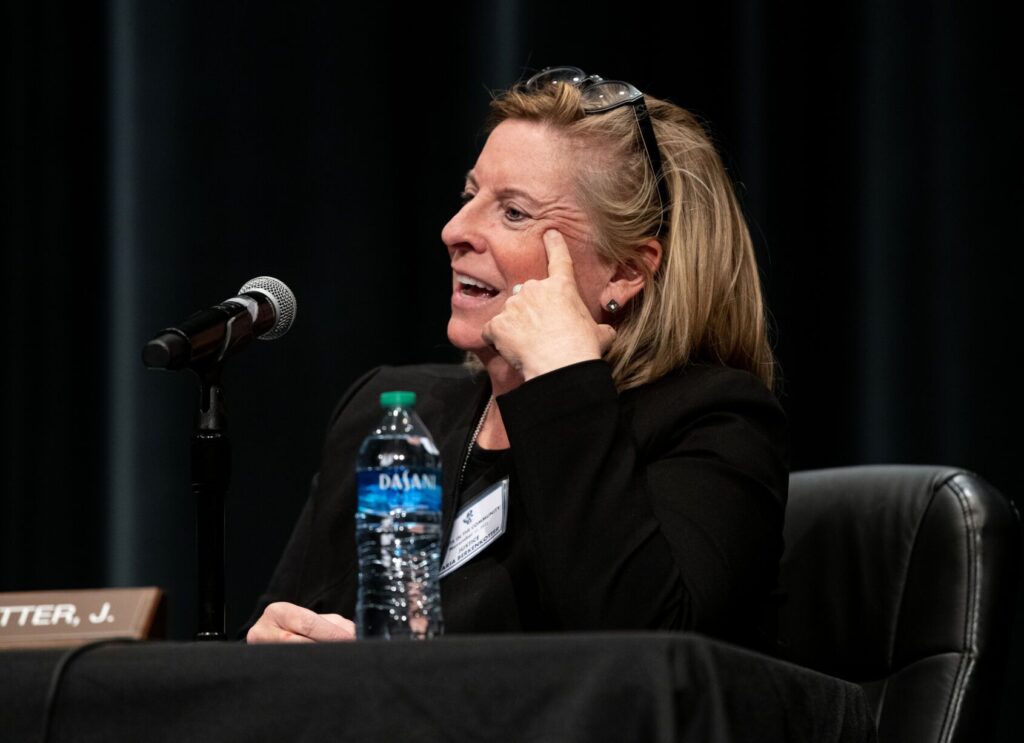
Colorado justices skeptical of appellate court’s limitation on prosecution’s appeal
Michael Karlik
michael.karlik@coloradopolitics.com
Updated 1 day ago
The Colorado Supreme Court seemed skeptical on Tuesday that Denver prosecutors should be barred from appealing a trial judge’s permanent dismissal of a criminal case, based upon the sequence of events after the original ruling. Prosecutors charged Quinn M. Jebe...
Federal judge: Government violated order shielding man from deportation in ‘one-off mistake’
Michael Karlik
michael.karlik@coloradopolitics.com
Updated 1 day ago
A federal judge acknowledged on Thursday that the government violated his order by deporting a man in immigration detention during his pending court case, but it “serves nobody’s interests” to require the government to return him. On Feb. 18, Tesfami...
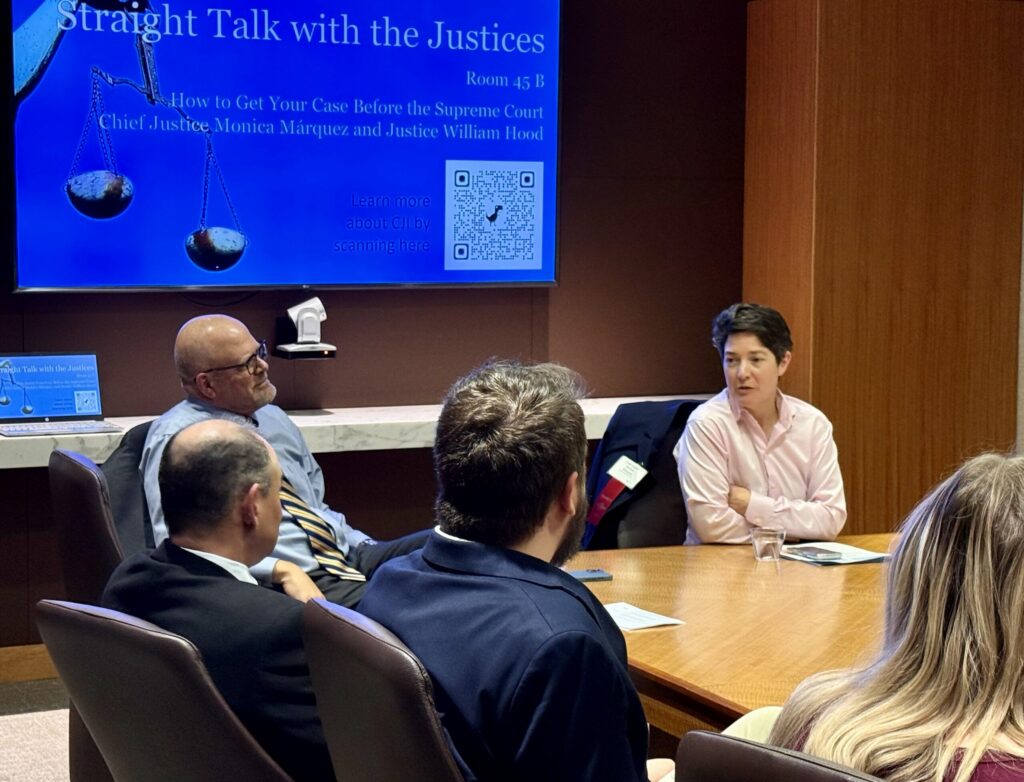
Colorado Supreme Court lifts curtain on decision-making at legal event
Michael Karlik
michael.karlik@coloradopolitics.com
Updated 2 days ago
Members of the Colorado Supreme Court sat down with lawyers on Wednesday to answer questions about behind-the-scenes topics, including what happens immediately after an appeal is argued, why they might intervene in an ongoing case, and the consequence of a...
Colorado’s newest federal judge speaks about techniques for advancing cases
Michael Karlik
michael.karlik@coloradopolitics.com
Updated 2 days ago
U.S. Magistrate Judge Cyrus Y. Chung described on Wednesday the various tactics he employs to resolve court cases, summing up his role with a laxative-based metaphor. “Someone told a group of us federal magistrate judges that magistrate judges are the...

10th Circuit dismisses challenge to Colorado legislature’s decorum rules
Michael Karlik
michael.karlik@coloradopolitics.com
Updated 3 days ago
The Denver-based federal appeals court concluded on Tuesday that Colorado lawmakers cannot be sued for creating and enforcing rules of decorum that circumscribe the public commentary allowed at legislative committee hearings. A three-judge panel of the U.S. Court of Appeals...
Colorado Supreme Court blocks ballot initiative defining ‘fees’
Michael Karlik
michael.karlik@coloradopolitics.com
Updated 4 days ago
The Colorado Supreme Court blocked a proposed ballot initiative on Monday that would have required voter approval for new fees above a certain threshold, while also enshrining a definition of “fee” into the state constitution for the first time. Chief...
Colorado justices, by 5-2, say Longmont detective did not violate suspect’s Miranda rights
Michael Karlik
michael.karlik@coloradopolitics.com
Updated 7 hours ago
The Colorado Supreme Court’s majority ruled on Monday that a Longmont detective did not coerce a suspect into talking by making references to how a judge would look at his character, and by suggesting he may get out of prison...
Colorado justices find Fort Collins police lacked probable cause to arrest suspect in park
Michael Karlik
michael.karlik@coloradopolitics.com
Updated 5 days ago
The Colorado Supreme Court agreed on Monday that Fort Collins police lacked probable cause to arrest a man for a child sex offense based on his presence in a public park around the time they intended to meet with their...

Supreme Court to hold oral arguments, discipline commission releases report | COURT CRAWL
Michael Karlik
michael.karlik@coloradopolitics.com
Updated 5 days ago
Welcome to Court Crawl, Colorado Politics’ roundup of news from the third branch of government. The state Supreme Court is holding oral arguments this week, plus Colorado’s judicial discipline commission released its annual report. Colorado Supreme Court news • The Supreme...
Federal judge dismisses developer’s challenge to Denver affordable housing ordinances
Michael Karlik
michael.karlik@coloradopolitics.com
Updated 1 week ago
A federal judge dismissed a homebuilder’s constitutional challenge on Tuesday to a pair of Denver ordinances that impose obligations on developers related to the affordable housing demands created by new construction. Two related companies, redT Homes and redT Capital Partners,...
PREV
PREVIOUS

10th Circuit dismisses challenge to Colorado legislature's decorum rules
The Denver-based federal appeals court concluded on Tuesday that Colorado lawmakers cannot be sued for creating and enforcing rules of decorum that circumscribe the public commentary allowed at legislative committee hearings. A three-judge panel of the U.S. Court of Appeals for the 10th Circuit agreed that the concept of legislative immunity extends to the establishment […]

Department of Agriculture warns of packages holding potentially invasive seeds
Spring planting is around the corner, and the Colorado Department of Agriculture wants residents to know where their seeds are coming from. Officials with the department warned Tuesday that they received reports of unsolicited packages containing plant seeds mailed internationally to Coloradans, according to a news release. While small, the contents of the package are […]