

World leaders react cautiously to US and Israeli strikes on Iran

BRUSSELS • World leaders reacted warily to U.S. and Israeli strikes on Iran on Saturday that triggered worries of a broader conflict.
European leaders held emergency meetings and took measures to protect their citizens in the Middle East, with key leaders calling for a negotiated settlement between Iran and the U.S. Australia and Canada were more open in their support for the strikes, while Russia and China responded with criticism.
Britain, France and Germany called for a resumption of U.S.-Iran nuclear negotiations and condemned Iranian attacks on countries in the region. They did not directly comment on the U.S. and Israeli strikes on Iran.
British Prime Minister Keir Starmer, French President Emmanuel Macron and German Chancellor Friedrich Merz said in a statement that their countries didn’t take part in the strikes on Iran but are in close contact with the U.S., Israel and partners in the region.
The three countries have led efforts to reach a negotiated solution over Iran’s nuclear program.
“We condemn Iranian attacks on countries in the region in the strongest terms. Iran must refrain from indiscriminate military strikes. We call for a resumption of negotiations and urge the Iranian leadership to seek a negotiated solution. Ultimately, the Iranian people must be allowed to determine their future,” they said.

Russia’s Foreign Ministry called the strikes “a pre-planned and unprovoked act of armed aggression against a sovereign and independent U.N. member state.” The ministry accused Washington and Tel Aviv of “hiding behind” concerns about Iran’s nuclear program while actually pursuing regime change.
China’s government said it is “highly concerned” about the U.S. and Israeli strikes on Iran and called for an immediate halt to the military action and a return to negotiations.
“Iran’s sovereignty, security and territorial integrity should be respected,” a Chinese Foreign Ministry statement said.
Concern of ‘new, extensive’ war
It is unclear whether U.S. allies were given any advance warning of the attacks. The German government said it was only given notice Saturday morning. France’s junior defense minister said France knew something would happen, but didn’t know when.
Earlier on Saturday, French President Emmanuel Macron called for an emergency U.N. Security Council meeting in response to the strikes in Iran.
“The outbreak of war among the United States, Israel and Iran has serious consequences for peace and international security,″ Macron said earlier on Saturday.
British Prime Minister Keir Starmer chaired a meeting of the government’s emergency committee on Saturday morning.
“We do not want to see further escalation into a wider regional conflict,” a U.K. government spokesperson said.
The German government’s crisis management team also was also due to meet on Saturday.
“NATO is closely following developments in Iran and the region,” NATO spokesperson Allison Hart said.
Australian Prime Minister Anthony Albanese said his country supports the U.S. in its effort to stop Iran from obtaining an atomic bomb. He described Iran’s current leadership as a destabilizing force and noted two attacks on Australian soil that were blamed on Tehran.
Australia in August cut off diplomatic relations with Iran and expelled its ambassador after accusing it of orchestrating two antisemitic attacks in the country.
Canada too, despite recent tensions with the U.S., expressed its support for the military action.
“The Islamic Republic of Iran is the principal source of instability and terror throughout the Middle East,” Prime Minister Mark Carney said.
EU urges diplomacy
Responding to the attack, the European Union’s top diplomat Kaja Kallas called the conflict in the Middle East “perilous” and said she was working with Israeli and Arab officials to pursue a negotiated peace.
EU leaders issued a joint statement Saturday, calling for restraint and engaging in regional diplomacy in hopes of “ensuring nuclear safety.”
“We call on all parties to exercise maximum restraint, to protect civilians, and to fully respect international law,” said European Commission President Ursula von der Leyen and European Council President António Costa.
Norwegian Foreign Minister Espen Barth Eide told Norwegian broadcaster NRK that he is concerned the failure of negotiations between the U.S. and Iran meant a “new, extensive war in the Middle East” would happen.
Meanwhile, Malaysian Prime Minister Anwar Ibrahim condemned Israeli strikes on Iran and accompanying U.S. military action, warning that the escalating conflict has pushed the Middle East to the “edge of catastrophe.”
Pakistan’s Foreign Minister Ishaq Dar on Saturday condemned what he described as “unwarranted attacks” on Iran during a phone call with his Iranian counterpart Abbas Araghchi.

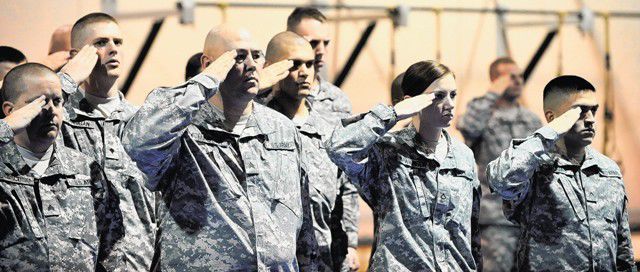
Colorado National Guard, Swiss Armed Forces celebrate partnership
Marissa Ventrelli
marissa.ventrelli@coloradopolitics.com
Updated 3 days ago
Colorado’s National Guard marked a year of partnership with the Swiss Armed Forces at the Governor’s Mansion on Monday. “This anniversary marks one strong year of friendship and collaboration between the State of Colorado and Switzerland,” said Gov. Jared Polis....
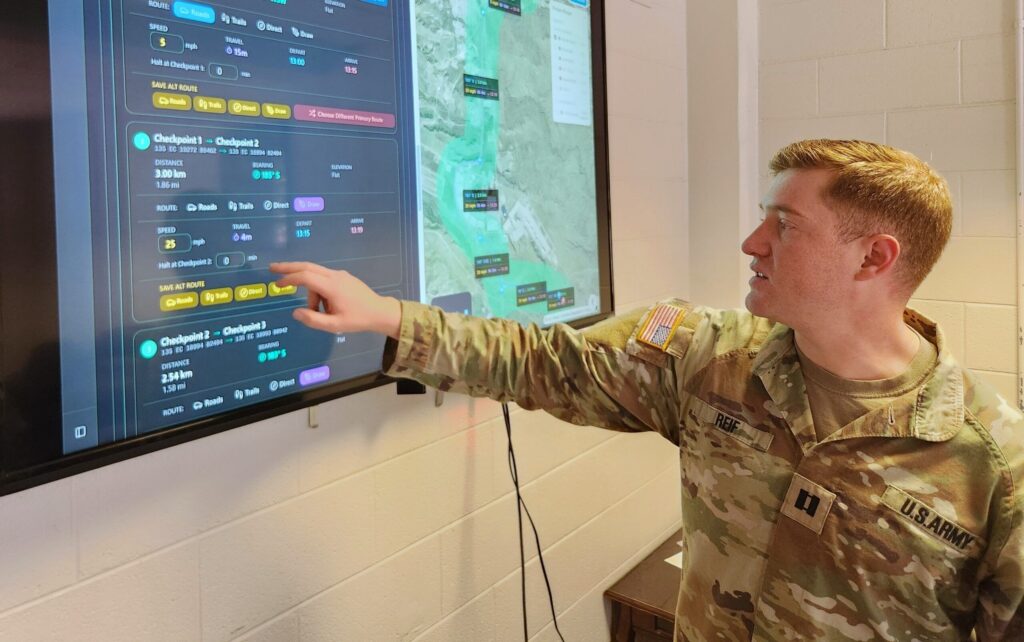
Fort Carson soldiers develop app to plan convoys as part of Next Generation Command and Control
Mary Shinn
mary-shinn@coloradopolitics.com
Updated 4 days ago
Planning the details of a military convoy with numerous vehicles, personnel, weapons, radios and other details can take a platoon leader three days. In addition to plotting a safe route, leaders need to map out checkpoints to track the convoy’s...
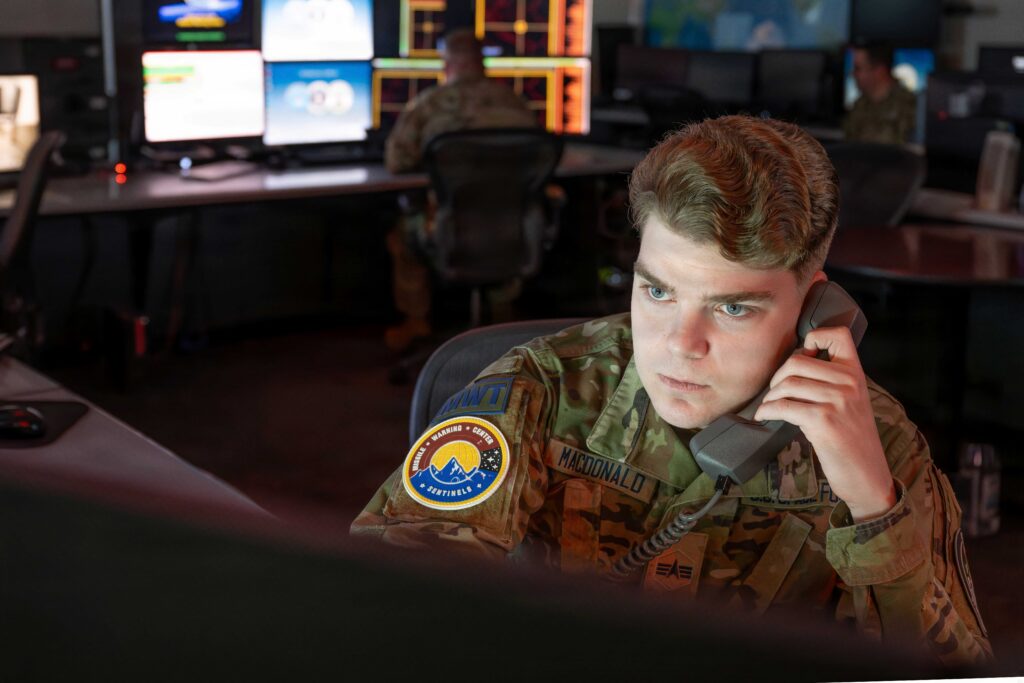
Space Force should measure workforce needs as it prepares to double in size, GAO report says
Mary Shinn
mary-shinn@coloradopolitics.com
Updated 5 days ago
The Space Force needs more people. It’s just not precisely sure how many more. A Government Accountability Office report released earlier this month found that the youngest and smallest military branch does not have a process to consistently or accurately...
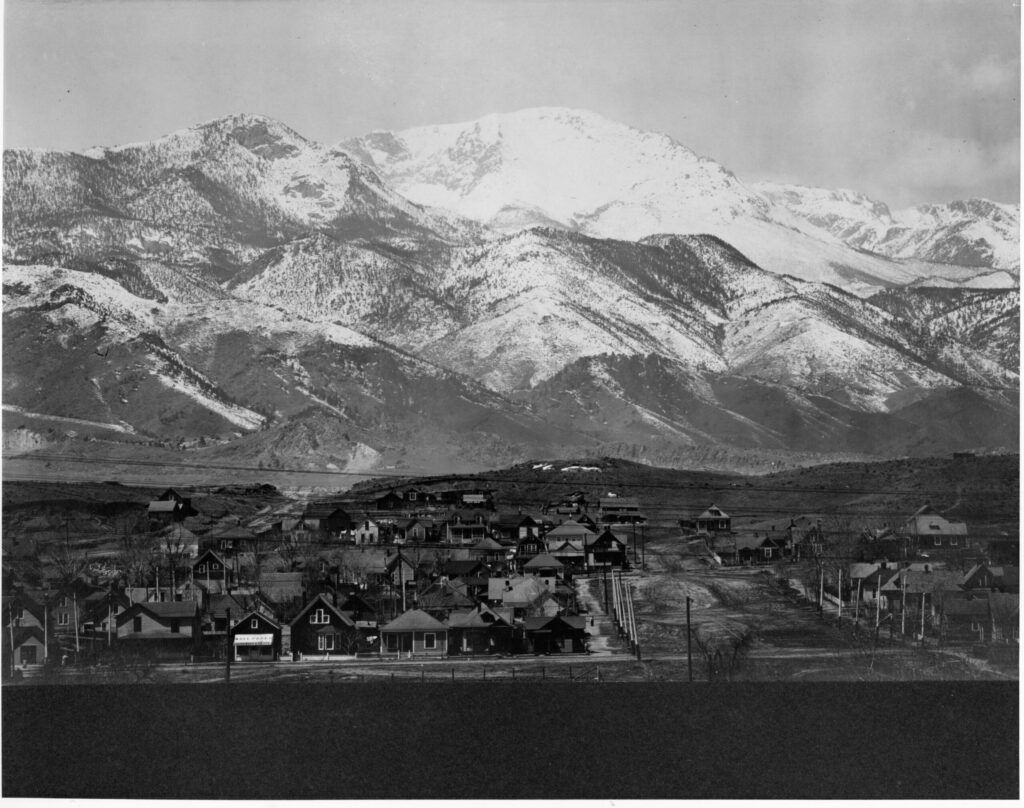
Penrose fortune paved the way for Colorado Springs to be a military, space and sports town
Mary Shinn
mary-shinn@coloradopolitics.com
Updated 5 days ago
Colorado Springs is always working to catch the next big economic wave. “We’re always trying to figure out what the next thing is going to be,” explained Matt Mayberry, director of the Colorado Springs Pioneers Museum. In the early days,...

Air Force Academy cadets will need to learn to think for themselves before mastering AI, says new dean
Mary Shinn
mary-shinn@coloradopolitics.com
Updated 5 days ago
Air Force Academy cadets will be expected to master artificial intelligence but not before they learn to think for themselves. The academy’s new dean, Brig. Gen. James Valpiani, outlined his vision for incorporating AI into the classroom as it becomes...
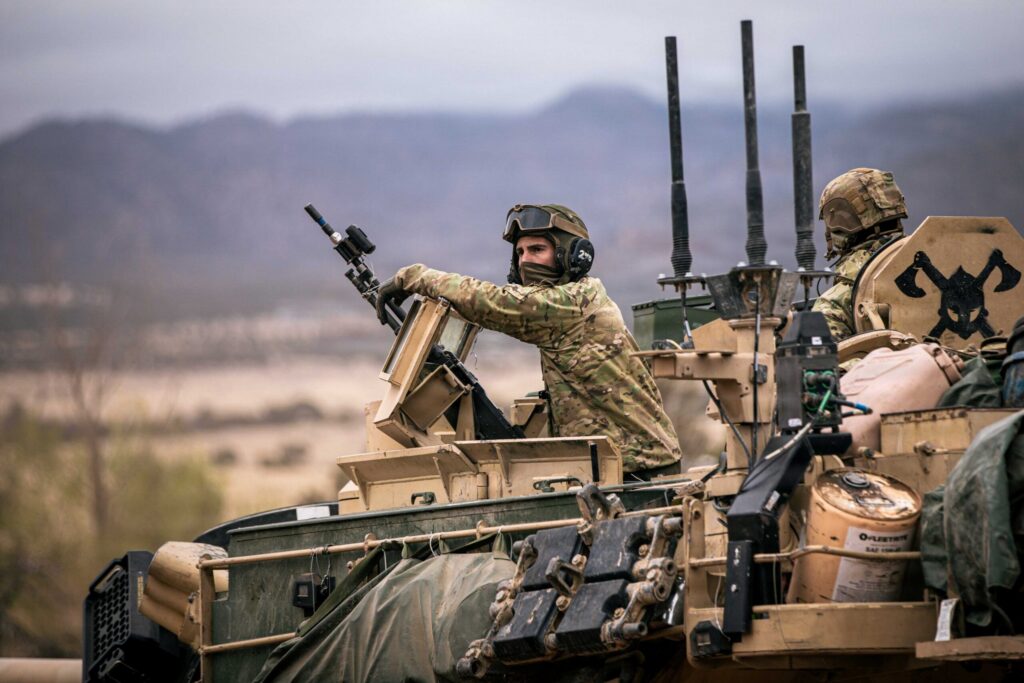
Big swap at Fort Carson: Abrams tanks and Bradley Fighting Vehicles for Strykers
Mary Shinn
mary-shinn@coloradopolitics.com
Updated 2 weeks ago
The armored fleet at Fort Carson will be departing this fall, as the 4th Infantry Division swaps tanks for brand new Strykers. The change will mark a shift in identity for Fort Carson, which will house only Stryker brigades going...
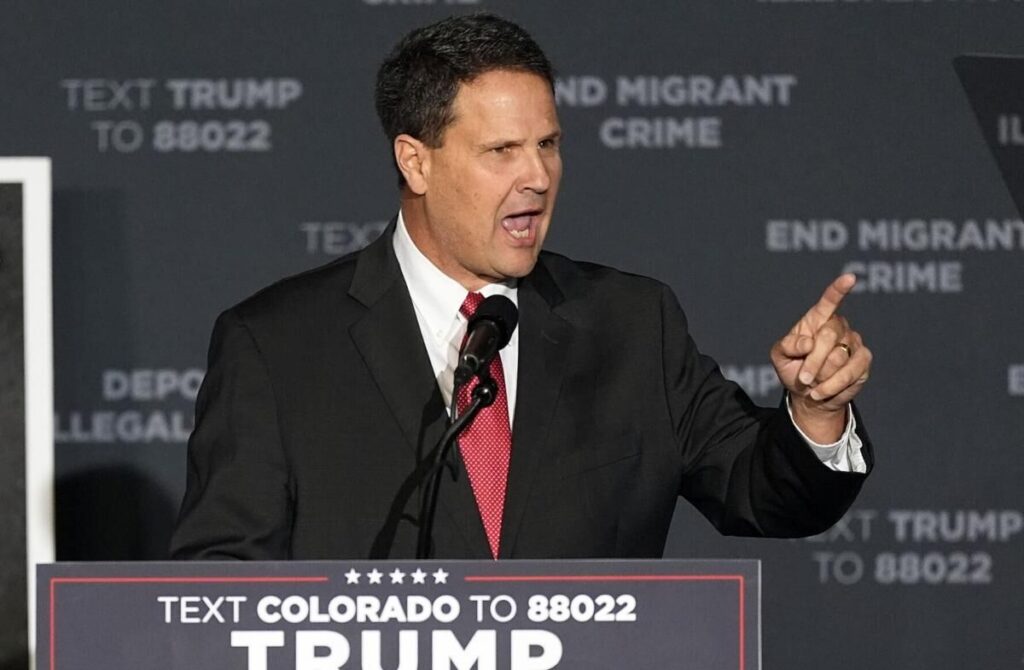
Rep. Jeff Crank thinks Democrats are too focused on Trump, not enough on Colorado Springs | Vince Bzdek
Vince Bzdek
vince.bzdek@gazette.com
Updated 1 month ago
For U.S. Rep. Jeff Crank, who’s unopposed in the Republican primary for the 5th Congressional District but the main target of both candidates in the lively Democratic primary, the big question in the midterms is not who will stand up...

Democratic Congressional hopeful Jessica Killin makes case to El Paso County veterans
Mary Shinn
mary-shinn@coloradopolitics.com
Updated 1 month ago
Well-known Colorado Democrats, Sen. Michael Bennet and Rep. Jason Crow, appeared alongside congressional hopeful Jessica Killin on Friday afternoon to address questions from veterans. The event at Mt. Carmel Veterans Service Center featured key veterans’ issues, such as suicide prevention...
Colorado Iranians express disappointment with U.S.-Iran deal
Mark Samuelson Special to The Denver Gazette
mark.samuelson@denvergazette.com
Updated 1 month ago
Iranians in Colorado worry agreement solidifies the Islamic regime’s power A group of Colorado Iranians expressed disappointment in the agreement reached between the U.S. and the Islamic Republic of Iran, arguing it preserves the government’s hold on power and any...
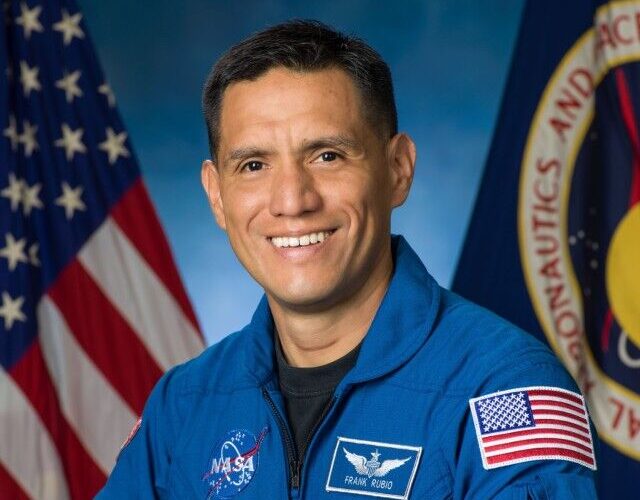
Former Fort Carson soldier selected to Artemis III crew
O'Dell Isaac
odell.isaac@gazette.com
Updated 2 months ago
When the Artemis II splashed down off the coast of San Diego on April 10, its crewmembers were hailed as the farthest-traveled humans from Earth in history, having bested by more than 4,000 miles Apollo 13’s record. Reid Wiseman, Victor...
PREV
PREVIOUS

Front Range Passenger Rail pitches to Colorado Springs ahead of possible ballot measure
If all goes to plan, a measure for a sales tax to fund passenger rail service could be coming to Front Range ballots in 2026. “We have a plan that we think is viable, and we’ll actually be able to get things started,” said John Putnam, chair of the Front Range Passenger Rail District Board. […]
What to know about U.S.-Israel attacks on Iran
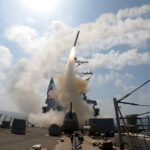
The attack The U.S. and Israel attacked Iran on Saturday in what President Donald Trump said was a massive operation to destroy the country’s military capabilities and eliminate the threat of it creating a nuclear weapon. Iran’s Foreign Ministry said it would defend its homeland and its Revolutionary Guard said it launched counterattacks, firing drones and missiles […]