Colorado Medicaid probe uncovers millions of dollars in alleged transport fraud ring

Colorado Medicaid officials detected $25 million in abnormal billing over just four months two years ago — a surge that prompted a new state law and the suspension of dozens of providers in what authorities now describe as an organized fraud ring.
State and federal prosecutors have since charged two transportation providers in separate indictments, alleging they defrauded Medicaid’s non-emergent medical transportation program out of millions of dollars. The cases were filed in the U.S. District Court for Colorado.
Ashley Marie Stevens, 40, of Mesa County, and Wesam Yassin, 42, of Douglas County, were each charged with six counts of wire fraud and 11 counts of health care fraud.
Stevens also faces six counts of money laundering; Yassin faces eight.
Stevens allegedly billed more than $1 million between July 2022 and February 2023 through her company, Armistead Twin Rides, LLC, according to the indictments. Prosecutors said more than $400,000 of that total was for rides for herself and family members, many without corresponding medical appointments.
Stevens also is accused of billing more than $150,000 for rides that did not occur or were unrelated to medical services. Authorities alleged she used the proceeds for personal expenses, including travel and a luxury vehicle. The indictment further alleged that some billed trips involved implausibly long distances that did not align with documented medical services.
Yassin allegedly billed roughly $3.3 million over 19 months through his company, Sama Limo. Prosecutors said that included about $283,000 for 64 rides for a Medicaid beneficiary — approximately $165,000 of which was billed after the recipient had died.
Other billed rides allegedly did not correspond to medical appointments or were reported by beneficiaries as never having occurred. Authorities alleged the proceeds were used for personal purchases, including a home, luxury vehicles, jewelry and cosmetic surgery. Federal authorities have not indicated whether additional charges are forthcoming.
Jointly funded by state and federal governments, Medicaid provides health coverage to low-income residents, including children, pregnant women, seniors and people with disabilities.
In Colorado, the program serves roughly 1.2 million people.
Its non-emergent medical transportation program covers rides for beneficiaries who lack other means of transportation to medically necessary, non-emergency services. Providers are typically reimbursed based on mileage and level of service, which can include ambulatory, wheelchair-accessible or stretcher transport.
A recent analysis by the Common Sense Institute estimated the Department of Health Care Policy and Financing spending reached $16 billion in 2025 — a 101% increase since 2015 — even as Medicaid enrollment returned to nearly its 2015 level.
The report attributed much of the growth to policy expansions, rather than enrollment or medical inflation alone. State officials have previously pointed to Colorado’s Medicaid Sustainability Framework, which argues program growth has outpaced revenue limits under the Taxpayer’s Bill of Rights, creating structural budget pressure.
Since Attorney General Phil Weiser took office, the state’s Medicaid Fraud, Abuse and Neglect Unit has recovered more than $50 million through court orders, convicted 62 defendants and settled more than 100 civil fraud cases, said Lawrence Pacheco, a spokesperson. The unit is funded jointly by state and federal dollars.
Pacheco declined to comment on the cases.
The unit has roughly six open investigations into suspected medical transportation fraud. Officials declined to comment on whether those investigations are related to the cases announced this month.
The surge in abnormal billing was detected in April two years ago, triggering an investigation that led lawmakers to pass a new law allowing the Department of Health Care Policy and Financing to suspend a provider’s Medicaid enrollment over alleged misconduct, Marc Williams, a spokesperson said. The legislation expanded the department’s administrative authority during active fraud investigations.
With the law’s passage, the department suspended 64 providers to investigate their billing practices, Williams said. It also implemented a provider enrollment moratorium preventing new entities from enrolling as Non-Emergent Medical Transportation (NEMT) providers. The suspensions allowed regulators to pause payments, while claims were reviewed.
The moratorium — which remains in effect until March 31 — has blocked more than 600 providers believed to be associated with the suspected organized fraud ring from joining the Medicaid network. Officials have not disclosed how many of those entities were previously enrolled in other states.
A prepayment claims review for certain providers has also prevented more than $24 million in inappropriate payments to date, Williams said. That review requires additional documentation before reimbursement is issued.
Gov. Jared Polis’ office credited the department for referring the cases to law enforcement.
“In Colorado, we are committed to rooting out any fraud and ensuring efficient and effective use of every taxpayer dollar,” Eric Maruyama, a Polis spokesperson, said in a statement. “The state used every tool available to hold bad actors accountable and prevent future misuse of funds.”


Evergreen CommonSpirit gunman identified as previous patient
9News
9news@coloradopolitics.com
Updated 1 week ago
A gunman who shot into a primary care office in Evergreen Thursday afternoon was previously a patient at the facility, authorities said. Lance Black, 62, fired about 19 shotgun rounds into various pieces of equipment, computers and walls at a...
Colorado policymakers scramble with prisons on track to exceed capacity
Marianne Goodland
marianne.goodland@coloradopolitics.com
Updated 1 week ago
Colorado’s prison system is on track to exceed capacity within the next year, driven by a sharp slowdown in parole releases, staffing shortages and an aging inmate population — all as lawmakers grapple with an $800 million general fund shortfall...
Colorado Democrats propose changes to juvenile corrections, jail searches, municipal courts | Bills in brief
Marissa Ventrelli
marissa.ventrelli@coloradopolitics.com
Updated 2 weeks ago
Colorado lawmakers introduce hundreds of bills each year. Bills in brief cuts through the noise by explaining which proposals matter, what’s at stake, and how decisions at the Capitol could affect everyday life across the state. Colorado lawmakers are advancing a slate...
Denver police chief: Officers will intervene when they see ‘excessive force’ by ICE
Michael Braithwaite
michael.braithwaite@gazette.com
Updated 2 weeks ago
Denver Police Department Chief Ron Thomas said Wednesday that his officers would step in if they witnessed any “excessive force” used by federal agents during operations in the city. “If we see a federal officer who we believe is using...

Evergreen High School shooting motive still unknown; parents won’t be charged
Sage Kelley
sage.kelley@denvergazette.com
Updated 2 weeks ago
The Jefferson County Sheriff’s Office completed the investigation into the Evergreen High School shooting that shocked the county — and country — five months ago. Following the investigation, the parents of the shooter, 16-year-old Desmond Holly, won’t face charges regarding...
Voters will decide proposal to repeal Colorado limits on police cooperation with immigration authorities
Marianne Goodland
marianne.goodland@coloradopolitics.com
Updated 4 weeks ago
A ballot initiative backed by the group Advance Colorado has qualified for the November general election, setting up a statewide vote on whether to undo limitations placed upon state and local law enforcement agencies’ ability to work with federal authorities....
Colorado lawmakers want officers to conduct ‘lethality assessments’ when responding to domestic violence calls
Marissa Ventrelli
marissa.ventrelli@coloradopolitics.com
Updated 4 weeks ago
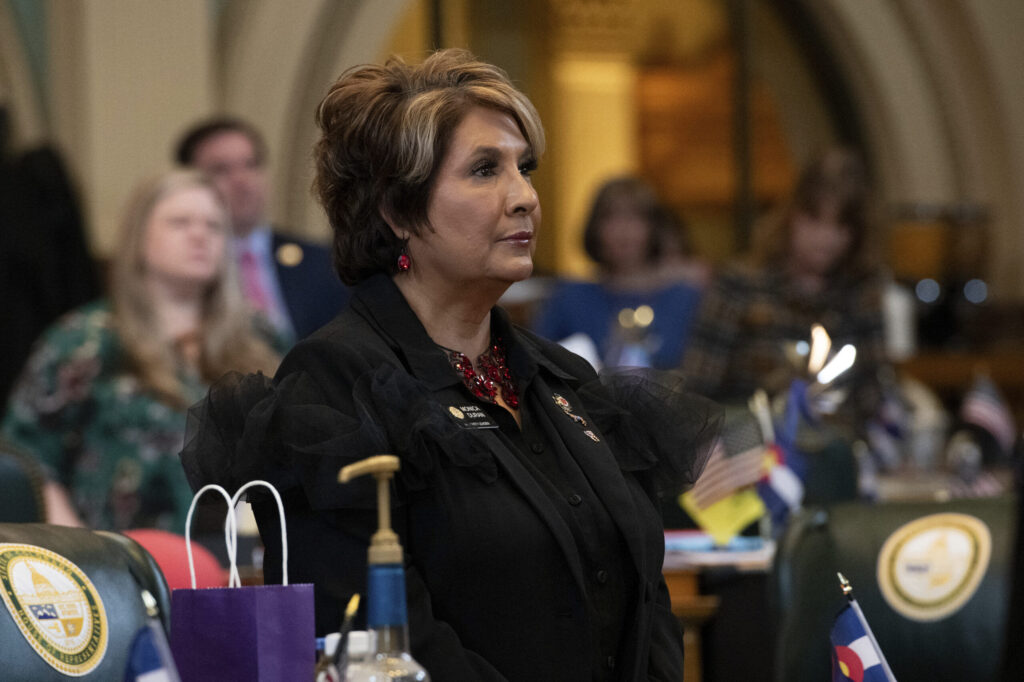
A bipartisan group of lawmakers is hoping to reduce to Colorado’s rising domestic violence fatalities through a bill that would require law enforcement agencies around the state to conduct “lethality assessments” on domestic violence victims. In early December of last...
Colorado Joint Budget Committee rejects DOC’s $2.4M request for more beds
Marissa Ventrelli
marissa.ventrelli@coloradopolitics.com
Updated 1 month ago
The state’s Joint Budget Committee voted on Wednesday to deny the Department of Corrections’ $2.4 million request for additional prison beds, citing the department’s lack of a plan to address its ongoing overcrowding problems. In September, the committee approved the...
4 arrested after $900K in damages to former Pueblo County middle school
Cleo Westin
cleo-westin@coloradopolitics.com
Updated 1 month ago
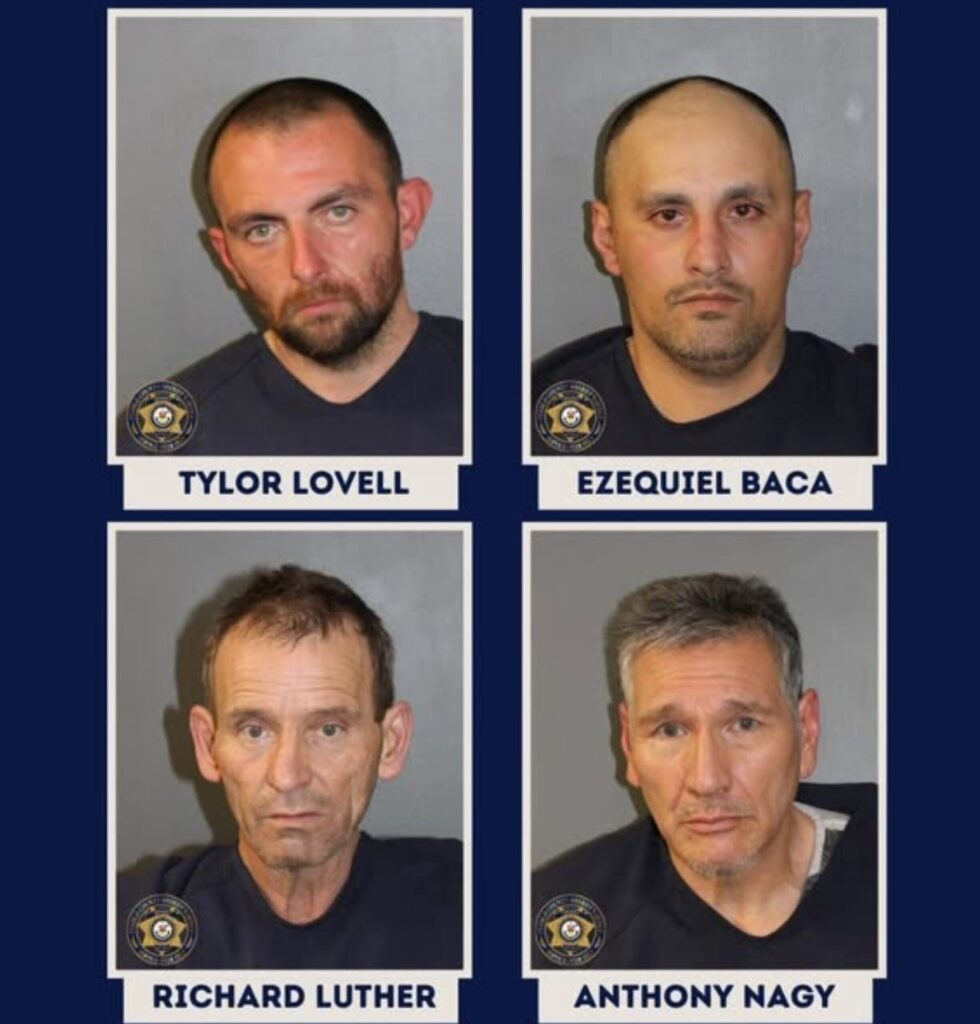
Pueblo County sheriff’s deputies arrested four men after interrupting a burglary in progress at the former Excelsior Middle School on Thursday, according to a news release by the Sheriff’s Office. Richard Luther, 60, Tylor Lovell, 31, Ezequiel Baca, 35, and...
Gov. Jared Polis touts Colorado’s ‘significant’ drop in crime in 2025
Marissa Ventrelli
marissa.ventrelli@coloradopolitics.com
Updated 1 month ago
Gov. Jared Polis is touting a recent report saying Colorado’s overall crime rate decreased by double-digit margins over the past year. “I am thrilled to see our data-driven investments in law enforcement support and crime prevention are working,” Polis said...