

CU Boulder, state launch economic research in coal-transition areas
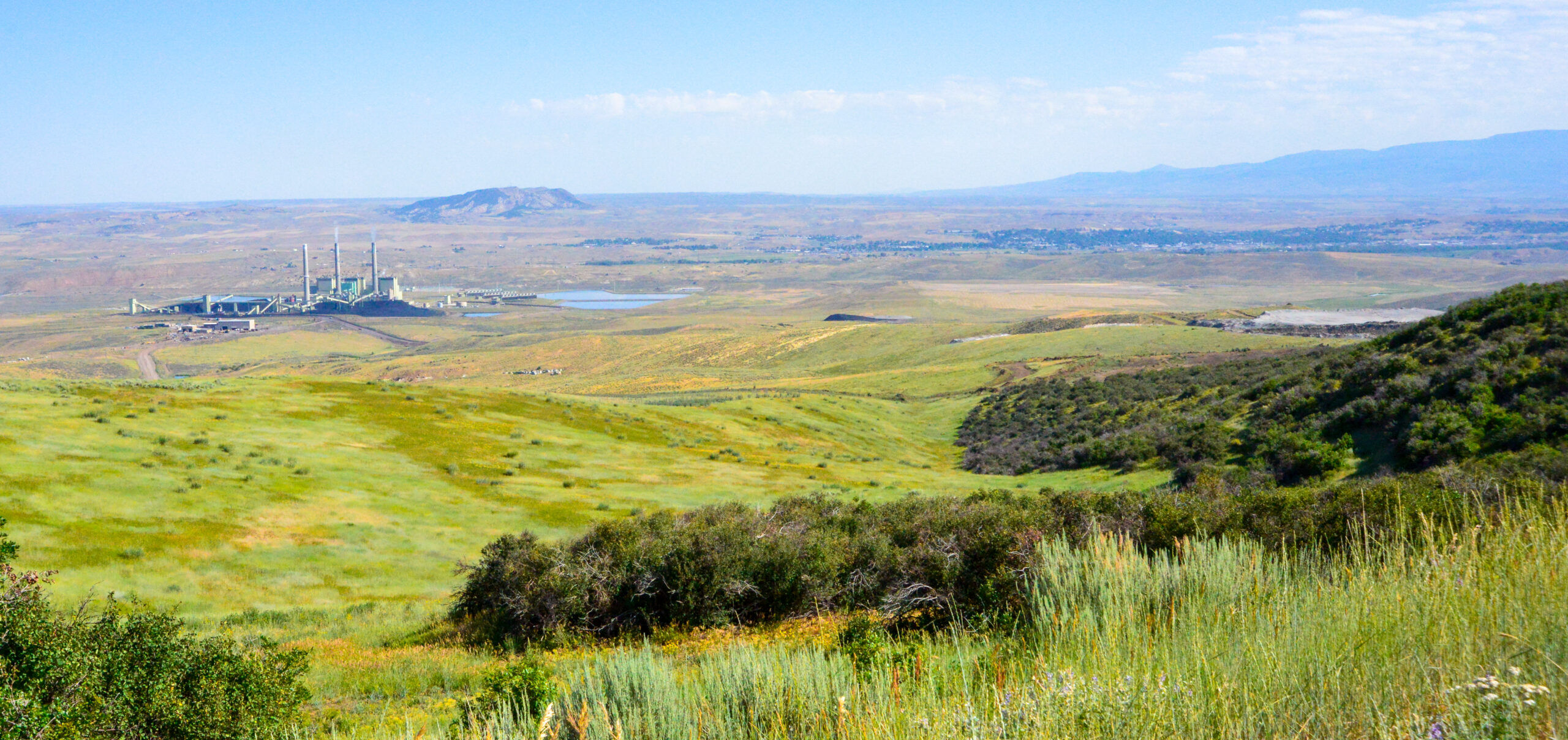
Communities in northwest Colorado built on coal mining and power plants are losing hundreds of high-paying jobs and a major share of their tax revenue as operations wind down. In a yearlong effort, the University of Colorado Boulder is teaming up with the state’s Office of Economic Development and International Trade to help these areas find new economic paths forward.
Graduate students, faculty and researchers from the Leeds School of Business Business Research Division and the Master’s of the Environment program are leading the work, according to a news release.
Through their final hands-on graduate projects, they will gather data, talk directly with residents and local leaders, and build practical recommendations shaped by what communities actually need and want. The initiative started in January and runs through October 2026.
“This partnership reflects CU Boulder’s responsibility as a public research university to offer our expertise in the service of Colorado communities,” said Andrew Mayock, vice chancellor for sustainability, in the release. “This capstone-based work allows our students to contribute directly to the diversification of local economies by listening to communities, meeting their needs, and incorporating community input into effective solutions to move forward strategically.”
Colorado officials have prioritized support for areas long dependent on coal mining and coal-fired power plants, which now face the loss of jobs and property tax revenue. The state needs current data and steady local input to help guide coordinated planning. OEDIT is supporting the effort by funding graduate-level research that directly addresses these challenges.
“Colorado’s rural communities are innovative and resilient, and when we align state resources with local priorities, we deliver better results,” said Eve Lieberman, executive director at OEDIT, in the release. “Research led by CU Boulder’s Business Research Division and Master’s of the Environment graduate program and supported by Just Transition funding will help us hear directly from communities and turn those insights into real, measurable outcomes for rural Coloradans and their families.”
The initiative will produce a detailed regional analysis, outline achievable next steps and clear action items, and create a framework that other coal-transition areas across the state could adapt and use.
“This project demonstrates how graduate student work can deliver real value beyond campus,” Mayock said.”Our students are gaining hands-on experience while helping communities plan for a more sustainable and resilient future.”
The effort is coordinated through CU Boulder’s Office of Outreach and Community Engagement and External Partnerships. Funding is shared between OEDIT, CU Boulder and the Chancellor’s Office.

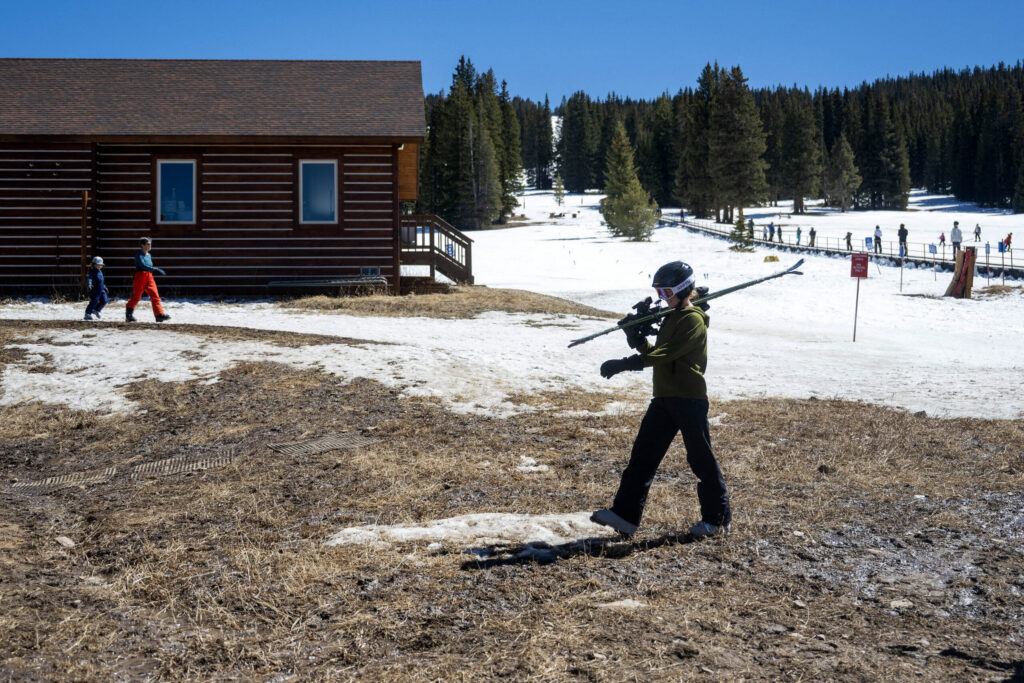
Colorado ski resorts announce early closures amid historic snowpack lows, high temperatures
Kyla Pearce
kyla.pearce@gazette.com
Updated 2 days ago
As Colorado’s historically low snowpack year comes to a close and spring conditions take over the mountains, the state’s major ski resorts are announcing closing dates — some of which are weeks before historic closing dates. Most of Colorado’s ski...

Longtime community leader Arlene Hirschfeld to be honored | NONPROFIT REGISTER
Joanne Davidson Special to Colorado Politics
joanne-davidson-special-to-colorado-politics@coloradopolitics.com
Updated 2 days ago
WOMEN UNITED, MILE HIGH UNITED WAY Denver News: Arlene Hirschfeld, a Denver native who has devoted her adult life to serving others, will receive the 2026 Frances Wisebart Jacobs Award when Mile High United Way hosts its Women United Luncheon on April 17. The award is named...

Major downtown Denver office conversion gets $63M from DDDA
Bernadette Berdychowski
bernadette.berdychowski@denvergazette.com
Updated 2 days ago
The Denver Downtown Development Authority approved $63 million on Wednesday for the ambitious plan from a developer to convert two office towers into what it calls a “vertical village.” The project, dubbed High Fidelity Plaza from The Luzzatto Co., would...
Pinnacol separation bill delayed as Colorado budget remains in flux due to $1.5B deficit
Marianne Goodland
marianne.goodland@coloradopolitics.com
Updated 3 days ago
A bill that would allow Pinnacol Assurance to formally sever its remaining ties with the state appears unlikely to emerge anytime soon, as House leaders juggle a massive budget shortfall, unresolved negotiations with key stakeholders, and growing doubts about whether...

Comedy showcase to feature new and established talent | NONPROFIT REGISTER
Joanne Davidson Special to Colorado Politics
joanne-davidson-special-to-colorado-politics@coloradopolitics.com
Updated 2 days ago
MIZEL ARTS AND CULTURE CENTER Denver News: A host of emerging comedians will perform along with Denver native and nationally recognized comic Noah Gardenswartz when the Mizel Arts and Culture Center hosts The Tight Five: Standup Comedy Showcase. The up-and-comers take the stage...

Gov. Jared Polis signs housing bills amid push for ‘affordability’
Marissa Ventrelli
marissa.ventrelli@coloradopolitics.com
Updated 1 day ago
Gov. Jared Polis held the first public bill signing of the 2026 legislative session on Wednesday on a pair of housing measures that, sponsors said, are aimed at affordability. Part of Democrats’ “affordable” housing package this year, the bills —...

Colorado farmers begin spring planting season with soaring fertilizer costs and price-gouging fears
Marianne Goodland
marianne.goodland@coloradopolitics.com
Updated 2 days ago
As Colorado farmers prepare their fields for spring planting, many are sounding the alarm over fertilizer prices that have surged far beyond what they say global supply disruptions can explain. With nitrogen costs up 30% in a matter of days,...
Colorado Democrats want large corporations to pay fee if employees are on Medicaid
Marianne Goodland
marianne.goodland@coloradopolitics.com
Updated 4 days ago
Democrats are seeking to require Colorado’s largest corporations to pay thousands of dollars for each employee that relies on the Medicaid program for health insurance. They don’t have to pay the fee if they can demonstrate offering an “affordable health...

CDOT pivots from snowplowing to wildfire mitigation along highways
Scott Weiser
scott.weiser@gazette.com
Updated 2 days ago
Colorado Department of Transportation maintenance crews have launched an early push to clear dry vegetation along highways to reduce the chance that sparks or cigarette butts from passing vehicles might ignite fast-moving fires this summer. With CDOT meteorologists forecasting above-normal...

Farmworker overtime bill advances after lengthy debate in Colorado Senate
Marianne Goodland
marianne.goodland@coloradopolitics.com
Updated 5 days ago
The Colorado Senate on Tuesday narrowly advanced a bill to raise the overtime threshold for agricultural workers, defeating more than a dozen amendments from its leading opponent aimed at rewriting the measure. As introduced, Senate Bill 121 would raise the threshold for...
PREV
PREVIOUS

Colorado marijuana regulators consider major changes to how labs test for contaminants
This article was produced for ProPublica’s Local Reporting Network in partnership with The Denver Gazette. Sign up for Dispatches to get our stories in your inbox every week. Colorado marijuana manufacturers would no longer be allowed to choose which product samples they send for mandatory lab testing under a new regulatory proposal discussed at a […]

Colorado Supreme Court blocks 'child-to-parent violence' testimony in Boulder County case
The Colorado Supreme Court concluded on Friday that a Boulder County judge incorrectly green-lit a psychologist’s expert testimony when the defendant had not laid the necessary groundwork for the evidence. State law requires criminal defendants to provide notice and undergo a court-ordered examination if they want to introduce expert evidence of their mental condition at […]