

How to handle the national cattle herd at its lowest level in 75 years? | Rachel Gabel
This time of year, the salebarns are full of bidders, buyers and cream pie connoisseurs. The adrenaline and anxiety in the building and around the ring is as thick as the gravy served in the café. In the back of the barn, the crews are bringing loads of cattle, many of which are 600-ish to 800-pound-ish stocker or feeder calves. These are calves weaned and probably familiar with the feed bunk. They’re ready to go to a feedyard and fill some of the empty pens that so many yards in the area have sitting, ready to be filled.
Though cattle producers are experiencing record prices, they’re also paying record input prices. What John F. Kennedy said remains true, “The farmer is the only man in our economy who buys everything at retail, sells everything at wholesale, and pays the freight both ways.” The cattle markets are in significantly better shape than the grain markets, and for the growers producing record high yields of the highest quality grains, that is frustrating especially when the harvest is done with millions of dollars of equipment.
Just as in JFK’s day, cattle producers and farmers lack control over input costs and market prices. The positive developments since even the troubled 1980s have been highly subsidized crop insurance, expanded trade, and for corn growers, an ethanol market that didn’t exist 40 years ago. These things will likely keep another farm crisis at bay, but today’s market is susceptible to other outside forces. And forces there are aplenty.
Texas Commissioner of Agriculture Sid Miller, in response to the U.S. Department of Agriculture’s recent report listing the national cattle herd at its lowest level in 75 years, offered heifer tax credits as a potential solution.
Miller is calling for Heifer Retention Tax Credit, modeled after the Child Tax Credit, that incentivizes cattle producers to expand their herds which, in turn, increases beef production and lowers beef prices for consumers.
According to the Beef Cow Replacement Value Forecast from the University of Nebraska, the probability for payback of a heifer purchased in this market, calculated at an estimated $4,000, is dim at less than 1%. It’s difficult for producers to turn down the prices heifers are fetching, making expansion tough.
The major factor we discussed before selling our calves last week was the drought conditions. With negligible moisture anywhere we operate either on pasture, corn stalks, or in the feedyard, we may lack the forage needed to run the cattle we have, much less a large group of retained heifers.
The day we weaned calves was the day President Donald Trump spoke about bringing Argentinian beef into the U.S. to make beef more affordable at the meat counter. The load of calves we left Wyoming with was worth far more than the load we rolled into Colorado with that day. Though the market rebounded, it’s still reactive to social media whims, which is one of the more annoying facts of the industry today.
The day we hauled feeder calves to the sale is the day JBS workers in Greeley represented by a union voted to strike. The boards reacted quickly, but hopefully the demand will remain high in the salebarn by the cattle buyers still trying to fill feedyard pens.
In Ogallala, Nebraska, last week, barn records feel with 500-pound steers fetched as much as $565/hundredweight. As much as I hate to add any additional external factors to cattle prices, I also can’t imagine tempting a producer to retain heifers for a $50 credit just to give up a $2,825 feeder calf.
An economist I’m not, but I grew up in the 1980s as the daughter of an oil-and-gas landman, and I make my living as an adult raising cattle. These facts make me rather allergic to inviting additional outside meddling into the markets that already have plenty of outside noise. Pasture conditions, aging cattle producers dispersing herds, loss of pasture, the price of commodities, the ill timing of tweets, the ongoing closure of the southern border to Mexican cattle, the perennial threat of misinformed legislation, and price of diesel is plenty, thanks. Let it ride.
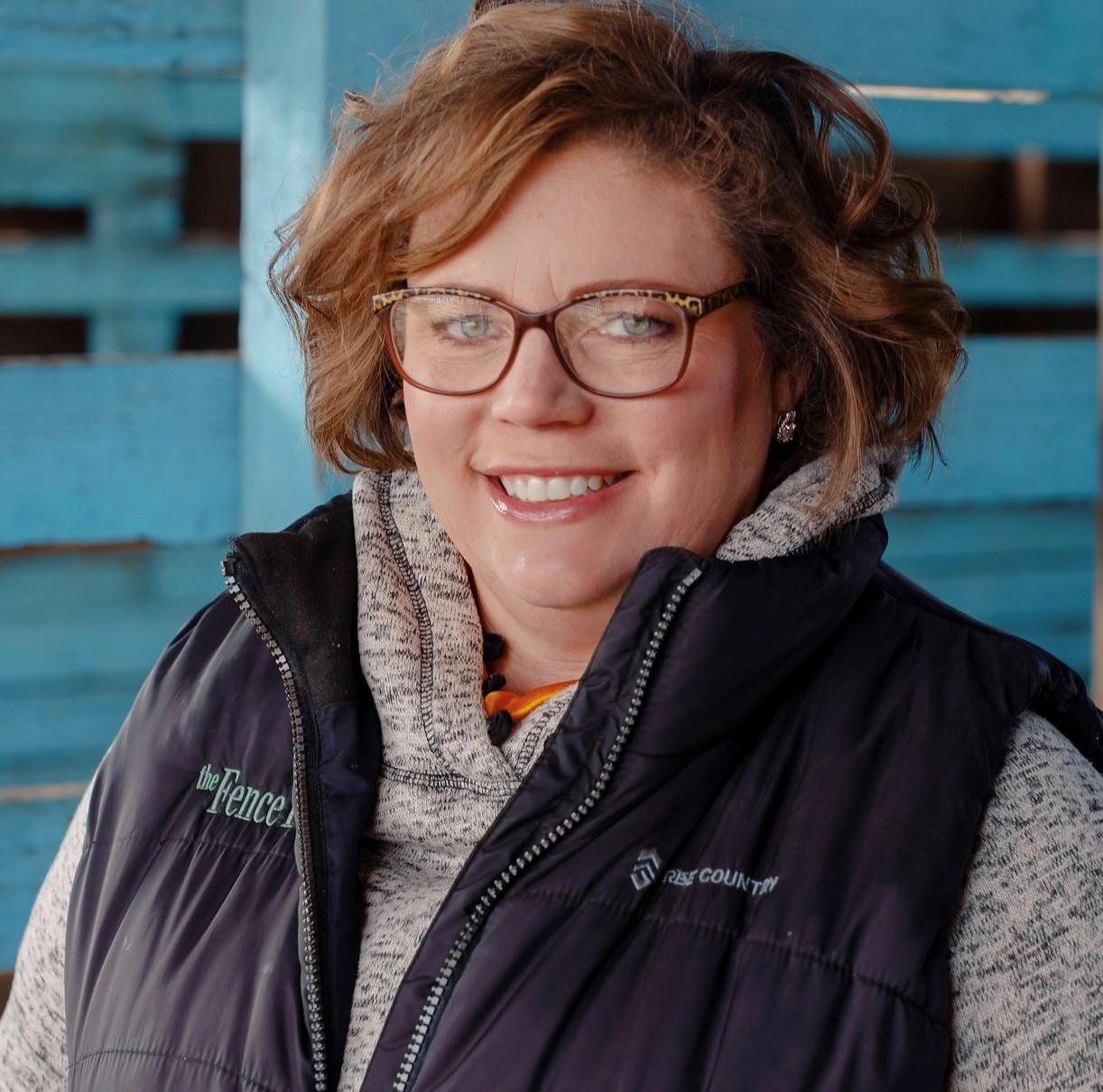
Rachel Gabel writes about agriculture and rural issues. She is assistant editor of The Fence Post Magazine, the region’s preeminent agriculture publication.

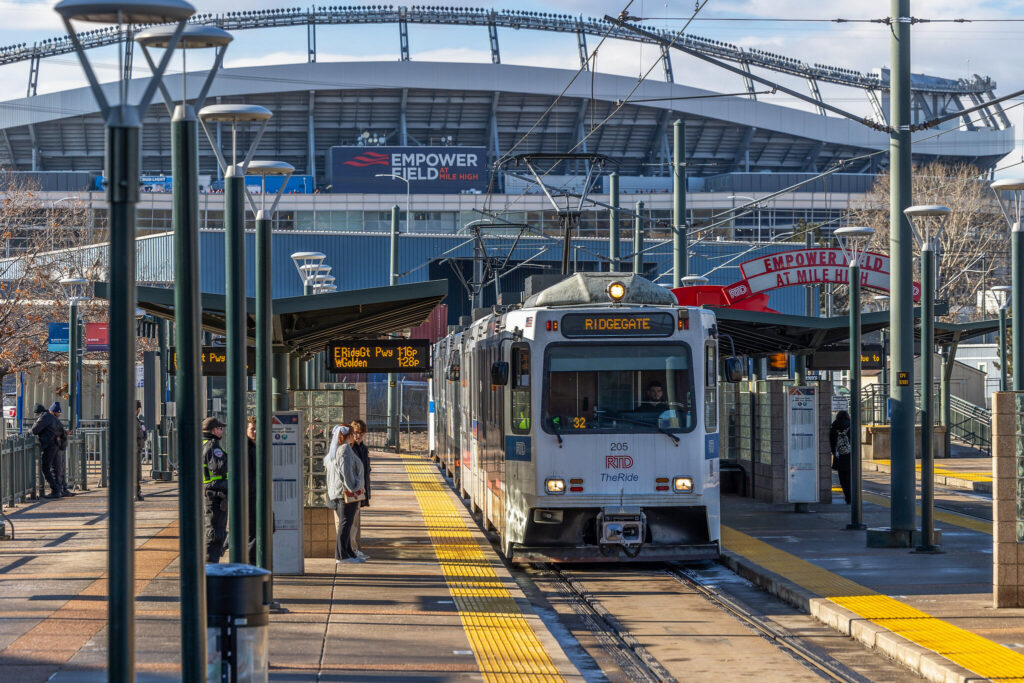
Colorado lawmakers push legislation to shrink RTD board, increase pay as ridership struggles continue
Marissa Ventrelli
marissa.ventrelli@coloradopolitics.com
Updated 2 hours ago
Colorado lawmakers are advancing a new push to overhaul the Regional Transportation District, proposing to shrink the board, raise member pay, and boost ridership back to pre-pandemic levels. While some stakeholders see the effort as a step forward, others warn...

Colorado legislators drove up cost of Medicaid program
Marissa Ventrelli
marissa.ventrelli@coloradopolitics.com
Updated 4 hours ago
Some of Colorado’s spending woes in Medicaid can be traced to lawmakers who had approved new or expanded programs in the last few years, driving up state costs to the tune of tens of millions of dollars. Just three measures...

Colorado leaders weigh next steps after US Supreme Court rules against state’s ‘conversion therapy’ ban
Marissa Ventrelli
marissa.ventrelli@coloradopolitics.com
Updated 2 hours ago
Colorado leaders and advocacy groups remain divided after the U.S. Supreme Court on Tuesday ruled against the state’s ban on conversion therapy for minors, ruling 8-1 that the 2019 law violates the First Amendment. While it is a victory for...
Legislature busy sending lots of minor bills for governor’s signature | Hal Bidlack
Hal Bidlack
hal-bidlack@coloradopolitics.com
Updated 17 hours ago
One of the benefits of being, well, I guess technically, some type of journalist writing here on Colorado Politics, isI get on interesting mailing lists. A while back, some kind soul in the governor’s office added me to the daily...
SB26-140 will protect access to rare disease treatments | OPINION
Colorado Politics
colorado-politics@coloradopolitics.com
Updated 17 hours ago
By Amanda Boone There are moments in life that leave an indelible mark on your soul. For me, one came in the middle of the night when I took a full breath for the first time in over a decade....
Lawmakers hold the key to solving Colorado’s mental health crisis | OPINION
Colorado Politics
colorado-politics@coloradopolitics.com
Updated 17 hours ago
By Ryan M. Burkhart The U.S. is currently in the midst of a mental health crisis, and here in Colorado, more than 28% of residents live with a mental health condition. Unfortunately, a majority of Colorado residents are currently locked...
‘Change the terrain’ for deliberative democracy | FEEDBACK
Colorado Politics
colorado-politics@coloradopolitics.com
Updated 17 hours ago
Vince Bzdek’s Gazette piece on James Fishkin’s experiments in deliberative democracy is an interesting read, though the very factors that produced its results — balanced information, expert moderation, and structured discussion — are what everyday politics lacks, and precisely what...

Colorado Gov. Polis signs social media warrant bill after last year’s veto
Marissa Ventrelli
marissa.ventrelli@coloradopolitics.com
Updated 20 hours ago
Colorado law enforcement will soon have faster access to digital evidence after Gov. Jared Polis signed a pared‑down bill requiring social media companies to acknowledge and respond to search warrants on a tight timeline, a shift from a broader proposal...
Under fire from legislators and critics, Colorado’s top Medicaid official resigns
Marianne Goodland
marianne.goodland@coloradopolitics.com
Updated 23 hours ago
Colorado’s top Medicaid official stepped down on Monday, just as a bipartisan bloc of state senators prepared to formally urge Gov. Jared Polis to remove her over what they called years of mismanagement, waste and costly errors inside the state’s...
Killing off the Regional Transportation District | Miller Hudson
Miller Hudson
miller-hudson@coloradopolitics.com
Updated 2 days ago
This column is appearing the same day state Sen. Matt Ball (D) of Denver and his legislative co-sponsors unveil legislation implementing many of the recommendations advanced by last summer’s Regional Transportation District Accountability Committee. Although it isn’t readily apparent, they...
PREV
PREVIOUS

Why U.S. Sen. Michael Bennet won’t be governor of Colorado | Jon Caldara
I suggest we get used to saying the words, “Governor Weiser.” The election for Colorado’s next governor does not take place in November. It’s in fewer than five months, on June 30. That’s the state’s primary election. Whoever wins the Democratic primary is the next governor (with all apologies to the seeming 328 Republicans running […]

Hick, much like Trump, harmed rural Colorado | Dick Wadhams
Colorado’s congressional delegation unanimously opposed President Donald Trump’s recent veto of the Arkansas Valley Conduit water project which had been passed by Congress without opposition. But Trump is not the first chief executive to unilaterally harm communities in rural southeastern Colorado. U.S. Sen. John Hickenlooper was elected governor in 2010 against a discredited Tea Party-driven […]