

Capitol M: Olympic version | Week of Feb. 7, 2026
The lighter side of the state Capitol, usually.
Sen. Byron Pelton, R-Sterling, who turns 50 this year, is sporting eyeglasses for the first time.
He blames the lege.
“With 700 bills to read a year, my eyes are failing me,” he quipped.
Salute to Colorado’s Olympians, and one in particular
With the Winter Olympics underway in Milan, and with Colorado leading the way with the most Olympians and Paralympians of any state, the state Senate, on Thursday, saluted Team USA and its Colorado members with a resolution thanking the athletes, their parents and families, trainers, and the communities and facilities that support them.
According to Team USA, Colorado is represented by 29 Olympians; the state Senate’s count is a little higher, at 32, including people with “meaningful connections” to Colorado.
The Colorado Olympians will compete in ski jumping, snowboarding, freestyle, Alpine, Nordic and cross-country skiing, bobsled, and hockey.
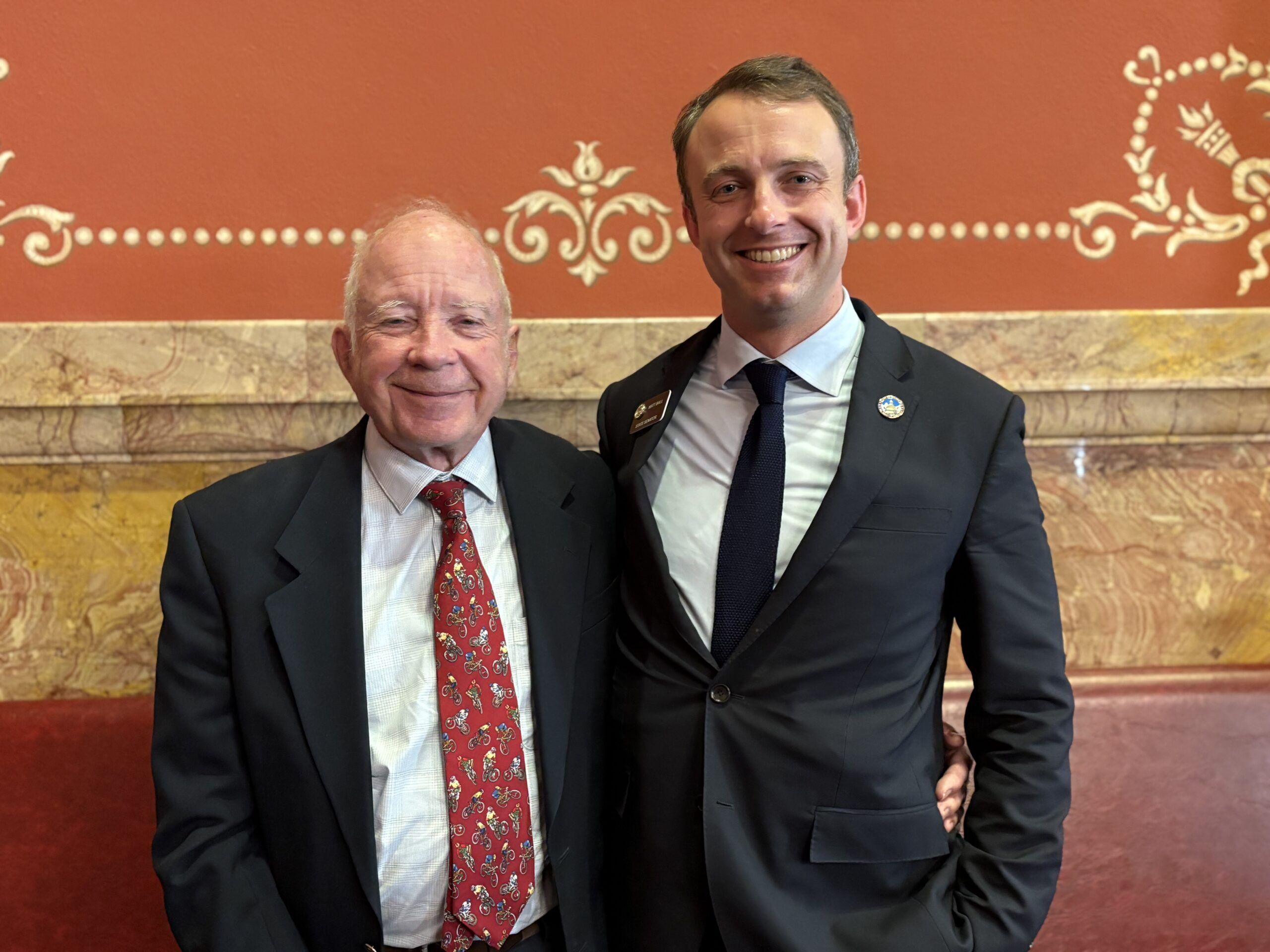
The tribute also brought in a special visitor: Rick Ball, a member of the 1972 US Olympic team that competed in Munich. He’s also the father of Sen. Matt Ball, D-Denver.
A Colorado native, Rick Ball competed in the team time trial, the “dreaded” (Capitol M did a few in her youth and hated it) race against the clock. The team finished 15th, although the third- and fourth-place teams were later disqualified.
Ball’s race was on the first day of the Olympics that year (August 22), so when the Palestinian terrorist group Black September attacked and killed members of the Israeli Olympic team on September 5, his race was already over.
In the days following the attack, which took place over 21 hours in the Olympic village, Ball said he spent his time on the bike to deal with the horrors of that event. He, however, recounted that his teammates, who still had races to ride, were not as happy to continue competing.
Everyone else had to go through a day-long suspension of the games, and, worst of all, he explained, they had to get back on their bikes and compete. The view was “screw this, what we’re doing is games, this is something else, let’s get out of here.” The Olympic authorities insisted the games continue and they did.
Emotionally, his way of dealing with what was going on was to get on the bike. Every morning, he said, he was the first to the cafeteria, then got on his bike and disappeared for the rest of the day.
With the passage of time, upon reflection, Ball was deeply honored to represent the United States, treasuring the events and wonderful experiences of training and racing that led up to the 1972 games.
It was hard to walk away from, Ball said. “You can’t push pedals for the rest of your life,” and he was already 28 at the time of the games. He went on to earn a PhD in mathematics and taught first at Boise State, and then his wife, who earned her PhD in business, was hired by the University of Denver. They both taught at DU for the next 30 years, until their retirements.
Cycling today? He says it’s in the gym.
His best finish in a race was a points race in Fort Collins prior to the Olympics. A points race is a closed-lap race, about 50 miles total, and every five laps there’s a sprint for points, at 5-4-3-2-1. Ball said he wasn’t much of a sprinter, but he was very competitive as a road racer. As the race went on, he gained about three-quarters of a lap on the rest of the competition, head down, sweating, and bent over the handlebars.
The time to complete the race isn’t what determines the winner; it’s the points. After winning the five points for each sprint, he started adding up how many points he’d accumulated after winning each sprint.
When he figured he had enough to win, he stopped, got off the bike, and watched the rest of the race. And he won.
“I enjoyed that profoundly,” Ball laughed.
And a fond farewell to…
Having been in this building since 1998, you get used to people leaving for bigger and better (usually) things.
That’s most true when the end is nigh for a governor’s time in office. With Gov. Jared Polis term-limited, his cabinet and staff are starting to look for that next big thing.
One of the folks who has been a steady and almost-always helpful presence is the governor’s communications director, Conor Cahill.
He started out as the governor’s spox (spokesman) and, in 2023, was promoted (?) to communications director. In his seven years in the gov’s office, he’s gotten married and now has two children.
His background prior to 2019 includes communications for the Colorado House Democrats, and before that, four years with Sen. Ed Markey, D-MA.
While at St. Anselm’s in New Hampshire, where he earned a bachelor’s degree in politics, he was a running back and wide receiver on the varsity football team (no, really!), and during the summer worked in operations at the Nantucket (MA) airport.
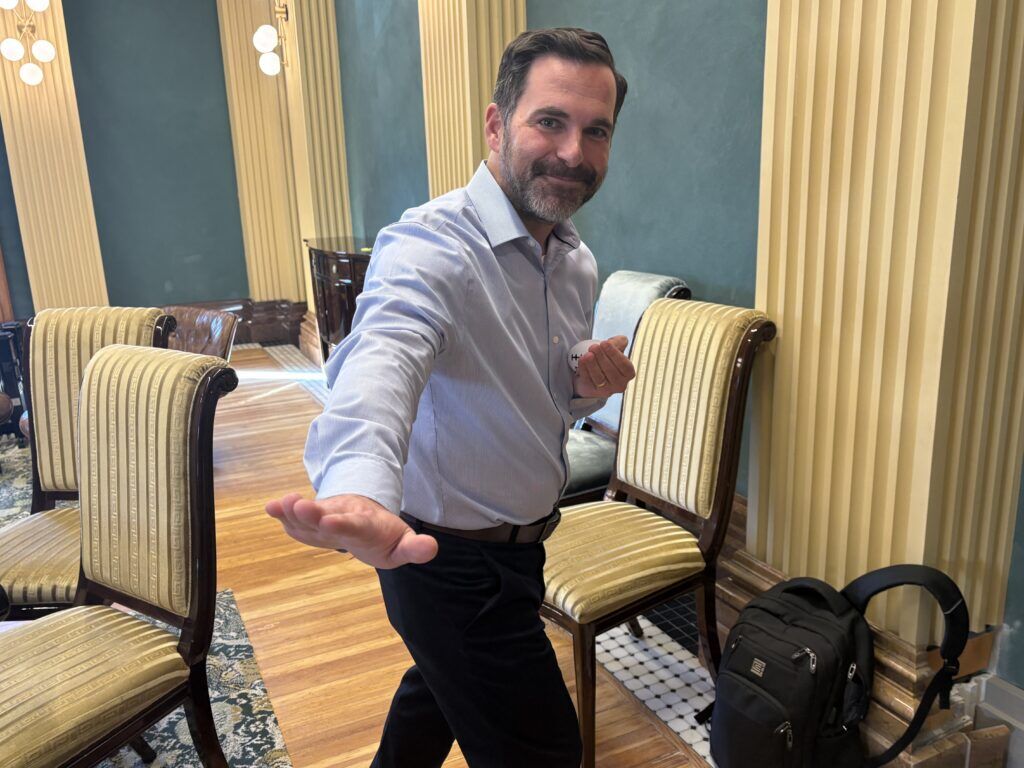
Friday is Cahill’s last day in the governor’s office.
His next stop? UC Health, where he’ll team up once again with former House Speaker and Polis Chief of Staff Alec Garnett.

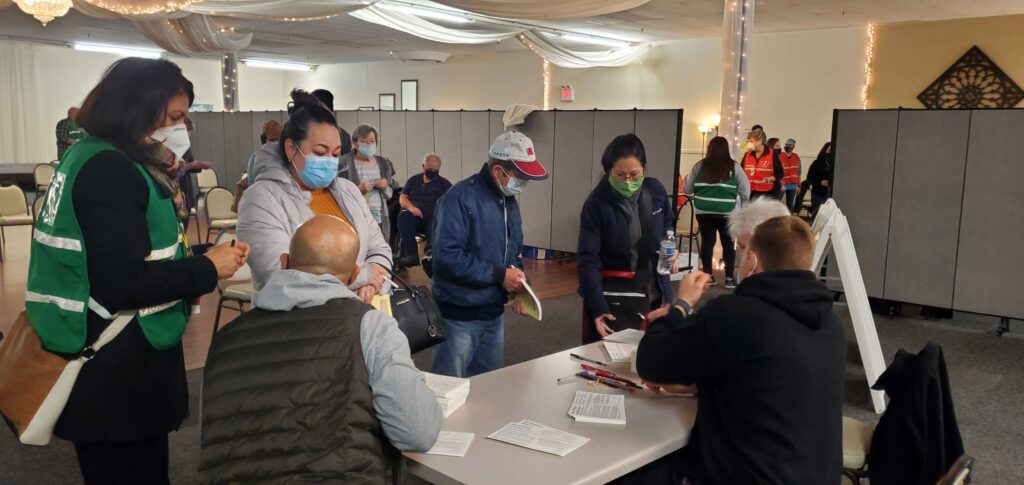
As federal vaccine guidance shifts, Colorado Senate backs recommendations from pediatric groups
Marianne Goodland
marianne.goodland@coloradopolitics.com
Updated 15 hours ago
At least 20 states have said they are using guidance from the American Academy of Pediatrics and other medical associations when setting vaccine policies and immunization schedules, in some cases supplementing or diverging from recommendations issued by the Trump administration...
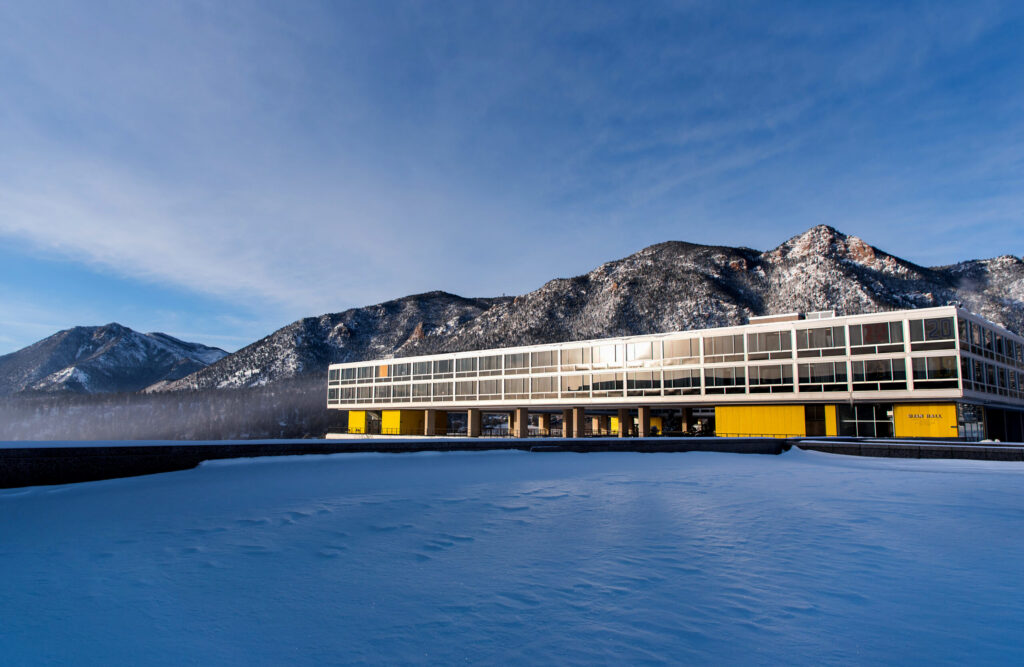
Air Force Academy reports $4.2 billion in deferred projects; chapel passes water tests
Mary Shinn
mary-shinn@coloradopolitics.com
Updated 19 hours ago
The Air Force Academy has an estimated $4.2 billion in deferred projects. Superintendent Lt. Gen. Tony Bauernfeind detailed the academy’s needs during a Board of Visitors meeting on Thursday and a possible plan to refresh the campus. The board includes...
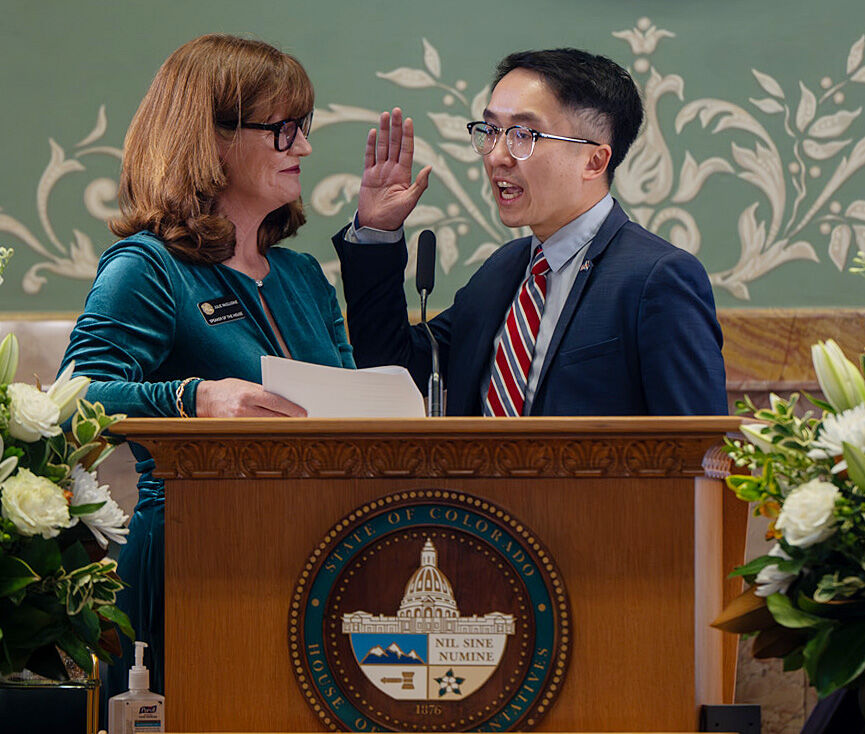
Proposal targets dual office-holding by Colorado legislators | Bills in brief
Marianne Goodland
marianne.goodland@coloradopolitics.com
Updated 22 hours ago
Colorado lawmakers introduce hundreds of bills each year. Bills in Brief cuts through the noise by explaining which proposals matter, what’s at stake, and how decisions at the Capitol could affect everyday life across the state. A bill set for...
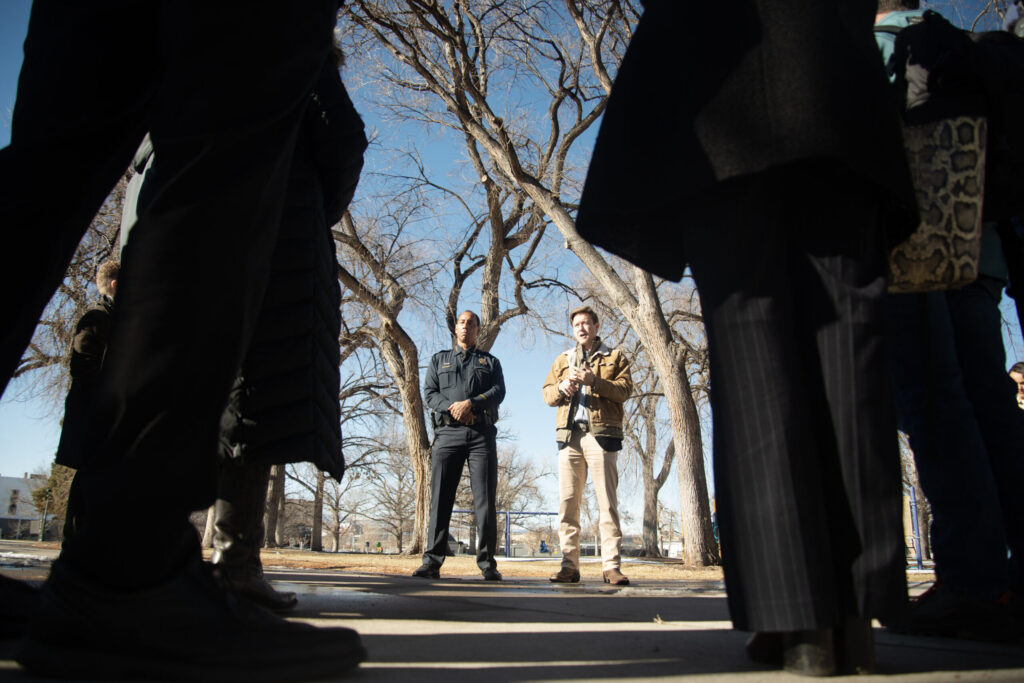
Denver police chief: Officers will intervene when they see ‘excessive force’ by ICE
Michael Braithwaite
michael.braithwaite@gazette.com
Updated 20 hours ago
Denver Police Department Chief Ron Thomas said Wednesday that his officers would step in if they witnessed any “excessive force” used by federal agents during operations in the city. “If we see a federal officer who we believe is using...

Colorado lawmakers revisit social media guardrails for youth as global momentum grows
Marissa Ventrelli
marissa.ventrelli@coloradopolitics.com
Updated 14 hours ago
In 2024, Australia became the first country in the world to impose age restrictions for social media. As of late 2025, the country requires companies such as TikTok, Instagram, and YouTube to verify users’ ages to prevent children under 16...

Evergreen High School shooting motive still unknown; parents won’t be charged
Sage Kelley
sage.kelley@denvergazette.com
Updated 22 hours ago
The Jefferson County Sheriff’s Office completed the investigation into the Evergreen High School shooting that shocked the county — and country — five months ago. Following the investigation, the parents of the shooter, 16-year-old Desmond Holly, won’t face charges regarding...

Colorado Springs real estate in 2026: Four key areas filled with ups and downs — depending on your perspective
Breeanna Jent
breeanna-jent@coloradopolitics.com
Updated 2 days ago
Continuing a cooling-off period that began in 2023, it will be “more of the same” for Colorado Springs’ residential and commercial markets this year, a trend shaped by economic uncertainty, relatively high interest rates and construction costs, skyrocketing insurance rates...
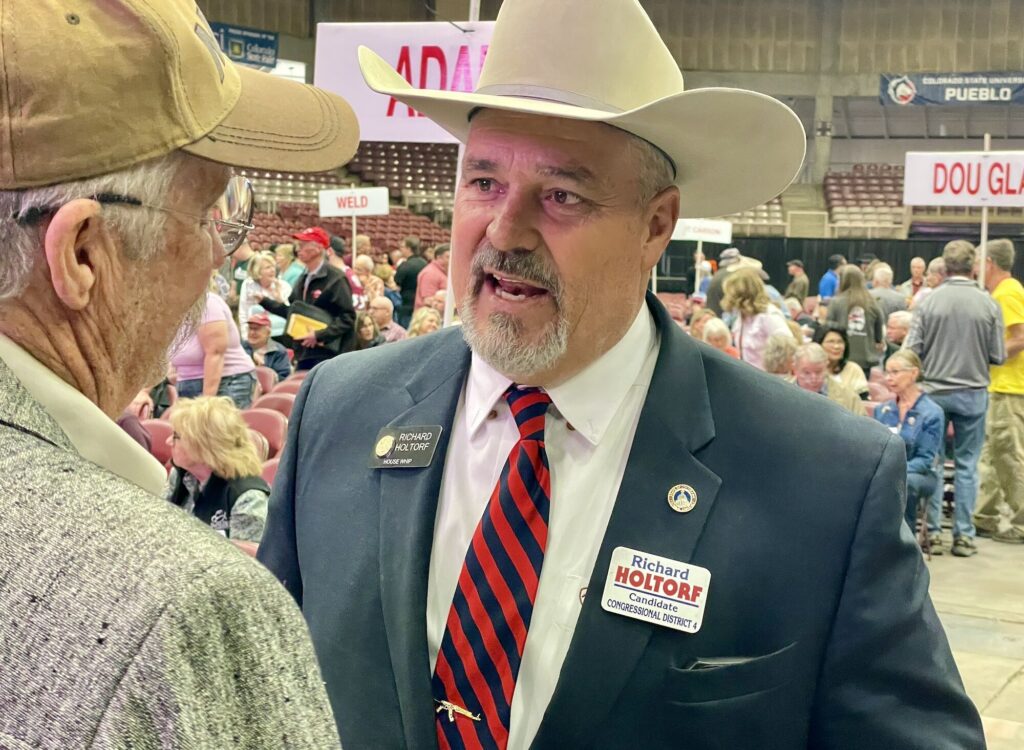
Colorado GOP vice chair Richard Holtorf resigns, says it’s ‘impossible’ to work with chair Brita Horn
Ernest Luning
ernest.luning@coloradopolitics.com
Updated 2 days ago
Colorado Republican Party Vice Chair Richard Holtorf notified GOP officials on Tuesday that he will step down from the party position at the end of the month, citing his inability to work with state chair Brita Horn. Holtorf, a third-generation...

14th wolf dies in northwest Colorado
Marianne Goodland
marianne.goodland@coloradopolitics.com
Updated 4 days ago
The 14th wolf to die in Colorado since their reintroduction about two years ago took place during a “collaring” operation in the northwestern region of the state last week. Colorado Parks and Wildlife said the wolf, identified as #2305 —...

More Denver residents could qualify for city property tax assistance
Deborah Grigsby
deborah.smith@denvergazette.com
Updated 2 days ago
More Denver residents could qualify for the city’s property tax assistance program under a proposed change to the municipal code now making its way to the City Council. Members of the Community Planning and Housing Committee on Tuesday considered lowering...
PREV
PREVIOUS

Colorado Politics Calendar Feb. 9-15
CoPo’s weekly political calendar will help you find political and public-policy events throughout Colorado. It includes candidate and issue campaign events, public policy meetings, court hearings, state and local party conventions, assemblies, debates, rallies, parades, speaking engagements, traveling dignitary appearances, water meetings, book signings, county commission hearings, city council meetings and more. As a subscriber, […]
Pueblo state representative defects from party, handgun carry permit bill receives first real scrutiny | A LOOK BACK
Forty-Five Years Ago This Week: After being labelled a turncoat by activist John Van Vranken in The Colorado Statesman, state Rep. Bob Kirscht, R-Pueblo, defended his defection from the Democratic Party on the grounds of “philosophical differences.” The Democratic Party, Kirscht said, was “out of step with the mainstream of thinking in Colorado” and the […]