

Jeffco saw largest increase in homelessness rate in metro area last year
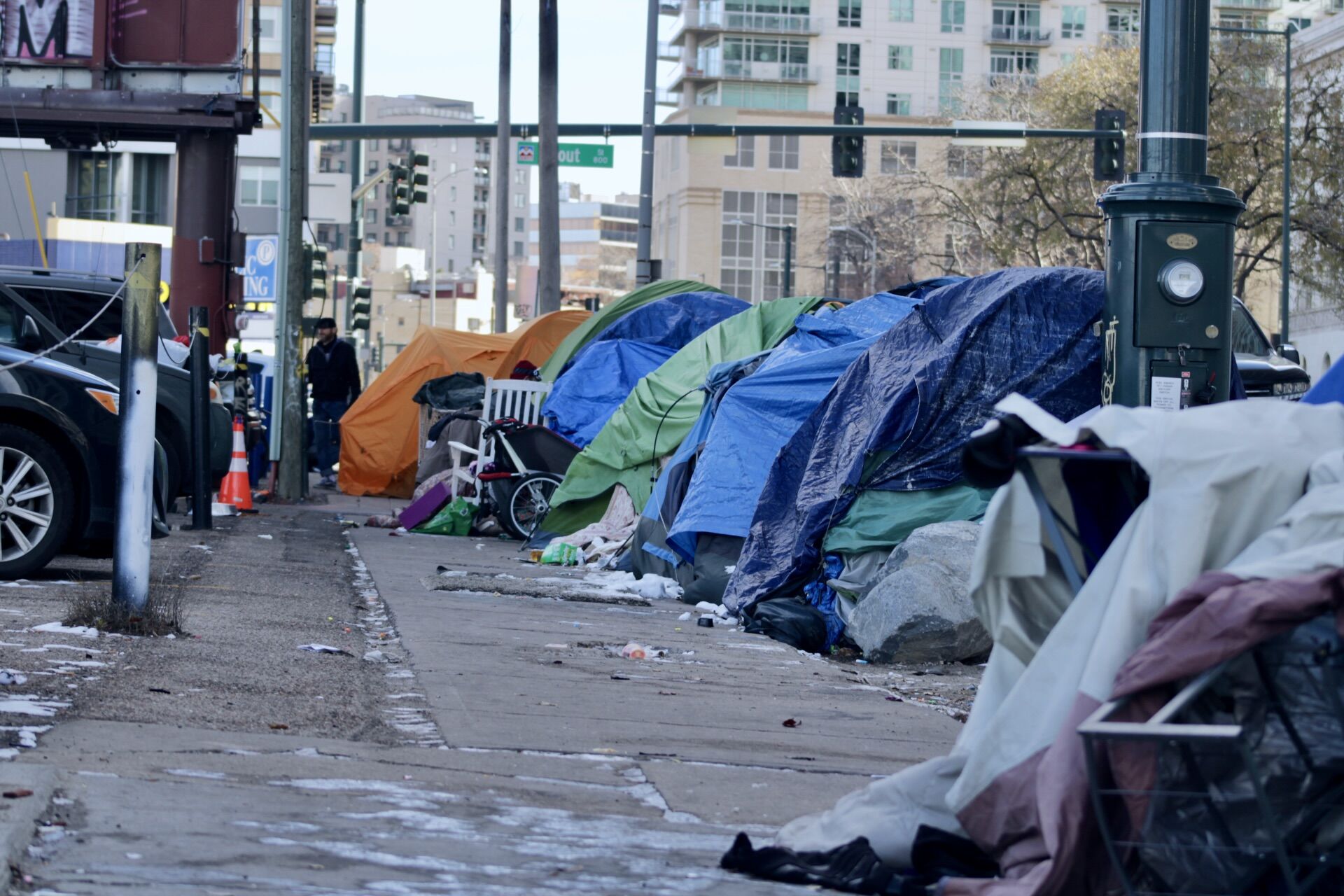
Jefferson County saw the highest increase in the rate of homelessness in the metro area, though Denver still dwarfed its neighbor’s total number of homeless people.
Jeffco saw a 27% increase in homelessness from 2024 to 2025 — the largest increase within the metro, according to Kerry Wrenick, regional homeless coordinator for the county.
Those numbers are based upon a collection of data from the county’s annual Point-In-Time Count (PIT), the Homeless Management Information System, McKinney–Vento Homeless Assistance Act school district data and more.
Wrenick addressed the numbers with the Westminster City Council during a study session Monday. The council brought in representatives from both Adams and Jefferson County to discuss homeless initiatives as the council prepares to draft its strategic plan at the end of the month.
During the presentation, Wrenick added that around 50% of all homeless respondents said they were newly homeless, leading to an overall 164% increase in homeless people since 2022.
While the 2026 PIT just occurred last week, the county is expecting a 3% increase.
The 2023 PIT count had 854 homeless people in the county. The 2025 count saw 1,174.
Although fewer people are sleeping on the streets in Denver, the total number of homeless individuals in the city grew, the report showed.
In Denver, a total of 7,327 people were counted as homeless — a figure that grew by 788 over 2024.
Mayor Mike Johnston touted Denver’s numbers, though he cited the specific category of “unsheltered” individuals, which saw a decrease, and not the total number of homeless people, which increased. The unsheltered category refers to people who live and sleep in public — in tents or under bridges, for example.
“As of right now, Denver has now delivered the largest multi-year decrease in street homelessness than any city in American history,” Johnston said last summer.
Denver’s total homeless increase came after the city spent more than $150 million into hotel shelters, “micro” communities, and service contracts to house the homeless and provide “wrap-around” services, such as case management, mental health services and job assistance.
In Jefferson County, officials are still working to put in place a regional approach, with Wrenick telling the council that this can’t be done by one sole body.
For example, the county has focused its efforts on the Heading Home initiative since the beginning of 2024. The program includes meetings between city officials, meetings with local religious centers and increased communication between people who work in the field and elected offcials who make decisions.
These efforts also include monthly meetings between all of the Jefferson County city managers.
Furthermore, the county created a regional agreement in October that pooled funding and resources around severe weather and keeping local shelters open during significant weather events.
“Ensuring that those who are most vulnerable have access to sheltering is definitely the priority,” Wrenick said, but added that it is not a long-term solution.
“It’s an enormous win and one of the things I’m most proud of being on council,” Westminster Mayor Claire Carmelia said of the ongoing collaboration.
Still, there is work to be done, everyone agreed, with more collaborative meetings and long-term plans finalized.
Editor’s note: This story has been updated to reflect that Denver’s homeless population grew between 2024 and 2025.

2026 Legends of Agriculture to be honored at fundraising dinner | NONPROFIT REGISTER
Thelma Grimes
thelma.grimes@coloradopolitics.com
Updated 11 hours ago
COLORADO AGRICULTURAL LEADERSHIP FOUNDATION Castle Rock News: Mark and Teri Moore have been selected as the 2026 Legends of Agriculture and will be honored at a Sept. 18 dinner benefiting the Colorado Agricultural Leadership Foundation (CALF). The event begins at 5 p.m. at CALF’s...

More than 24 states sue Trump administration after it put conditions on receiving disaster funding
The Associated Press
the-associated-press@coloradopolitics.com
Updated 11 hours ago
BOSTON (AP) — More than two dozen states on Thursday sued the Trump administration for requiring them to comply with election and immigration conditions to receive billions of dollars in federal funding for disasters. The lawsuit, filed in Rhode Island...
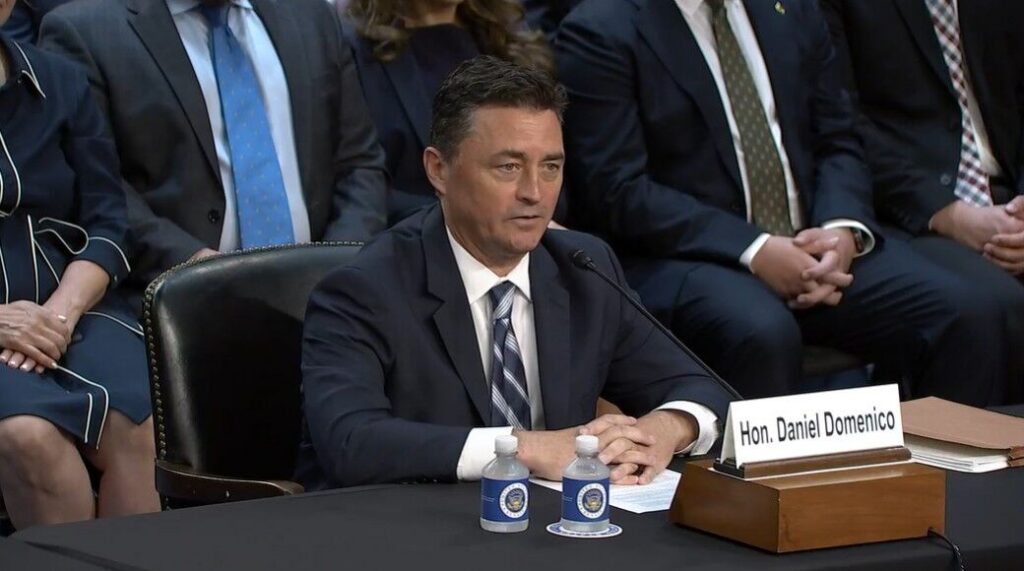
Senate committee advances Trump’s 10th Circuit nominee, as Domenico responds to questions about delays
MICHAEL KARLIK Colorado Politics
michael_karlik_colorado_politics@coloradopolitics.com
Updated 11 hours ago
The U.S. Senate Judiciary Committee advanced President Donald Trump’s nominee to the Denver-based federal appeals court on Thursday by a party-line vote of 12-10. U.S. District Court Judge Daniel D. Domenico, who was Trump’s first-term appointee to Colorado’s federal trial...
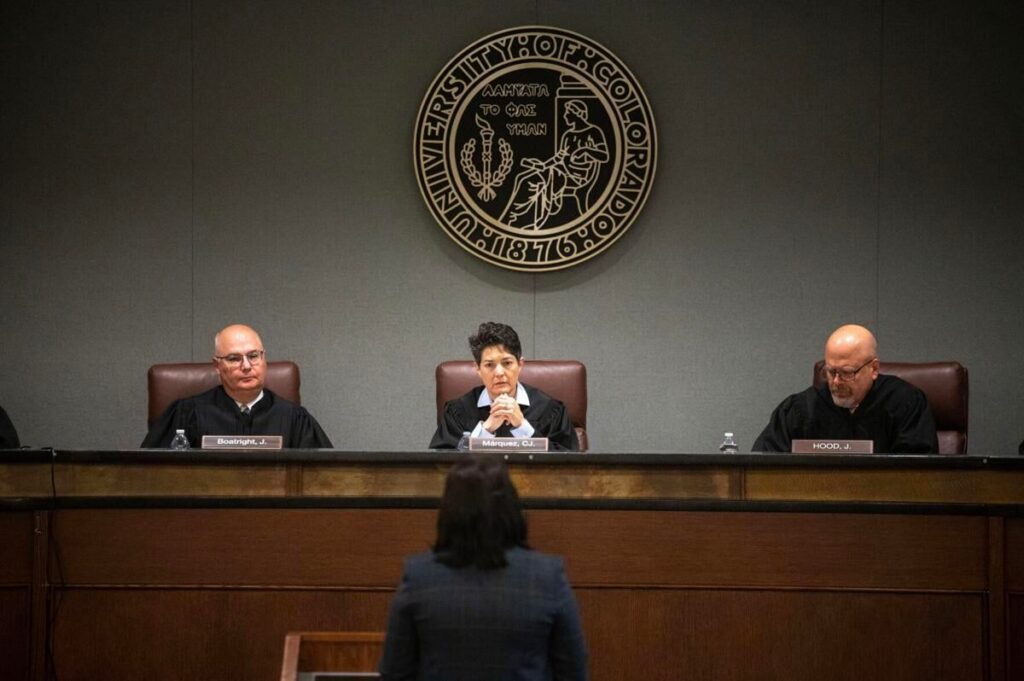
Colorado justices to hear embryonic donation dispute
MICHAEL KARLIK Colorado Politics
michael_karlik_colorado_politics@coloradopolitics.com
Updated 11 hours ago
The Colorado Supreme Court announced on Monday that it will decide whether lower court judges properly applied its framework for adjudicating disputes over the fate of pre-embryos, in which one person wants to use them to become a parent and...

Colorado faces $8M repayment demand after federal Medicaid audit
Marianne Goodland
marianne_goodland@coloradopolitics.com
Updated 13 hours ago
Colorado failed to follow federal and state requirements for certain Medicaid personal care service payments, according to a report from the U.S. Department of Health and Human Services inspector general, which is now seeking an $8 million repayment from the...

Jefferson County to fill commissioner vacancy after Dahlkemper tapped for lieutenant governor
Matt Kyle
matt.kyle@denvergazette.com
Updated 11 hours ago
Democratic gubernatorial nominee Phil Weiser on Wednesday announced that Jefferson County Commissioner Lesley Dahlkemper would be his lieutenant governor, meaning she would be leaving her commissioner seat open should he win the race in November. However, Dahlkemper’s term was already...

New wolf pack confirmed in Eagle County, marking 4th Colorado pack with pups this year
Marissa Ventrelli
marissa.ventrelli@coloradopolitics.com
Updated 13 hours ago
A new gray wolf pack has formed in Eagle County, Colorado Parks and Wildlife announced on Wednesday. Known as the Piney Ridge Pack, it is the fourth pack of gray wolves in the state to have produced pups this year....
Colorado justices to hear embryonic donation dispute
Michael Karlik
michael.karlik@coloradopolitics.com
Updated 9 hours ago
The Colorado Supreme Court announced on Monday that it will decide whether lower court judges properly applied its framework for adjudicating disputes over the fate of pre-embryos, in which one person wants to use them to become a parent and...
Isolation, emotion, persona: Colorado judicial programming prepares people for life on the bench
Michael Karlik
michael.karlik@coloradopolitics.com
Updated 11 hours ago
As a trial judge and now as a member of the Colorado Supreme Court, Justice Carlos A. Samour Jr. has heard the view that being a judge is isolating. “In neither court have I felt isolated. I’ve always interacted a...
Colorado’s primary proved in this political climate money doesn’t buy electoral happiness | Paula Noonan
Paula Noonan
paula-noonan@coloradopolitics.com
Updated 18 hours ago
To catch you up, campaign committees from this 2026 election cycle already collected and shoveled out a lot of cash: $102.64 million. That’s contributions in all forms — dollars, in kind, loans, etc. — from December 2024 to now. Total...