

Elder Groff attends opening day of state legislature to cheer on son | A LOOK BACK

Twenty-Five Years Ago This Week: “There is a God,” sighed former state Sen. Regis Groff, D-Denver, as he watched the Democrats assume control of the Colorado Senate for the first time in 40 years.
“Now they’re in the cubbyholes,” chuckled Groff, referring to the cramped Senate office quarters that the Democrats had occupied for decades.
Groff was not just attending the opening day of the legislative session to gloat about the Democratic win, but to cheer on his son, Peter Groff, D-Denver, as he was sworn in for Senate District 7.
The overflowing crowd in the galleries of the House and Senate chambers was filled with such notables as U.S. Congressmen Scott McInnis, R-CD 3, Mark Udall, D-CD 2, and Bob Schaffer, R-CD 4.
Bi-partisanship was a common word in the short speeches given by Senate President Stan Matsunaka, D-Loveland, and House Speaker Doug Dean, R-Colorado Springs.
The Legislature and Gov. Bill Owens were keen to demonstrate how bipartisan they were by taking quick action to help low-income Coloradans manage ever-increasing natural gas prices. Before the opening of the legislative session, Owens and legislative leadership pledged a “fast track” action to address the heating costs by transferring $10 million from a severance tax fund to the Low Income Energy Assistance Program (LEAP).
Rep. Jim Snook, R-Alamosa, and Sen. Rob Hernandez, D-Denver, co-sponsored a bill that would boost LEAP payments from $300 per month to $700 per month and could change qualifying income requirements and thereby increase coverage from 50,000 to 70,000 Coloradans.
While very little debate hampered the progress of the Snook-Hernandez LEAP bill, the same could not be said for how to spend the money raised by the passage of Amendment 23 to up state school aid by the rate of inflation plus one percent.
Owens advocated spending the funds on a seven-point program that included lowering classroom sizes, while Matsunaka said the money ought to go to school districts to decide.
“Hand in hand with accountability is flexibility,” said Matsunaka, referring both to his plan for state school aid and the slim 18-17 majority the Democrats had in the state senate.
Senate Minority Leader John Andrews, R-Centennial, said Democrats needed to be held accountable and warned against “a Santa Clause approach that says ‘spend more and hope for the best.’”
Twenty Years Ago: State Rep. Bill Berens, R-Broomfield, told The Colorado Statesman that he would introduce two bills during the legislative session to protect young children and compel judges to impose harsher penalties on offenders and accomplices.
“We are engaged in a battle to protect young children from those who would seek to harm them,” Berens said. “Current laws are lacking and in some cases actually allow these criminals back on the street to continue committing these heinous acts around our children.”
One bill was modeled after ‘Jessica’s Law,’ which passed the Florida State Legislature in May 2005. The Florida law was named in memory of Jessica Lunsford who was abducted, raped and murdered in February 2005 by John Couey, a previously convicted sex offender.
Berens’ bill would prohibit assisting a sexually violent predator from evading the requirements of sex offender registration. The bill would also provide additional support from the Colorado Bureau of Investigation to local law enforcement, and it would require that offenders who live in cars, trailers, or motor homes to provide that information to local vehicle licensing agencies.
Berens said the second bill would require mandatory minimum sentences of 24 years for first-time child-sex offenders.
Rachael Wright is the author of several novels, including The Twins of Strathnaver, with degrees in Political Science and History from Colorado Mesa University, and is a contributing columnist to Colorado Politics, the Colorado Springs Gazette, and the Denver Gazette.

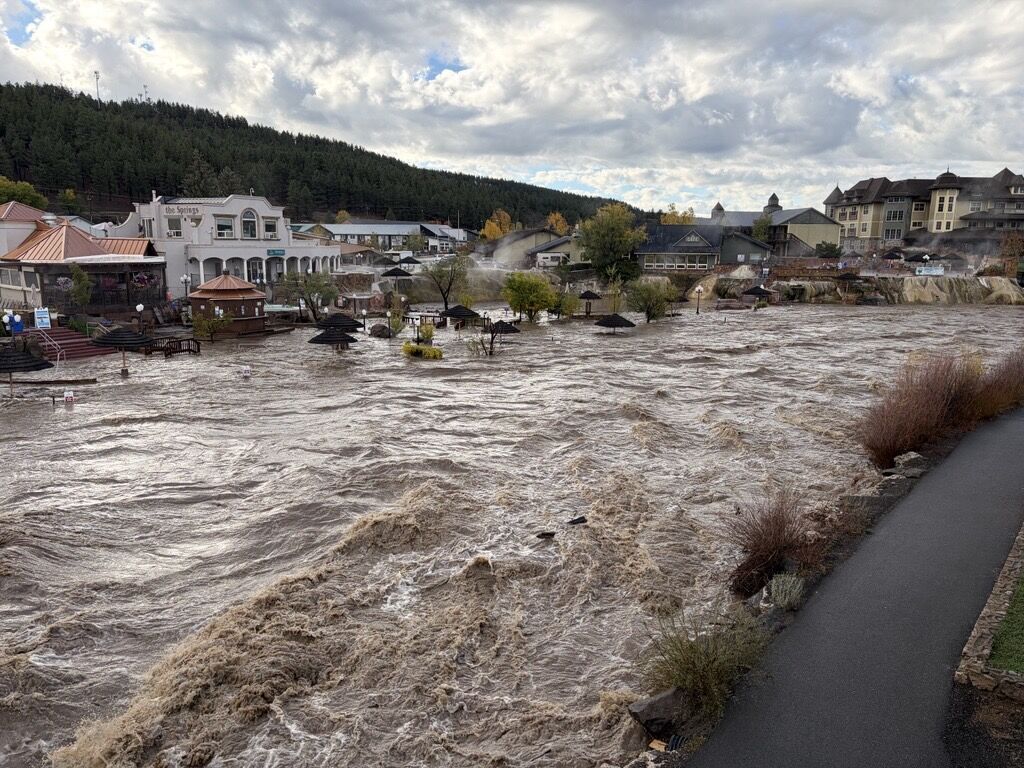
Colorado appeals Trump’s rejection of federal disaster declarations for flooding, fires
The Denver Gazette
the-denver-gazette@coloradopolitics.com
Updated 11 hours ago
Colorado has formally appealed the Trump administration’s decision to deny requests for federal disaster declarations tied to two wildfires and flooding last year. Gov. Jared Polis said the state asked the federal government to reconsider its denials for the Elk...
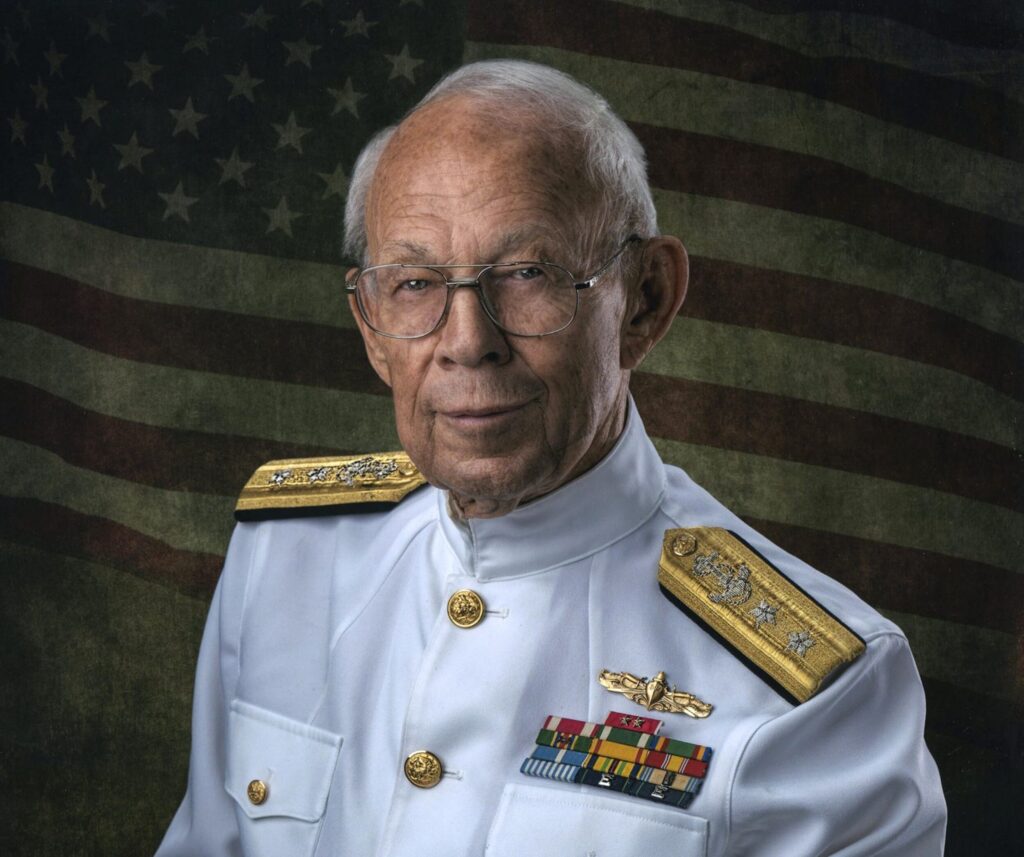
Longtime Denver resident Dick Young, a retired rear admiral and pioneering civic advocate, dies at 94
Ernest Luning
ernest.luning@coloradopolitics.com
Updated 10 hours ago
Richard Edward Young, a retired rear admiral, attorney and towering figure in Colorado’s civic landscape for more than six decades, died Jan. 7. He was 94. A lifelong advocate for civil rights, fair housing, veterans and his neighborhood, Young was...
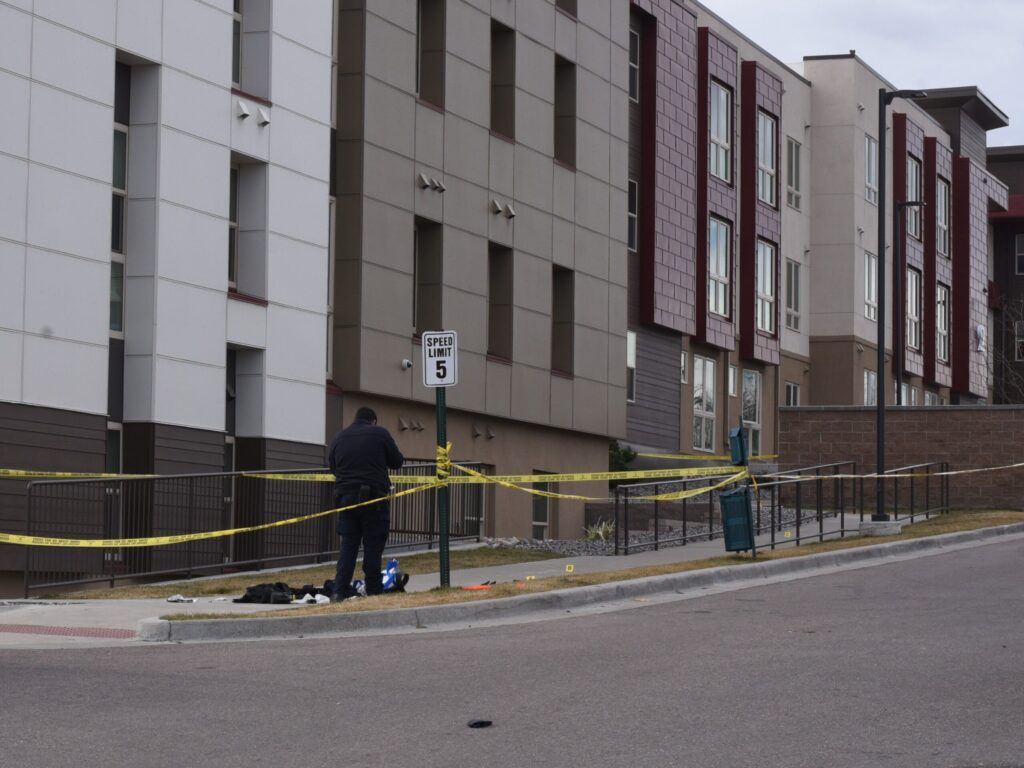
Adams County deputy who was shot in stable condition, another man dies in hospital
Michael Braithwaite
michael.braithwaite@gazette.com
Updated 8 hours ago
An Adams County Sheriff’s Office deputy is stable — though likely still in critical condition, as he remains in the intensive care unit — while a man died after both suffered gunshot wounds from what appeared to be a shootout...
Colorado EDC approves nearly $6 million in tax incentives for 3 companies
Bernadette Berdychowski
bernadette.berdychowski@denvergazette.com
Updated 17 hours ago
The Colorado Economic Development Commission approved a total of nearly $6 million in job growth tax incentives for three companies considering expansions in the state on Thursday. The largest incentive package went to an unnamed quantum company described as “Project...
Senate Republicans kill war powers resolution — after Trump backlash
Mary Shinn
mary-shinn@coloradopolitics.com
Updated 17 hours ago
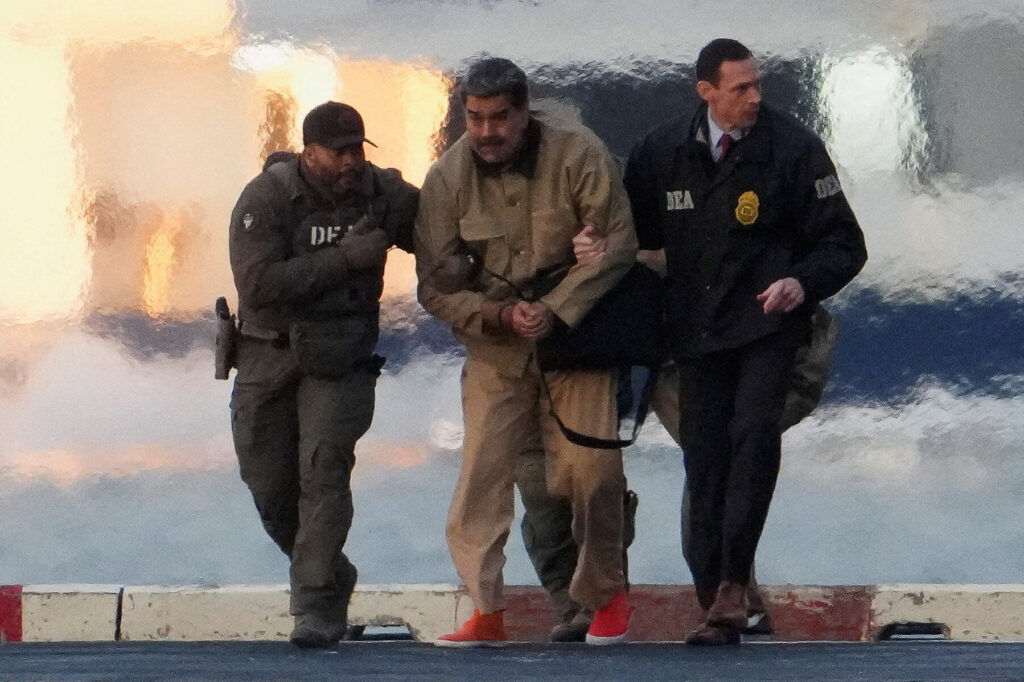
A largely symbolic measure in the Senate to invoke its war powers died Wednesday after two Republican senators withdrew their support. The war powers resolution that called on President Donald Trump to cease hostilities in or against Venezuela following the...
Colorado governor pats himself on the back in final state address to lawmakers
Marianne Goodland
marianne.goodland@coloradopolitics.com
Updated 19 hours ago
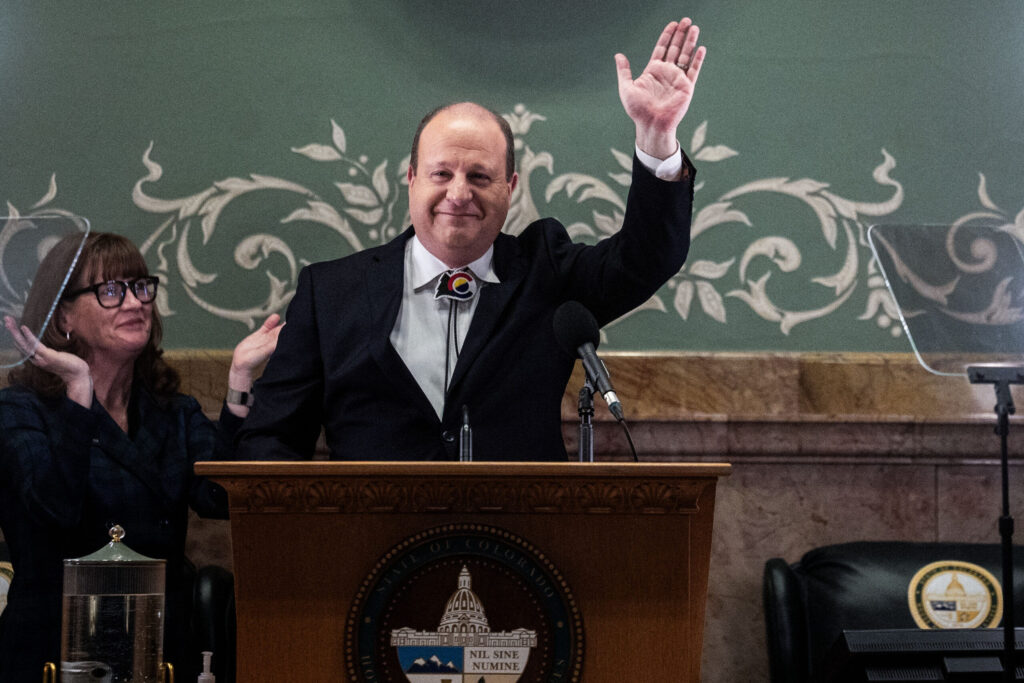
Gov. Jared Polis on Thursday took an 82-minute victory lap in his eighth — and final — State of the State address. He touted his work in the areas of early childhood development, education, health care, housing and public safety,...

PUC holds firm on ambitious 41% greenhouse gas cut for natural gas utilities
Scott Weiser
scott.weiser@gazette.com
Updated 18 hours ago
The Colorado Public Utilities Commission refused to ease a greenhouse gas reduction target for natural gas utilities, voting 2-1 to preserve a 41% cut in use by 2035 despite utility requests for a lower number and environmental groups pushing for...
Colorado academy trains next generation of wildland firefighters
O'Dell Isaac
odell.isaac@gazette.com
Updated 17 hours ago
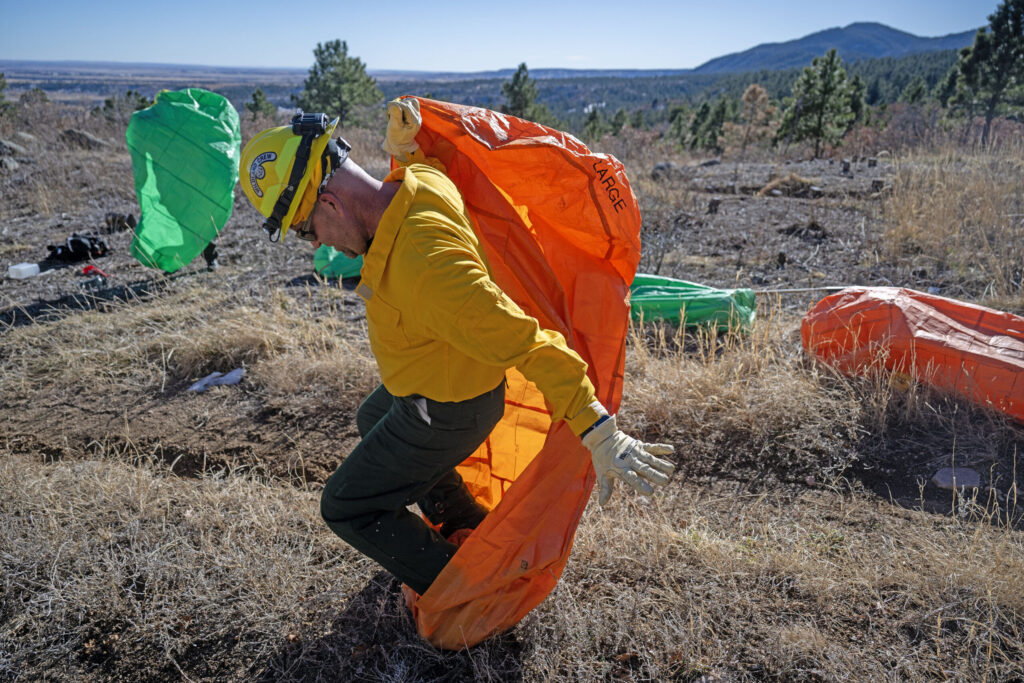
Wildfire activity is on the upswing in Colorado and across the U.S., and state firefighting and incident management agencies are stepping up their efforts to keep up with the changes. “In the past, firefighters gained skills gradually over many seasons,”...
Gov. Jared Polis’ final address draws mixed reaction
Marissa Ventrelli
marissa.ventrelli@coloradopolitics.com
Updated 12 hours ago
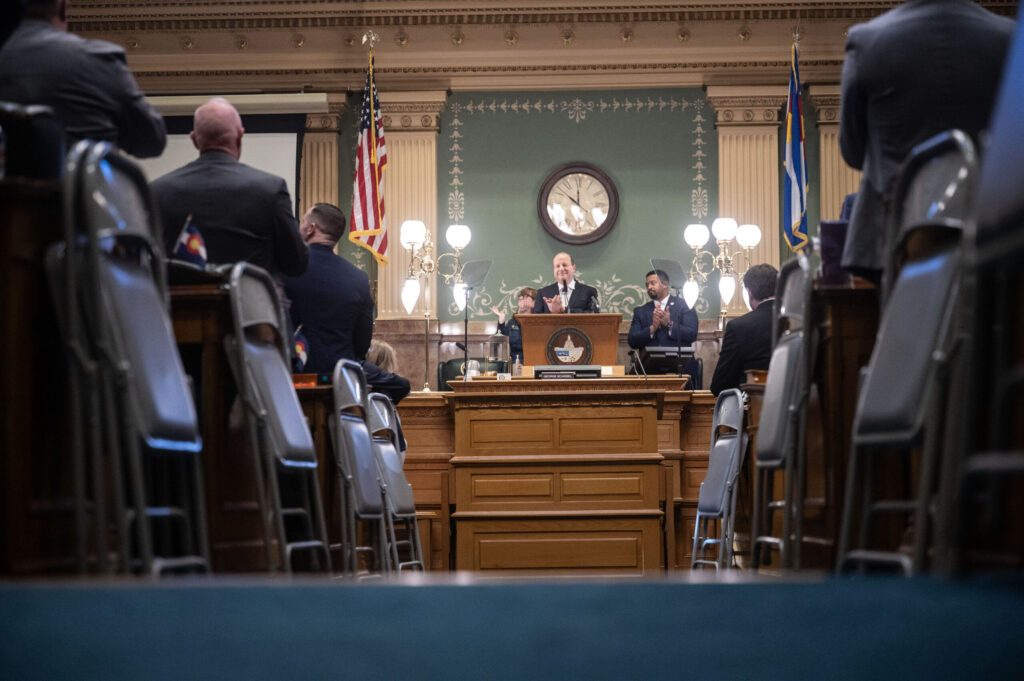
Gov. Jared Polis used his final State of the State address to reflect on seven years of policy changes, blending cultural references and nostalgia, and drawing sharply different reactions from people. Lawmakers both past and present — as well as...
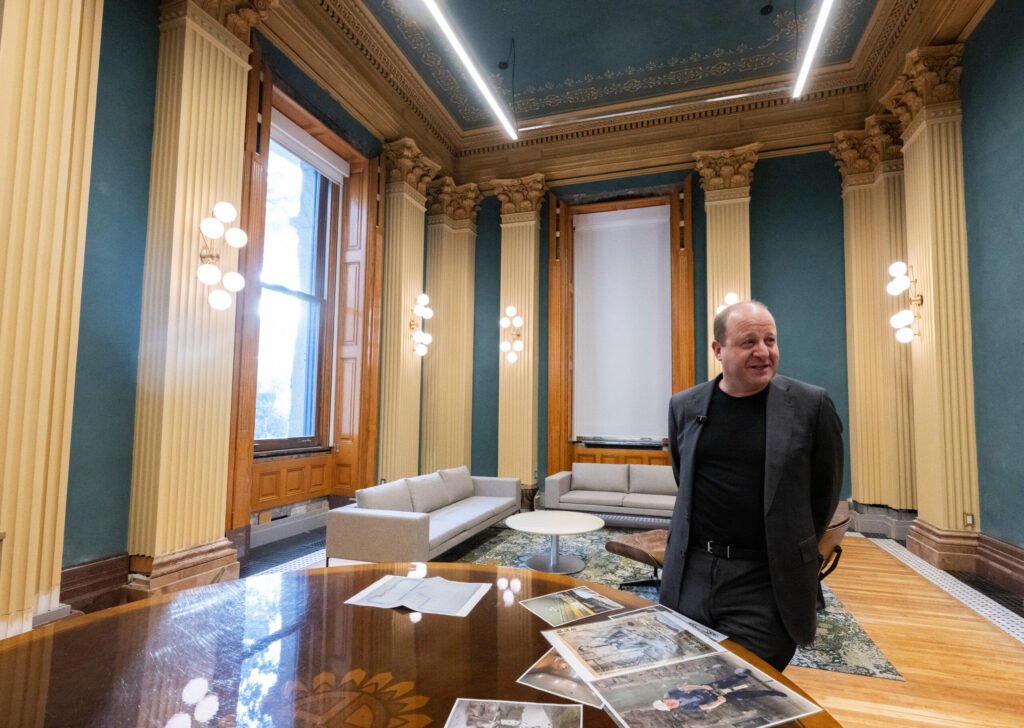
Polis delivers final state address to Colorado legislature
Colorado Politics
colorado-politics@coloradopolitics.com
Updated 2 days ago
Gov. Jared Polis delivered his final State of the State address to the Colorado General Assembly this morning and outlined his agenda for this year’s legislative session, with a focus on housing, early childhood development, and the economy. He expectedly...
PREV
PREVIOUS
Colorado appeals Trump's rejection of federal disaster declarations for flooding, fires
Colorado has formally appealed the Trump administration’s decision to deny requests for federal disaster declarations tied to two wildfires and flooding last year. Gov. Jared Polis said the state asked the federal government to reconsider its denials for the Elk and Lee fires and the flooding that hammered Western Colorado. “We are submitting these appeals […]

Colorado Politics Calendar Jan. 19-25
CoPo’s weekly political calendar will help you find political and public-policy events throughout Colorado. It includes candidate and issue campaign events, public policy meetings, court hearings, state and local party conventions, assemblies, debates, rallies, parades, speaking engagements, traveling dignitary appearances, water meetings, book signings, county commission hearings, city council meetings and more. As a subscriber, […]