

Face covering ban in Denver for law enforcement, ICE gains momentum
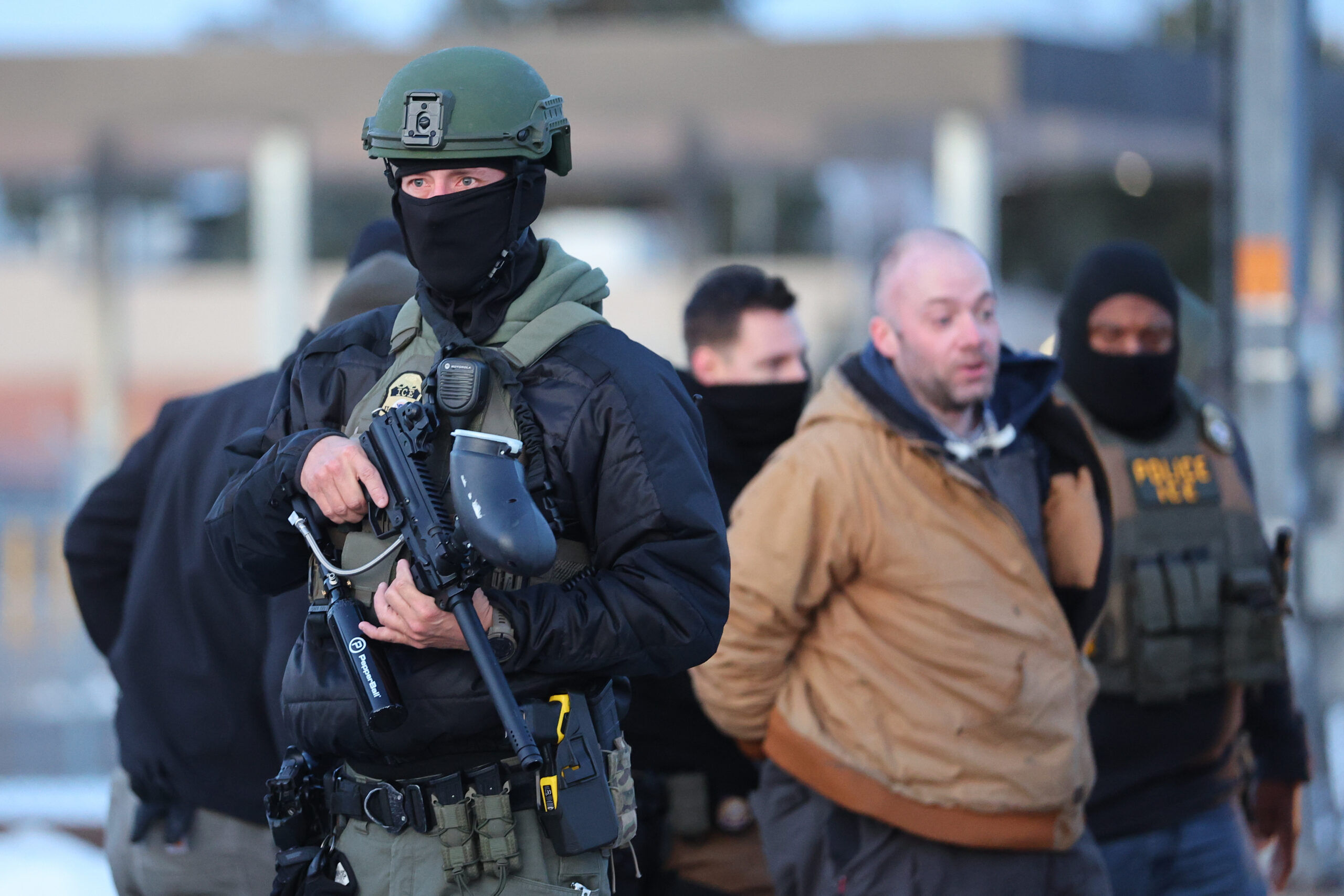
A proposed ordinance prohibiting law enforcement officers from concealing their identities while interrogating, detaining, or arresting an individual in Denver will more than likely be assigned to another yet-to-be-determined City Council committee for further consideration.
The proposal, presented to members of the city’s Budget and Policy Committee on Monday by Councilmembers Flor Alvidrez and Shontel Lewis, would also prevent law enforcement from wearing face coverings within a city facility.
City officials argued the measure would address public safety fears and increase transparency, though others wondered about its implementation and effectiveness, while raising the specter of conflict between local police officers tasked to enforce the ban and federal or state officers wearing masks.
“The practice of concealment has several concerning impacts,” Alvidrez said, adding that “masked law enforcement undermines public trust” and that conflicts with local efforts to “promote transparency and accountability.”
“It discourages crime reporting and cooperation with law enforcement, particularly in communities already experiencing a strained relationship with government institutions,” she said.
Alvidrez added that the inability to identify legitimate officers opens the doors to impersonators and other bad actors, who pose a threat to public safety.
Under the proposal, face coverings would include “any opaque mask, garment, headgear or other item that conceals or obscures the facial identity of an individual, including, but not limited to, a balaclava, tactical mask, gator, ski mask and any similar type of face covering or face-sheilding item.”
Exemptions would be made for medical or translucent masks that do not conceal identity, protective eyewear, or helmets required to comply with other local, state, or federal safety standards.
Other exemptions would include personnel assigned to Special Weapons and Tactics teams while actively performing SWAT duties or as part of the city’s Emergency Response Unit.
But committee members, while supportive, seemed unsure whether the measure would be effective.
“I don’t expect this to do anything as far as changing ICE (U.S. Immigration and Customs Enforcement) behavior,” Councilmember Paul Kashmann told the group. “But what it would do is clearly state our principle as to how we believe in a situation governed by law and constitution.”
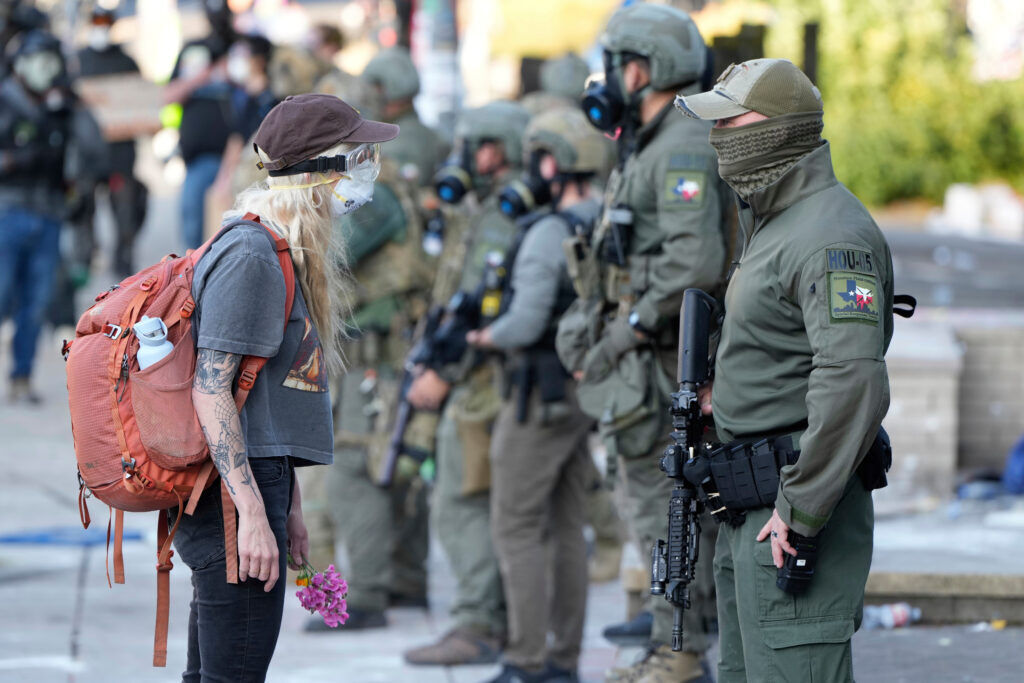
Amanda Sawyer, the councilmember representing District 5, cautioned that while she supports the measure in theory, “in operation, I’m really concerned that this is going to create more problems than it’s going to solve.”
Enforcement of the proposed measure would be a challenge.
Jonathan Griffin, the city’s deputy legislative counsel, said that, by law, the Denver Police Department would be responsible for enforcement.
In theory, Griffin said, the city police would be sent to an operation being conducted by ICE if someone reported that federal agents were wearing masks — and then arrest them for violating the city law.
But questions remain about whether such action could be construed as impeding federal law enforcement operations or how the city ordinance might apply to state police.
Denver is not the first city to consider such measures in light of recent high-profile federal immigration enforcement operations.
California became the first state to ban most law enforcement officers, including federal immigration agents, from covering their faces while conducting official business under a bill signed in September 2025 by Gov. Gavin Newsom and swiftly denounced by Trump administration officials.
The ban is a direct response to recent immigration raids in Los Angeles, where federal agents wore masks while making mass arrests. The raids prompted days of protest and led President Donald Trump to deploy National Guard troops and Marines to the area.
Trump administration officials have defended the use of masks, saying immigration agents face strident and increasing harassment in public and online as they carry out federal deportation operations. Obscuring their identities is necessary for the safety of the agents and their families, officials contend.
The U.S. Department of Justice has pushed back on Newsom and California Attorney General Robert Bonta, filing a lawsuit in November challenging their “unconstitutional attempt to regulate federal law enforcement officers.”
“Law enforcement officers risk their lives every day to keep Americans safe, and they do not deserve to be doxed or harassed simply for carrying out their duties,” said Attorney General Pamela Bondi in a news statement. “California’s anti-law enforcement policies discriminate against the federal government and are designed to create risk for our agents. These laws cannot stand.”
In Houston, City Councilmember Edward Pollard asked the city’s ICE field office to adopt a policy prohibiting agents from wearing face coverings, The Houston Chronicle reported on Jan. 5, 2026.
Last year, in Louisville, Kentucky, councilmembers narrowly rejected a similar ban on face coverings.
As currently drafted, the new ordinance would take effect Jan. 1, 2027.
The Associated Press contributed to this story.

Colorado bill aims to regulate AI chatbots to protect minors from self-harm, sexually explicit content
Marissa Ventrelli
marissa.ventrelli@coloradopolitics.com
Updated 19 minutes ago
Juliana Peralta of Thornton was a vibrant, happy kid, said her mom, Cynthia Montoya. However, in the final months of 2023, Cynthia began to notice a change in her 13-year-old daughter. Juliana had become more withdrawn and was on her...

The public health hazards in sports betting | PODIUM
Colorado Politics
colorado-politics@coloradopolitics.com
Updated 11 hours ago
By Brandon Zelasko As Colorado lawmakers revisit sports betting policy this session, the state has an opportunity to widen the lens. Beyond revenue projections and regulatory frameworks lies a critical question: Are we fully reckoning with the human effect of...
Colorado’s public lands are not for sale | OPINION
Colorado Politics
colorado-politics@coloradopolitics.com
Updated 11 hours ago
By Jonathan Houck Our state is defined by its public land. It shapes our communities, our economy and our Colorado way of life. Just driving through Gunnison County, where I have lived for more than 30 years, sometimes I can’t...

Colorado Supreme Court signals intervention in dispute over treatment for trans children
Michael Karlik
michael.karlik@coloradopolitics.com
Updated 18 hours ago
The Colorado Supreme Court ordered Children’s Hospital Colorado on Tuesday to explain why it should not direct the organization to resume providing certain types of services to transgender children in compliance with the state’s non-discrimination law. Last month, a Denver...
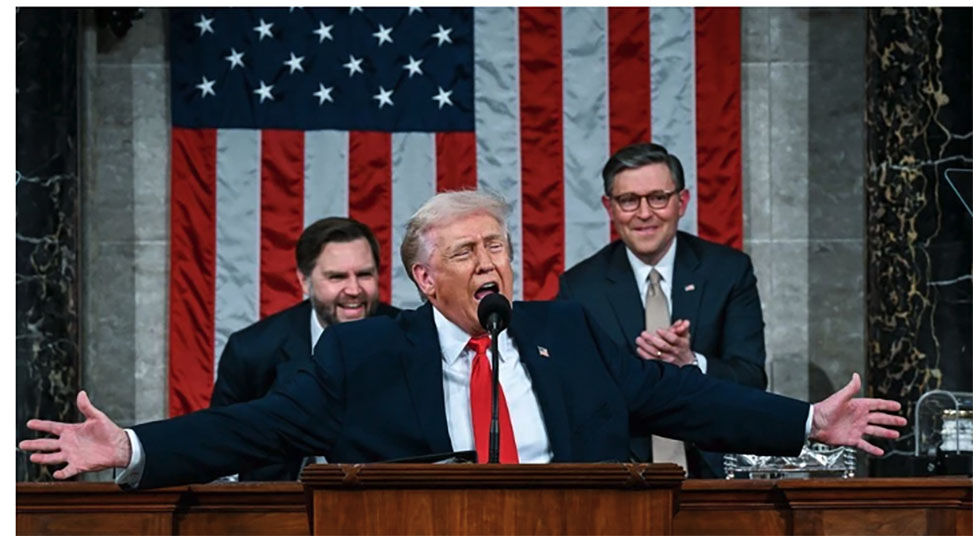
Trump faces first domestic test on Iran conflict with Senate war powers vote
Ramsey Touchberry, Washington Examiner
ramsey.touchberry.washington.examiner@gazetteedit.wpenginepowered.com
Updated 19 hours ago
Administration officials are scrambling to sell members of Congress on President Donald Trump’s military operations in Iran ahead of bipartisan attempts to limit his war powers in the Middle East without approval from lawmakers. The Senate and House are set...
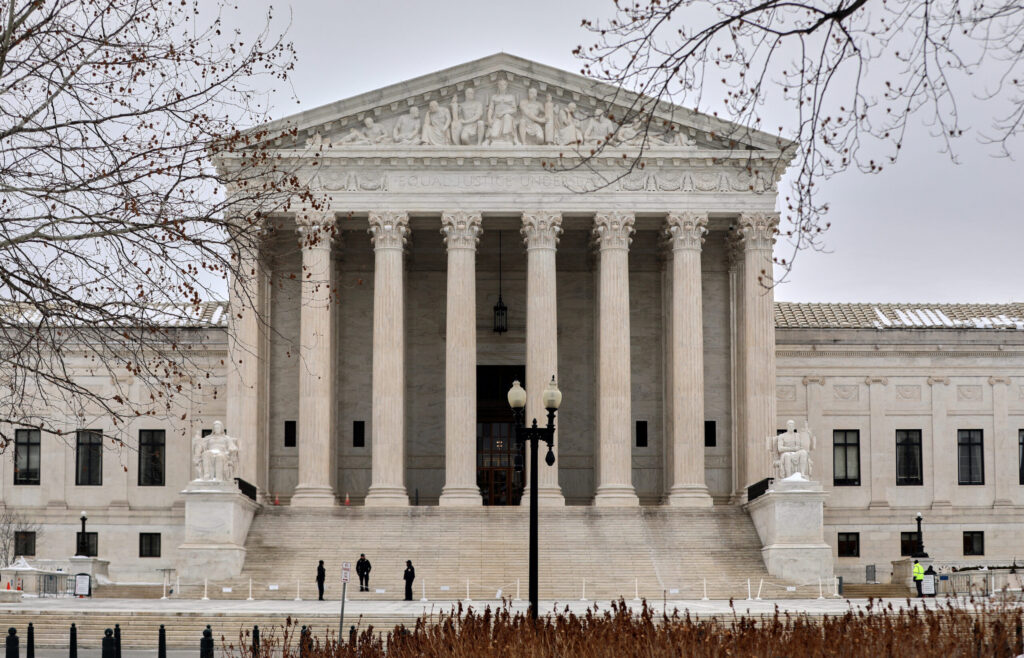
Supreme Court hands California parents win over secret gender transition policy
Jack Birle, Washington Examiner
jack.birle.washington.examiner@gazetteedit.wpenginepowered.com
Updated 19 hours ago
The Supreme Court gave California parents a significant victory late Monday when it kept in place a lower court’s block of the Golden State’s public school policy hiding students’ gender identity and preferred pronouns from parents. A 6-3 majority on...
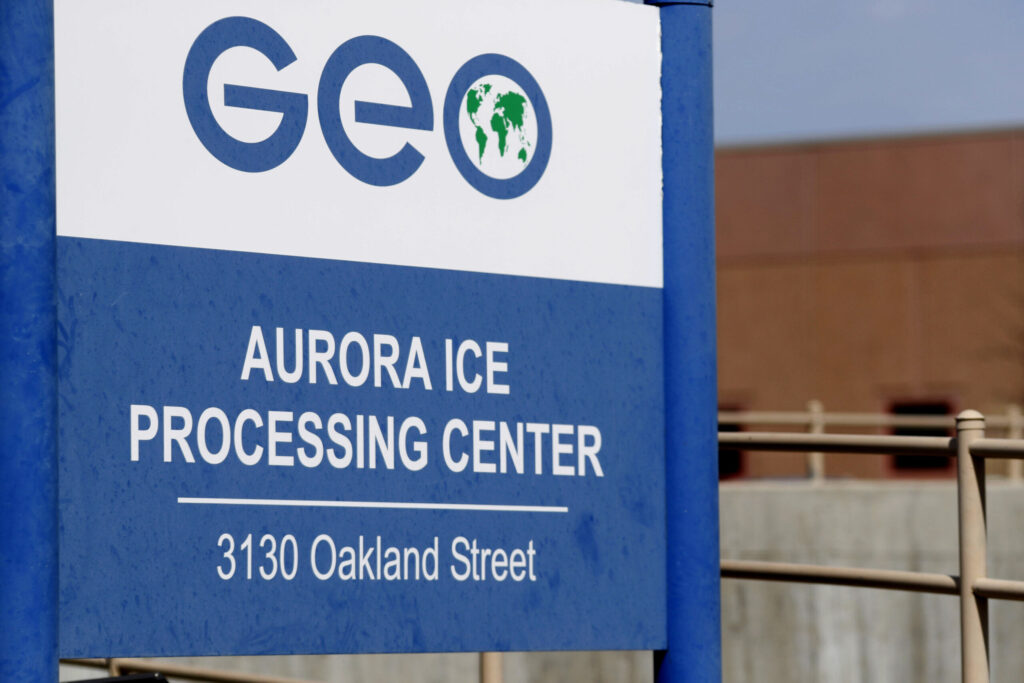
Judge nixes latest policy requiring 7 days’ notice for Congress members to visit ICE facilities
Michael Kunzelman
michael.kunzelman@associatedpress.com
Updated 17 hours ago
WASHINGTON • A federal judge agreed on Monday to temporarily suspend the latest version of a Trump administration policy that requires members of Congress to provide a week’s notice before they can visit immigration detention facilities. U.S. District Judge Jia...
Judge nixes latest policy requiring 7 days’ notice for Congress members to visit ICE facilities
Michael Kunzelman
michael.kunzelman@associatedpress.com
Updated 19 hours ago
WASHINGTON (AP) — A federal judge agreed on Monday to temporarily suspend the latest version of a Trump administration policy that requires members of Congress to provide a week’s notice before they can visit immigration detention facilities. U.S. District Judge...

Gov. Polis, Upper Basin states criticize federal draft plan for managing the Colorado River
Marianne Goodland
marianne.goodland@coloradopolitics.com
Updated 20 hours ago
With no agreement among the seven Colorado River states and federal deadlines now passed, the Upper Colorado River Commission on Monday sharply criticized the U.S. Department of the Interior’s draft plan for managing the river after current guidelines expire this...
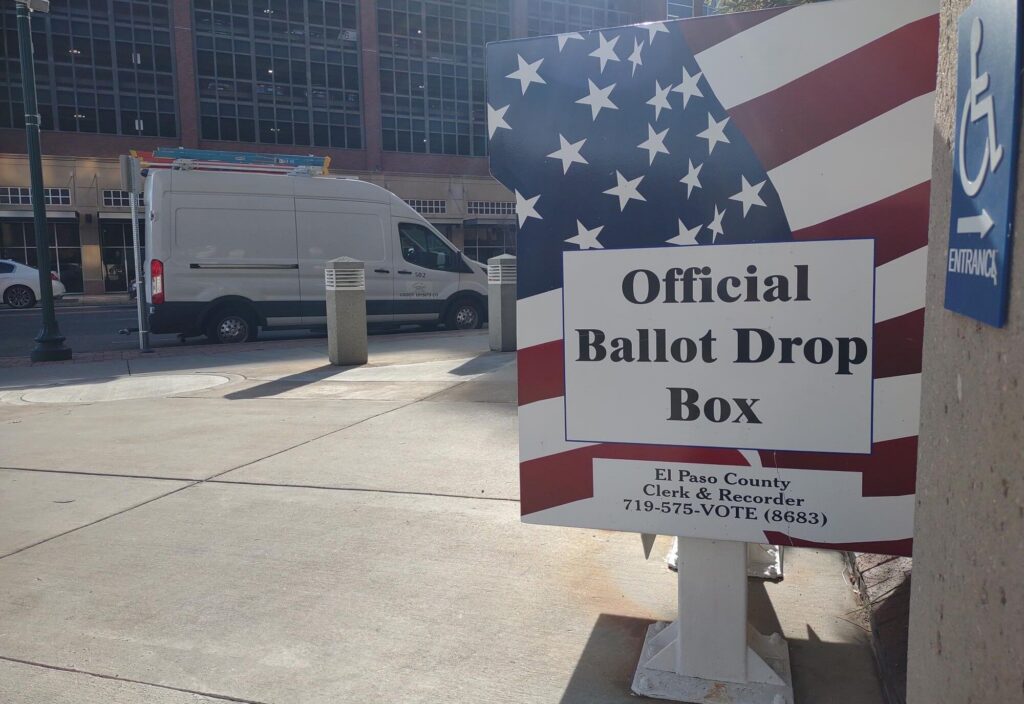
Ballot access, dual-office ban bills move swiftly through Colorado legislature
Marianne Goodland
marianne.goodland@coloradopolitics.com
Updated 20 hours ago
With an eye on the 2026 election cycle and mounting tensions with the Trump administration, Colorado lawmakers are fast-tracking a pair of election bills they say will protect the state’s mail ballot system and tighten rules for elected officials. The...