

Arapahoe County law enforcement improperly obtained confidential medical records, justices find
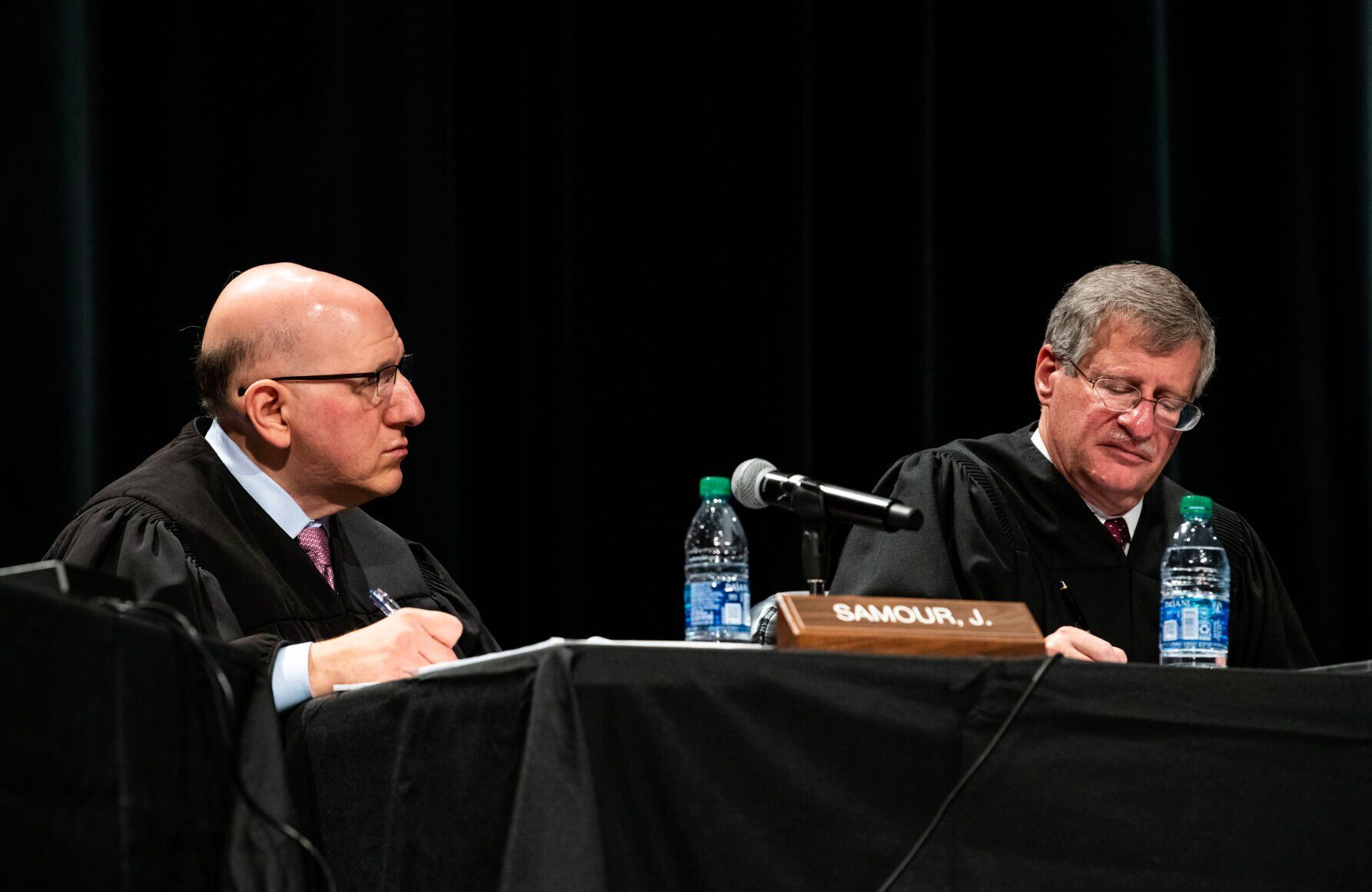
Law enforcement in Arapahoe County improperly obtained a criminal defendant’s confidential medical records and cannot use them in her child abuse prosecution, the Colorado Supreme Court ruled on Monday.
The justices also declined to say whether the body-worn camera footage of a police officer who was present during the defendant’s treatment was similarly protected by the physician-patient confidentiality principle. Instead, the court directed the trial judge to analyze the issue further.
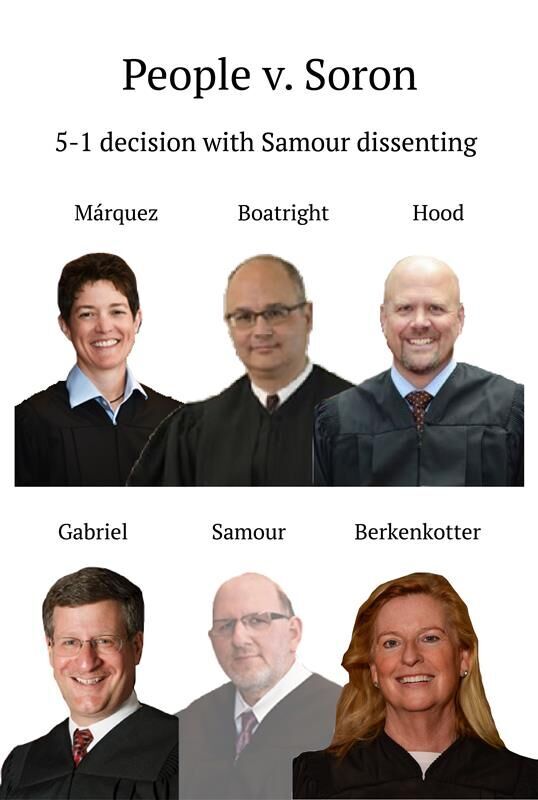
Justice Richard L. Gabriel, writing in the Jan. 12 majority opinion, noted that court-approved requests for records exclude those materials protected by physician-patient confidentiality. However, lawmakers have created an exception for child abuse prosecutions.
That exception applies to “testimony,” which, the majority concluded, does not encompass documents.
“In our view, this language is plain and unambiguous, and we must therefore apply it as written,” wrote Gabriel in upholding the underlying order requiring the prosecution to surrender the defendant’s medical records.
Justice Carlos A. Samour Jr. dissented, arguing the majority was “overtechnically construing” testimony to mean witness statements or declarations. While he acknowledged the circumstances of Amanda Ann Soron’s case were an “outlier,” Samour believed the majority’s decision would hamper prosecutions of future child abuse cases if the government cannot access medical records when making charging decisions.
“No one believes that this is what the legislature intended. It isn’t,” he wrote.
In November 2022, an officer encountered Soron at a Lowe’s store in Greenwood Village after responding to a report of a person potentially in distress. Soron, who was homeless, half-naked, and covered in blood, allegedly said she had just given birth. She revealed the dead baby under a tarp.
More law enforcement arrived, and Officer Diego Moreno rode in an ambulance with Soron to a hospital. She was not under arrest, but Moreno sat in on the medical procedure to deliver Soron’s placenta. He recorded it on his body-worn camera and began collecting evidence at the hospital. The county coroner concluded “acute methamphetamine toxicity,” “environmental cold exposure,” and “unattended birth” were factors in the death of Soron’s baby.
Prosecutors charged Soron with child abuse resulting in death. Shortly afterward, a detective sought a court order under the law compelling the production of business records related to a crime. Among other things, he sought the “entire medical record” for Soron and her baby. A magistrate signed off on the order.
The defense sought to block the prosecution from accessing Soron’s medical records, citing her constitutional rights, federal privacy law and physician-patient confidentiality.
District Court Judge Natalie Stricklin sided with the defense, ordering the prosecution to surrender Soron’s medical file. She also blocked the use of Moreno’s body camera footage.
The district attorney’s office appealed directly to the Supreme Court, arguing the evidence was crucial to proving how the baby died.
“Jurors in this case will need to decide whether the child’s death was caused by Soron’s use of methamphetamine prior to the child’s birth or instead was caused by Soron’s failure to provide care after the child was born,” wrote Senior Deputy District Attorney L. Andrew Cooper. “And while the district court seems to have been dismayed by the police presence in the hospital, it is commonplace for officers to enter hospitals.”
Soron “had an expectation of privacy in her medical care and records, which the Government violated here, and is now attempting to criminalize Ms. Soron’s unfortunate loss of her baby with its proof being the medical records it got illegally and without statutory justification,” responded public defender Gracen W. Short.
The Supreme Court’s majority concluded that Colorado law did permit Soron’s physicians to testify in the child abuse case, but it did not allow the production of documents without Soron herself relinquishing her physician-patient confidentiality.
As for Moreno’s recording from the hospital, Gabriel wrote that the legislature can narrow the scope of physician-patient confidentiality when there is an “overriding public policy need.” Because lawmakers have enacted requirements for officers to wear cameras, the court returned the case to Stricklin for her to evaluate the public policy considerations at play.
Samour disagreed that the child abuse exception rendered Soron’s medical records off-limits because they were not “testimony.” He wondered how prosecutors will be able to make decisions prior to hearing the permitted testimony of physicians at the trial.
“I am very concerned that today’s opinion will inadvertently throw a monkey wrench into the prosecution of a large swath of child abuse cases,” he wrote.
In a statement, the Colorado District Attorneys’ Council agreed with Samour’s analysis, and also indicated the ruling would make it difficult to call physicians as witnesses if the prosecution cannot access and disclose the underlying documentation.
“A legislative fix may be in order,” the statement read.
The Colorado Criminal Defense Bar did not immediately provide a comment in response.
The case is People v. Soron.

Colorado Supreme Court clarifies restraining order violations can always support burglary charge
Michael Karlik
michael.karlik@coloradopolitics.com
Updated 39 minutes ago
The Colorado Supreme Court’s majority ruled on Monday that a violation of a restraining order can also serve as a basis for finding a defendant guilty of burglary. Under state law, a person commits second-degree burglary by unlawfully entering or...

10th Circuit judge creates vacancy, district court gets new chief judge | COURT CRAWL
Michael Karlik
michael.karlik@coloradopolitics.com
Updated 5 hours ago
Welcome to Court Crawl, Colorado Politics’ roundup of news from the third branch of government. A longtime member of the Denver-based federal appeals court will give the president a vacancy to fill, plus Colorado’s federal trial court will see a...
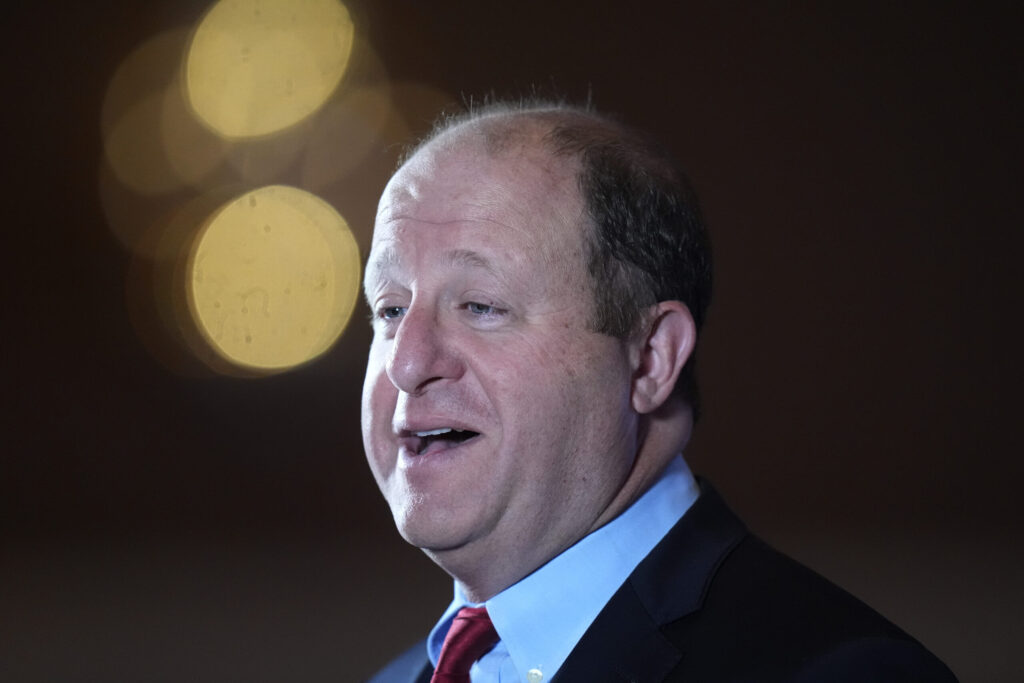
Gov. Jared Polis moves to end ICE subpoena fight over Colorado workers’ personal data
Marianne Goodland
marianne.goodland@coloradopolitics.com
Updated 3 days ago
The effort by Gov. Jared Polis to comply with an administrative subpoena from U.S. Immigration and Customs Enforcement for information held by several state agencies is over. Polis, in a motion filed Feb. 20, asked for a permanent injunction and...

Ex-Colorado Sen. Sonya Jaquez Lewis avoids prison, gets probation for forged ethics letters
Marianne Goodland
marianne.goodland@coloradopolitics.com
Updated 3 days ago
Former state Sen. Sonya Jaquez Lewis, D-Longmont, was sentenced Friday to two years of supervised probation and 150 hours of community service, and a $3,000 fine, to be waived if she completes an additional 100 hours of community service. The...

Toll to sexual assault survivors rises if they feel blamed and disbelieved
Jenny Deam
jenny-deam@coloradopolitics.com
Updated 3 days ago
Natalie, a single mother, dropped off her son at daycare, went to therapy and then returned home. She swallowed a fistful of pills, washing them down with a six-pack of beer. She was ready to end her life. “I just...
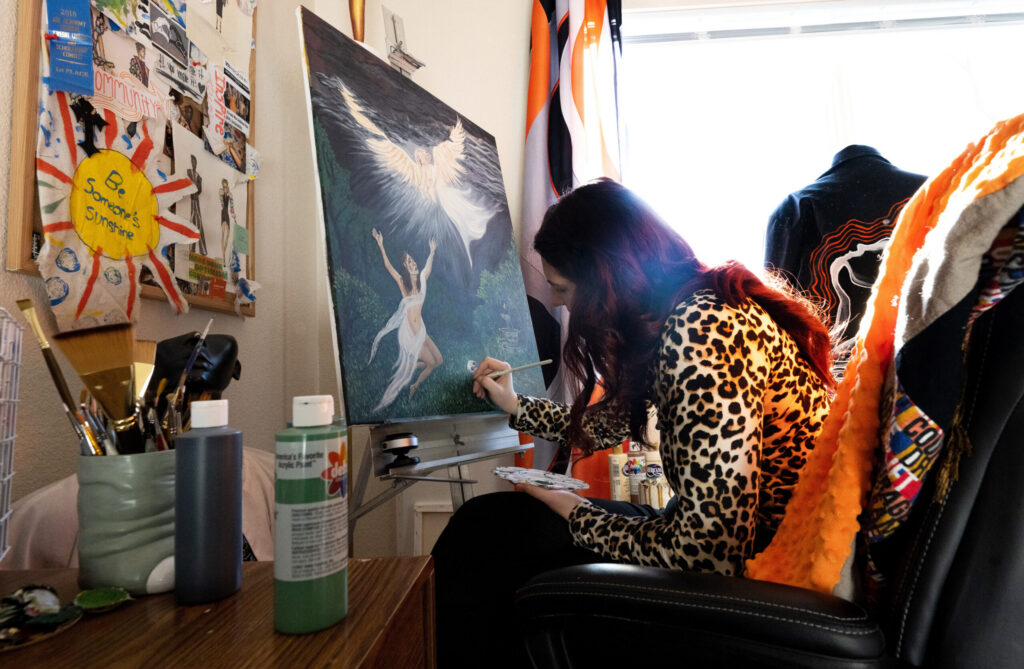
Colorado rape cases rarely result in an arrest and prosecution
Evan Wyloge
evan-wyloge@coloradopolitics.com
Updated 1 hour ago
Authorities say they are especially difficult cases. In Colorado, most go nowhere. Over the past decade, for every 10 reports of rape, there is only one arrest. Warning: This story contains descriptions of sexual violence. Kiersten May remembered a fuzziness...

10th Circuit upholds finding of no misconduct against Colorado federal judge
Michael Karlik
michael.karlik@coloradopolitics.com
Updated 4 days ago
A judicial committee for the Denver-based federal appeals court upheld the chief judge’s finding last week that a federal judge in Colorado did not engage in misconduct by handling a civil case involving other attorneys and judges in the state....
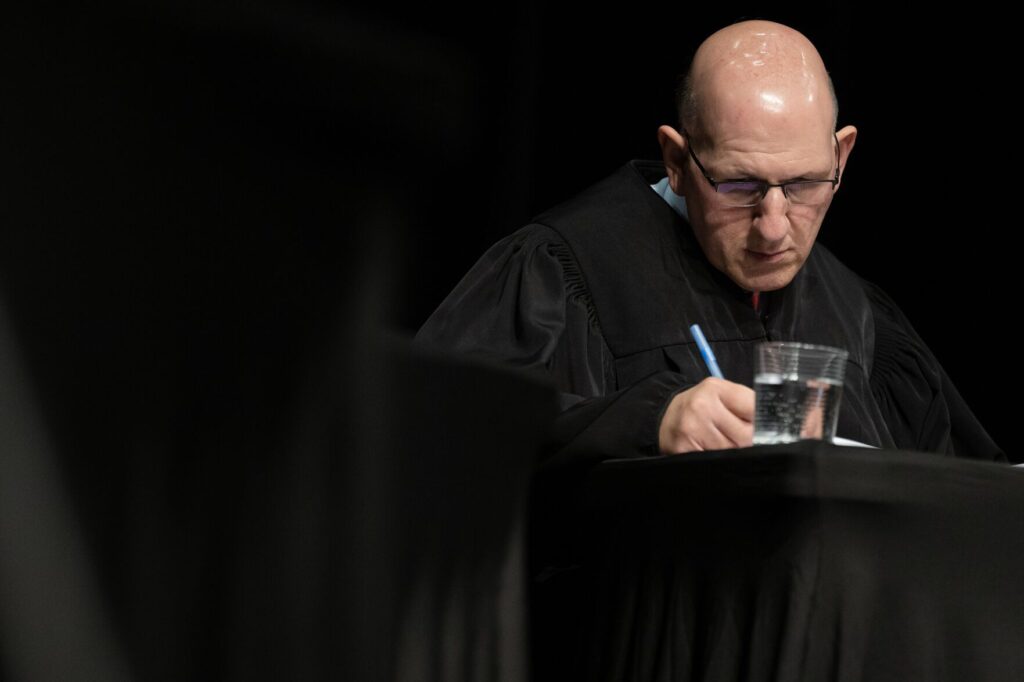
SCOTUS whisperer? Justice Carlos Samour may get second opportunity to turn state dissent into national precedent
Michael Karlik
michael.karlik@coloradopolitics.com
Updated 3 days ago
For the second time in two years, Justice Carlos A. Samour Jr. occupies an unusual position: Having his dissent in a Colorado Supreme Court case potentially forming the basis of U.S. Supreme Court precedent. Earlier this week, the nation’s highest...
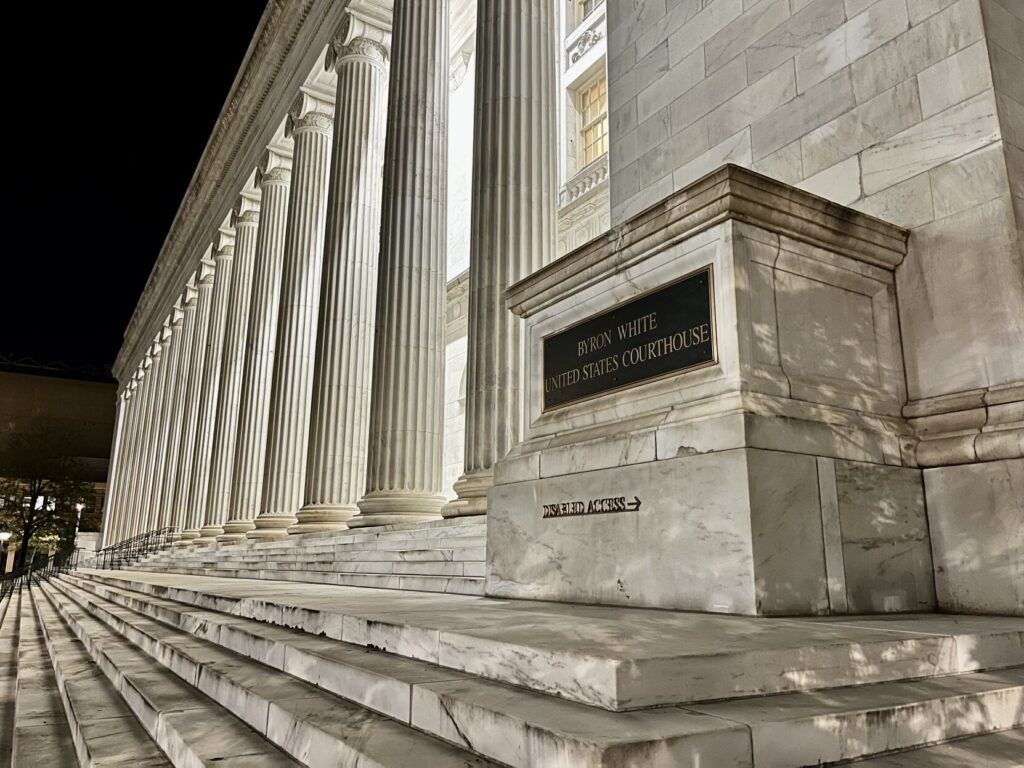
10th Circuit appoints ex-Colorado solicitor general to argue issue after federal government declines
Michael Karlik
michael.karlik@coloradopolitics.com
Updated 3 days ago
The Denver-based federal appeals court took the unusual step earlier this month of appointing an attorney to independently argue a key issue in a criminal sentencing appeal after the government indicated it would not contest the defendant’s view of the...
Daniel Domenico to take over as Colorado’s chief federal judge
Michael Karlik
michael.karlik@coloradopolitics.com
Updated 1 day ago
Daniel D. Domenico will become the new chief judge of Colorado’s federal trial court next week, a role that encompasses the administration of the court as well as a judicial caseload. Under federal law, the chief judge of a U.S....
PREV
PREVIOUS

Denver to issue first chunk of Vibrant Denver Bond dollars
Get your shovels ready, Denver. The city is moving forward with the first issuance of Vibrant Denver Bond dollars for 58 named and shovel-ready projects approved by voters in November. Members of the Finance and Business Committee advanced two proposed resolutions on Tuesday that would release more than a third of the bond money approved […]

Colorado graduation and dropout rates improve as student enrollment continues to slide
Colorado’s graduation and dropout rates continue to go up while its overall enrollment continues to go down, according to new data released Tuesday morning. The Colorado Department of Education released student graduation data from the 2024-25 school year, with the state’s four-year graduation rate increasing by 1.4 percentage points to 85.6% – the highest in […]