

Do Coloradans really care about reproductive health? | OPINION
Colorado Amendment 79 passed more than one year ago. It ensured access to abortion at any time during pregnancy for any reason. Sixty-two percent of Coloradans who voted for the amendment and the 38% who opposed the amendment both sincerely believed they were voting for women’s health and wellbeing. In instances where women’s health is in jeopardy and where the issue of abortion access doesn’t play a role, Colorado policies and laws should reflect this shared priority.
There is increasing evidence the polarization around abortion ideology may be eroding the convergence of interests between pro-life and pro-choice advocates on women’s health — at least at the state legislature.
Last March, all the House Health and Human Services Committee voted along party lines against HB25-1252, which would have directed the Colorado Department of Public Health and Environment (CDPHE) to institute licensing criteria, regulations and an inspection regimen for second- and third-trimester abortion facilities.
The committee heard exhaustive testimony outlining the risks to women’s health and life from late abortion. They also heard health care facilities that typically pose less risk to patients than late abortions are regulated by CDPHE. They even heard public testimony concerning recent multiple ambulance transfers and a women’s death following a 22-week abortion that raised serious concerns about the emergency response and safety of one Fort Collins abortion facility.
Only the chair of the committee, Rep. Kyle Brown, chose to speak in opposition to the bill at the conclusion of the committee hearing. He stated his opposition was based on several observations. He asserted abortion was a “safe medical procedure”, that the American College of Obstetricians and Gynecologists (ACOG) had stated abortion is “safely performed in an outpatient setting”, that ”maternal death associated with childbirth is actually 14 times higher than the risk associated with abortion”, that only “2% of women experience a complication” from abortion, and that “wisdom tooth” extraction, “colonoscopy” and “plastic surgery” entail more risk than abortion. Rep. Brown apparently relied on simplified claims from abortion advocacy organizations that conflate early and late abortion.
What Rep. Brown and others in opposition are missing is the fact abortion complications and abortion deaths both increase exponentially after 8-weeks’ gestation. Abortions in the first trimester, though frequently complicated, rarely pose a threat to the life of the woman. In contrast, there is a 10% complication rate for second-trimester abortions and 1.7% risk of serious, life-threatening complications. And instead of being 14 times safer than childbirth, natural childbirth is twice as safe as a second trimester abortion at 18 weeks or greater. A colonoscopy poses only one-third of the risk of a 21-week abortion and plastic surgery, one-fifth of the risk. The risk of death from a late abortion is far higher than the risk of surgery in ambulatory surgical centers and birth centers which are both regulated by CDPHE.
These are the reasons those who care about women’s health feel compelled to call attention to unregulated second- and third- trimester abortion facilities. State oversight will guarantee medical professionals with the proper training and experience perform complex late abortion procedures. They will ensure the appropriate medical setting for the most complicated procedures. Oversight means proper sterile techniques, medication use and storage, anesthesia protocols, quality “bundles” of care, emergency protocols, and peer review procedures.
Beyond the immediate morbidity and mortality associated with late abortion, CDPHE could address long term health implications by endorsing evidence-based pre-procedural assessments, informed consent, post procedural discharge instructions and post-procedure therapeutic interventions.
Large population-based registry studies, including a recent Canadian analysis of health-care utilization following abortion, have shown substantially higher rates of psychiatric hospitalization, substance-use disorders, and suicide attempts following abortion — particularly among women with a prior history of mental illness. Prospective abortion patients should be systematically screened for mental illness and interventions to mitigate these adverse mental health risks instituted.
Late surgical abortions increase the risk of premature birth in subsequent pregnancies. This in turn may increase both maternal and infant mortality. Surgical abortions also increase the risk for abnormal placentation in future pregnancies, which are known to increase maternal and infant mortality. There is emerging literature that suggests abortion increases the risk for C-section and a continuing concern it may affect future fertility. Women need to know and weigh these factors prior to their abortion as part of the regulated informed consent process.
Pro-life advocates promote the value and dignity of both the pregnant woman and her preborn child. They certainly don’t want to see the reckless injury and death of women at unregulated abortion facilities — even if their goal is to make abortion unthinkable. Pro-choice advocates embrace abortion as “health care” and should not be opposed to regulating late abortion facilities like other health care facilities to protect women.
Coloradans will have a second chance to pass legislation during the 2026 General Assembly that enables the CDPHE to license, regulate, and inspect second- and third-trimester abortion facilities. Let’s agree to move forward on this important bill to help ensure the health and safety of Colorado women.
Tom Perille is president of Democras for Life of Colorado.


Urban vs. rural, labor vs. business: Battles are brewing ahead of the 2026 Colorado legislative session
Marissa Ventrelli
marissa.ventrelli@coloradopolitics.com
Updated 55 seconds ago
Grab your popcorn, it’s going to be an interesting 2026 legislative session in Colorado. There’s not much you can count on these days, but if you’ve been around the Capitol long enough, you’ve probably seen your fair share of disagreements,...
Colorado chose politics over public safety and now our communities pay the price | PODIUM
Colorado Politics
colorado-politics@coloradopolitics.com
Updated 16 hours ago
By Chris Richardson and Max Brooks This week, federal authorities arrested Jose Barrera-Bolanos in Denver. He is an illegal immigrant who had already been convicted of sexually assaulting a child. That fact alone should stop every parent, grandparent and lawmaker...
Helping close Colorado school children’s literacy gaps | OPINION
Colorado Politics
colorado-politics@coloradopolitics.com
Updated 3 hours ago
By Ellen Gelman Imagine being a high school student sitting in a room where everyone around you seems to understand texts that to you feel like a foreign language. Imagine knowing you’re smart, knowing you have ideas worth sharing, but...

Former Colorado wildlife director heads to Wyoming
Marianne Goodland
marianne.goodland@coloradopolitics.com
Updated 18 hours ago
Jeff Davis, the former director of Colorado Parks and Wildlife who oversaw the introduction of wolves in Colorado, is headed to Wyoming, where he will take on a new job as deputy director for that state’s game and fish agency....
Former Rep. Rose Pugliese vies for Mesa County Treasurer
Marianne Goodland
marianne.goodland@coloradopolitics.com
Updated 5 hours ago
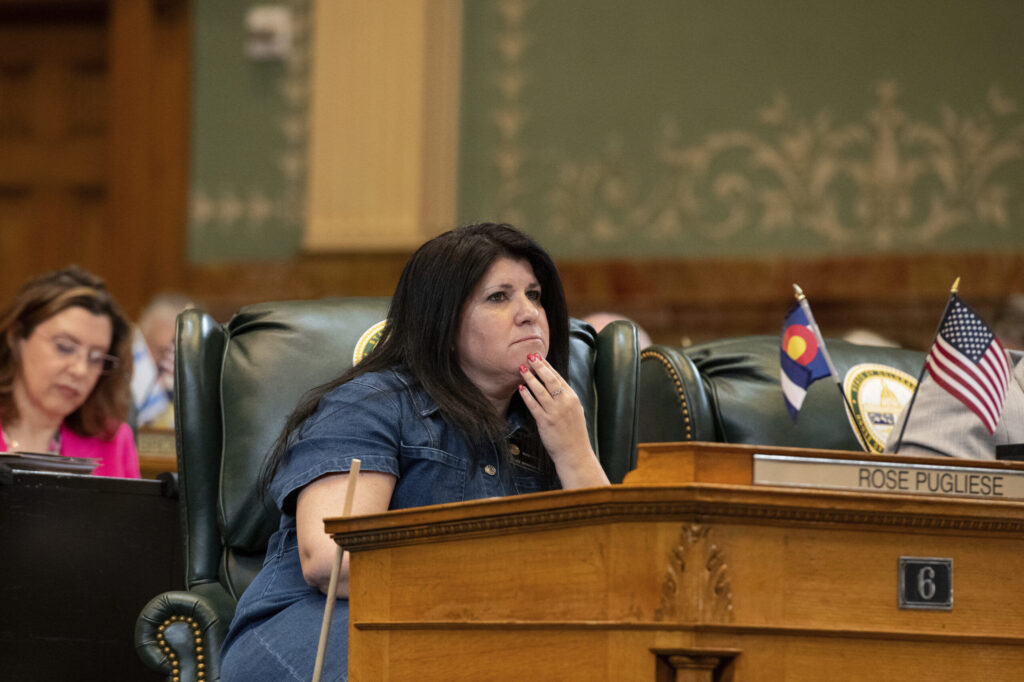
Former Republican Leader Rose Pugliese has jumped into the 2026 primary for Mesa County Treasurer. Pugliese moved to Grand Junction after resigning from the Colorado House in September, citing a “collapse of integrity” within the Colorado House. She previously served...
Primary challenges surge as Colorado lawmakers head into 2026 election cycle
Marianne Goodland
marianne.goodland@coloradopolitics.com
Updated 4 hours ago
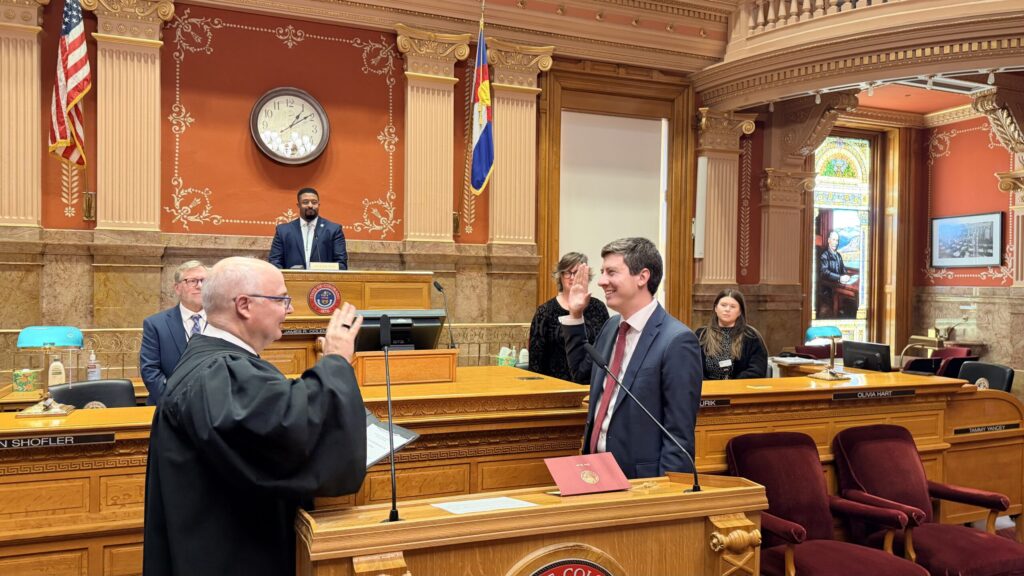
As the 2026 election cycle begins, an unusually large number of Colorado lawmakers — many appointed through the vacancy process — are facing primary challenges that reflect deepening divisions within both major parties. But it isn’t only open seats that...

Trump freezes child care funding for Colorado, 3 other states
Thelma Grimes
thelma.grimes@coloradopolitics.com
Updated 24 hours ago
Colorado was swept up in a $10 billion federal child care funding freeze announced on Monday by the Trump administration, a move state officials said they learned about through media reports. The Trump administration said it would freeze child care...
U.S. House weighs override of Trump veto on Colorado water project
Marianne Goodland
marianne.goodland@coloradopolitics.com
Updated 22 hours ago
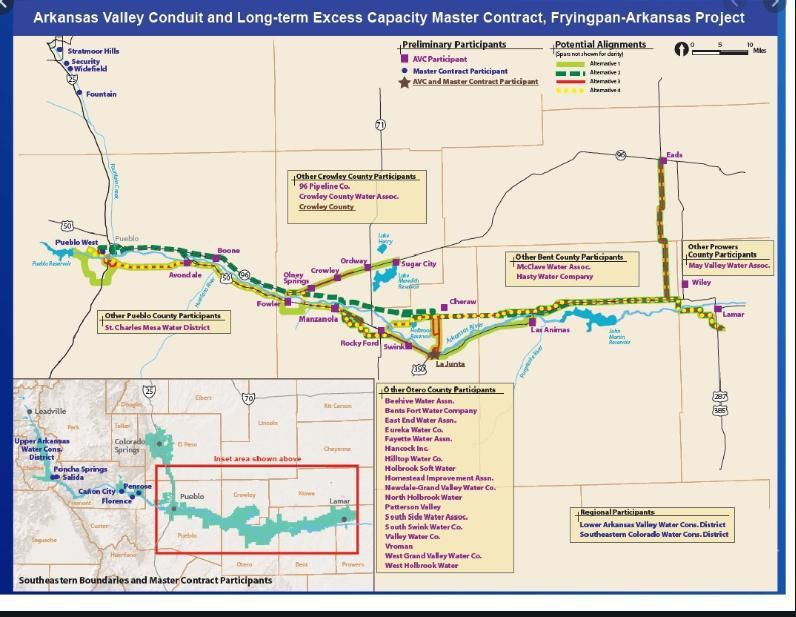
The U.S. House is expected to consider on Thursday whether to override President Donald Trump’s veto of a bill aimed at helping finance a water pipeline in Colorado. Should it happen, it would be the first attempt at an override...
Trump and House Republicans are meeting to talk about their election year agenda
Seung Min Kim
seung.min.kim@associatedpress.com
Updated 1 day ago
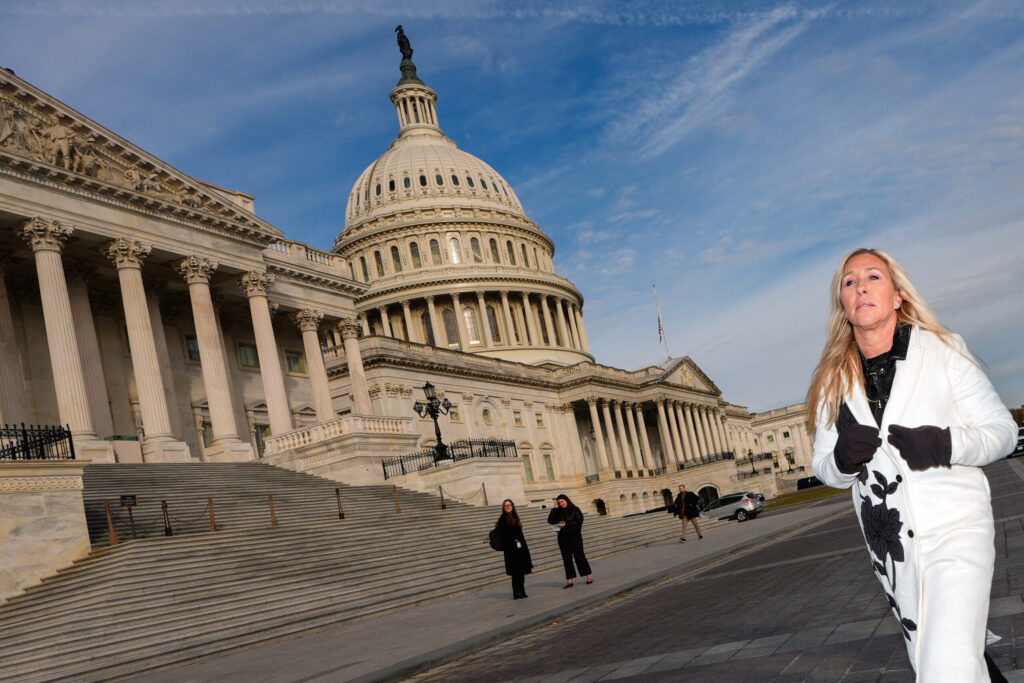
WASHINGTON (AP) — President Donald Trump is meeting with House Republicans on Tuesday to ensure they’re aligned on their agenda at the start of a critical midterm election year that could alter the course of his final two years in...
Former U.S. Rep. Greg Lopez leaves GOP, will run for governor in Colorado as an independent
Ernest Luning
ernest.luning@coloradopolitics.com
Updated 20 hours ago
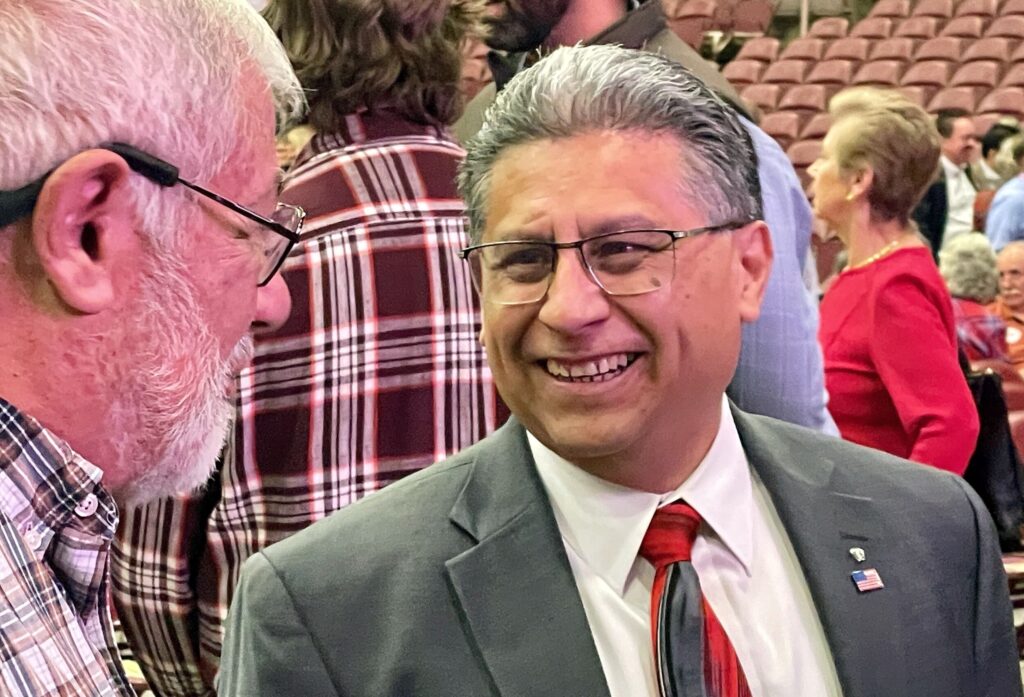
Former U.S. Rep. Greg Lopez, a candidate for governor of Colorado, has left the Republican Party and plans to run as an unaffiliated candidate for the office held by term-limited Democratic Gov. Jared Polis. Lopez, who served six months in...
PREV
PREVIOUS

Putting power back in the hands of the petty | BIDLACK
If there is one thing I’m sure my kindly editor does not want right now is yet another column commenting on the recent events in Venezuela (Ed: correct!). You have likely heard all you want to hear about the extraction, or kidnapping, or seizing, or whatever you want to call it, of Nicolás Maduro. Though […]

Former U.S. Rep. Greg Lopez leaves GOP, will run for governor in Colorado as an independent
Former U.S. Rep. Greg Lopez, a candidate for governor of Colorado, has left the Republican Party and plans to run as an unaffiliated candidate for the office held by term-limited Democratic Gov. Jared Polis. Lopez, who served six months in the U.S. House of Representatives in 2024 after winning a special vacancy election, announced Saturday […]