

Bringing a local community approach to Colorado health policy | PODIUM
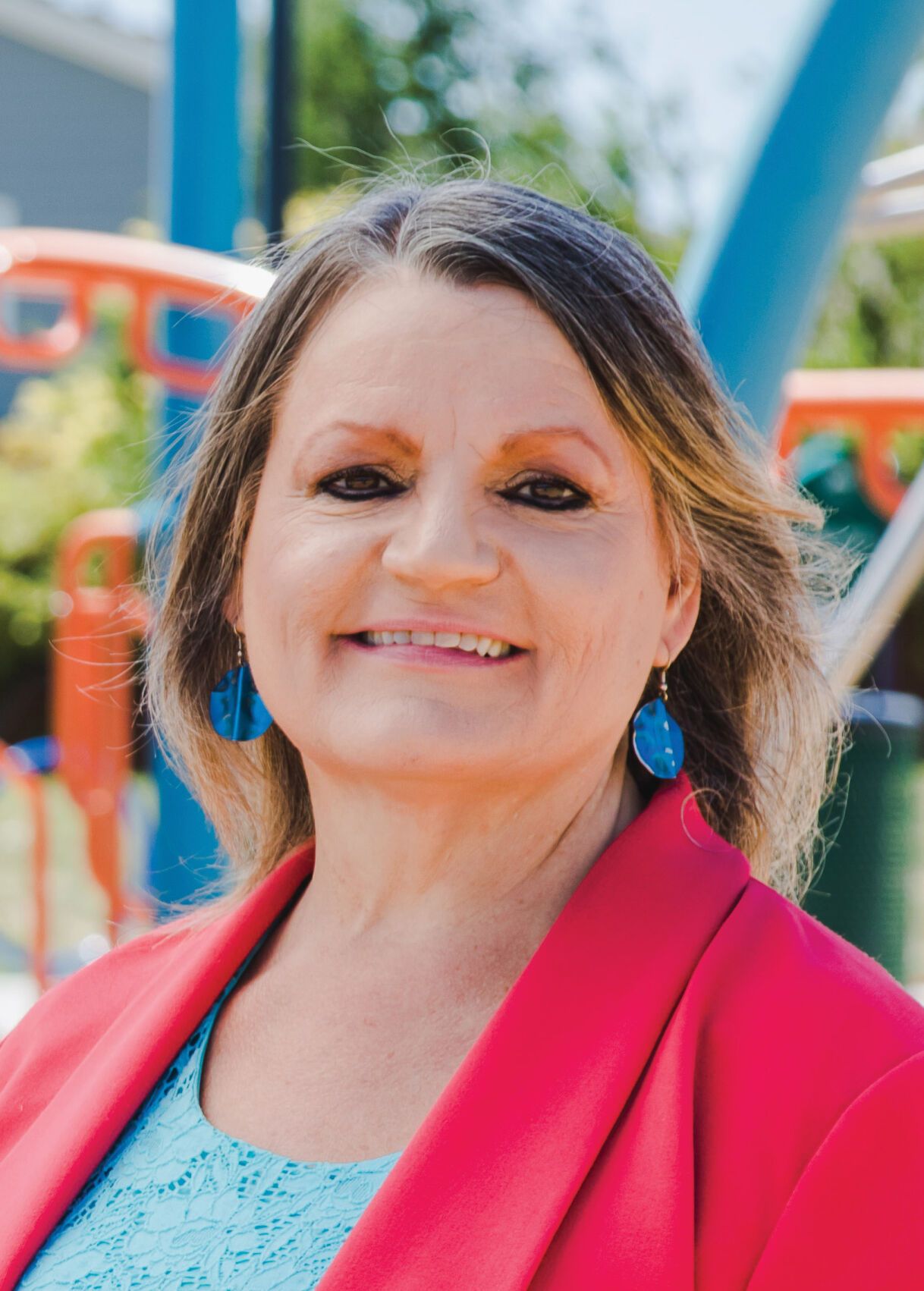
By Sheila Lieder
Health policy is not always a straightforward topic of discussion. There are many aspects to the complex health care system we’re used to. When issues arise at the national level, disagreement and dueling press conferences can slow progress and constructive results that build a better future.
When you bring these subjects into communities you’ll find listening, meaningful conversation and an opportunity to build consensus. Recently, in partnership with Jefferson County Economic Development Corporation (Jeffco EDC) and We Work For Health (WWFH), we organized a fireside chat event at the Capitol in Denver to focus on the urgency of bettering kidney disease outcomes for Colorado patients. What occurred was an opportunity to achieve better understanding of matters and how policy decisions affect the lives of our fellow Coloradans.
Bringing together community members and policymakers to discuss these issues had great value that can resonate and make a difference in policymaking. Our focus was on chronic kidney disease. Thousands of our state’s citizens have been diagnosed with it and, according to the report of the state’s Kidney Disease Prevention and Education Task Force, many more have it but don’t know it.
One of the most pressing issues around chronic kidney disease discussed was the problems surrounding late diagnosis, which can leave limited treatment options for patients whose disease progresses to more complex stages, like end-stage renal disease (ESRD) or kidney failure. If people start talking about getting screened earlier, tested earlier, going on a new treatment sooner, we can combat kidney disease sooner.
As of 2021, approximately 5,000 Coloradans were suffering from ESRD and required dialysis treatments, with many more likely to join their ranks. This generates huge costs for our state’s Medicaid program. But we can mitigate those costs and our citizens’ pain through greater education and awareness of the causes and symptoms of kidney disease and by continuing to develop effective medications for hypertension and diabetes, two illnesses that often lead to kidney failure. In addition to increased education and therapeutic advancements, our group of experts determined early detection through routine screening is critical when considering health outcomes for
Colorado patients.
That group consensus led to another important component in our community
discussion: what is and should be the role of biopharmaceutical companies in
Colorado? In the interest of having all facts on the table to better shape policy affecting our state and our lives, our group found it important to focus on the linkage between drugmakers, economic development and job creation. There is a lot to take in here. A recent study found the economic activity generated
by just 15 pharmaceutical companies in Colorado, and their business relationships with various state vendors and contractors, led to more than $23 billion in economic output in 2022 and these biopharmaceutical companies and their vendors, suppliers and contractors support nearly 80,000 jobs in the state.

And, in terms of developing the medications that can result in fewer acute cases of kidney disease and other health improvements, these companies hosted more than 2,000 clinical trials in Colorado in 2022 involving more than 1.6 million participants. Those are stunning numbers in terms of the investment taking place to improve public health. And this economic and medical progress can’t simply be ignored in developing health care
policy.
We did something important at our community gathering, which can best be done at the local level, is to share ideas and information, reach common understanding regarding the needs of our fellow citizens, and start achieving common ground on how to protect what is important to us and improve what needs improving.
Part of that improvement is the need for increased awareness on living kidney donors. In Colorado, we are fortunate to have multiple transplant centers that
are doing amazing work. Colorado is also the home of the largest number of nondirected donors in the country, which is donating kidneys to strangers. The Kidney Disease Task Force is currently working on a statewide awareness campaign, and we are looking into additional awareness and potential improvements to the transplantation
process.
Health care doesn’t have to be a divisive topic when you think about it in terms of people needing better well-being and good jobs. Here in Colorado, conversations like these help drive advancements to care, and better patient outcomes.
Sheila Lieder represents District 28 in the Colorado House.

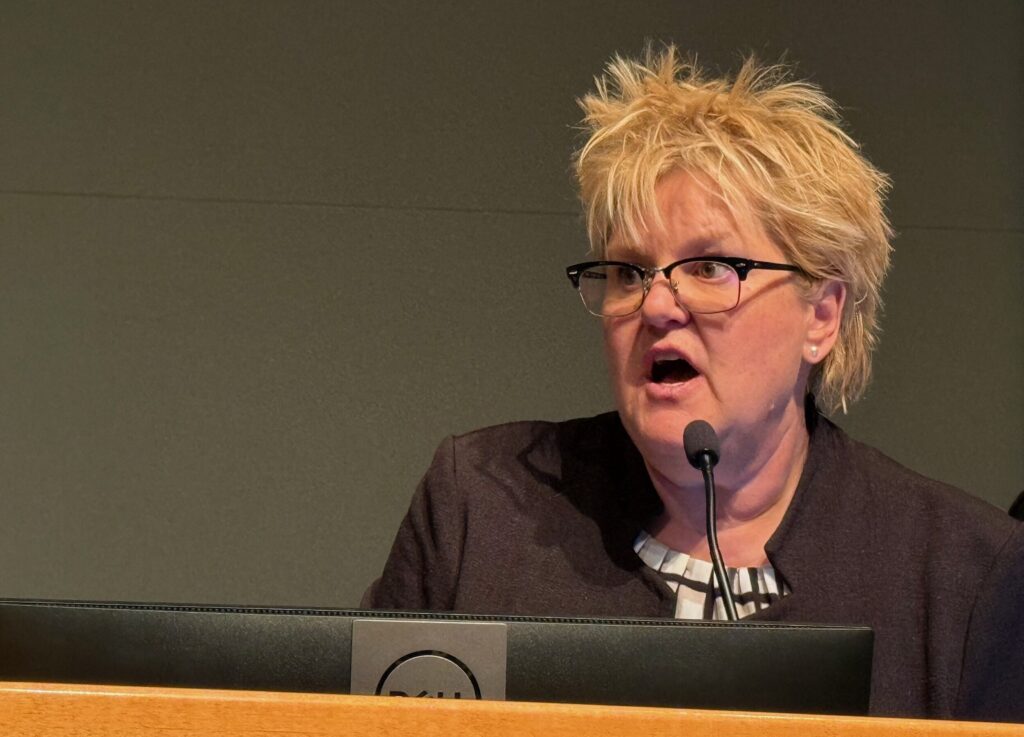
In a meeting Colorado GOP chair Brita Horn calls ‘illegal,’ Republicans vote to demand her resignation
Ernest Luning
ernest.luning@coloradopolitics.com
Updated 4 hours ago
Roughly half the membership of the Colorado Republican Party’s state central committee on Saturday voted overwhelmingly to approve a resolution expressing “no confidence” in state GOP Chairman Brita Horn’s leadership and calling for her immediate resignation in an online meeting...
Meeker rancher leads one of Colorado’s earliest attempts to transfer federal lands | A LOOK BACK
Rachael Wright, Special to Colorado Politics
rachael.wright@coloradopolitics.com
Updated 2 days ago
Forty-Five Years Ago This Week: Former state Rep. Nick Theos, R-Meeker, was one of several people testifying before the Senate Agriculture Committee on Senate Bill 81-170, which would transfer ownership of public lands from the federal government to state control....

Democrats Michael Bennet, Phil Weiser make their cases to be Colorado’s next governor ahead of primary
Ernest Luning
ernest.luning@coloradopolitics.com
Updated 2 days ago
Nearly eight months before ballots will be counted in Colorado’s race for the its open gubernatorial seat, voters are lining up behind two of the state’s leading Democrats, who are facing off in a primary that will likely determine which...
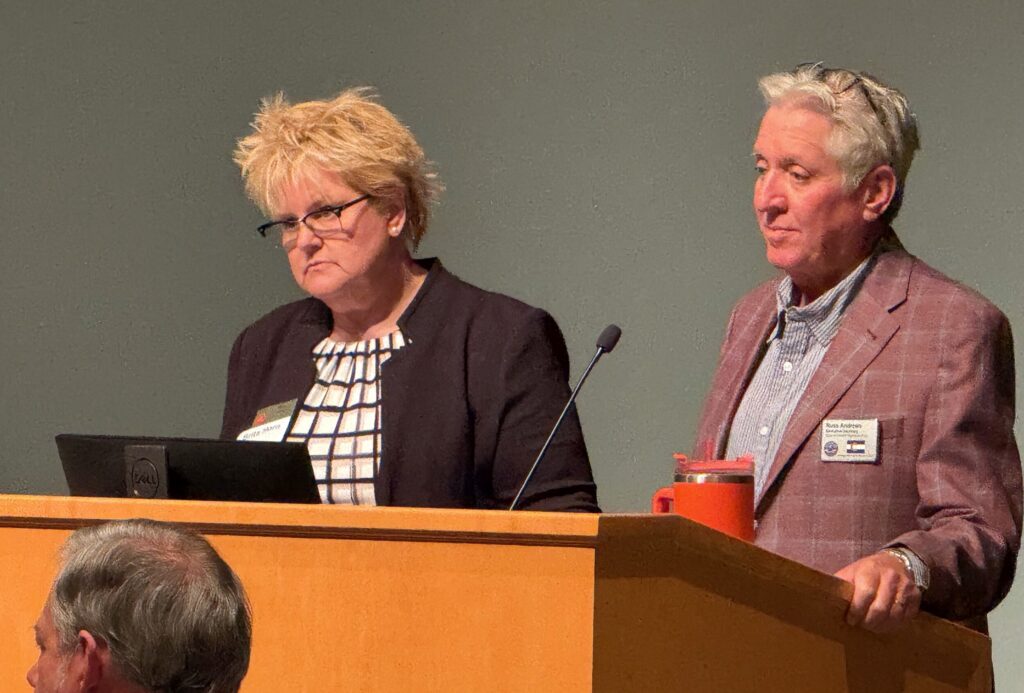
Colorado GOP officers set competing meetings to hold ‘no-confidence’ votes on state chair Brita Horn
Ernest Luning
ernest.luning@coloradopolitics.com
Updated 1 day ago
Once again, members of the Colorado Republican Party’s central committee have scheduled separate, competing meetings to consider whether the state GOP’s governing body supports its chair, but this time neither meeting will be held under a bridge. State GOP Chair...
Colorado Democratic candidate submitted 1,600 signatures — only 29 were valid
Marianne Goodland
marianne.goodland@coloradopolitics.com
Updated 4 hours ago
When he turned in some 1,600 signatures last month, Eric Nelson said it demonstrated “strong grassroots support from voters” across the district and a “growing momentum” for his “inclusive, community-centered leadership.” On Thursday, the Secretary of State rejected Nelson’s petition...

Colorado bill disqualifies former ICE agents from getting job in local law enforcement | Bills in Brief
Marissa Ventrelli
marissa.ventrelli@coloradopolitics.com
Updated 1 day ago
Colorado lawmakers introduce hundreds of bills each year. Bills in brief cuts through the noise by explaining which proposals matter, what’s at stake, and how decisions at the Capitol could affect everyday life across the state. Colorado legislators are pushing legislation to...
This bill’s bogus title is the real deception | OPINION
Mark Hillman
mark-hillman@coloradopolitics.com
Updated 2 days ago
Among the most absurd bills currently under consideration by the Colorado legislature is House Bill 1012, deceptively titled “Concerning Consumer Protections to Promote Fair Market Pricing.” The first absurdity is the claim this legislation and promoting free-market pricing have anything...
Colorado’s municipal jails should follow same standards as county jails | OPINION
Colorado Politics
colorado-politics@coloradopolitics.com
Updated 2 days ago
By Michael Carter Coloradans have the right to safe, humane and lawful jail facilities, regardless of where they’re held. However, the state law requiring jails in Colorado to meet those basic standards doesn’t apply to all the jail facilities in...

Aurora City Council should narrow retail licensing ordinance | OPINION
Colorado Politics
colorado-politics@coloradopolitics.com
Updated 1 day ago
By Samuel G. Michael Many of my members have voiced concern about the Aurora City Council’s tobacco retail licensing proposal. As the head of the Ethiopian Community of Colorado, EthioCO.org, I share, understand and support the city’s responsibility to protect young people...
Colorado senators initially push for — then drop ‘identity’ factor in parenting time decisions
Marissa Ventrelli
marissa.ventrelli@coloradopolitics.com
Updated 1 day ago
The sponsors of a proposal that would require suppression of records in name-change petitions for minors removed a provision that would have mandated the courts to factor in the issue of “identity” when allocating parenting time. In its original form,...
PREV
PREVIOUS

Protecting 340B means protecting access to care close to home | OPINION
By Patrick Demmer As a pastor and community advocate in Colorado, I have spent more than four decades walking alongside people in moments of hardship, families facing illness, seniors choosing between prescriptions and groceries, and working parents stretched to the breaking point. In those moments, access to affordable, local health care isn’t an abstract policy […]

US Rep. Lauren Boebert calls for override vote after Trump vetoes bipartisan Colorado water bill
President Donald Trump issued the first veto of his second term Tuesday, blocking a long-awaited bipartisan effort to finish a southeastern Colorado water project that supporters say is critical to delivering clean drinking water to roughly 50,000 residents of the lower Arkansas Valley. The president described the project as economically not viable — and one […]