

A year of developments in the CBI forensic lab scandal
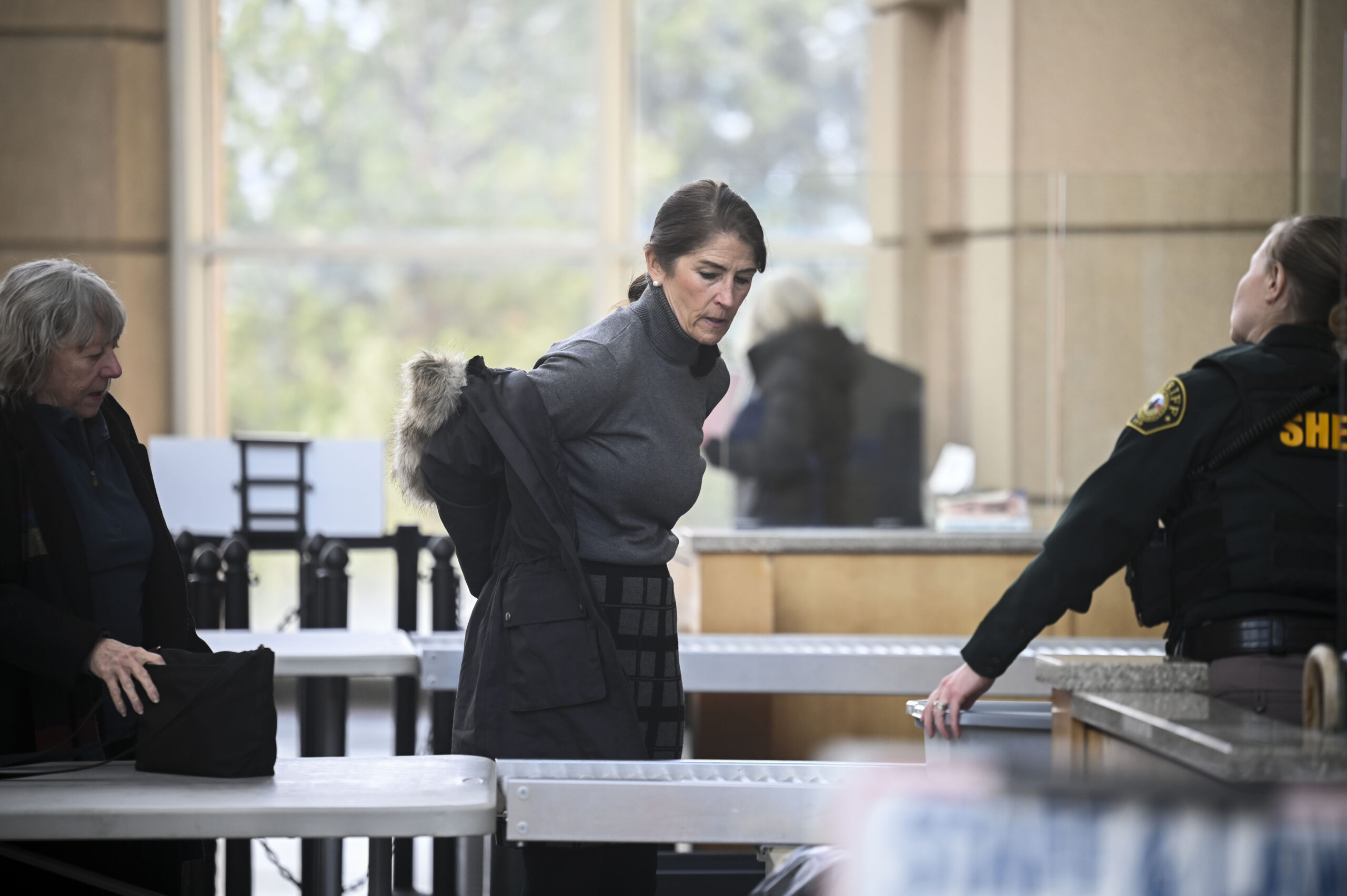
As the scandal at the Colorado Bureau of Investigation forensic lab moved through its second year, a series of startling developments and revelations emerged with no clear end in sight and the full toll still unknown.
At the heart of a scandal unlike any before in state history, is the state agency’s once most revered and prolific DNA scientist: Yvonne Woods.
In January, after more than a year of speculation, Woods, who goes by Missy, turned herself in to Jefferson County authorities and was charged with 102 felonies. She stands accused of deleting and altering findings in more than a thousand criminal cases during her 29-year-career at CBI and is awaiting trial.
She’s scheduled to enter a plea Feb. 11, 2026, after a year of delays.
As this year closes, CBI now acknowledges 1,045 cases were impacted by her alleged deception and misconduct, or roughly one in 10 of the 10,786 cases she worked.
And throughout the year, reverberations continued to be felt:
On Jan. 9, the Denver Gazette broke the story that the time it took for the state lab to process rape kits had risen to 517 days because workers had been diverted to review past Woods cases, leaving sexual assault victims in limbo.
Also, in January a lawsuit was filed alleging shoddy oversight in the CBI lab where other scientists, tasked with reviewing Woods’ work, approved her findings in one minute. Months later an independent audit of lab procedures faulted past leadership with allowing mistakes to mount, ignoring warnings, and fostering a climate described as “autocratic” and “punitive” if concerns were voiced.
In April, the Denver Police Department announced its own crime lab was reviewing 422 past rape kits initially analyzed by Woods, presumably looking for errors or faulty conclusions. By August, the number of cases under review by Denver rose to more than 1,300.
Yet, the breadth of the scandal remains unknown as CBI, prosecutors, and even the state attorney general remain close-lipped about what has been found, what can be released, and the full impact to those potentially wrongly convicted or suspects who might have escaped prosecution because of lab misconduct.
Just 14 retests of Woods’ past findings had been requested by state district attorneys, who, along with some law enforcement agencies, are the only ones who have knowledge of which cases are affected — or roughly 1% of the cases CBI has flagged as problem cases.
CBI’s new director, Armando Saldate III, said in an August interview he planned to increase transparency and accountability but could not release more information until after the Woods’ criminal case closed.

But perhaps the year’s most noteworthy development was in the Michael Clark case, where retesting of the DNA used to convict him for a 1994 Boulder murder showed inconsistencies in Woods’ original conclusions.
On April 11, Clark’s 2012 conviction in the murder of Marty Grisham was vacated and three days later he was freed from prison on bond after serving more than 12 years of a life sentence without parole.
In an exclusive May interview with The Denver Gazette, Clark said he felt vindicated but also was wary as there was a chance he could be retried. That decision came in September when Boulder County District Attorney Michael Dougherty announced Clark would be retried for the 31-year-old murder.
A second trial of Clark is scheduled for 2026.

Gov. Polis, Upper Basin states criticize federal draft plan for managing the Colorado River
Marianne Goodland
marianne.goodland@coloradopolitics.com
Updated 8 hours ago
With no agreement among the seven Colorado River states and federal deadlines now passed, the Upper Colorado River Commission on Monday sharply criticized the U.S. Department of the Interior’s draft plan for managing the river after current guidelines expire this...
Ballot access, dual-office ban bills move swiftly through Colorado legislature
Marianne Goodland
marianne.goodland@coloradopolitics.com
Updated 9 hours ago
With an eye on the 2026 election cycle and mounting tensions with the Trump administration, Colorado lawmakers are fast-tracking a pair of election bills they say will protect the state’s mail ballot system and tighten rules for elected officials. The...
Colorado GOP chair Brita Horn loses ‘no-confidence’ vote, vows to refocus on ‘mending that divide’
Ernest Luning
ernest.luning@coloradopolitics.com
Updated 4 hours ago
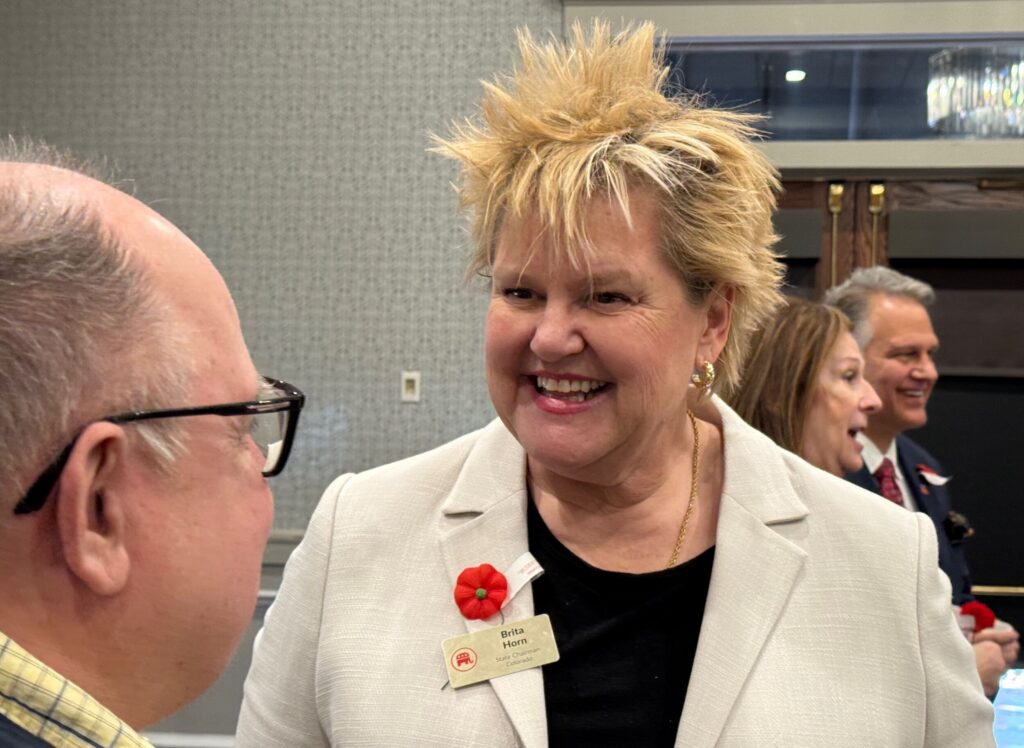
The Colorado Republican Party’s state central committee approved a resolution expressing “no confidence” in state chair Brita Horn in a landslide late Monday night near the end of an online meeting marked by rancor and confusion. Almost 80% of the...
Primary rival sues to prevent Democrat Eileen Laubacher from going through assembly in Colorado’s 4th CD
Ernest Luning
ernest.luning@coloradopolitics.com
Updated 14 hours ago
Democratic congressional candidate Trish Calvarese on Monday asked a judge to prevent one of her primary rivals, Eileen Laubacher, from participating in the caucus and assembly process to seek the nomination to challenge Republican U.S. Rep. Lauren Boebert in Colorado’s...
Colorado lawmakers tackle legislation on sexual assault
Jenny Deam
jenny-deam@coloradopolitics.com
Updated 17 hours ago
A panel of Colorado lawmakers on Monday unanimously approved a bill that supporters say will offer protections and support to victims of domestic violence, stalking, sex trafficking and sexual assault, including mandatory training for law enforcement on trauma. The measure,...
More than 20 Colorado counties receive grants to improve land record-keeping systems
Maren Prince
maren.prince@denvergazette.com
Updated 7 hours ago
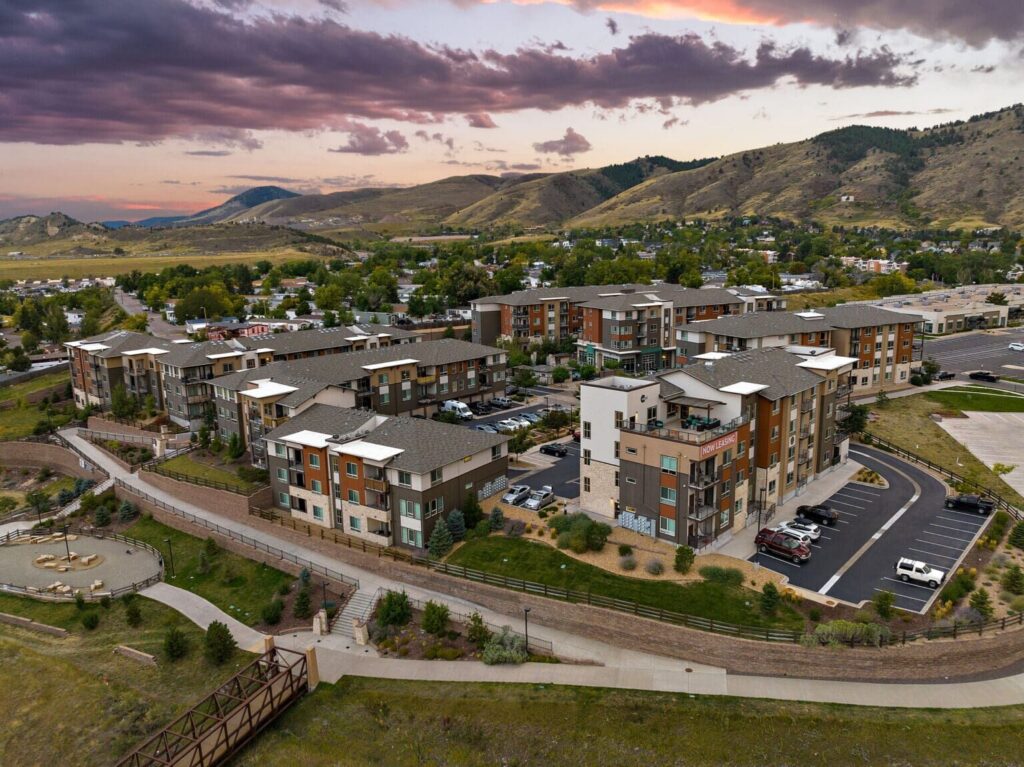
More than 20 Colorado counties received a total of $2.5 million to improve their land record-keeping systems, according to a Monday news release. The State’s Electronic Recording Technology Board awarded 22 counties with grants ranging from $5,000 to $350,000, according...
Colorado Senate swears in Adrienne Benavidez after district vacancy win
Marianne Goodland
marianne.goodland@coloradopolitics.com
Updated 1 day ago
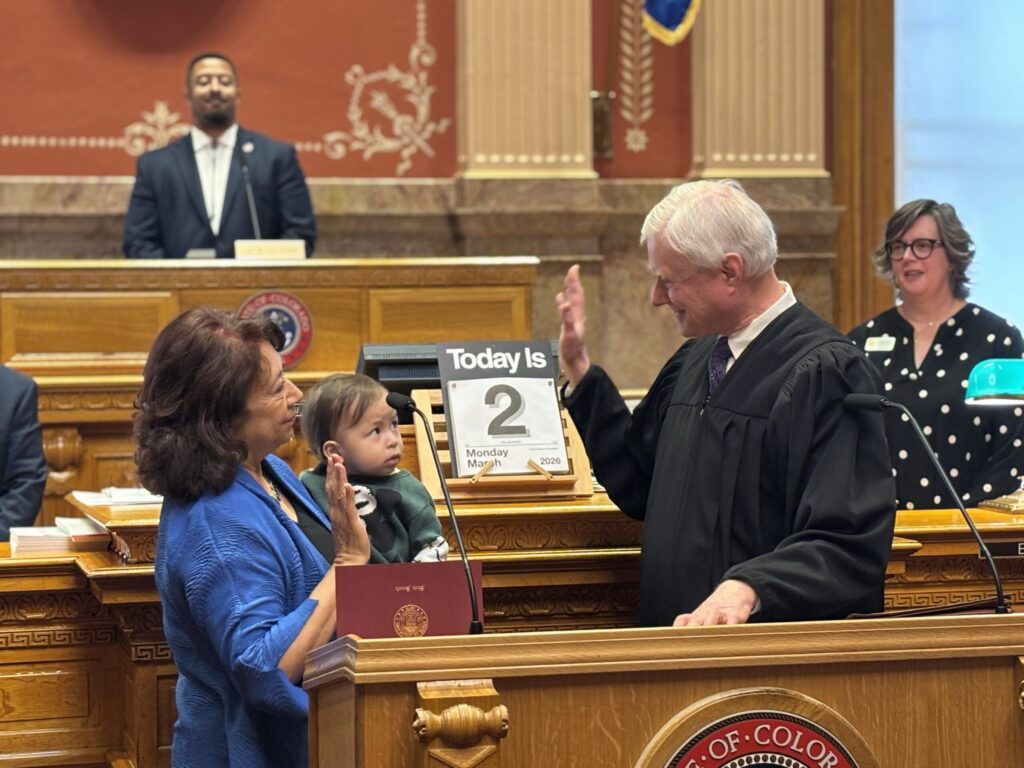
Sen. Adrienne Benavidez, a Democrat from Adams County, was sworn in Monday to the Colorado Senate, just four days after winning a vacancy election in District 21. She was sworn in by Colorado Court of Appeals Justice Lino S. Lipinsky...

Colorado House passes ‘kidfluencer’ bill requiring trusts, removal rights for children
Marissa Ventrelli
marissa.ventrelli@coloradopolitics.com
Updated 7 hours ago
A bill that seeks to provide “kidfluencers” compensation for their work on their parents’ social media accounts passed the Colorado House on Monday, with both Democrats and Republicans voting in favor of the legislation. House Bill 1058, sponsored by Reps....
Morgan County man accused of killing wife, staging her suicide charged with first-degree murder
Kyla Pearce
kyla.pearce@gazette.com
Updated 5 hours ago
A grand jury announced the indictment of 52-year-old Ronald Lowry, who is accused of killing his wife in October 2023 and staging the crime scene to look like a suicide. Lowry, who was arrested Friday in Morgan County, was charged...

Denver mayor says his commute time tripled following ‘road diet’ change
Mark Samuelson Special to The Denver Gazette
mark.samuelson@denvergazette.com
Updated 1 day ago
Mayor Mike Johnston is pushing back sharply against the claim by Denver councilmembers and bike activists that the city succumbed to lobbying pressure in revising a “road diet” plan for East Alameda Avenue, while noting that his own commute time...
PREV
PREVIOUS
Federal judge sides with Douglas County School District in ex-admin's discrimination lawsuit
A federal judge concluded last week that a former high school administrator had not proven his claims of religious discrimination against the Douglas County School District. Corey McNellis had worked at Ponderosa High School since 2002 and served as the athletic director and assistant principal at the time of his termination in October 2020. According to […]
Ben Campbell, former US senator from Colorado and advocate for Native American rights, dies at age 92
Former U.S. Sen. Ben Nighthorse Campbell, who represented Colorado for two terms beginning in 1993 and was the first Native American elected to the chamber since the 1920s, died Tuesday, his family and close associates confirmed. He was 92. Campbell, a former Democratic state lawmaker from Ignacio, represented the 3rd Congressional District for two terms […]