

Ben Campbell, former US senator from Colorado and advocate for Native American rights, dies at age 92
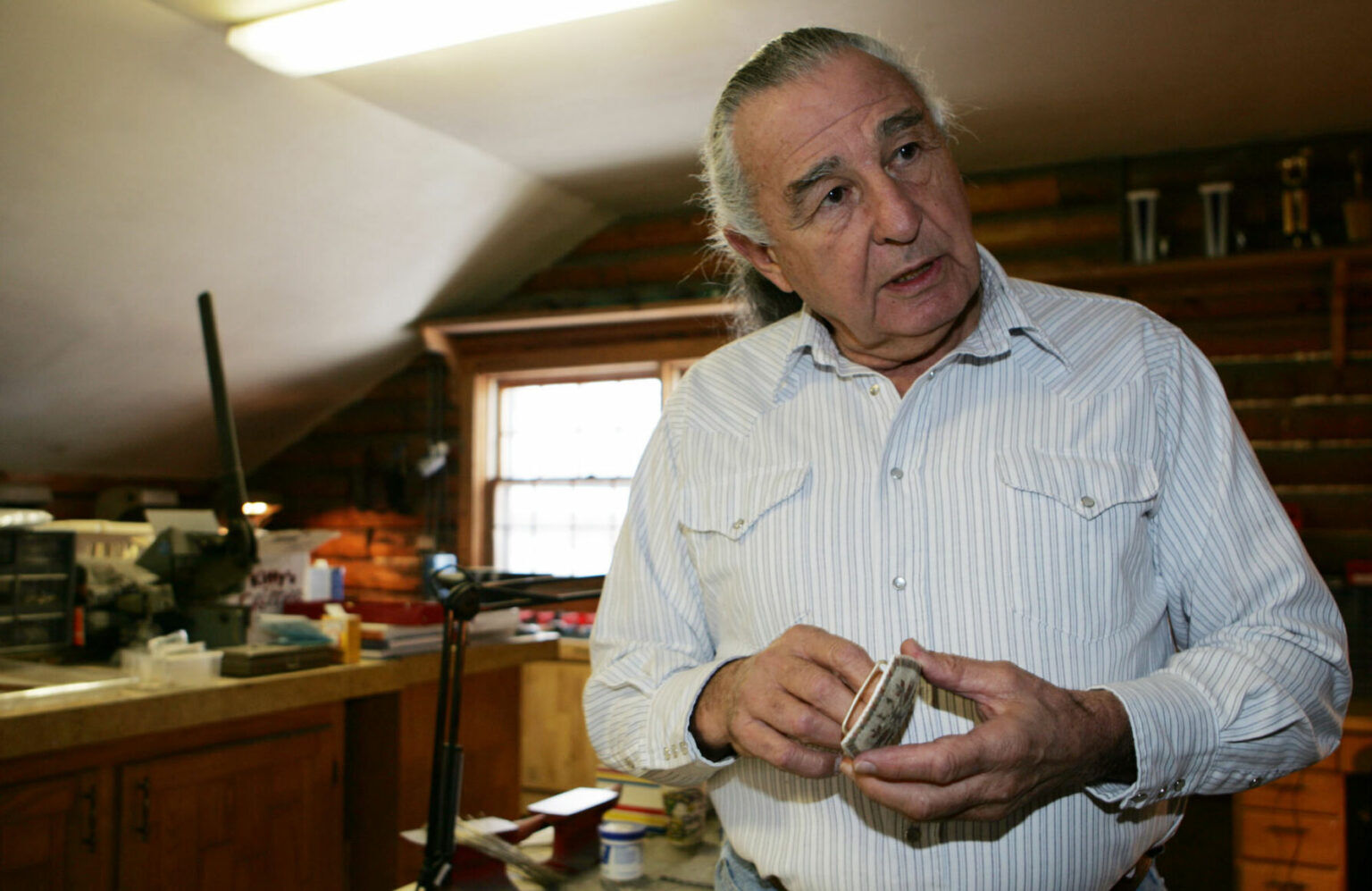
Former U.S. Sen. Ben Nighthorse Campbell, who represented Colorado for two terms beginning in 1993 and was the first Native American elected to the chamber since the 1920s, died Tuesday, his family and close associates confirmed. He was 92.
Campbell, a former Democratic state lawmaker from Ignacio, represented the 3rd Congressional District for two terms before his election to the Senate in 1992. Two years later, he switched parties to become a Republican and won reelection in 1998 on the GOP ticket.
Politicians and elected officials from both parties hailed Campbell late Tuesday as a historic figure whose record of service matched his generous personality and maverick approach.
A renowned jewelry designer and world-class athlete, Campbell captained the U.S. judo team at the 1964 Tokyo Olympics after winning a gold medal in the 1963 Pan-American Games in Sao Palo, Brazil. He was a three-time U.S. national champion in the sport, which he later coached.
Campbell’s father was part Northern Cheyenne, and Campbell was one of 44 Northern Cheyenne chiefs. He was inducted into the National Native American Hall of Fame in Great Falls, Mont., in 2021.
During his tenure in the Senate, Campbell chaired the Committee on Indian Affairs, becoming the first Native American lawmaker to serve as the panel’s chair.
Known for his Harley-Davidsons and advocacy for motorcyclists in Congress, Campbell was named to the AMA Motorcycle Hall of Fame in 2002.
Campbell was born on April 13, 1933, in Auburn, Calif. His mother, Mary Vierra, was a Portuguese immigrant, and his father, Albert Campbell, was of Northern Cheyenne descent. Campbell served in the Air Force as an air policeman during the Korean War and was awarded the Korean Service Medal and the Air Medal.
Campbell and his wife, Linda Price, who raised champion quarterhorses, purchased a ranch near Ignacio in the far southwest corner of Colorado on the Southern Ute Reservation in 1978. They have two children and four grandchildren.
Running as a Democrat, Campbell won election to the first of two terms in the Colorado legislature in 1982 and went on to serve three terms in the U.S. House of Representatives after unseating a Republican incumbent in 1986.
He won the Democratic nomination for an open U.S. Senate seat in 1992 by defeating former Gov. Dick Lamm and former Boulder County Commissioner Josie Heath, the party’s 1990 Senate nominee, in the primary. Campbell won the seat by a 9-point margin over Republican nominee Terry Considine.
Months into his third year in office and following poor performance by Democrats in the 1994 midterms, Campbell stunned the state’s political world by announcing that he was changing his registration to Republican. Campbell said he no longer felt at home in his previous party after drawing criticism for his support of a balanced budget amendment, a position he’d held for years.
After a tepid initial reception, state Republicans warmed to Campbell, who described himself as a moderate Republican and occasionally broke with the party on core issues, including maintaining support for abortion rights. He won reelection to a second term in 1998 by a 27-point margin, over former Colorado first lady Dottie Lamm, a newspaper columnist and the wife of the former governor.
Citing health concerns, including his recent treatment for prostate cancer and a bout of heartburn mistaken for a heart attack, Campbell declined to seek a third term in 2004 amid a controversy over an ethics investigation based on accusations brought by his former chief of staff.
In the Senate, Campbell served on the Appropriations, Energy and Natural Resources, Veteran’s Affairs and Indian Affairs committees and chaired the Helsinki Commission.
U.S. Sen. John Hickenlooper, a Democrat and former two-term Colorado governor, said in a social media post that Campbell’s record of service will endure.
“”He was a master jeweler with a reputation far beyond the boundaries of Colorado,” Hickenlooper said. “He was always generous to me with his time and wisdom. I will not forget his acts of kindness. He will be sorely missed.”
U.S. Rep. Jeff Hurd, a Republican, represents the Western Slope-based congressional seat Campbell once held and was endorsed by Campbell and his wife last year.
Campbell, Hurd said, “devoted his life to service and was a respected national leader for Native American communities. His career was defined by independence, integrity and service above partisanship.”
Added Hurd: “Colorado has lost a remarkable leader, and his legacy will endure.”
The Colorado Republican Party said in a statement Tuesday night that Campbell cut a historic path across the state and nation.
Calling Campbell “a respected voice for Colorado on the national stage,” the GOP said the former lawmaker “dedicated his life to public service.”
“We extend our deepest condolences to his family, loved ones, and all those who were impacted by his remarkable life and service,” the party said. “Senator Campbell’s legacy of independence, service, and leadership will be remembered with respect and gratitude.”
Colorado Democratic Party Chair Shad Murib said Campbell’s maverick positions left an impression on him decades ago.
“A rancher and the son of an immigrant, he served as both a Democrat and a Republican and held an independent worldview rooted in conviction,” Murib said in a post on social media. “When I was a young activist protesting the Iraq War, I remember his anger at the Bush administration’s lack of accountability for prisoner abuse in Iraq and respected his willingness to challenge the president. I send my condolences to his family and loved ones.”
Dick Wadhams, a former Colorado GOP chairman, told Colorado Politics that Campbell stands alone in the state’s political history.
“Ben Nighthorse Campbell transcended partisan politics in a way no other prominent elected official has ever done in Colorado,” Wadhams said in a text message. “Ben was probably not comfortable when he was a Democrat nor as a Republican. But he had an appeal across the electorate because he was such an interesting and unique person. Ben served his state and nation well during his years of service.”
Editor’s note: This developing story has been updated.


Jeff Crank, Jessica Killin set to face off in 2 debates in Colorado’s 5th Congressional District
Ernest Luning
ernest.luning@coloradopolitics.com
Updated 2 days ago
Republican U.S. Rep. Jeff Crank and Jessica Killin, his Democratic challenger, have agreed to debate twice in the weeks leading up to the general election in Colorado’s 5th Congressional District, their campaigns have said. Crank is seeking a second term...
‘Ticked off’: Third-party U.S. Senate candidate in Colorado launches $1.3 million TV ad campaign
Ernest Luning
ernest.luning@coloradopolitics.com
Updated 3 days ago
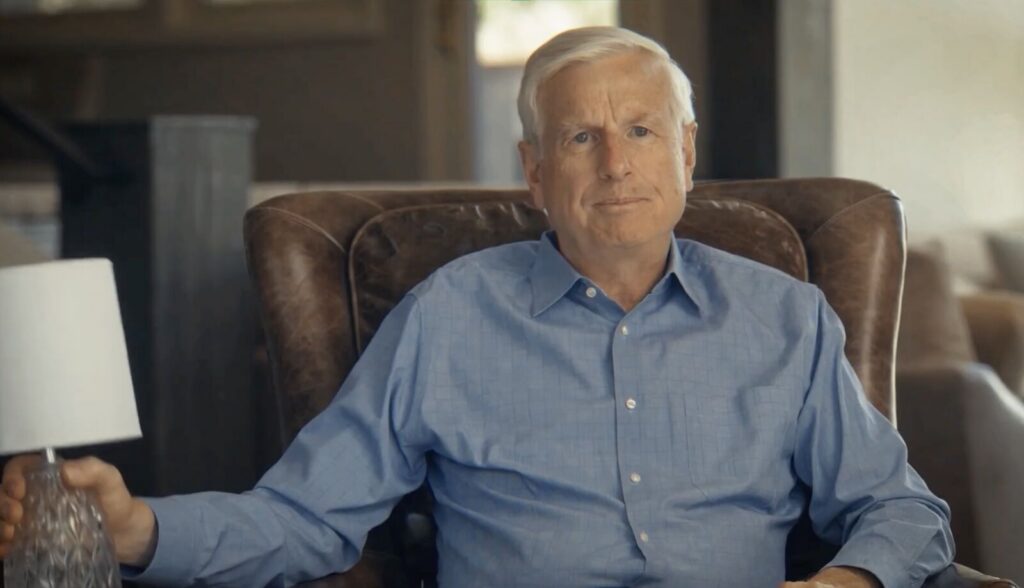
Bob Chew, the Forward Party nominee for U.S. Senate in Colorado, sends household objects flying in a TV ad set to run statewide through September, backed by $1.3 million in ad reservations across multiple platforms, his campaign told Colorado Politics....

U.S. Rep. Lauren Boebert’s son arrested, faces charges of sexual exploitation of minor
Matt Kyle
matt.kyle@denvergazette.com
Updated 6 days ago
U.S. Rep. Lauren Boebert’s son Tyler Jay Boebert has been arrested and accused of recording and sharing a video depicting himself having intercourse with a minor, according to court records. The case originated in Garfield County in Western Colorado and...

Democratic group aims Spanish-language TV ad at Gabe Evans in Colorado’s battleground 8th CD
Ernest Luning
ernest.luning@coloradopolitics.com
Updated 6 days ago
A national group tied to House Democratic leadership launched a six-figure Spanish-language TV ad in Colorado this week targeting Republican U.S. Rep. Gabe Evans and the GOP’s signature budget legislation. The 30-second spot is part of $15 million in new...

National House Democrats add Colorado seats held by Lauren Boebert, Jeff Hurd to target list
Ernest Luning
ernest.luning@coloradopolitics.com
Updated 6 days ago
The national House Democrats’ campaign arm on Wednesday added the Colorado congressional district held by Republican U.S. Reps. Jeff Hurd and Lauren Boebert to the list of targeted seats the party believes are vulnerable in this year’s midterms. The Democratic...
Q&A with Mike Pence | Former vice president says GOP’s populist turn from conservatism isn’t permanent
Ernest Luning
ernest.luning@coloradopolitics.com
Updated 2 weeks ago
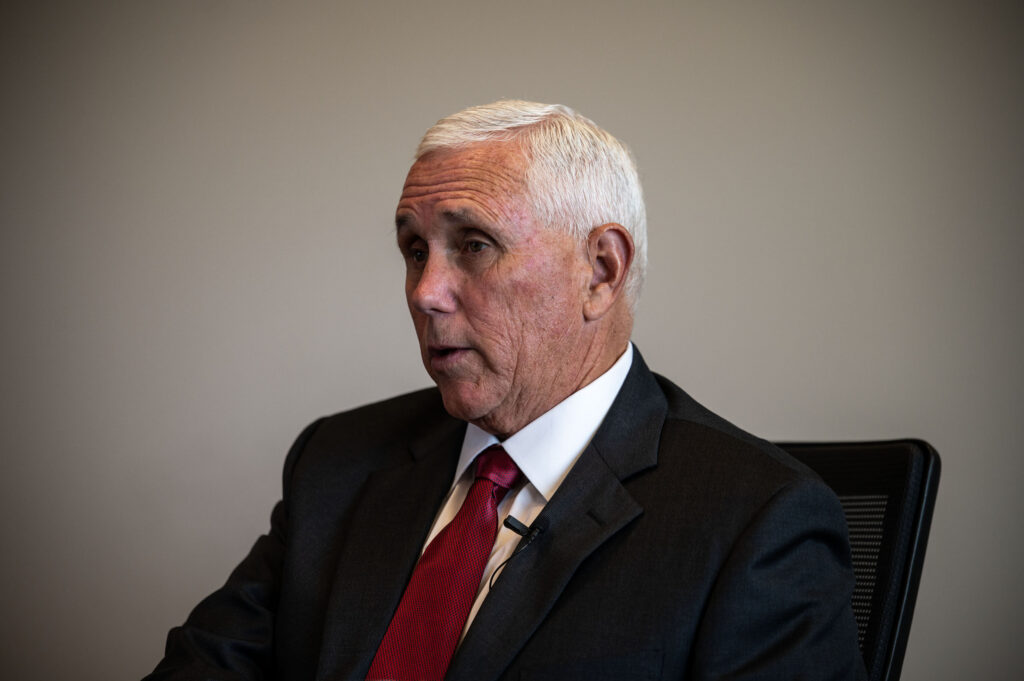
Former Vice President Mike Pence says he’s concerned that the Republican Party has taken a populist turn away from bedrock conservative principles during President Donald Trump’s second term, but he believes the party will return to its roots when Trump...
Democrat Jessica Killin’s internal poll shows dead heat with U.S. Rep. Jeff Crank in Colorado’s 5th CD
Ernest Luning
ernest.luning@coloradopolitics.com
Updated 2 weeks ago
Jessica Killin, the Democratic nominee in Colorado’s 5th Congressional District, is in a statistical tie with Republican U.S. Rep. Jeff Crank, according to an internal poll released this week by Killin’s campaign. The poll of likely general election voters, conducted...
Surprise candidate Shimon Blau cleared to face off against Melat Kiros in November
Ernest Luning
ernest.luning@coloradopolitics.com
Updated 3 weeks ago
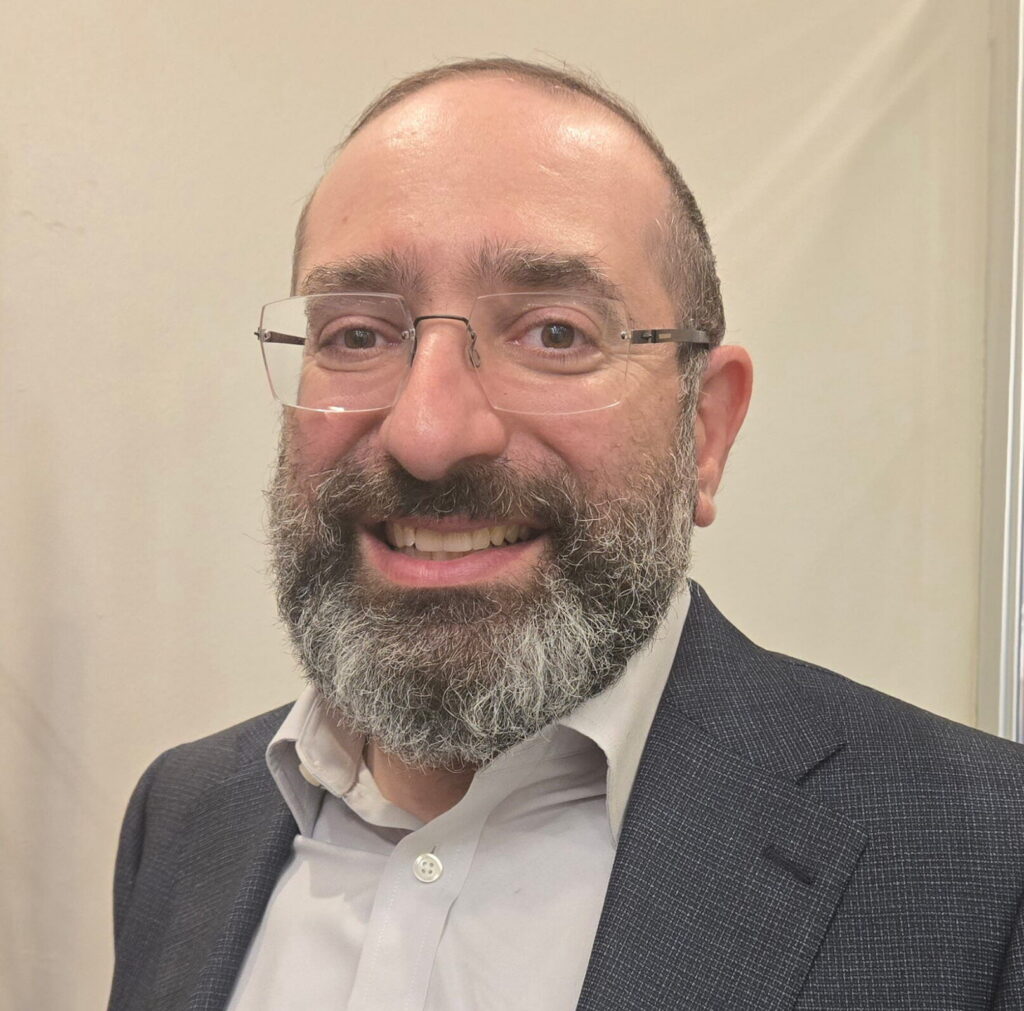
Unaffiliated congressional candidate Shimon Blau, a Denver doctor, has qualified by petition for the general election in Colorado’s 1st District, where Democrat Melat Kiros defeated 15-term U.S. Rep. Diana DeGette in last month’s primary, the Colorado Secretary of State’s Office...
Democrat John Hickenlooper hauls in $1.3 million in 2nd quarter in Colorado’s U.S. Senate race
Ernest Luning
ernest.luning@coloradopolitics.com
Updated 4 weeks ago
U.S. Sen. John Hickenlooper’s reelection campaign raised just over $1.3 million in the year’s second quarter and finished the period with $2 million in the bank, leaving the first-term Democrat with nearly 80 times as much cash on hand as...
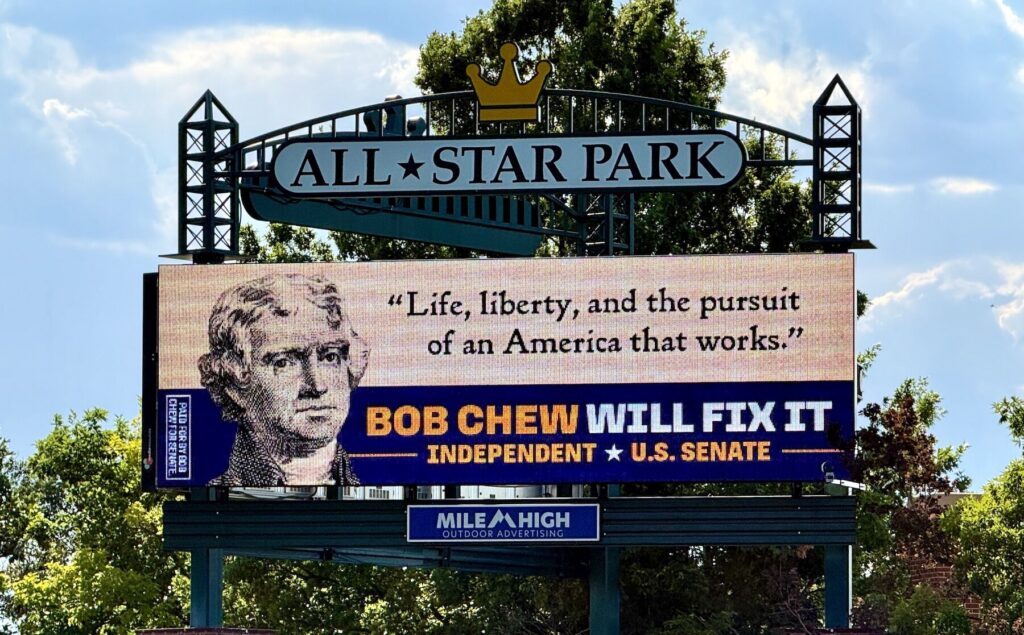
Forward Party nominee for Colorado’s U.S. Senate seat puts $1.1 million into his campaign
Ernest Luning
ernest.luning@coloradopolitics.com
Updated 1 month ago
Bob Chew, the Colorado Forward Party nominee for the seat held by Democratic U.S. Sen. John Hickenlooper, plans to report donating $1.1 million to his campaign and raising an additional $20,000 in the most recent quarter, his campaign told Colorado...
PREV
PREVIOUS

A year of developments in the CBI forensic lab scandal
As the scandal at the Colorado Bureau of Investigation forensic lab moved through its second year, a series of startling developments and revelations emerged with no clear end in sight and the full toll still unknown. At the heart of a scandal unlike any before in state history, is the state agency’s once most revered and prolific DNA scientist: Yvonne Woods. In January, after […]

Bringing a local community approach to Colorado health policy | PODIUM
By Sheila Lieder Health policy is not always a straightforward topic of discussion. There are many aspects to the complex health care system we’re used to. When issues arise at the national level, disagreement and dueling press conferences can slow progress and constructive results that build a better future. When you bring these subjects into […]