

$3 million penalty upheld against for-profit college following half-decade of appeals
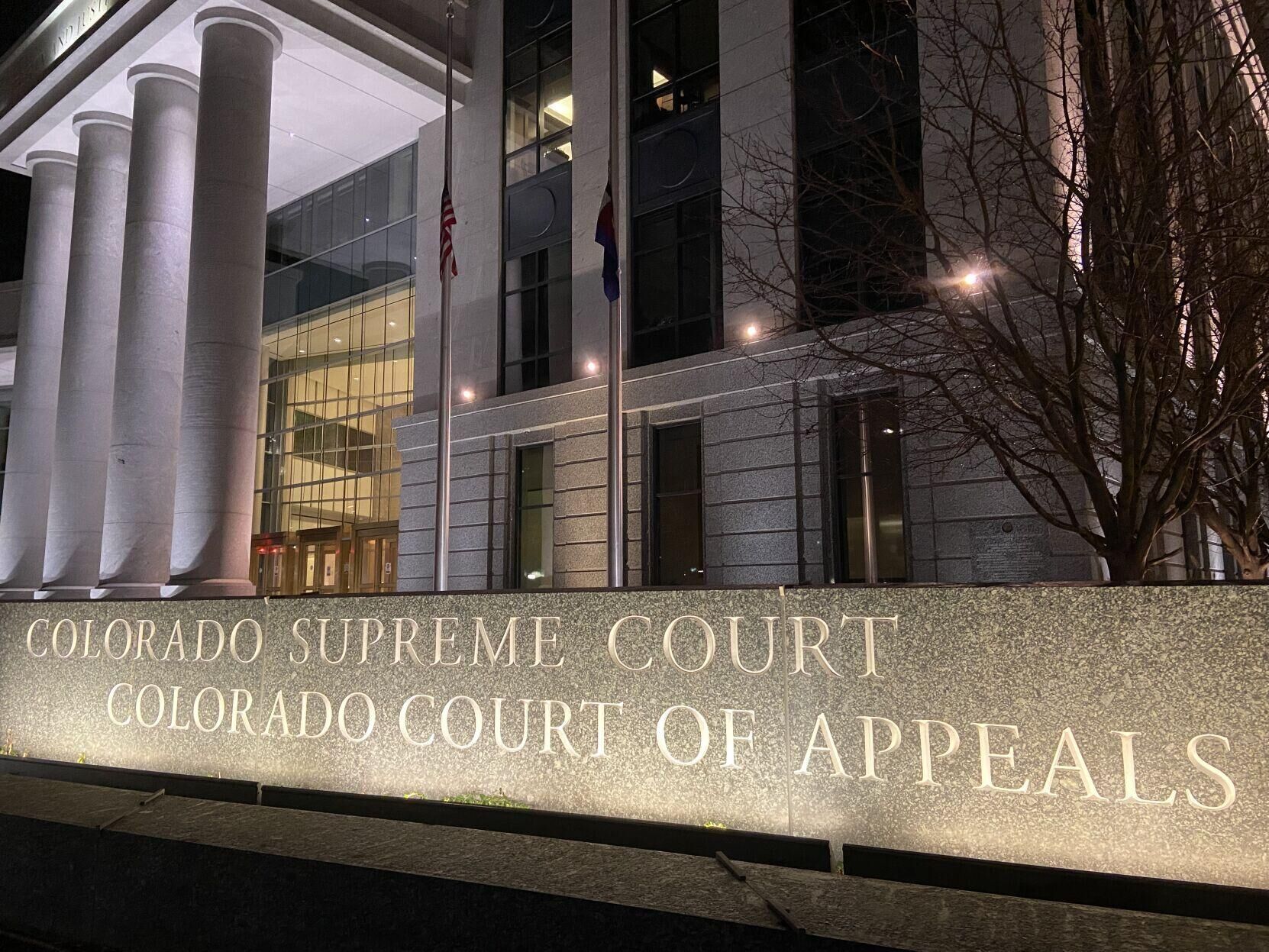
Colorado’s second-highest court upheld a $3 million penalty against a defunct for-profit college on Wednesday, agreeing the state had proven multiple violations of its consumer protection law.
The Court of Appeals’ decision against CollegeAmerica followed a trial judge’s order in 2020, an appellate decision in 2021, a state Supreme Court opinion in 2023 and a different trial judge’s order earlier this year. The Dec. 24 decision from a three-judge appeals panel largely focused on one outstanding issue: Had the state proven that CollegeAmerica’s deception had a “significant public impact” under the Colorado Consumer Protection Act?
By advertising national wage data clearly divorced from CollegeAmerica’s outcomes, by leading students into an unsustainable loan program and by misrepresenting its program offerings, the answer was yes.
“In each situation, CollegeAmerica advertised a program would lead to a specified result, despite knowledge to the contrary that it would not,” wrote Judge Steve Bernard. “CollegeAmerica learned of these problems in various ways: from misled students who were confused and who filed complaints, from faculty members, and from reports issued by the Accrediting Commission. Yet CollegeAmerica continued to distribute the same misinformation.”
Case: Colorado v. Center for Excellence in Higher Education, Inc.
Decided: December 24, 2025
Jurisdiction: Denver
Ruling: 3-0
Judges: Steve Bernard (author)
Gilbert M. Román
Ted C. Tow III
The Colorado Attorney General’s Office originally filed the case in 2014 against CollegeAmerica, two of its executives and the related nonprofit Center for Higher Education, Inc., alleging they employed deceptive advertising about their offerings and outcomes. The school also reportedly offered “unconscionable” loans to students who, for the most part, were unable to repay them.
A four-week trial before then-Denver District Court Judge Ross B.H. Buchanan revealed that CollegeAmerica touted that students would make “more money sooner” and earn “up to $1 million more” with a degree, notwithstanding data showing that graduates experienced notably poorer outcomes.
Admissions officers enrolled students who they believed would “really struggle in school,” including a man with a learning disability who ended up getting his blood drawn for extra credit and returned to his restaurant job after working on his degree. Further, CollegeAmerica dramatically overstated its successful outcomes to its accreditor. Half of the graduates surveyed reported being worse off financially for attending CollegeAmerica, and some even declared bankruptcy.
Buchanan ultimately found that CollegeAmerica had deceived its students and made unconscionable loans to some of those who enrolled. He imposed the maximum consumer penalty of $3 million. However, Buchanan mistakenly believed the attorney general’s office did not need to prove CollegeAmerica’s actions had a significant public impact. In August 2021, a three-judge panel for the Court of Appeals reversed the judgment based on Buchanan’s error.
Under that incorrect reading of the law, “the parties lacked the incentive to present evidence, rebut evidence, and develop a record on this issue,” wrote Bernard, directing a new trial for all of the consumer protection claims.
After the Supreme Court heard the appeal, it was unconvinced the mistake had actually harmed CollegeAmerica’s ability to defend itself. Instead, it directed the Court of Appeals to look at the evidence the parties presented to determine if they had a “full and fair opportunity” to litigate the issue.
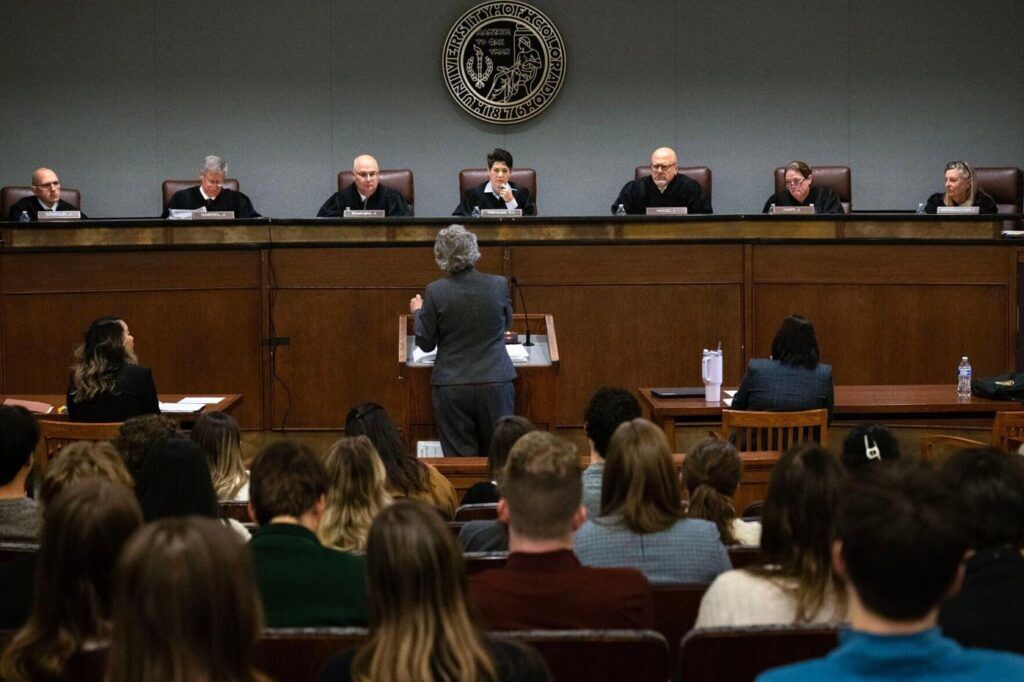
The same appellate panel heard from the parties and returned the case to a new district judge, Andrew J. Luxen. After CollegeAmerica and the state determined they did not require a new trial, Luxen heard arguments and issued an order in February agreeing the attorney general’s office had proven a significant public impact.
“CollegeAmerica’s misrepresentations affected many thousands of Colorado consumers,” he wrote. “A single mail campaign reached 13,000-14,000 households. Additionally, the same misleading information was presented in various formats to at least 10,879 students who enrolled at CollegeAmerica and to thousands of other prospective students.”
Luxen added that, under Supreme Court precedent, the state was not required to prove any actual harm to a consumer. Instead, CollegeAmerica’s deceptive conduct had to be “likely to injure the public.”
“No consumers were ‘directly affected’ by the advertising. Persons who ‘merely read’ an advertisement are not ‘directly affected’ by it,” argued Sean Connelly, an attorney for CollegeAmerica, in appealing Luxen’s decision.
“Adopting CollegeAmerica’s position,” countered the attorney general’s office, “would mean not only that the Attorney General has to wait to bring a CCPA (consumer protection act) claim until consumers are injured but also must wait until enough consumers are injured to prove a significant public impact. Nothing in the CCPA supports such a laissez faire attitude toward deceptive business practices.”
The Court of Appeals panel agreed with the government.
“Requiring proof of actual injury to a consumer before a Consumer Act claim can be brought would force the Attorney General to wait on the sidelines for consumers to become victims before the Attorney General could act,” wrote Bernard.
The panel concluded CollegeAmerica knowingly engaged in deceptive practices that negatively affected students financially and professionally. It upheld the outcome of the trial.
Although Bernard and Judge Ted C. Tow III also sat on the panel that decided the original appeal, Chief Judge Gilbert M. Román replaced Judge Craig R. Welling as the third member for reasons the court did not disclose.
The case is Colorado v. Center for Excellence in Higher Education, Inc. et al.


Colorado justices confirm lawyers may ‘borrow’ allegations from elsewhere
Michael Karlik
michael.karlik@coloradopolitics.com
Updated 13 hours ago
The Colorado Supreme Court ruled on Monday that plaintiffs’ lawyers can use allegations made elsewhere to bolster their own clients’ claims, so long as the attorney first performs some degree of investigation into the “borrowed” assertions. Under Colorado’s rules for...

Colorado justices restore RTD subcontractor’s award, reject ‘drastic’ view of public works law
Michael Karlik
michael.karlik@coloradopolitics.com
Updated 18 hours ago
The Colorado Supreme Court on Monday restored a $5.7 million award to a company that helped build a commuter rail line and, in doing so, rejected a view of state law that would nullify a subcontractor’s entitlement to any compensation...
El Paso County defendant’s speedy trial rights violated, Colorado justices find in overturning convictions
Michael Karlik
michael.karlik@coloradopolitics.com
Updated 13 hours ago
The Colorado Supreme Court concluded on Monday that an El Paso County prosecutor made an unjustified decision to file a mid-case appeal, pushing the trial beyond the legal deadline and requiring that the defendant’s convictions be overturned. In Colorado, the...

SCOTUS decides Colorado case, state’s newest justice authors first opinion | COURT CRAWL
Michael Karlik
michael.karlik@coloradopolitics.com
Updated 23 hours ago
Welcome to Court Crawl, Colorado Politics’ roundup of news from the third branch of government. The nation’s highest court decided a First Amendment case out of Colorado, plus the state’s newest justice issued her first opinion since joining the Colorado...
Federal judge sides with Mesa County school district in ex-student’s First Amendment claims
Michael Karlik
michael.karlik@coloradopolitics.com
Updated 4 days ago
A federal judge concluded last week that Mesa County Valley School District 51 and three of its administrators did not violate the First Amendment rights of a former student when they imposed minor discipline in response to disruptive behavior. In...

Colorado Supreme Court intervenes in 4 ongoing cases
Michael Karlik
michael.karlik@coloradopolitics.com
Updated 4 days ago
The Colorado Supreme Court recently moved to intervene in four ongoing cases, including two criminal prosecutions, a civil lawsuit, and a child welfare proceeding. At least four of the court’s seven members must agree to hear a case outside of...

Federal judge releases man immediately as consequence for immigration judge disobeying orders
Michael Karlik
michael.karlik@coloradopolitics.com
Updated 4 days ago
A federal judge ordered a man’s immediate release from immigration detention on Thursday after finding an immigration judge disregarded his prior orders requiring a bond hearing. For the past year, Colorado’s federal district court has faced a flood of “habeas corpus”...
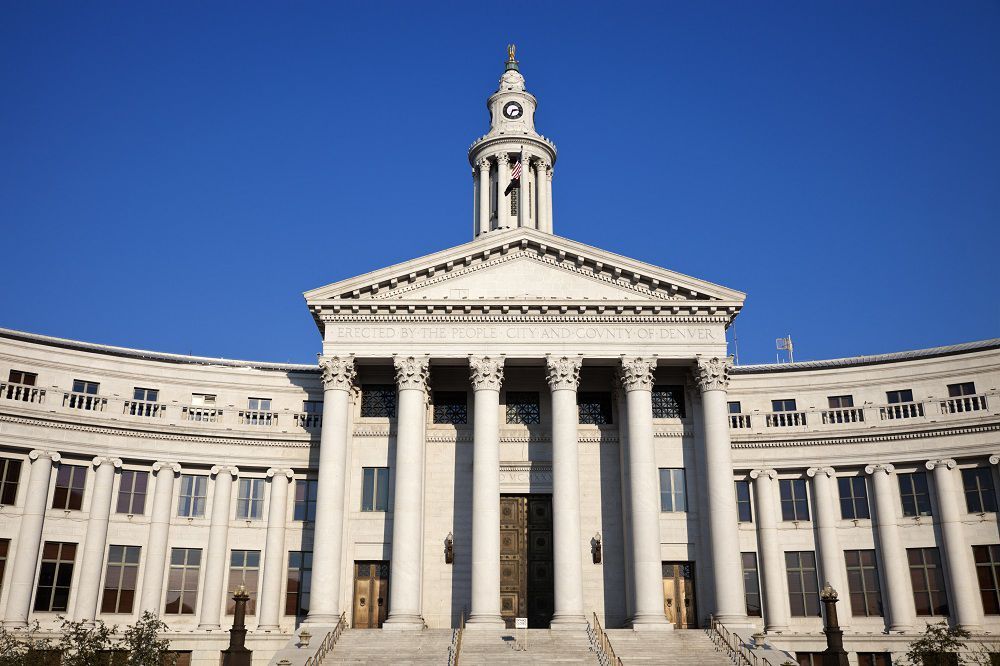
Denver judge denies Gov. Polis request to dismiss ICE-related records case
Marianne Goodland
marianne.goodland@coloradopolitics.com
Updated 3 days ago
A year after blocking the release of state records to federal immigration agents, a Denver judge has now denied Gov. Jared Polis’ effort to end the lawsuit at the center of the dispute. The lawsuit filed against the governor in...
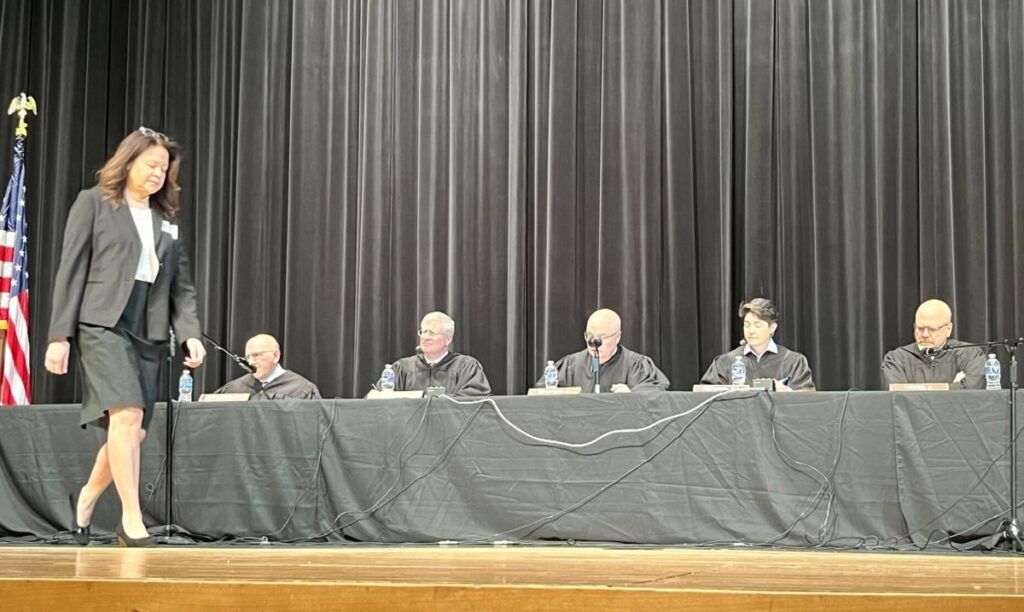
Colorado justices accept appeals on Netflix taxation, children pursuing neglect cases
Michael Karlik
michael.karlik@coloradopolitics.com
Updated 4 days ago
The Colorado Supreme Court announced on Monday that it will decide whether Netflix subscriptions are subject to the state’s sales tax as “tangible personal property.” At least three of the court’s seven members must agree to hear an appeal. The...
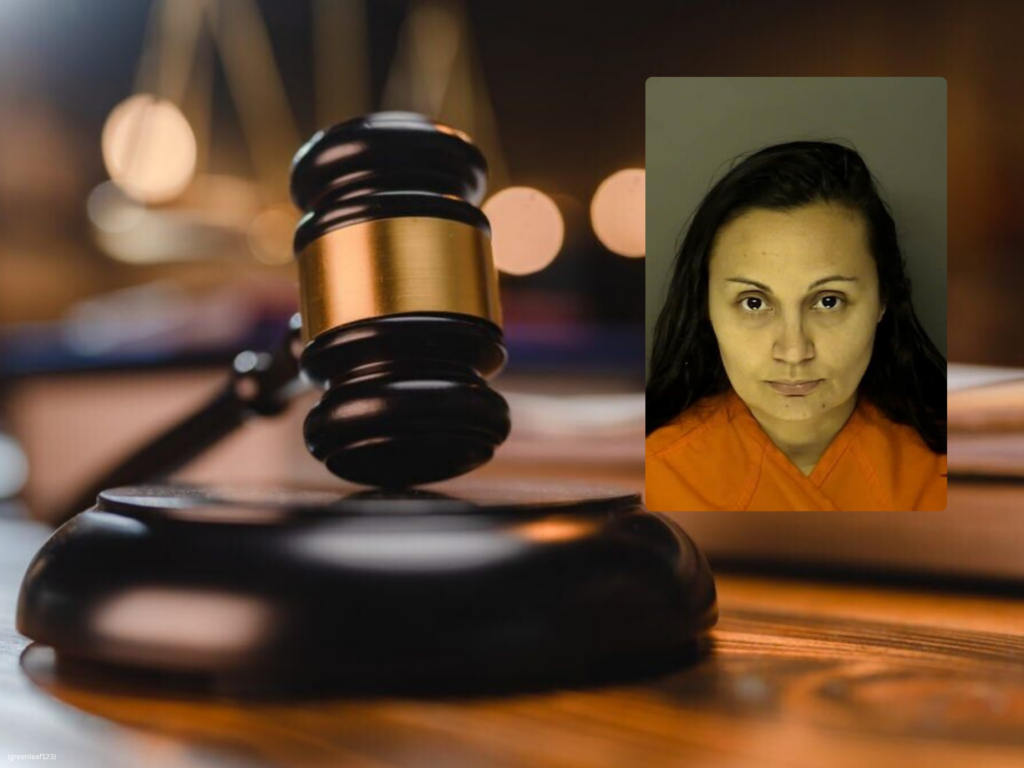
Letecia Stauch murder conviction in stepson Gannon’s death overturned by Colorado appeals court
Nick Smith
nick-smith@coloradopolitics.com
Updated 4 days ago
An El Paso County woman convicted of killing her stepson in 2020, shoving his body in a suitcase, then dumping it in Florida, is getting a new trial. The Colorado Court of Appeals published a 52-page ruling on Thursday, stating...
PREV
PREVIOUS
Colorado ski areas suffer, nobody has measured over 70 inches of total snowfall for winter 2025-26
Big changes coming as 10-15 inches of snow possible from incoming weekend storm, second snow event could double figure to start 2026 No Colorado ski area or resort has surpassed 70 inches of reported or estimated total snowfall amounts for the season heading into the last few days of 2025. However, two snow events are […]

From Pope Francis to Charlie Kirk, many deaths in 2025 had a wide impact
The death of Pope Francis brought change to the Catholic Church, which counts 1.4 billion adherents and is now led — for the first time — by an American pope. The fatal shooting of conservative activist Charlie Kirk as he spoke before a crowd horrified many and prompted somber conversations about political violence. And when […]