

Colorado Supreme Court may address ‘new form of representation’ in criminal case
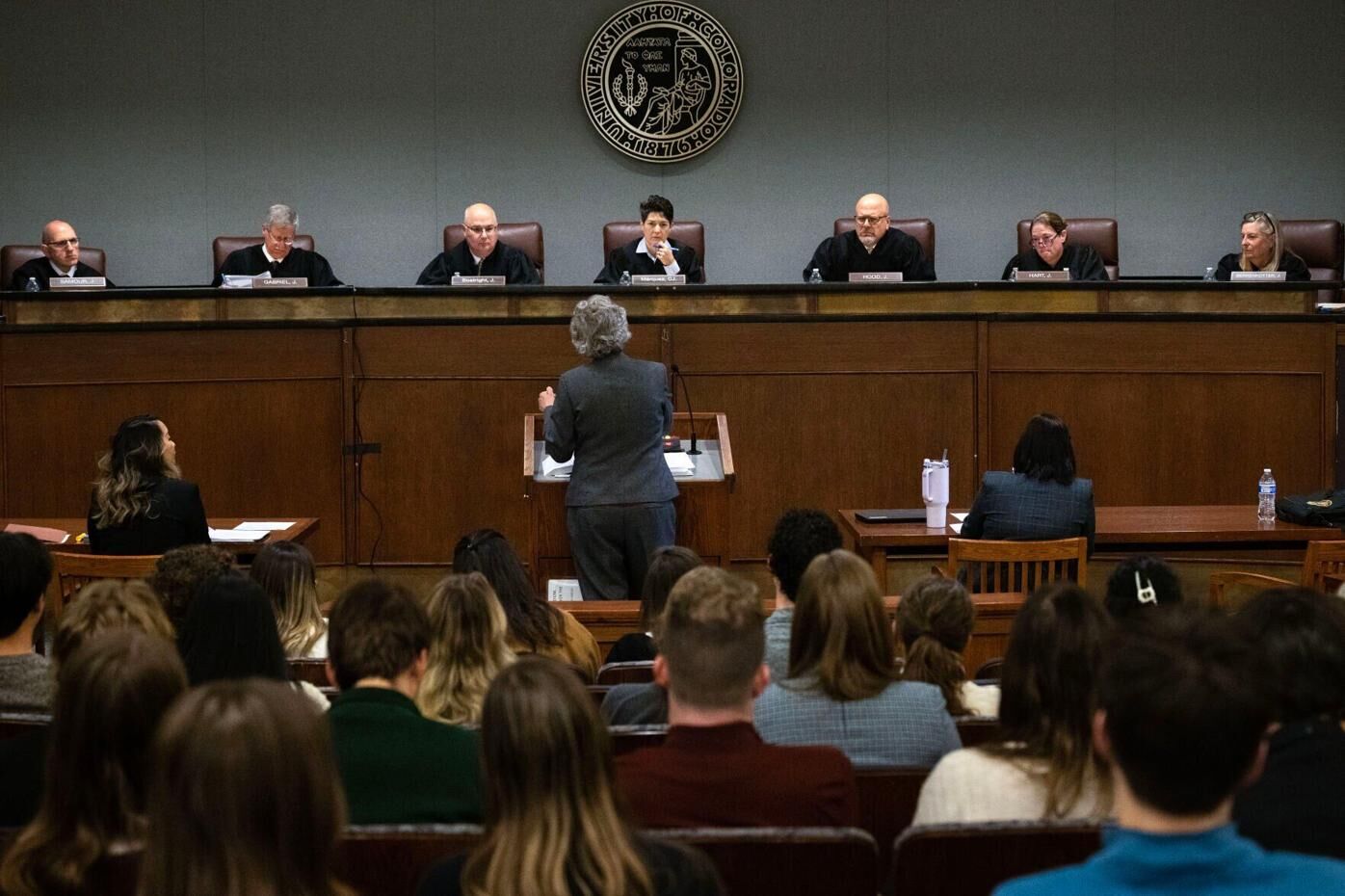
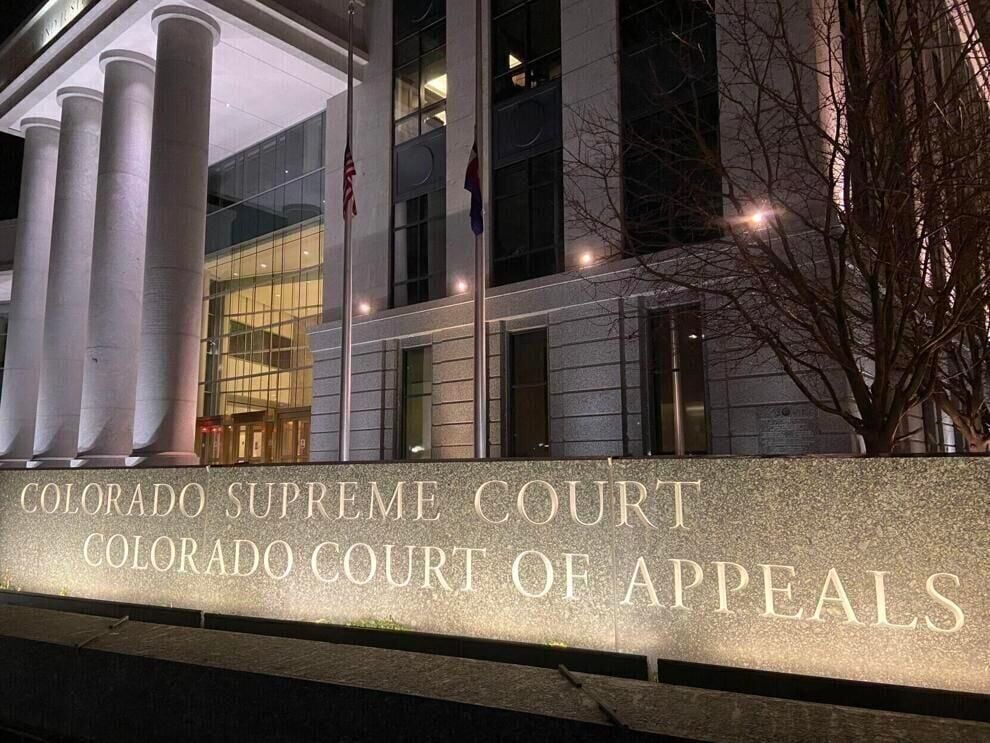
The Colorado Supreme Court signaled last week that it may get involved in an ongoing Denver criminal proceeding in which the prosecution alleges a trial judge sidestepped the clear rules for appointing defense counsel.
At least four of the court’s seven members must agree to intervene in a case outside the typical appellate process.
Clemente Roberts pleaded guilty to second-degree murder in 2019, and he is serving a 38-year prison sentence. Last month, he filed a petition for postconviction relief, alleging he received constitutionally ineffective assistance of counsel.
In contrast to direct appeals of criminal convictions, which usually allege trial- or sentencing-related errors, postconviction relief is available only for specific grounds, such as ineffective assistance of counsel or newly discovered evidence. Under the rules, a trial judge can deny a postconviction petition outright if the defendant is clearly not entitled to relief.
However, if a judge does not deny the motion, they “shall cause a complete copy of said motion” to be sent to the prosecution and, if the defendant has requested counsel, also send a complete copy to the public defender’s office. The appointed attorney may then investigate or supplement claims that have “arguable merit,” and the judge may then hold a hearing.
In Roberts’ case, privately retained lawyers submitted his postconviction motion. However, they simultaneously moved to withdraw, noting their agreement with Roberts was limited to filing the petition. They requested that a public defender be appointed to represent Roberts going forward.
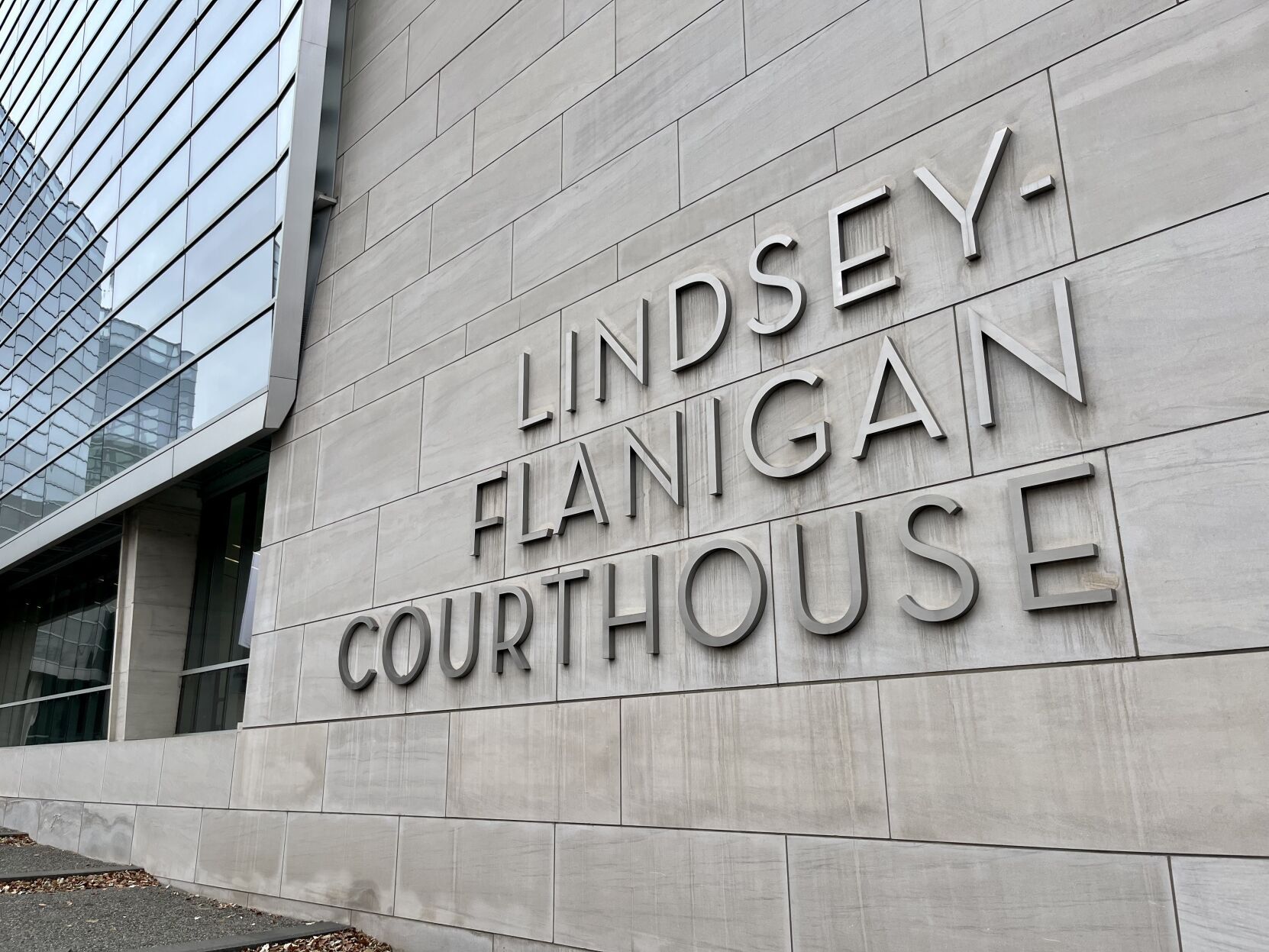
On Dec. 1, District Court Judge Alex C. Myers determined Roberts’ petition potentially had merit. He forwarded the petition to the public defender’s office to “investigate, and add any claims the Public Defender finds to have arguable merit.”
The prosecution asked him to reconsider. Although the district attorney’s office had no objection to a public defender representing Roberts in future filings or at hearings, it did not believe an appointed attorney should be permitted to add claims to those his private attorneys had already identified.
“The logic of the rule is plainly to give pro se (self-represented) defendants who have filed a meritorious petition the opportunity for professional supplementation. To hold otherwise would permit Roberts — and any postconviction petitioner with resources to hire counsel for the initial petition — to file a second set of claims at state expense,” wrote Senior Deputy District Attorney Johanna G. Coats.
Myers stood by his decision. He noted Roberts’ private attorneys had since withdrawn from the case and he “no longer has counsel.” Moreover, he found it problematic if a public defender, after performing their own investigation, could only stick to the claims Roberts’ private counsel originally advanced.
“As with every appointment of new counsel, they will be required to exercise their own independent judgment,” Myers wrote, “determine which issues they wish to pursue from those already raised, and to supplement the petition as they deem appropriate.”
The district attorney’s office then immediately turned to the Supreme Court, arguing the rules did not contemplate giving criminal defendants the opportunity for two different sets of lawyers to file postconviction claims.
“Further, if allowed to stand, the court’s order will create a new form of representation,” wrote Coats. “Defense counsel would like to create a practice in which she can represent defendants a little bit — just enough to get past summary denial — so the defendant is then entitled to file a second set of postconviction claims.”
In a Dec. 12 order, the Supreme Court directed Roberts to respond to the prosecution’s petition. Because the public defender’s office identified a conflict, Roberts is now represented by appointed attorneys through the Office of the Alternate Defense Counsel who, coincidentally, are the same attorneys who filed his original petition.
Justice Melissa Hart did not participate in the order. The Judicial Department has provided little transparency into her unusual leave of absence, which officially began on Oct. 28. Hart has not participated in three consecutive months of oral arguments and three published opinions, and her whereabouts are unclear.
The case is People v. Roberts.


Judicial agencies appear for oversight hearings, judge warns government about rejected arguments | COURT CRAWL
Michael Karlik
michael.karlik@coloradopolitics.com
Updated 7 minutes ago
Welcome to Court Crawl, Colorado Politics’ roundup of news from the third branch of government. Leaders of various judicial-related agencies appeared for oversight hearings in front of state lawmakers, plus a federal judge is cautioning the government about repeatedly raising...
Colorado justices reject defendant’s claim of race-based murder prosecution
Michael Karlik
michael.karlik@coloradopolitics.com
Updated 2 hours ago
The Colorado Supreme Court rejected a convicted defendant’s argument on Monday that Arapahoe County prosecutors unconstitutionally singled out him and another Black teenager for murder prosecutions as adults, while offering lenient plea deals to their two non-Black co-defendants. Lloyd Chavez...
Colorado justices reject defendant’s claim of race-based murder prosecution
Michael Karlik
michael.karlik@coloradopolitics.com
Updated 2 hours ago
The Colorado Supreme Court rejected a convicted defendant’s argument on Monday that Arapahoe County prosecutors unconstitutionally singled out him and another Black teenager for murder prosecutions as adults, while offering lenient plea deals to their two non-Black co-defendants. Lloyd Chavez...
Colorado justices find portion of anti-SLAPP law unconstitutional
Michael Karlik
michael.karlik@coloradopolitics.com
Updated 5 hours ago
The Colorado Supreme Court ruled on Monday that a 2019 law designed to protect the exercise of First Amendment rights conflicts with the state constitution in certain scenarios involving appeals from county courts. Known as the “anti-SLAPP” law, which stands for...

Federal judge green-lights excessive force trial against Fort Collins officers
Michael Karlik
michael.karlik@coloradopolitics.com
Updated 3 days ago
A federal judge concluded last week that a jury will need to resolve whether two Fort Collins police officers violated a man’s constitutional rights by using excessive force after he refused to accept a citation. In a Jan. 21 order,...

Federal judge declines to dismiss strike-breaking nurses’ lawsuit over wage violations
Michael Karlik
michael.karlik@coloradopolitics.com
Updated 3 days ago
A federal judge last week declined to dismiss 39 nursing employees’ claims for compensation against a Greenwood Village-based company for its alleged violations of state and federal law. U.S. Nursing Corporation employs health care professionals to cross the picket lines...
Appeals judge argues prior decision on defendant’s ‘3-strikes’ sentence was wrong
Michael Karlik
michael.karlik@coloradopolitics.com
Updated 3 days ago
A member of Colorado’s second-highest court argued on Thursday that a defendant stands wrongfully sentenced under the state’s “three-strikes” law, and an earlier appellate decision saying otherwise was incorrect. A three-judge Court of Appeals panel agreed that Kiki Lamount Douglas’...

DA touts accomplishments from first year in office but she also faced backlash
Kyla Pearce
kyla.pearce@gazette.com
Updated 3 days ago
District Attorney Amy Padden celebrated one year in office this week by touting her accomplishments, major convictions and “increased accountability” in a news release. Padden, who was elected in 2024 and took the helm of the 18th Judicial District office...

Appeals court overturns convictions after Douglas County judge let biased juror serve
Michael Karlik
michael.karlik@coloradopolitics.com
Updated 4 days ago
Colorado’s second-highest court reversed a defendant’s robbery-related convictions and 18-year prison sentence on Thursday because a Douglas County judge allowed a biased juror to serve. During Ahmarion Kaliel Shead’s trial in January 2023, one juror, identified as “J.H.,” indicated on...

Federal judge blocks USDA ‘pilot project’ affecting Colorado food assistance
Michael Karlik
michael.karlik@coloradopolitics.com
Updated 5 days ago
A federal judge blocked the U.S. Department of Agriculture on Wednesday from proceeding further with a “pilot project” that would require five Colorado counties to rapidly recertify more than 100,000 households for food assistance. In a brief ruling from the...
PREV
PREVIOUS

Crank challenger Jessica Killin racks up endorsements from all of Colorado’s congressional Democrats
U.S. Sen. John Hickenlooper has endorsed fellow Democrat Jessica Killin’s bid to oust Republican U.S. Rep. Jeff Crank in Colorado’s 5th Congressional District, giving the first-time candidate a clean sweep of support from the state’s six-member Democratic delegation. Killin, an Army veteran and former chief of staff to second gentleman Doug Emhoff, is one of […]

Justice Melissa Hart to step down from Colorado Supreme Court
Justice Melissa Hart will step down from the Colorado Supreme Court effective Jan. 5, the Judicial Department announced unexpectedly on Friday. Hart has been on an unexplained and unusual leave of absence from the court since Oct. 28. She told Colorado Politics in November that the leave was for “family and personal health reasons” but provided no […]