

Beef industry takes another blow with Nebraska plant closure | GABEL
Black Swan is apparently on the menu this holiday season for people across the cattle and beef value chains. Last week, Tyson announced the closure of a processing plant in Lexington, Nebraska. This plant processes about 5,000 head of cattle daily and employs more than 3,200 people. In a town like Lexington, this closure realistically directly affects up to nearly half of the population as employees or their families.
The facility is a large campus that, prior to processing beef, was a New Holland combine plant. Patton said the infrastructure is in place for a number of different types of industry and he hopes Tyson will show a “shred of community compassion” and not allow the facility to merely sit idle.
The work force that has shown up for multiple shifts every day to do the unseen work of breaking carcasses down into saleable cuts is in high demand. Sustainable Beef, JBS, Gibbon Packing, and even Butterball have worked to schedule interviews and job fairs to scoop up the displaced workers. Nebraska Gov. Jim Pillen has touted the resilience of the state’s cattle industry and appears to be supportive of emerging opportunities to reorganize and boost capacity at other plants in the state. None of this is good news for Lexington though.
These are, of course, the same workers who shouldered COVID and the crazy effect that had on the packing industry. Line speeds were decreased, worker absences were abundant and panic purchasing (and a shortage of grocery workers) left many shelves empty. There’s no shortage of criticism cast on the packing industry, but it is a well-oiled machine producing traceable, safe protein as an art. That is due in great part to the men and women who show up every shift, don their hard hats and white coats, and perfectly carve consistently cut pieces of retail beef from carcasses. They are incredibly talented, skilled workers and any doubt about the skill packing requires should be silenced after witnessing the annual carving of a turkey last week. The towns supported by meat packing, like Lexington, Greeley, Fort Morgan and others are diverse because there are quite literally nearly 20 languages spoken in many plants.
Of course, this will also deeply affect the cattle industry. The Lexington plant, to the best of my understanding, processes primarily beef for export. There’s plenty of competition for the high-quality northern cattle in Nebraska and surrounding states, including Colorado, between JBS, Cargill and a smattering of mid-sized processors including Sustainable Beef, which I wrote about a few weeks ago. The closure of the southern border has, to no one’s surprise, lowered the supply of beef and with the demand steady and consistent, cattle producers received record high prices. Until they didn’t.
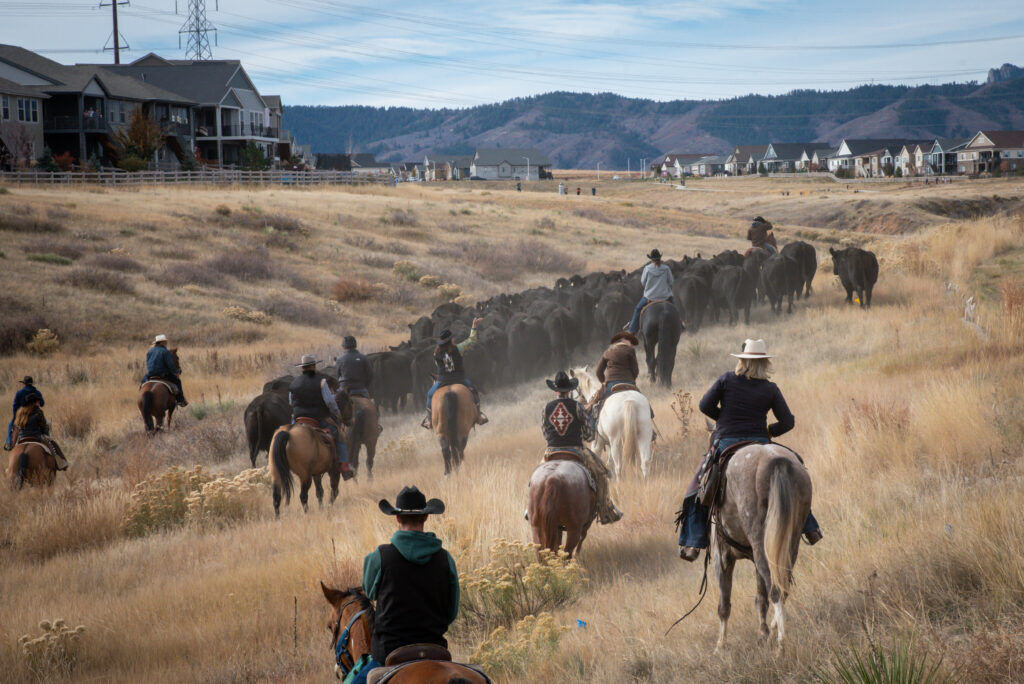
We were hauling fresh weaned calves home the day my friends in agriculture news reported President Donald Trump’s intention — or at least comments about — importing Argentinian beef. The price for the calves on our trailers was dropping by the mile. We’re lucky though that we’re nimble enough to feed the calves and retain them until prices improve, which we are.
Then, Trump announced a Department of Justice investigation into the Big Four packers. Timing is a booger, and the president again missed the mark. Investigate them if you must, otherwise, let them do their jobs because the cattle and beef producers and consumers depend upon them.
Going into 2024, ag economists were bemoaning the low numbers of the nation’s cow herd and advising the U.S. would have to import ground beef to meet supply until cow herd numbers could rebound, a process that isn’t fast. This year, aging producers have chosen to sell heifers rather than retain them. Calving first calf heifers is similar to herding cats or supervising an all-night rave with hopped up 13-year-old girls. It’s labor intensive and emotionally, physically and mentally exhausting… for the cattle producers, too. It’s truly a young guy’s game and one many aging cattle producers aren’t eager to play when they can sell those heifers for high prices. That certainly slows the herd rebuilding. At day’s end, a closure notice that resembles a Dear John letter scrawled on a mirror in red lipstick is far less than these workers, their families and the communities they are a part of deserve. There isn’t a business or industry in Lexington, Nebraska, that will go unscathed by this closure, especially announced a week before Thanksgiving. Windows of homes will remain dark, gifts will go unpurchased, inventory will go untouched in a plethora of businesses, and in January when kids return to school, there will be no more powerful picture of the effect of this decision than the little desks and chairs sitting empty.
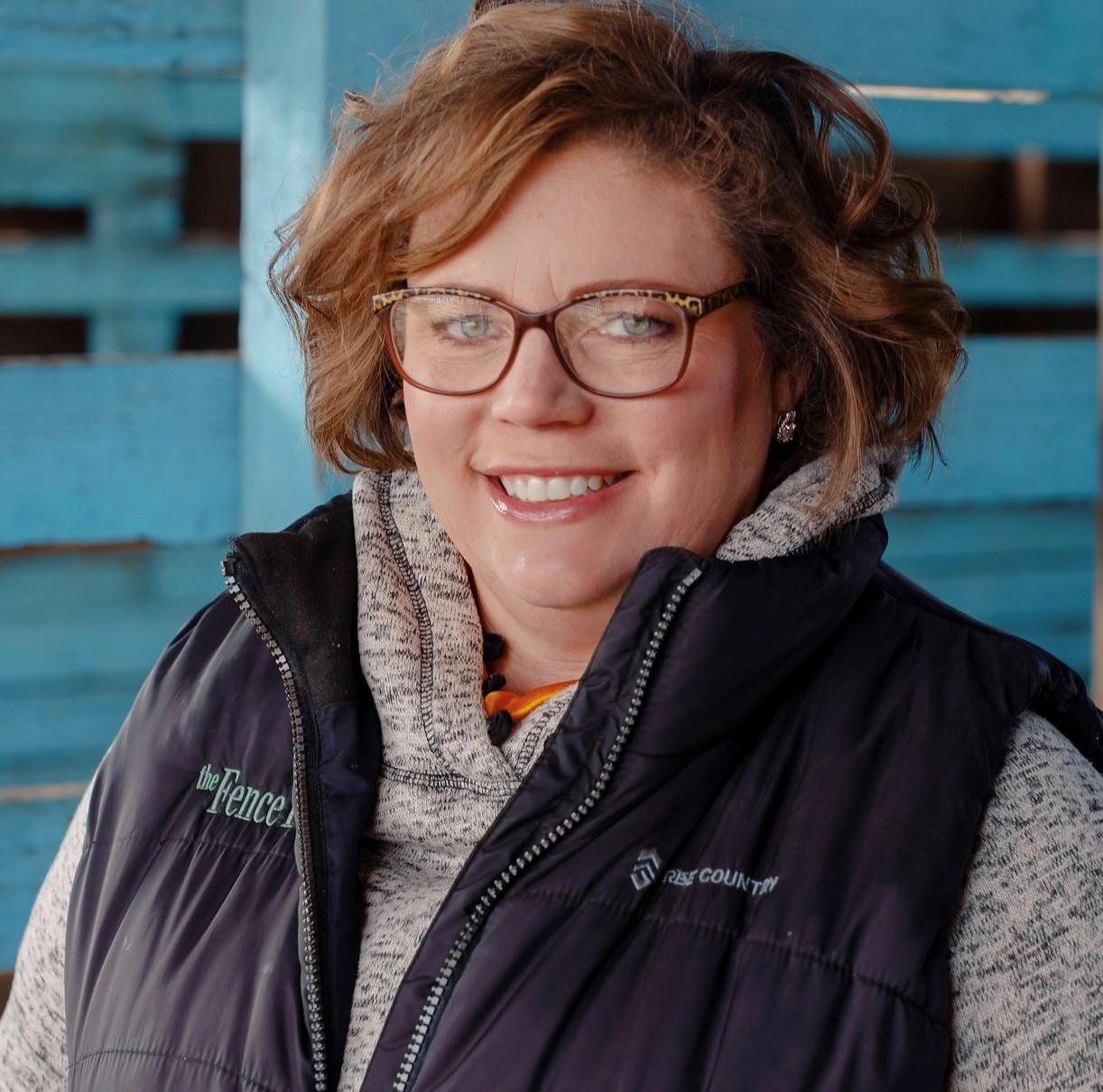
Rachel Gabel writes about agriculture and rural issues. She is assistant editor of The Fence Post Magazine, the region’s preeminent agriculture publication.


Colorado is shrinking — time for our elected officials to take notice | Jon Caldara
Jon Caldara
jon-caldara@coloradopolitics.com
Updated 2 days ago
By Jon Caldara Something strange is happening in Colorado — strange enough that the political class should notice. People are leaving Colorado. After years of being one of the fastest-growing states in the nation, net in-migration has stopped and may...

National Western Junior Livestock Auction sets record
Marianne Goodland
marianne.goodland@coloradopolitics.com
Updated 17 hours ago
The 120th National Western Stock Show, which closes Sunday, saw a standing-room only crowd in the CoBank auction arena at the new Sue Anschutz-Rodgers Livestock Center. Bidders set a record Friday for the top eight livestock – steers, lambs, goats...

Capitol M: Return to Gold Dome High, 2026 edition, and a salute to old IU
Marianne Goodland
marianne.goodland@coloradopolitics.com
Updated 3 days ago
Welcome back, campers! The 2026 legislative session is upon the good citizens of Colorado, and for a few, the first Monday of the session, Jan. 19, was pretty special. There are at least four folks in the Capitol who are...

Report: Colorado government has grown beyond TABOR’s limits
Marissa Ventrelli
marissa.ventrelli@coloradopolitics.com
Updated 1 day ago
Colorado’s government has grown substantially over the past three decades beyond the limits that voters approved to restrain that expansion, according to a new report from a think tank. The analysis from the Independence Institute, which examines state spending, revenue...
The ramifications of President Trump’s pursuit of Greenland | Kelly Sloan
Kelly Sloan
kelly-sloan@coloradopolitics.com
Updated 2 days ago
President Donald Trump has evidently stepped back from his threatened fantasy of invading Greenland — the sovereign territory of a U.S. ally — to which many a sigh of relief has been expressed, including by the markets. There was next...
Rep. Ron Weinberg won’t seek reelection
Marianne Goodland
marianne.goodland@coloradopolitics.com
Updated 2 days ago
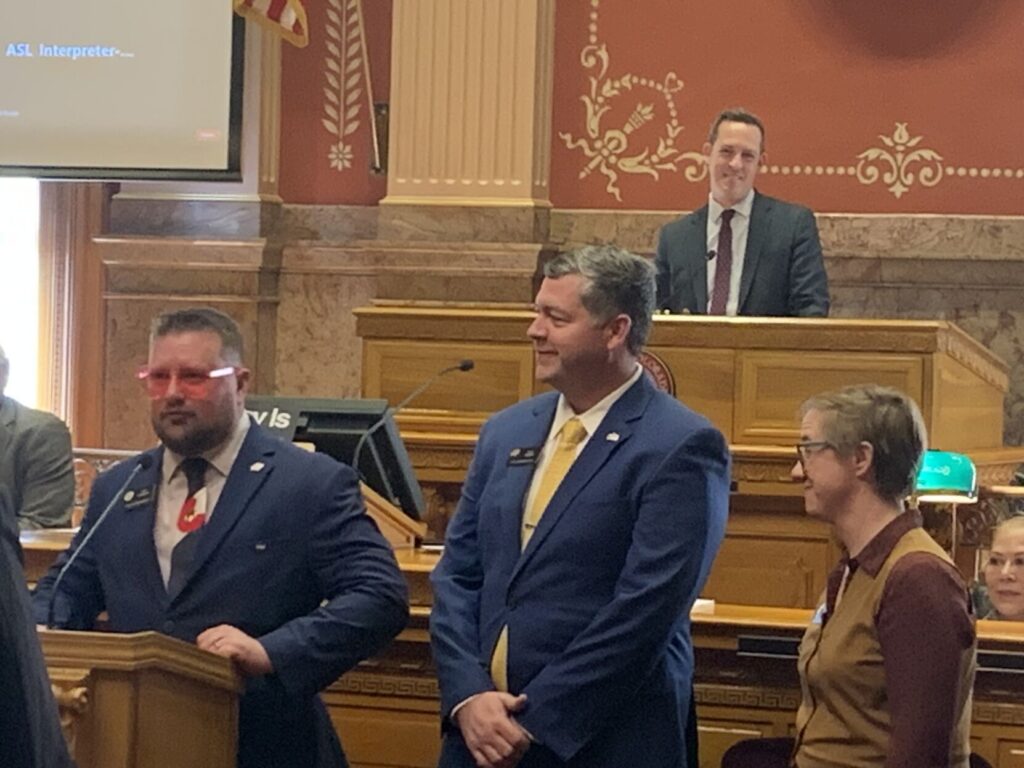
Republican Rep. Ron Weinberg of Loveland announced on Thursday evening that he will not seek another term in the Colorado House. “Serving this community has been one of the greatest honors of my life,” the two-term state representative said on...

Colorado title board OKs ballot measures to eliminate flat income tax in favor of graduated brackets
Marianne Goodland
marianne.goodland@coloradopolitics.com
Updated 1 day ago
Proponents hoping to change Colorado’s income tax structure from a flat rate to graduated tiers — thereby raising taxes for some brackets — walked away from a Wednesday meeting with eight ballot measures approved by the title board. The coalition...
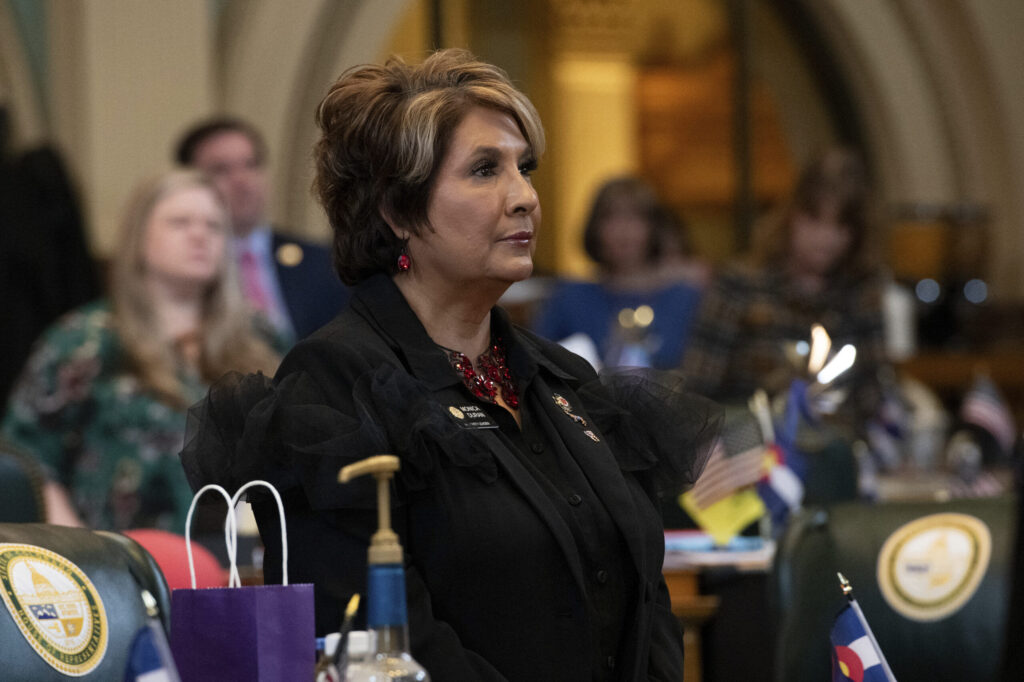
Colorado lawmakers want officers to conduct ‘lethality assessments’ when responding to domestic violence calls
Marissa Ventrelli
marissa.ventrelli@coloradopolitics.com
Updated 2 days ago
A bipartisan group of lawmakers is hoping to reduce to Colorado’s rising domestic violence fatalities through a bill that would require law enforcement agencies around the state to conduct “lethality assessments” on domestic violence victims. In early December of last...

Colorado Joint Budget Committee rejects DOC’s $2.4M request for more beds
Marissa Ventrelli
marissa.ventrelli@coloradopolitics.com
Updated 3 days ago
The state’s Joint Budget Committee voted on Wednesday to deny the Department of Corrections’ $2.4 million request for additional prison beds, citing the department’s lack of a plan to address its ongoing overcrowding problems. In September, the committee approved the...

Colorado attorney general invites public to report ICE ‘misconduct’
Marissa Ventrelli
marissa.ventrelli@coloradopolitics.com
Updated 2 days ago
Colorado Attorney General Phil Weiser has launched a new online mechanism that allows Colorado residents to report “misconduct” by federal immigration agents, his office announced on Wednesday. “Nobody is above the rule of law, including federal agents such as ICE...
PREV
PREVIOUS

PERA to Pinnacol: $302 million, please
The Public Employees’ Retirement Association has come up with a number for Pinnacol Assurance, the state’s largest workers’ compensation insurer of last resort, to buy out its employees and retirees’ share of PERA’s pension. Pinnacol, with the support of Gov. Jared Polis, is hoping to privatize, a deal that would bring $400 million into state […]

Trump's menacing military moves wearing thin with voters | HUDSON
When I reported to my initial assignment following Naval Officer Candidate School, my commanding officer asked me somewhat jovially, “You know why the Navy sends me Ensigns don’t you Mr. Hudson?” Puzzled, I replied, “No, Sir.” Still grinning, he explained, “If anyone screws up here, I’ll need someone we can court-martial.” U.S. Navy discipline has […]