

Man deported three times arrested by Aurora police in I-225 shooting
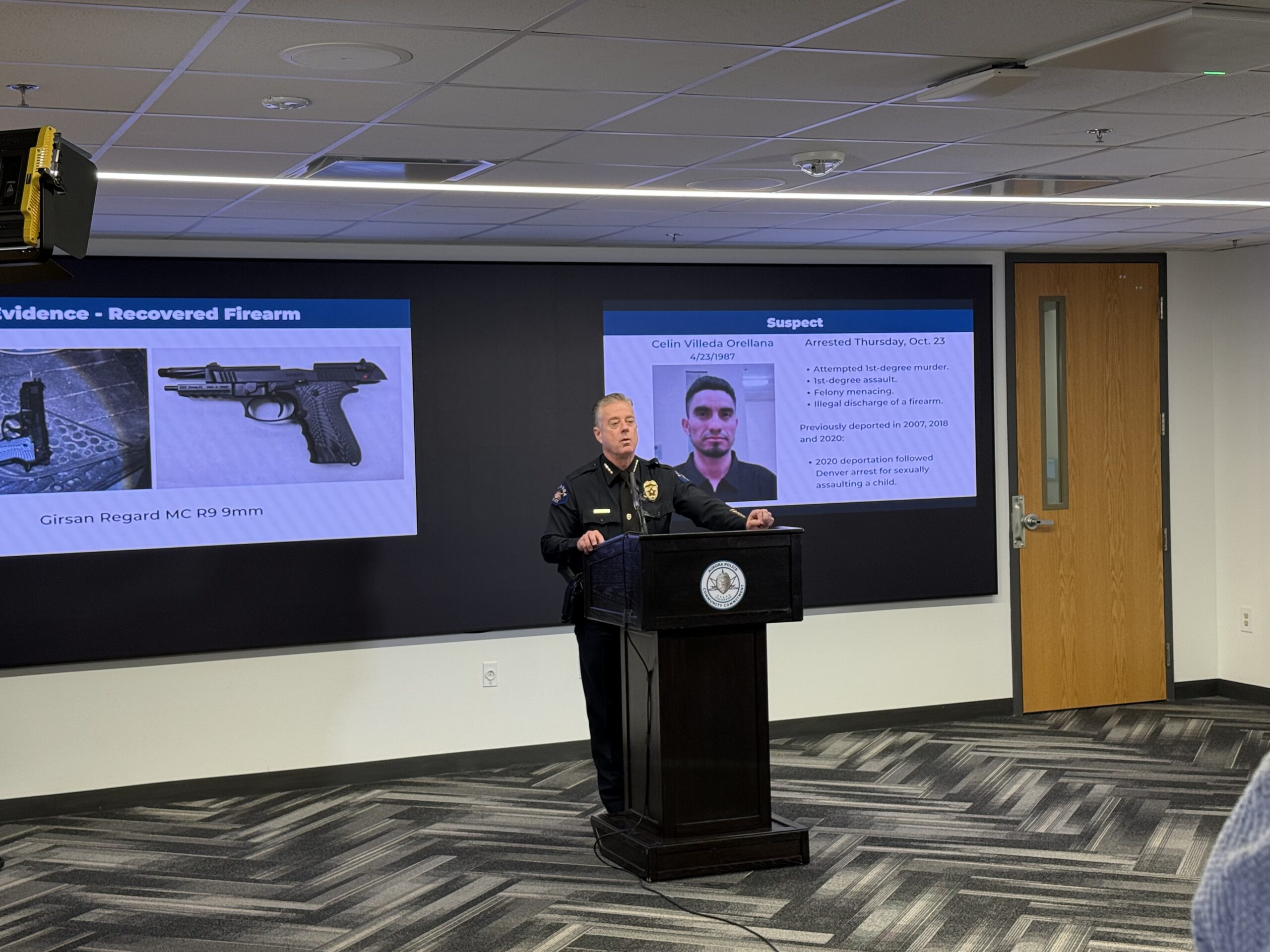
Aurora police officers arrested a suspect in connection with a shooting on I-225 last weekend in what officials described as a case in which camera technology and cooperation with federal immigration agents played a major role.
The case also illustrated the stark differences between the cities of Denver and Aurora in how they approach the use of surveillance videos and working with U.S. Immigration and Customs Enforcement.
Police on Thursday apprehended Celin Villeda Orellana, 38, on charges of attempted first-degree murder, first-degree assault, menacing and illegal discharge of a firearm, all felonies, according to Acting Assistant Chief Mark Hildebrand in a news conference on Friday.
Orellana has been deported three times since 2007.
The arrest happened during a traffic stop near the intersection of 11th Avenue and Havana Street in Aurora.
Police officials discovered that Orellana, a Honduran national who has been living in the U.S. illegally, was making plans to flee the country, police said. He was taken into ICE custody.
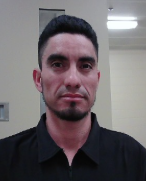
Orellana has been deported three times before, most recently after being arrested for sexual assault on a child in 2020.
The shooting happened just after 1 a.m. Saturday, when Aurora Police Department officers responded to reports of a single-vehicle crash on I-225 near East 6th Avenue.
The car’s driver — the victim — suffered from multiple gunshot wounds that led to the crash, Hilderbrand said. He was taken to the hospital with life-threatening injuries.
Police used Flock Safety cameras with license plate readers to find the suspect’s vehicle. The police determined it belonged to Orellana, who had been following the victim throughout the day, Hildebrand said.
Orellana and the victim knew each other through a woman, Chief Todd Chamberlain said Friday. Chamberlain could not clarify what the relationship between the three parties was.
The Flock technology helped officers hold Orellana accountable, Hildebrand and Chamberlain said.
The case demonstrated the importance of modern technology for solving crime, Chamberlain said.
“Without this technology, we would not have been able to get a quick resolution in this case,” Hildebrand said.
In neighboring Denver, critics, including the ACLU and some members of the City Council, have pushed back on the city’s use of Flock technology, citing overreach and alleging misuse of the imagery and data captured. Notably, critics claimed that Flock shares data with federal immigration authorities, and, in response, the Denver City Council rejected a two-year contract extension with the company.
Supporters, meanwhile, said police agencies have begun to look to the technology to help fill critical gaps and clear cases, often referring to the camera system as a “force multiplier,” a military term that refers to a resource that enhances a unit’s combat power beyond what its raw troop numbers and capacities may suggest.
Denver Mayor Mike Johnston announced on Wednesday that his administration would be extending its contract with the Atlanta-based technology company. That extension would come at no cost to the city, the Johnston administration announced. Under the extension, the camera security company must abide by several stipulations, notably the prohibition against sharing its data with federal authorities.
Orellana, the suspect in Aurora, was deported in 2007, 2018 and 2020, when he was arrested in Denver on child sexual assault charges involving a victim under 15.
“That driver could’ve easily gone into other cars, could’ve easily killed other people, could’ve easily killed you,” Chamberlain said. “This individual, without question, represents a proven, violent offender who has repeatedly unfortunately, reentered this country despite multiple removals.”
Chamberlain said the department’s collaboration with the U.S. Immigration and Customs Enforcement was “pivotal” in the case.
“The Aurora Police Department does not focus on immigration, as all municipal law enforcement agencies do not, but we do focus on people who victimize others,” Chamberlain said. “Having these partnerships (with federal partners like ICE) is what made the difference in this case. It’s not about immigration, it’s about crime.”
Formal charges will be filed by the 18th Judicial District Attorney’s Office, authorities said.
Anyone with information is asked to contact Metro Denver Crime Stoppers at 720-913-7867.


‘CoCo’ would take taxpayers for a ride | John Caldara
Jon Caldara
jon-caldara@coloradopolitics.com
Updated 3 days ago
Colorado wants taxpayers to spend another $4.73 billion on passenger rail. Don’t worry. They have a plan. Which is a little like your brother-in-law announcing he’s launching another exciting restaurant venture after his last three restaurants ended in bankruptcy. Please....

Colorado Politics Calendar July 27-Aug. 2
Rachael Wright, Special to Colorado Politics
rachael.wright@coloradopolitics.com
Updated 5 days ago
CoPo’s weekly political calendar will help you find political and public-policy events throughout Colorado. It includes candidate and issue campaign events, public policy meetings, court hearings, state and local party conventions, assemblies, debates, rallies, parades, speaking engagements, traveling dignitary appearances,...

Armstrong staffer considers congressional bid, DeGette angers rural communities with wilderness act | A LOOK BACK
Rachael Wright, Special to Colorado Politics
rachael.wright@coloradopolitics.com
Updated 3 days ago
Forty-five years ago this week: If the lines were drawn just right, Republican Sen. Bill Armstrong stood the chance of losing his office manager, Ruth Fountain. Fountain admitted she was seriously thinking about running for Colorado’s new congressional seat in...

Colorado districts prepare for school year amid mental health cuts. But will less cellphone distractions help?
Marissa Ventrelli
marissa.ventrelli@coloradopolitics.com
Updated 3 days ago
The signs of a new school year are everywhere — buses in the shop, teachers unpacking boxes, families ticking through supply lists — but behind the familiar rituals, Colorado districts are preparing for a year defined less by routine than...

The through line from Donald Trump to Victor Marx | SONDERMANN
By Eric Sondermann
by-eric-sondermann@coloradopolitics.com
Updated 5 days ago
Over 10 years ago, before Donald Trump could ever defeat Hillary Rodham Clinton, he had to first engineer a hostile takeover of the Republican Party. Prior to his descent of that golden escalator, the previous seven Republican presidential nominees had...
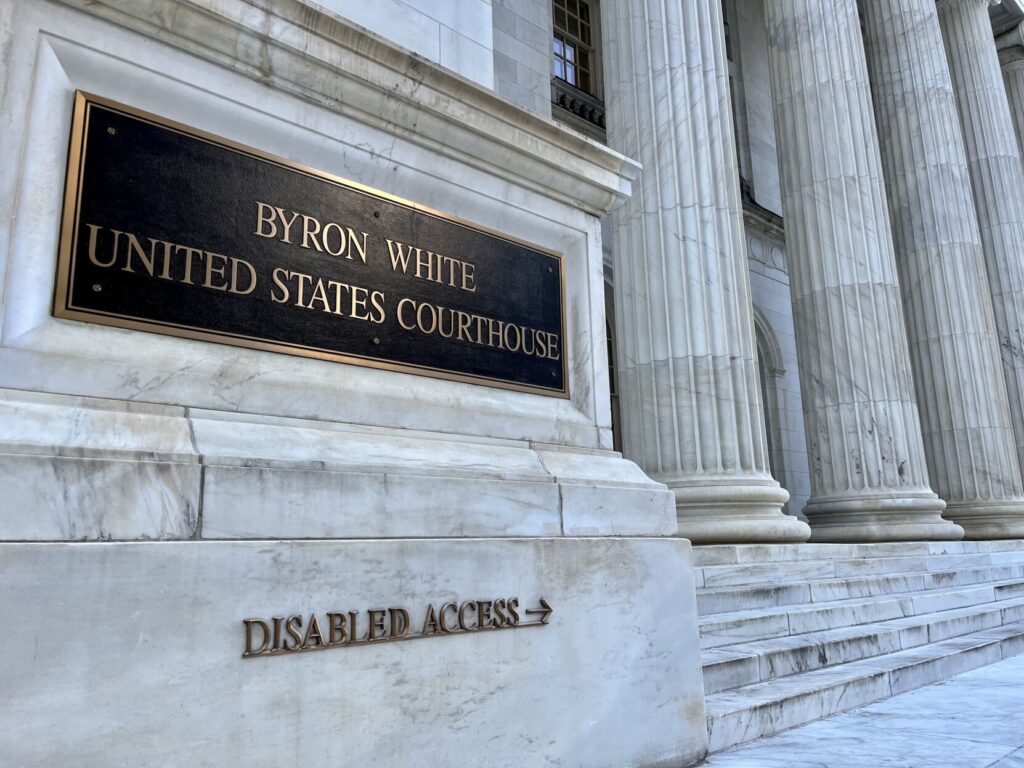
10th Circuit dismisses woman’s lawsuit following 10-year attempt to undo restraining order
Michael Karlik
michael.karlik@coloradopolitics.com
Updated 2 days ago
The Denver-based federal appeals court rejected a woman’s challenge on Friday to a restraining order imposed on her more than a decade ago, finding that she cannot credibly claim she will be prosecuted for violating the restraining order through her...
10th Circuit dismisses woman’s lawsuit following 10-year attempt to undo restraining order
Michael Karlik
michael.karlik@coloradopolitics.com
Updated 2 days ago
The Denver-based federal appeals court rejected a woman’s challenge on Friday to a restraining order imposed on her more than a decade ago, finding that she cannot credibly claim she will be prosecuted for violating the restraining order through her...
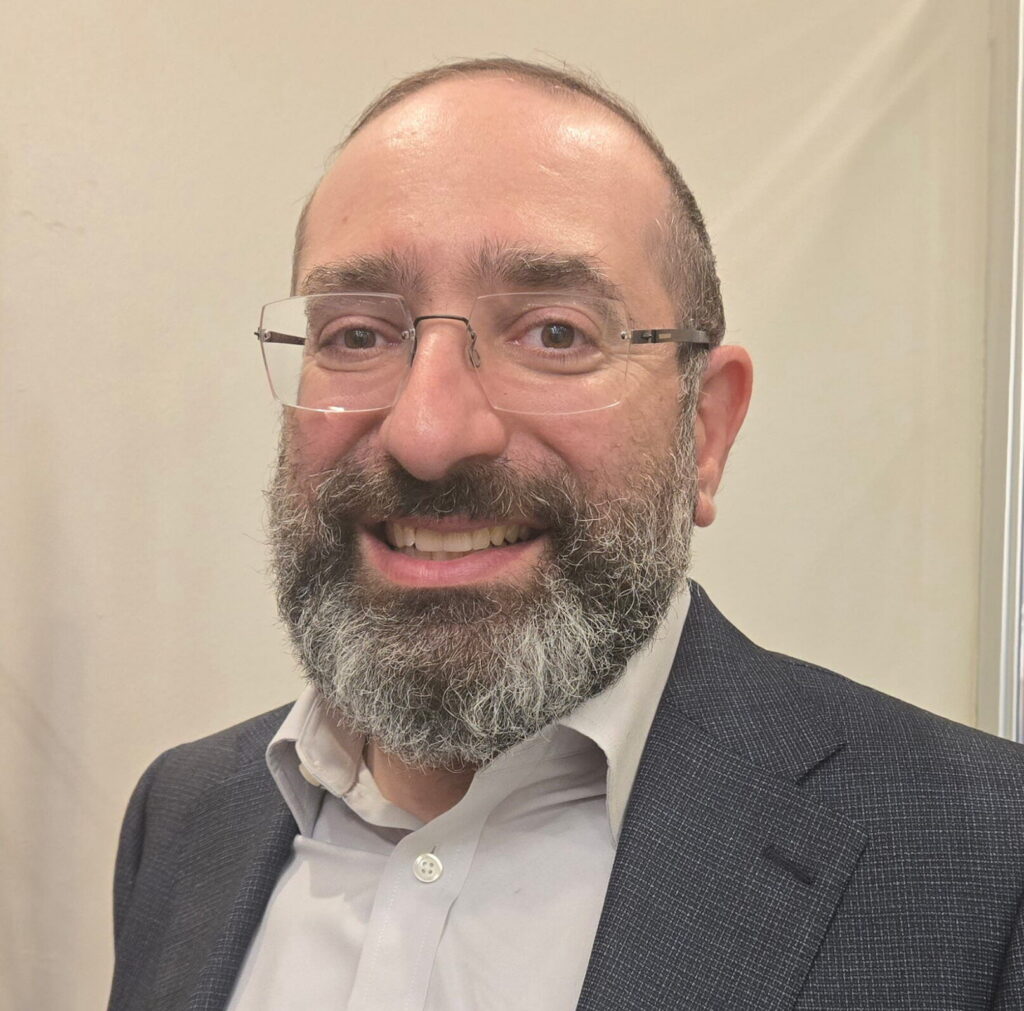
Surprise candidate Shimon Blau cleared to face off against Melat Kiros in November
Ernest Luning
ernest.luning@coloradopolitics.com
Updated 2 days ago
Unaffiliated congressional candidate Shimon Blau, a Denver doctor, has qualified by petition for the general election in Colorado’s 1st District, where Democrat Melat Kiros defeated 15-term U.S. Rep. Diana DeGette in last month’s primary, the Colorado Secretary of State’s Office...
Colorado produce not tied to nationwide cyclospora outbreak, agriculture officials say
Marissa Ventrelli
marissa.ventrelli@coloradopolitics.com
Updated 2 days ago
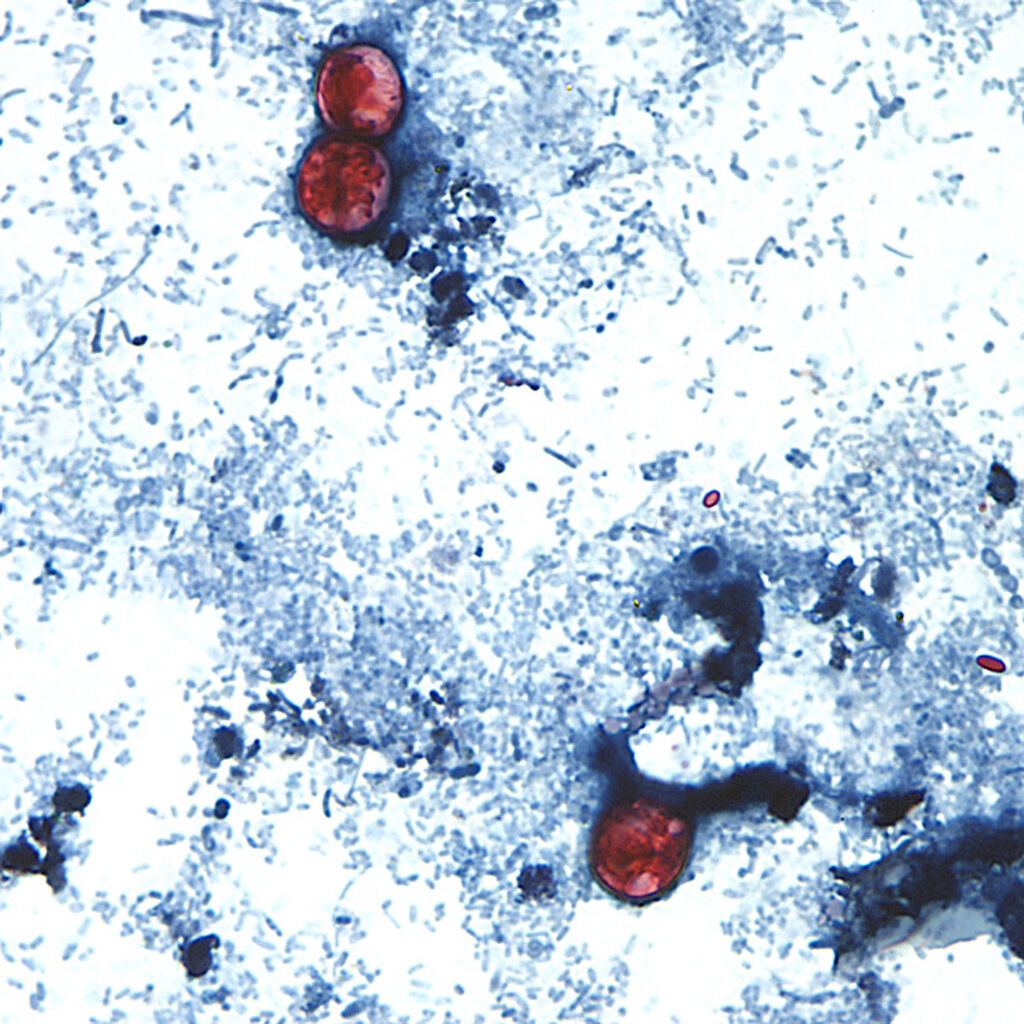
There is no indication that the recent outbreak of cyclospora, a fecal parasite that has contaminated food and water across nearly every state, can be linked to produce grown in Colorado, according to the state’s Department of Agriculture. “Colorado growers...

UNC opens College of Osteopathic Medicine
Marissa Ventrelli
marissa.ventrelli@coloradopolitics.com
Updated 2 days ago
The University of Northern Colorado held a grand opening for its new College of Osteopathic Medicine on Friday, with Gov. Jared Polis in attendance to celebrate the culmination of a two-year, $127.5 million project. The project was funded through legislation...