

Colorado justices accept restitution appeal, agree to sort out confusion from prior ruling

The Colorado Supreme Court announced on Monday that it will hear yet another case about crime victim restitution and will also address a problem created by one of its prior decisions that restricted how convicted defendants can take advantage of favorable law changes on appeal.
At least three of the court’s seven members must agree to take up an appeal.
As part of sentencing in Colorado, judges must consider whether defendants owe financial restitution to their victims. If so, prosecutors generally need to provide the requested amount by the time of sentencing or within 91 days of sentencing. Judges must also impose the restitution amount within 91 days of sentencing. If judges need to extend either deadline, they must find extenuating circumstances or good cause.
In People v. Weeks, the Supreme Court ruled in November 2021 that judges’ historical process of awarding compensation to crime victims did not comply with Colorado law. The justices noted a lackadaisical approach had taken hold in the trial courts that neglected the clear deadlines and procedural requirements. Consequently, if judges fail to follow the law, they lose authority to issue a restitution order.
Earlier this year, the Supreme Court released a package of decisions that clarified whether automatic reversal was truly required under a range of scenarios in which judges ordered restitution beyond 91 days without finding good cause. At the same time, another issue has been lurking in the Court of Appeals: What happens if prosecutors are the ones who do not live up to their obligation under Weeks?
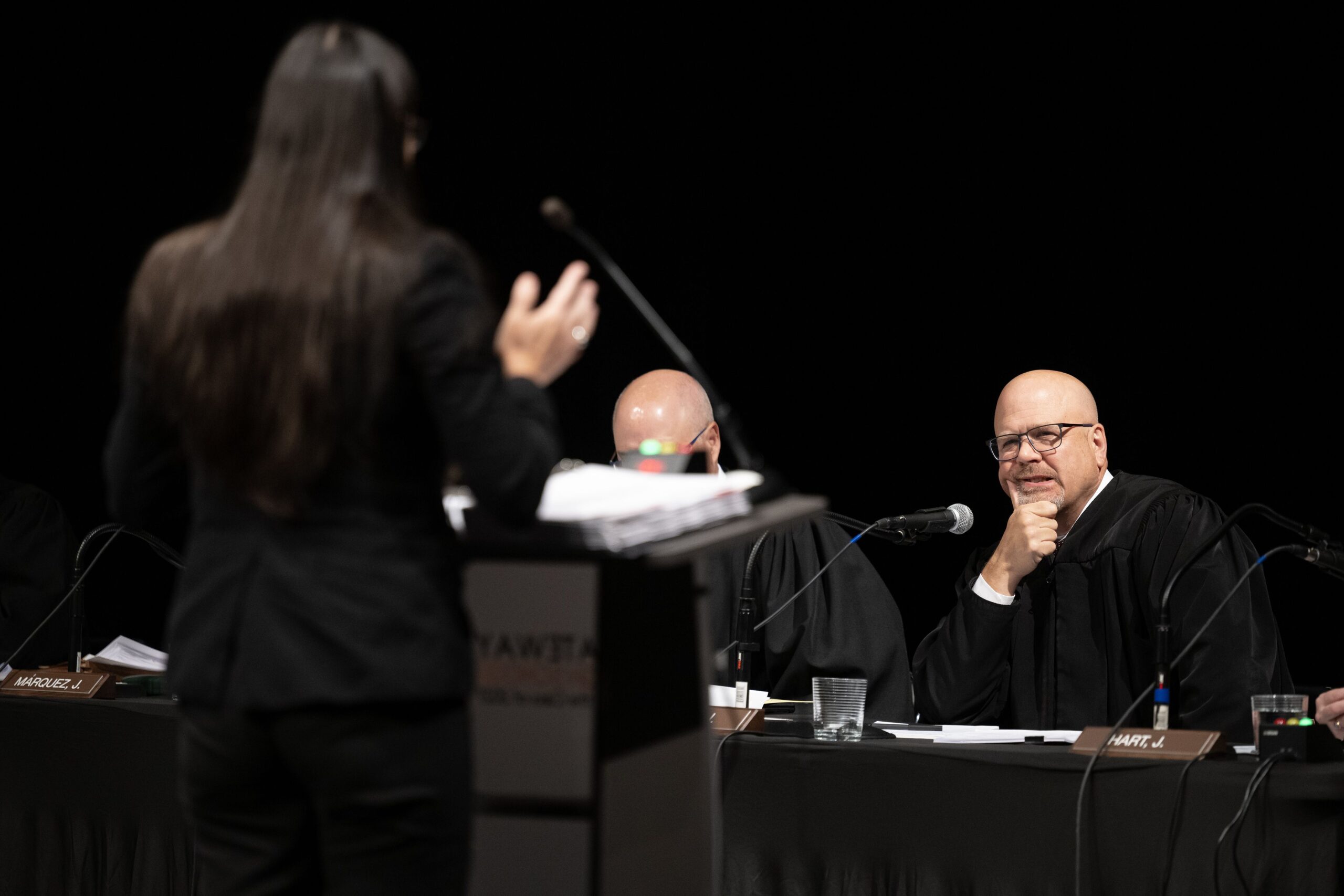
Robert J. Solano pleaded guilty to assault and was sentenced on Jan. 31, 2022. The prosecutor read a statement from the victim about her injuries. Then the prosecutor said they were “asking to reserve restitution. I am anticipating there being restitution. The reason I didn’t file a number today is because it’s occurring.”
A week later, the prosecution filed its restitution motion in the amount of $4,694.36. Attached documentation showed payments made to medical providers for the victim’s treatment between October 2021 and Jan. 31, 2022 — the day of Solano’s sentencing. A Denver judge wound up granting the prosecution’s request within the 91-day deadline.
On appeal, a three-judge panel disagreed that the prosecution violated the crime victim restitution law by neglecting to present its restitution request at the time of sentencing. The prosecutor’s statement about restitution — “it’s occurring” — was “vague,” conceded Judge Jerry N. Jones. But the documentation showed victim-related payments were still happening on that day.
“Further, even if the prosecution should have made a specific request at sentencing for a partial amount of restitution, we conclude that any error in that regard was harmless,” continued Jones, because the trial judge wound up ordering restitution within the deadline.
Turning to the Supreme Court, Solano’s attorney argued the prosecutor would have had the complete restitution details on the day of sentencing. Therefore, they had the obligation under the law to present the request.
The Supreme Court agreed to decide whether prosecutors comply with their obligations under the restitution law in cases like Solano’s, where the defense does not object at the time. Moreover, it will also answer whether judges lose their authority to impose restitution when prosecutors do not present their available restitution information at sentencing. The justices recently agreed to examine a similar issue in another case, addressing prosecutors’ “diligent efforts” to obtain restitution information.
The case is Solano v. People.
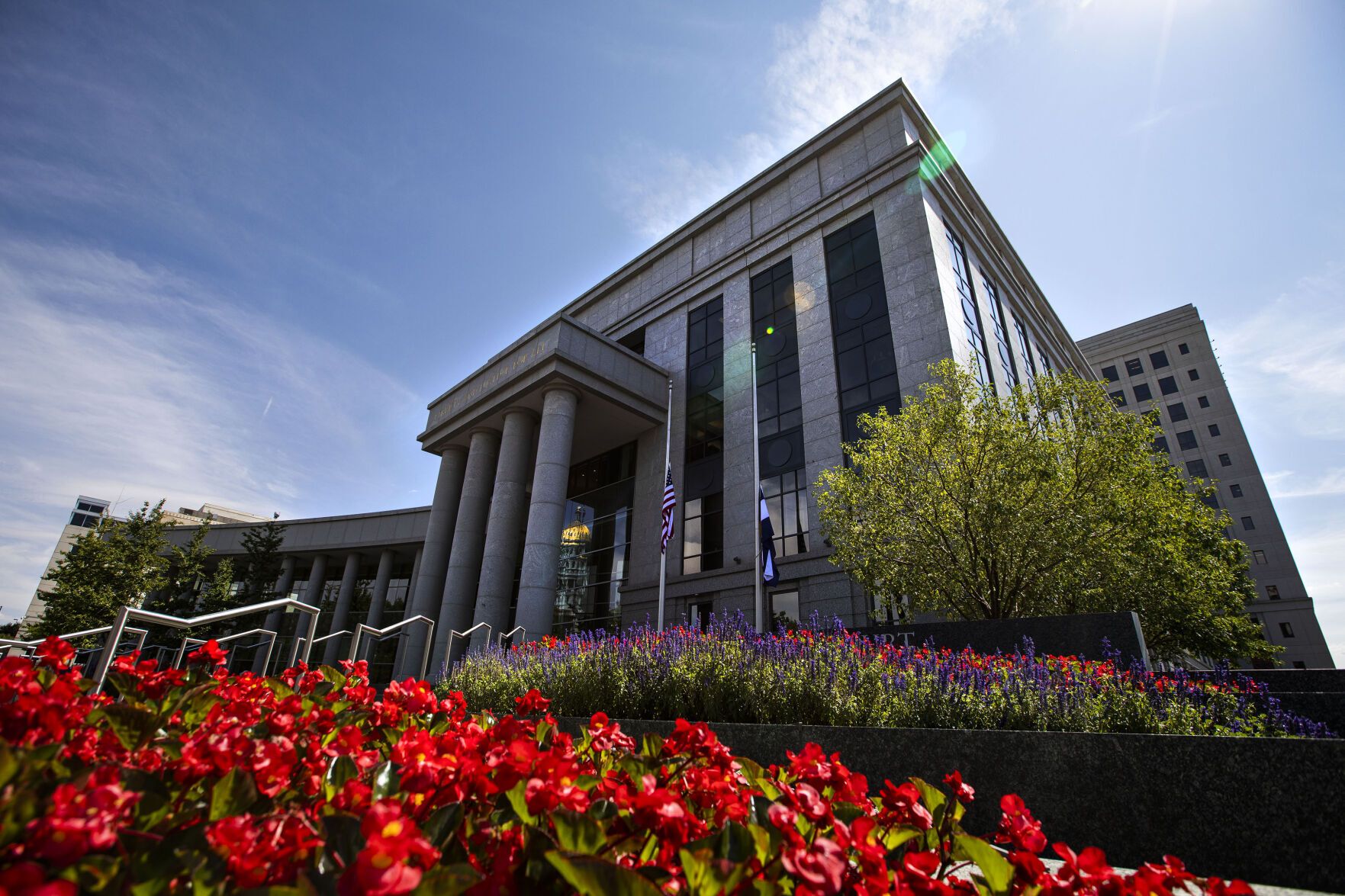
In November 2020, the Supreme Court interpreted Colorado’s drunk driving law to mean that a person’s prior convictions were no longer something that had to be proven to a judge for a person’s repeat offense to be elevated from a misdemeanor to a felony. Instead, a jury needed to decide the existence of priors beyond a reasonable doubt.
The change in legal interpretation resulted in scores of felony DUI sentences being overturned. However, in June 2024, the Supreme Court’s majority halted those automatic reversals. It concluded that in situations where the defendant did not object at trial to having a judge weigh their prior convictions — but the law had changed by the time of appeal — the solution was not to give the benefit of the doubt to the defendant in the appeal itself.
Instead, the court advised that defendant Charles James Crabtree could take advantage of a procedural rule allowing people whose appeals are not yet final to file motions for postconviction relief when there is a “significant change in the law.”
After the Supreme Court decided Crabtree’s appeal, but before its decision became final, Crabtree attempted to do what the Supreme Court said he should do. He petitioned a Boulder County judge for postconviction relief on his felony DUI. But the judge denied his motion because the Supreme Court’s decision was not yet final.
Worried that Crabtree could neither file a second petition later nor appeal the judge’s original order if he waited to file again, Crabtree’s attorneys opted to ask the Court of Appeals to review the denial. Yet, in another snag, the appeals court was unsure what to do with the case.
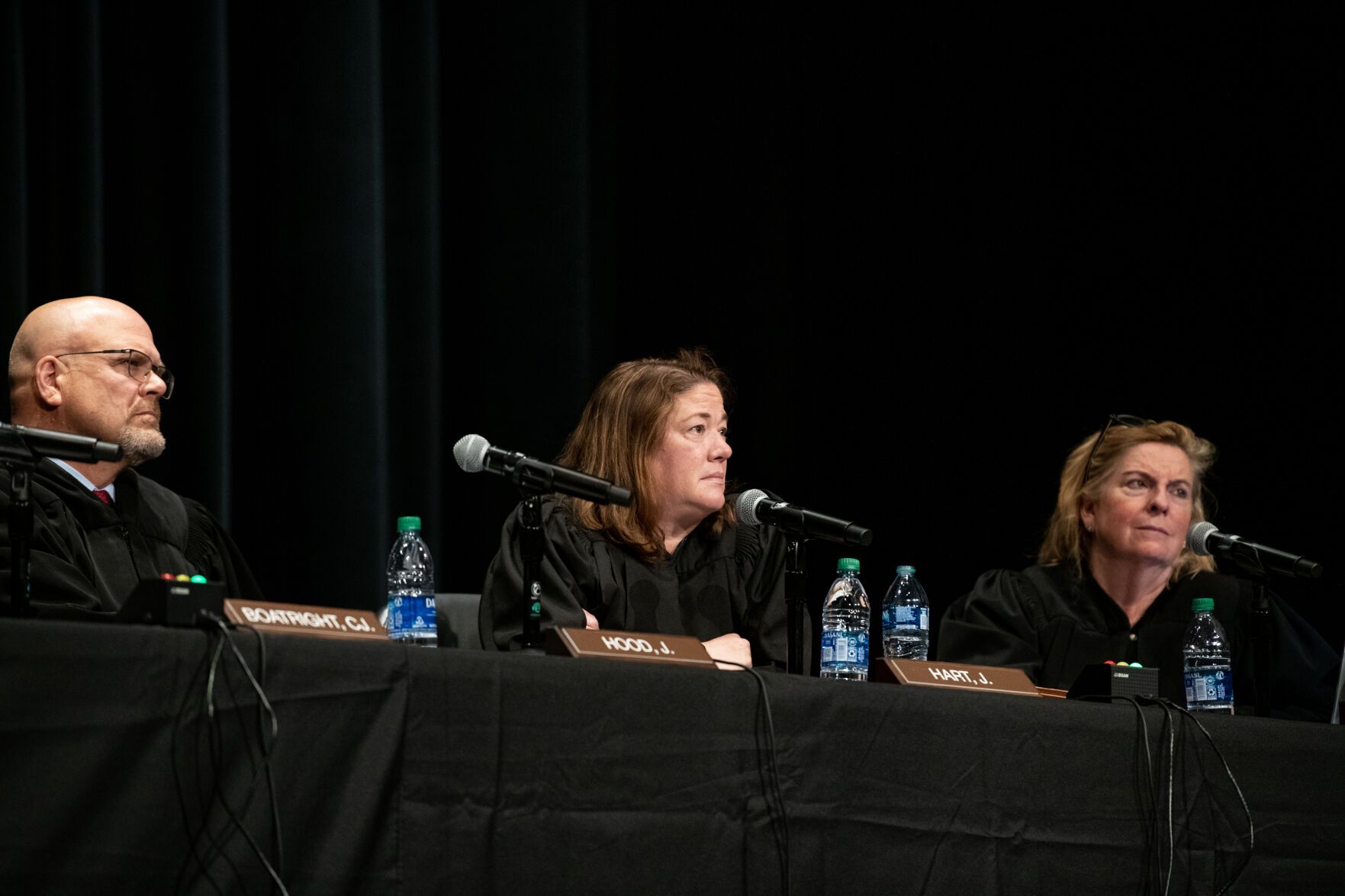
“The Supreme Court stated in its opinion of this case that the issue on appeal should be raised via a Motion” for postconviction relief, wrote defense attorney Lindsey Parlin. Crabtree was only trying to figure out how the court envisioned him doing so.
In response, a panel of Judges Rebecca R. Freyre, Lino S. Lipinsky de Orlov and Pax L. Moultrie dismissed Crabtree’s appeal of the trial judge’s order.
Crabtree returned once more to the Supreme Court, explaining he tried to go down the road the justices said was available, only for the lower courts to block him.
“Without further clarity from this Court, however, defendants are forced to run the gauntlet of how best to seek relief, when, and from whom, all while erring on the side of caution, as Mr. Crabtree has done since the Court issued its decision in this case,” wrote Crabtree’s attorneys. His experience “offers a poignant demonstration of the substantial uncertainty that now shrouds efforts to seek relief based on significant changes in the law that occur after conviction but before that conviction is affirmed on appeal.”
The Supreme Court agreed to fix the problem it created with its original decision and determine what, exactly, it intended to happen when defendants seek relief based on a favorable change in law.
The case is Crabtree v. People.

Federal judge blasts government for violating court order, confiscating man’s property
Michael Karlik
michael.karlik@coloradopolitics.com
Updated 15 hours ago
A federal judge gave the government three hours on Friday to return the property of a man released from immigration detention, which it allegedly retained in violation of her previous order. “At its most benign, this failure is an unforced...
DA’s withdrawal from veterans treatment court not judge’s problem, ethics panel says
Michael Karlik
michael.karlik@coloradopolitics.com
Updated 3 days ago
There are no ethical concerns from a judge continuing to participate in a specialty veterans treatment court if the district attorney’s office has withdrawn from the program, the Colorado Supreme Court’s ethics committee advised on Wednesday. Colorado law permits chief...
Divided appeals court orders insurance company to pay $35,600 for delayed disclosure of policy
Michael Karlik
michael.karlik@coloradopolitics.com
Updated 2 days ago
Colorado’s second-highest court concluded on Thursday that an insurance company violated state law when it refused to disclose an automobile policy to an injured motorist for nearly one year after she requested it. By 2-1, a three-judge Court of Appeals...
Judge expected to decide Monday whether to accept latest plea agreements for Hallfords
Mackenzie Bodell
mackenzie-bodell@coloradopolitics.com
Updated 3 days ago
An El Paso County judge is expected to decide Monday whether to accept new negotiations that would extend the prison sentence for Jon and Carie Hallford, coming on the heels of the court rejecting the original plea agreements for the...
Who are the 3 finalists for the Colorado Supreme Court?
Michael Karlik
michael.karlik@coloradopolitics.com
Updated 4 days ago
A citizen-led nominating commission has chosen the finalists for a vacancy on the Colorado Supreme Court, the first opening in five years on the seven-member court. The vacancy arose after the unexpected resignation of Justice Melissa Hart, who formally departed...
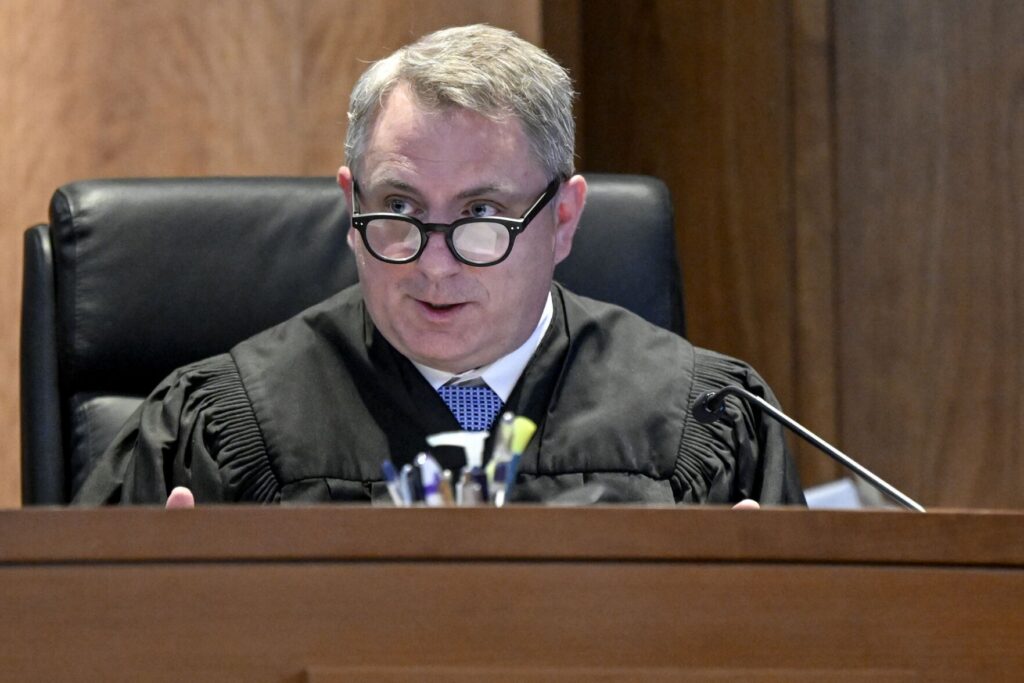
Christopher Zenisek, trial judge experienced with high-profile cases | SUPREME COURT FINALISTS
Michael Karlik
michael.karlik@coloradopolitics.com
Updated 4 days ago
After the Marshall fire burned through Boulder County in the final days of 2021 and wound up destroying more than 1,000 homes, the sprawling 4,000-plaintiff litigation was assigned to District Court Judge Christopher Zenisek of Jefferson County. Zenisek would go...
Andrea Wang, water and energy expert | SUPREME COURT FINALISTS
Michael Karlik
michael.karlik@coloradopolitics.com
Updated 4 days ago
When the late Chief Justice Mary Mullarkey authored a 2002 opinion in the complex and long-running Taylor Ranch case involving landowners’ claims to access a 77,000-acre tract in the San Luis Valley, she worked with her law clerk, Andrea S....
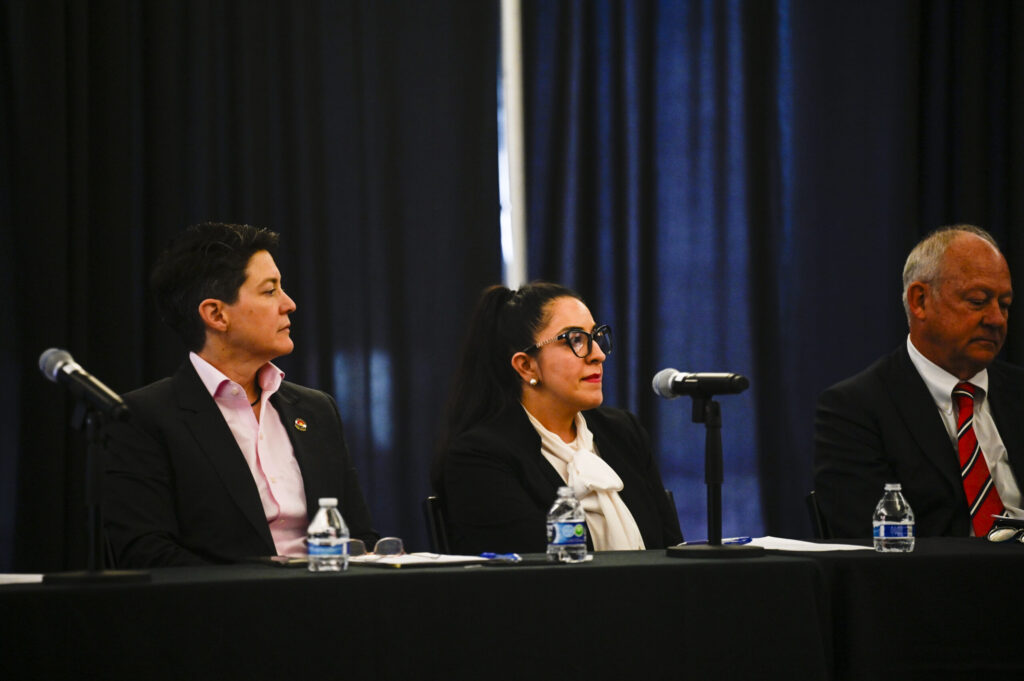
Susan Blanco, innovator in the judiciary | SUPREME COURT FINALISTS
Michael Karlik
michael.karlik@coloradopolitics.com
Updated 4 days ago
Less than 24 hours after her selection as a finalist for a Colorado Supreme Court vacancy, Chief Judge Susan Blanco was back on the bench in Fort Collins, moving methodically through the variety of complications she encountered. “Your goatee might...

Colorado joins lawsuit against Trump energy emergency order
Scott Weiser
scott.weiser@gazette.com
Updated 4 days ago
Colorado Attorney General Phil Weiser joined a multistate lawsuit challenging an executive order invoking the National Emergencies Act that President Donald Trump issued on the day of his inauguration. The order fast-tracks fossil fuel projects by bypassing or shortening environmental...

Colorado’s federal judges slash motions backlog to lowest in years
Michael Karlik
michael.karlik@coloradopolitics.com
Updated 4 days ago
Colorado’s federal trial judges collectively had 37 motions in civil cases that had been sitting on their dockets for at least six months without a ruling, as of Sept. 30. That is the smallest backlog the state’s U.S. District Court...
PREV
PREVIOUS

Rifle recovered in the search for Charlie Kirk's killer as FBI releases photos of person of interest
OREM, Utah (AP) — The sniper who assassinated Charlie Kirk is believed to have jumped off a roof and fled into a neighborhood after firing one shot and has not been identified, authorities said Thursday in disclosing they have recovered a high-powered, bolt-action rifle they believe was used in the attack and are reviewing video […]
CPW fires ranger allegedly involved in stabbing hoax at state park
On Aug. 19, seasonal park ranger Callum Heskett, 26, is said to have reported that he had been stabbed by an attacker at Colorado’s Staunton State Park. Callum was transported to a local hospital with a serious torso injury, with his report prompting a widespread search for a suspect, an evacuation of the park, and […]