

Colorado challenges Medicaid data transfer to ICE
Colorado is joining a multi-state coalition in filing a lawsuit to challenge the U.S. Department of Health and Human Services’ decision to provide access to individual personal health data to the Department of Homeland Security’s Immigration and Customs Enforcement.
Filed in the U.S. District Court for the Northern District of California, the lawsuit seeks to block any transfer of personal data for immigration enforcement purposes, arguing it violates laws.
In a news release, the Attorney General’s Office said personal healthcare data collected for Medicaid is confidential and should only be shared in “narrow circumstances.”
A certain amount of personal data is exchanged between the states and the federal government for purposes of administering Medicaid, including verifying eligibility for federal funding, according to the state office.
The Attorney General’s Office said states became alarmed on June 13 when they learned, through news reports, that the federal health department transferred Medicaid data files to the Department of Homeland Security. The states said they contained personal health records of millions of individuals.
The Attorney General’s Office cited reports saying the federal government plans to create a database to help in its campaign on mass deportation and other large-scale immigration enforcement purposes.
At the federal level, where Congress is debating a budget bill, one sticking point is Medicaid funding, in which Democrats claimed cuts are being made across the board. Republicans defended the measure, saying it will only reduce benefits for immigrants illegally staying in the U.S.
The federal government has claimed that the data sharing helps identify individuals who are not legally entitled to Medicaid benefits.
In pursuing the lawsuit, Colorado joined the attorneys general of Arizona, California, Connecticut, Delaware, Hawaii, Illinois, Maine, Maryland, Massachusetts, Michigan, Minnesota, Nevada, New Jersey, New Mexico, New York, Oregon, Rhode Island, Vermont and Washington.
Since President Donald Trump took office, the Colorado Attorney General’s office has pursued more than 20 lawsuits against the administration.
Colorado law specifically bars the sharing of information to the federal government for immigration enforcement purposes.
In June, a Denver district court judge issued a preliminary injunction to prevent a state division from complying with a subpoena issued by ICE.
Homeland Security Investigations, a division of ICE, said it wants email, home addresses and phone numbers for the 35 individuals to ensure the children are not being subjected to human trafficking or other forms of exploitation.


Nomination deadline announced for National Philanthropy Day awards | NONPROFIT REGISTER
Thelma Grimes
thelma.grimes@coloradopolitics.com
Updated 26 minutes ago
ASSOCIATION OF FUNDRAISING PROFESSIONALS Denver News: Colorado chapter of the Association of Fundraising Professionals has set 5 p.m. July 17 as the deadline for submitting nominations for the 2026 National Philanthropy Day Awards. The nomination process is simple, assures DeAnn Acosta, the association’s executive director, with forms and...

Trump says communism greater threat than WWI, WWII, 9/11, and Pearl Harbor
Naomi Lim
naomi-lim@coloradopolitics.com
Updated 41 minutes ago
President Donald Trump compared the rise of socialism to the Sept. 11 terrorist attacks. Trump was asked about the possible rise of more socialist candidates after three candidates New York City Mayor Zohran Mamdani endorsed last week won their Democratic...

GOP doubles down on SAVE America Act after Supreme Court allows mail ballots to be counted late
Lauren Green
lauren-green@coloradopolitics.com
Updated 45 minutes ago
Congressional Republicans continue to push the voter identification bill — that has left Washington in grid lock for months — after the Supreme Court ruled states can count mail-in ballots that arrive after Election Day. The 5-4 decision rejected a...

US and Iran to cease strikes and discuss Strait of Hormuz this week: Report
Carter Schroppe
carter.schroppe@washingtonexaminer.com
Updated 2 hours ago
Officials from the United States and Iran will meet in Qatar this week to discuss the Strait of Hormuz after agreeing to “halt strikes” following a weekend of intermittent fighting between the two countries. The meeting, scheduled for Tuesday in...
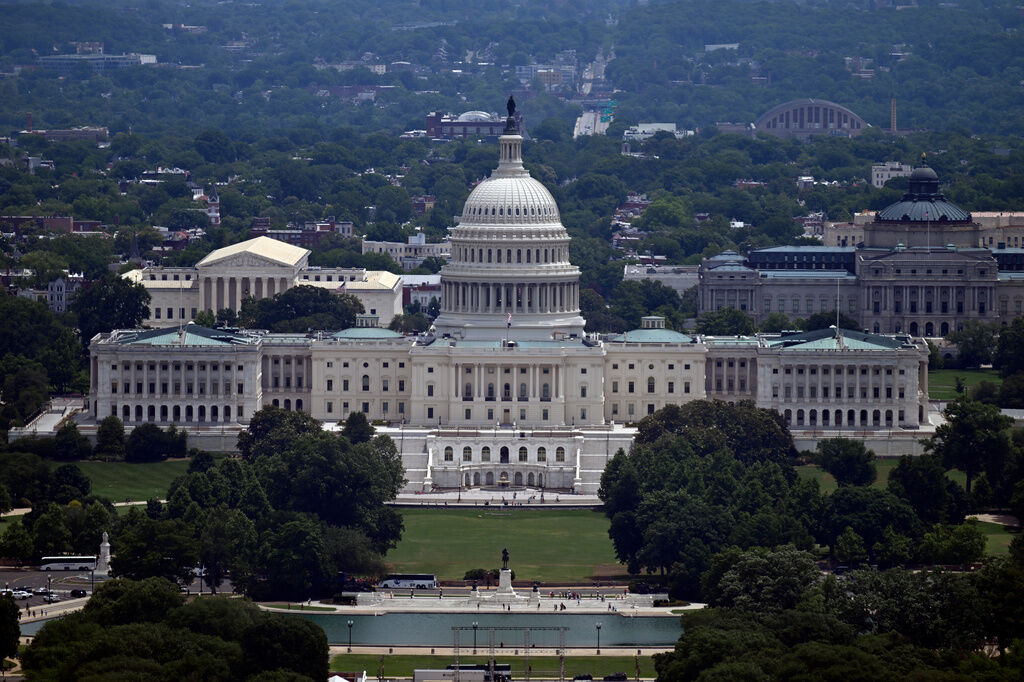
Congress is struggling to get its work done and a new report argues for 21st-century upgrades
Kevin R. Kosar
kevin-r-kosar@coloradopolitics.com
Updated 2 hours ago
The news coming from Capitol Hill over the past couple of weeks has left much to be desired. Congress has had difficulty discharging its lawmaking duties. The Senate’s appropriations committee is at loggerheads over how much spending to authorize. The...
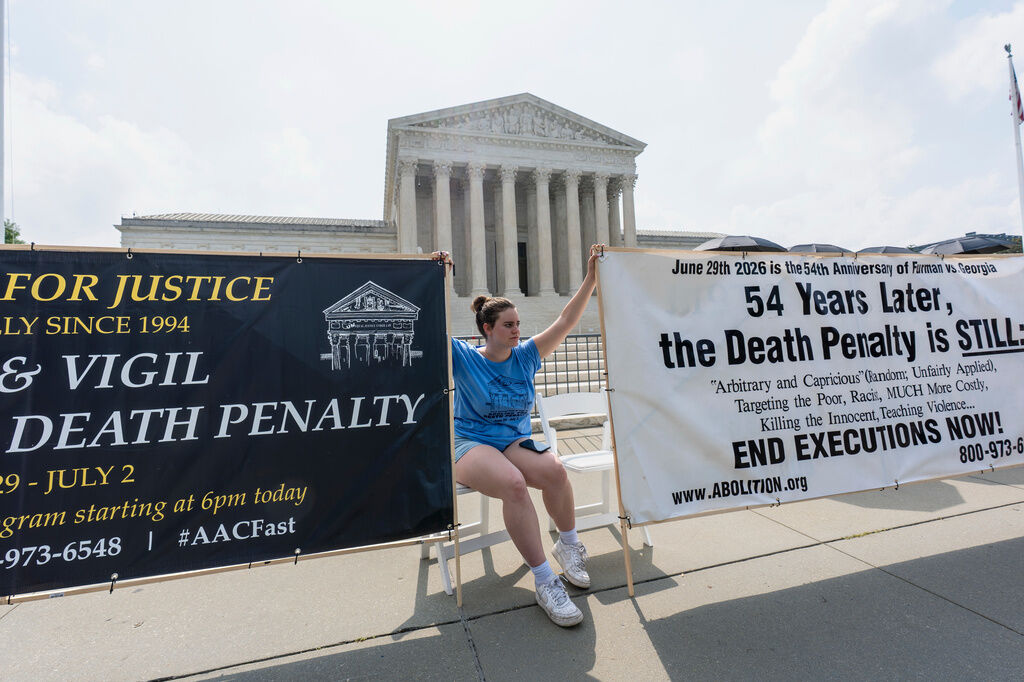
Supreme Court rules constitutional privacy protections apply to cellphone users location history
The Associated Press
the-associated-press@coloradopolitics.com
Updated 3 hours ago
WASHINGTON (AP) — The Supreme Court held Monday that constitutional privacy protections extend to cellphone location information, ruling in the case of a bank robber whose identity was discovered through a geofence warrant. Justice Elena Kagan wrote for the 6-3...
Colorado justices say group that spent $4M on ballot initiatives does not have to disclose donors
Michael Karlik
michael.karlik@coloradopolitics.com
Updated 3 hours ago
The Colorado Supreme Court ruled on Monday that an organization that spent $4 million to advocate on ballot initiatives in the 2020 election is not required to disclose its donors and spending. The Supreme Court acknowledged that multiple factors suggested...
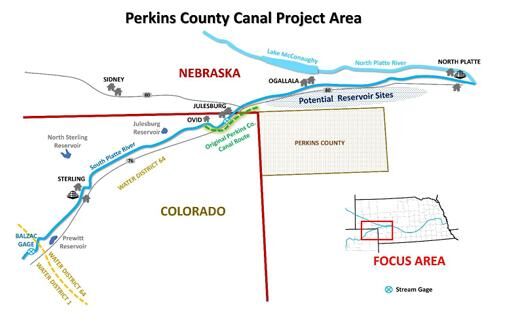
Colorado–Nebraska water clash heads to US Supreme Court as canal fight intensifies
Marianne Goodland
marianne.goodland@coloradopolitics.com
Updated 4 hours ago
The U.S. Supreme Court on Monday agreed to hear Nebraska’s lawsuit against Colorado over the Perkins County canal, a move that advances a legal dispute likely to take years to resolve. The proposed Perkins County canal would run through land...
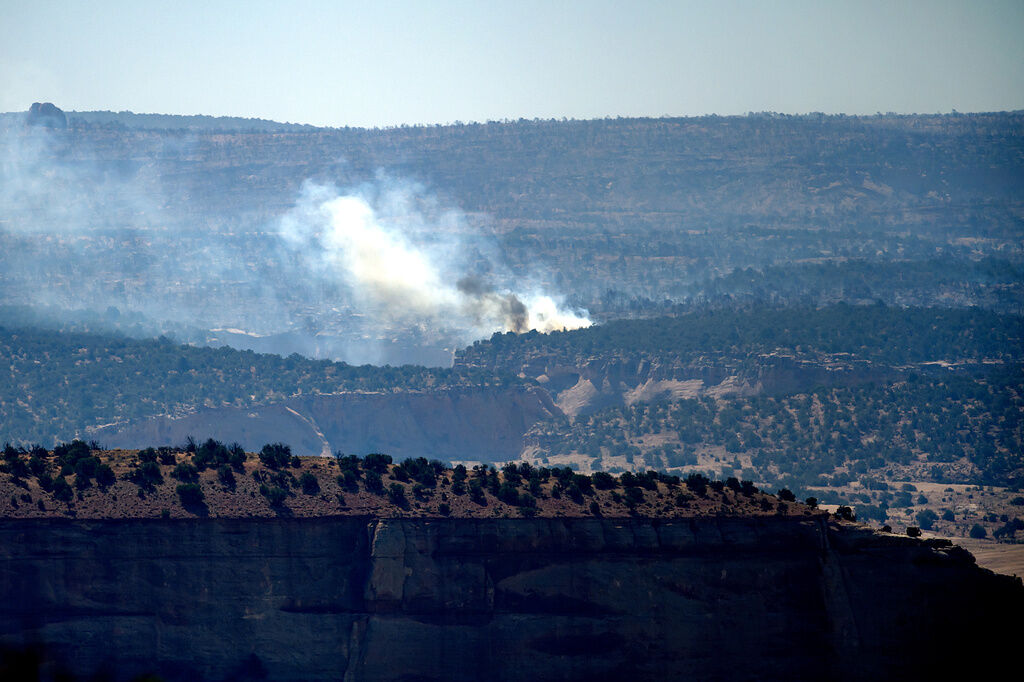
Jared Polis to visit Snyder Mesa Fire as blaze tops 29,000 acres
Nicholas Fogleman
nicholas.fogleman@denvergazette.com
Updated 1 hour ago
Gov. Jared Polis is scheduled to visit the Snyder Mesa Fire Incident Command Post in Fruita Monday afternoon and provide an update on firefighting efforts as the wildfire continues to burn in western Colorado. Polis is expected to be joined...

When sushi meets schools in rural Colorado, everyone wins | NONPROFIT REGISTER
Joanne Davidson Special to Colorado Politics
joanne-davidson-special-to-colorado-politics@coloradopolitics.com
Updated 6 hours ago
NATHAN YIP FOUNDATION Greenwood Village By JOANNE DAVIDSON SPECIAL TO COLORADO POLITICS News: Sushi-lovers from Denver and beyond know that they’re in for a treat when the Nathan Yip Foundation hosts its annual Sushi Party. The rush to purchase tickets begins months in advance...