

Colorado school funding formula gets a 7-year phase-in under new bill
The annual School Finance Act, which sets funding for Colorado’s 178 public school districts and 262 charter schools, will be introduced this week.
Its prime sponsor says the bill will hold public K-12 schools harmless in the first year of implementing a new school finance funding formula.
House Speaker Julie McCluskie, D-Dillon, will sponsor the measure, along with Rep. Meghan Lukens, D-Steamboat Springs.
The formula will be modified, a nod to the budget shortfall. Under House Bill 24-1448, the formula was intended to be phased in over six years to protect schools from harm when enrollments decline.
Under the 2025 School Finance Act, that phase-in will be spread out over seven years.
Another change from the 2024 legislation is the extent to which the formula will be implemented. Under HB 1448, for the 2025-26 year, school districts would receive the total program funding under the old formula (that is, the state share plus the local share from local property taxes) plus 18% of the new formula funding.
The 2025 School Finance Act reduces the additional money to 15% but increases it by 30% the following year and by 45% the year after, with full implementation by 2030.
In his Nov. 1 budget proposal, Gov. Jared Polis had suggested changing to a system of single-year pupil counts for determining funding, a difference from the new school finance formula’s four-year averaging. However, this proposal faced pushback from the Joint Budget Committee, lawmakers, teachers, students, and parents from around the state, who argued that it would result in millions of dollars in school funding cuts.
The McCluskie bill continues to rely on the four-year averaging outlined in the 2024 legislation. Still, she said she is open to discussions about reducing the average to three years or implementing some other kind of “smoothing” factor.
Under the 2025 bill, schools will be held harmless to 2024-25 funding for the 2025-26 and 2026-27 school years.
“Our goal is to ensure no school’s funding falls below the amount I received in the 2024-525 school year,” according to a fact sheet from the sponsors Tuesday.
Still, some schools will see flat funding. The Sheridan School District, which has the highest number of free and reduced lunch students (an indication of poverty) of any urban district in the state, is anticipating a 3.1% decline in enrollment. Under the 2025 bill, they will not receive a funding increase; however, this is an advantage over the previous formula, which would have resulted in a 5.3% funding decrease, according to the fact sheet.


Colorado, some Coloradans make appearances in the Epstein Files
RACHAEL WRIGHT Special to The Gazette
rachael-wright-special-to-the-gazette@coloradopolitics.com
Updated 12 hours ago
With the U.S. Department of Justice’s release of 3 million more files pertaining to convicted sex felon Jeffrey Epstein, multiple written mentions of alleged connections to Colorado towns and business owners have come to light. A word search of the documents for “Colorado” generates 1,485 hits, with inquiries for cities including Denver and Aspen generating several thousands more. Chad...
New Mexico launches ‘truth commission’ investigation into Jeffrey Epstein’s ranch | OUT WEST ROUNDUP
The Associated Press
the-associated-press@coloradopolitics.com
Updated 4 days ago
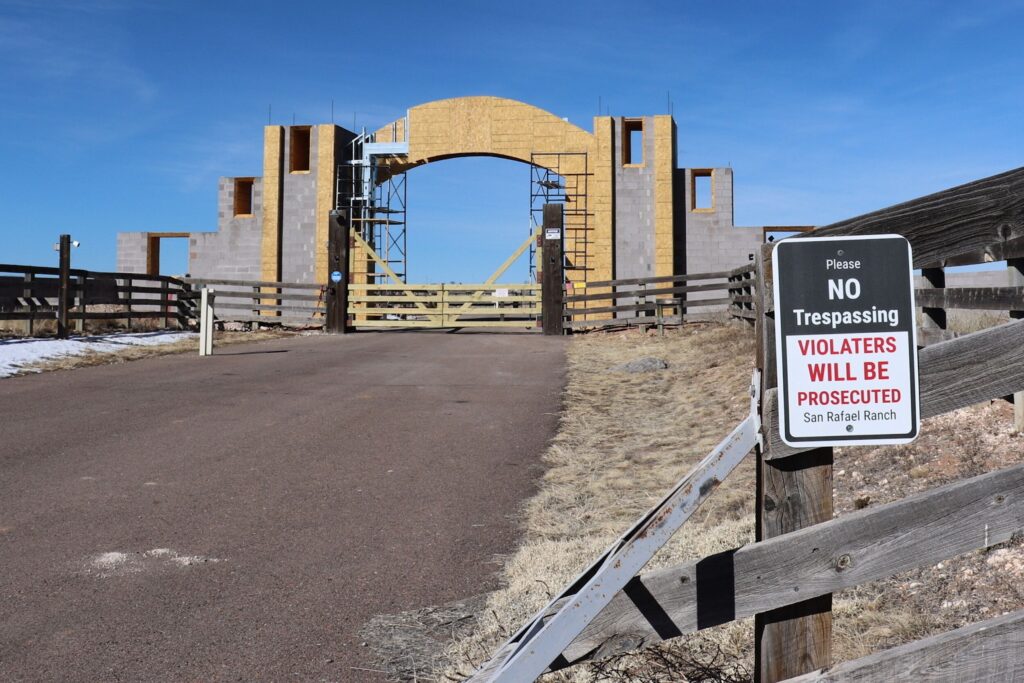
NEW MEXICO State investigates Epstein’s ranch SANTA FE — State legislators in New Mexico launched an investigation on Feb. 17 into past activity at a secluded desert ranch where financier and sex offender Jeffrey Epstein once entertained guests and whether...
Colorado’s federal judges maintain approach to immigration detentions while escalating warnings
Michael Karlik
michael.karlik@coloradopolitics.com
Updated 1 day ago
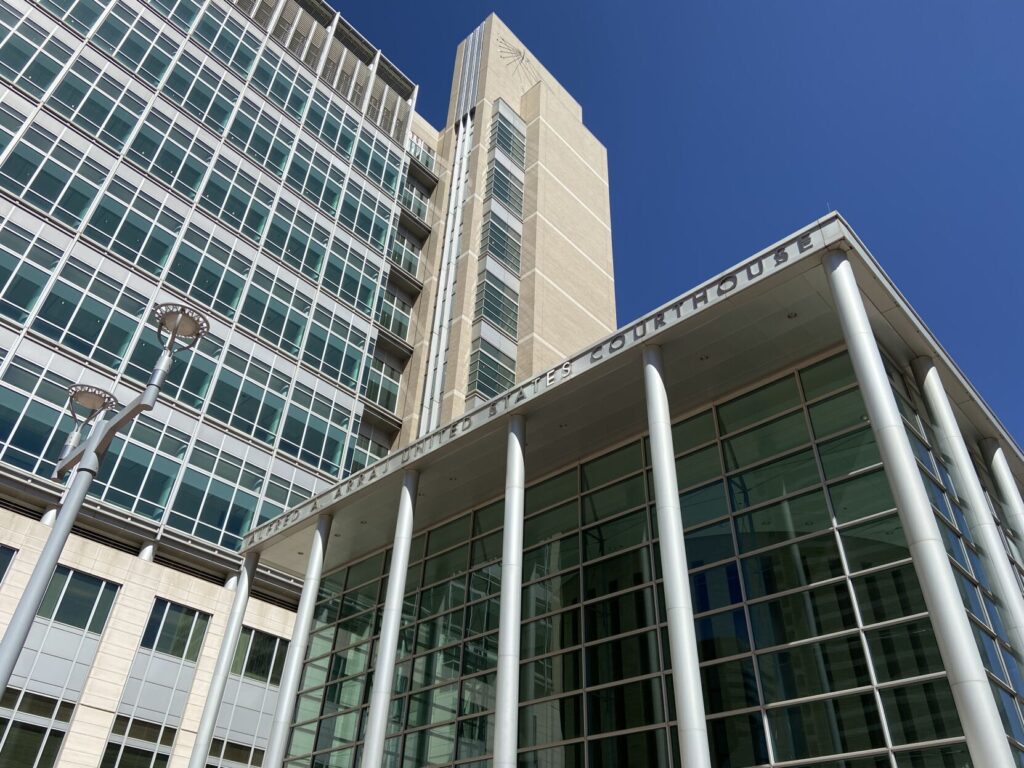
Colorado’s federal judges are maintaining their view that the government’s assertion of broad immigration detention authority is unlawful, casting aside a recent appellate decision to the contrary as “unpersuasive” and out of step with the predominant interpretation by the judiciary....
In a meeting Colorado GOP chair Brita Horn calls ‘illegal,’ Republicans vote to demand her resignation
Ernest Luning
ernest.luning@coloradopolitics.com
Updated 1 day ago
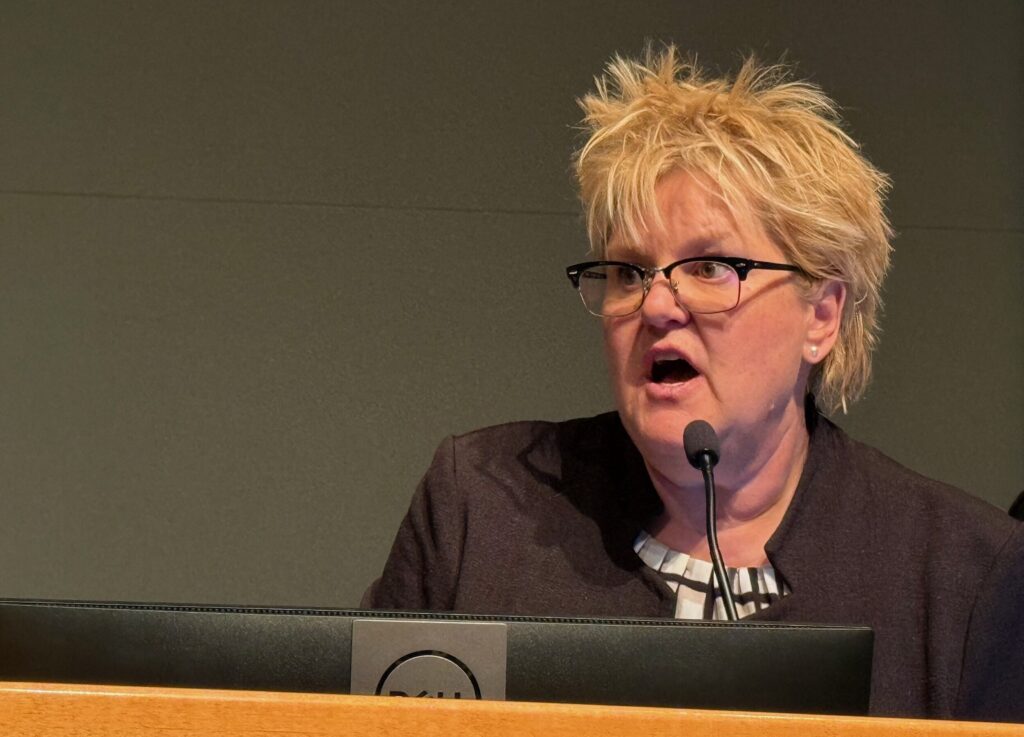
Roughly half the membership of the Colorado Republican Party’s state central committee on Saturday voted overwhelmingly to approve a resolution expressing “no confidence” in state GOP Chairman Brita Horn’s leadership and calling for her immediate resignation in an online meeting...

Colorado Medicaid probe uncovers millions of dollars in alleged transport fraud ring
Nico Brambila
nico.brambila@denvergazette.com
Updated 1 day ago
Colorado Medicaid officials detected $25 million in abnormal billing over just four months two years ago — a surge that prompted a new state law and the suspension of dozens of providers in what authorities now describe as an organized...
One small step for dialing back the partisanship | SONDERMANN
Eric Sondermann
eric-sondermann@coloradopolitics.com
Updated 3 days ago
Much ink, including a good deal of my own, has been spilled on the excesses of super-charged, toxic partisanship in this current era. Except for true believers along with those who profit from this all-consuming poison, there is broad agreement...
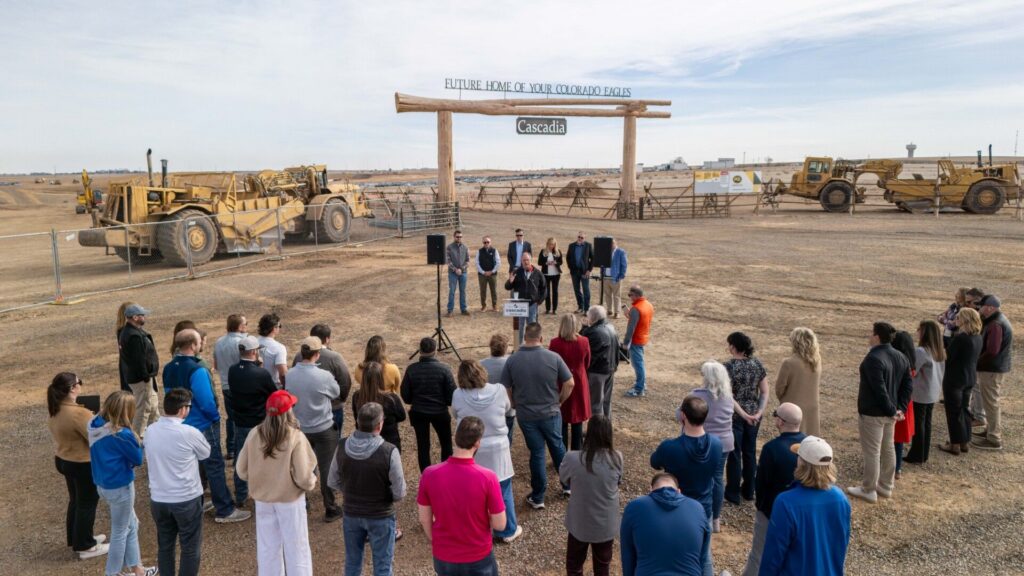
Greeley voters to decide fate of project that includes minor league hockey arena
Hap Fry, Special to The Gazette
hap-fry@gazette.com
Updated 6 hours ago
GREELEY • The fate of the Cascadia development — and quite possibly the future direction of the city — is in the hands of Greeley voters this Tuesday during a special city election on whether the landscape-altering project should be...

Colorado Politics Calendar Feb. 23-Mar. 1
Rachael Wright, Special to Colorado Politics
rachael.wright@coloradopolitics.com
Updated 4 days ago
CoPo’s weekly political calendar helps you find political and public policy events throughout Colorado. It includes candidate and issue campaign events, public policy meetings, court hearings, state and local party conventions, assemblies, debates, rallies, parades, speaking engagements, traveling dignitary appearances,...
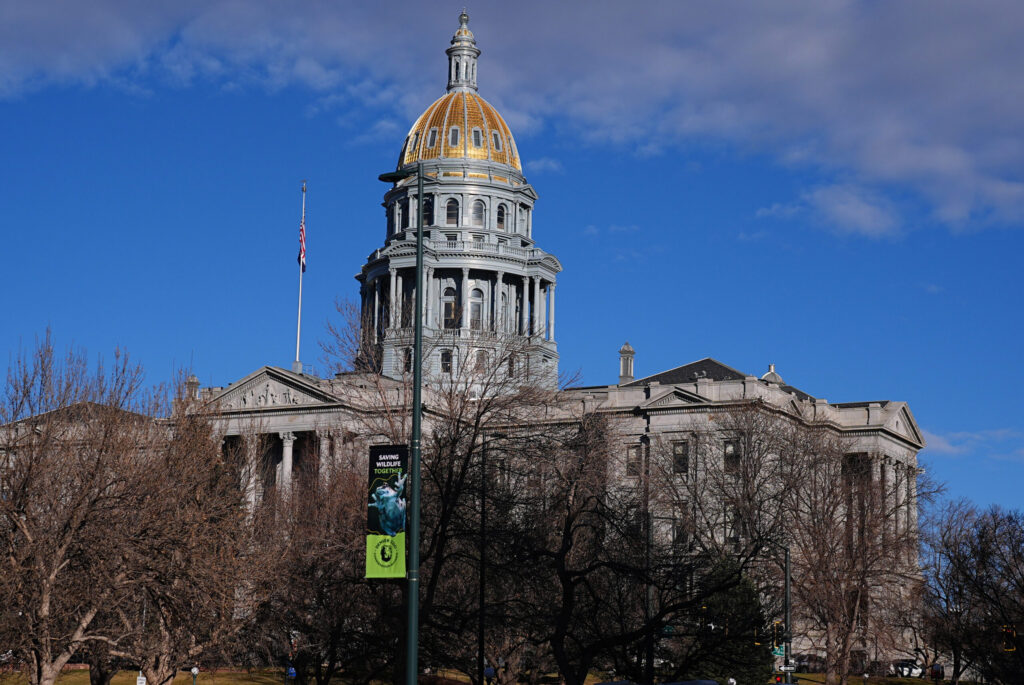
Meeker rancher leads one of Colorado’s earliest attempts to transfer federal lands | A LOOK BACK
Rachael Wright, Special to Colorado Politics
rachael.wright@coloradopolitics.com
Updated 3 days ago
Forty-Five Years Ago This Week: Former state Rep. Nick Theos, R-Meeker, was one of several people testifying before the Senate Agriculture Committee on Senate Bill 81-170, which would transfer ownership of public lands from the federal government to state control....

Democrats Michael Bennet, Phil Weiser make their cases to be Colorado’s next governor ahead of primary
Ernest Luning
ernest.luning@coloradopolitics.com
Updated 3 days ago
Nearly eight months before ballots will be counted in Colorado’s race for the its open gubernatorial seat, voters are lining up behind two of the state’s leading Democrats, who are facing off in a primary that will likely determine which...