

Colorado ranchers and commissioners urge halt on wolf ballot measure, seek better management plan from state
While they might agree on the problem, a group of Western Slope county commissioners and agricultural groups is asking proponents of a ballot measure to repeal Proposition 114, which allowed the reintroduction of wolves in Colorado, to back off.
In a March 17 letter sent to Patrick Davis, who heads Colorado Advocates for Smart Wolf Policy, several county commissioners and wool growers suggested that ranchers and county officials opposed to the reintroduction program are willing to work within the system, utilizing the state’s wolf management plan as a means of addressing the problems caused by wolves, rather than putting another measure before voters on the statewide election ballot.
Colorado Advocates for Smart Wolf Policy supports the repeal measure.
The writers — county commissioners from Garfield, Grand, Mesa, Moffat, Montrose and Rio Blanco and four county-based wool growers associations — said they share the frustration with the Polis administration’s approach to implementing Proposition 114. They want to see a pause in any more reintroductions of wolves “until adequate programs and resources are provided to landowners to manage wolf and livestock interactions more appropriately,” they said.
However, they also expressed worries about the proposed repeal measure and asked that it be put on hold in favor of fixing what’s already in place.
Davis and former El Paso County Commissioner Stan VanderWerf filed the proposed repeal measure in January. The original language sought to reverse Proposition 114. Still, it was later amended to end any further introductions as of Dec. 31, 2026 and to add working dogs as “livestock protection animals” that could be eligible for compensation if killed by a wolf. The amended measure also prohibits the importation of wolves from outside Colorado.
Davis told Colorado Politics those changes were made to protect two wolf compensation funds.
There is no requirement in the measure to remove existing wolves that have been brought to the state from Oregon and, most recently, Canada.
The news in January that the ballot measure had been filed came as a surprise to ranchers and others in the agricultural community.
A March 10 column in Colorado Politics from the Fence Post’s Rachel Gabel also pointed out the rift. Calling the repeal a “moot point,” Gabel wrote that the ballot proposal was conceived without input or even familiarity with the stakeholders.
“There is no support for a repeal from the stakeholder groups, especially one borne at the ballot box,” she wrote.
That March 17 letter said the effort to end the gray wolf reintroduction was initiated without consulting the primary stakeholder groups and constituencies most affected by the reintroduction of wolves. As a result, this approach is at “odds with the strategy and policy outcomes that our coalition is working on,” they wrote.
“Rather than pushing forward without the support of this coalition, which has significant credibility, influence and outreach across the state, we ask that you allow those of us directly impacted to work through the pathways already in front of us,” they said.
The groups also raised concerns about the ability to raise the necessary resources needed to succeed and warned that a failed effort could impact policy efforts currently underway, as well as “undermine recent public opinion support that the landowner community has received.”
“It doesn’t bode well for a successful campaign when key stakeholders are not unified,” the letter said.
Davis is firing back. He said the letter was a “surprise,” given that he said he has been meeting with ranchers, hunters and other groups, including some of the signatories, since December.
He initially told Colorado Politics he did not want to see drama over the rift, stating, “Nothing kills a campaign more than drama.”
He said he has met, texted, or held Zoom meetings with some of the signatories and groups, including Tom Harrington of the Colorado Cattlemen’s Association and a more recent meeting with Jackson County ranchers and hunters.
Davis noted that Harrington had told Davis he would not support the ballot measure. Davis also cited conversations from December with several Garfield County commissioners, including Commissioner Perry Will, who he said was supportive of a repeal measure. However, Will is a signatory of the March 17 letter.
“I’ll talk to anybody,” Davis said.
While Davis isn’t well-known in the ranching community, he has a long history of political advocacy, both in Colorado and in other states, including serving as Colorado state director for the 2016 Trump campaign.
The letter did not appear to deter the repeal effort, as fundraising emails were sent this week. The measure, now known as Initiative #35, has an initial hearing scheduled for April 2 with the title board. The first report on the campaign’s fundraising is due April 15.
In 2020, animal rights groups pushed Proposition 114 to bring in wolves to west of the Continental Divide. The measure passed by a narrow margin, with almost all Western Slope counties, where wolves have been placed, voting overwhelmingly against it.
Since then, wolves have killed dozens of livestock in multiple counties, including most recent reports that wolves imported from British Columbia in January killed sheep in Wyoming and at least one pregnant cow in Pitkin County. The latter is under investigation by Colorado Parks and Wildlife and has not been confirmed by the agency.
The cost to the state just for the first batch of 10 wolves, some that came with a pack history of killing livestock in Oregon, has far exceeded what the state’s wolf compensation fund can support. Two claims totaling $581,000 were filed in December; another for $100,000 is expected to be reviewed by the Wildlife Commission at an upcoming meeting.
The wolf compensation fund receives $350,000 per year. However, the ballot measure requires ranchers to be compensated for losses, not just for dead livestock, and other CPW funds will be tapped to cover those losses.

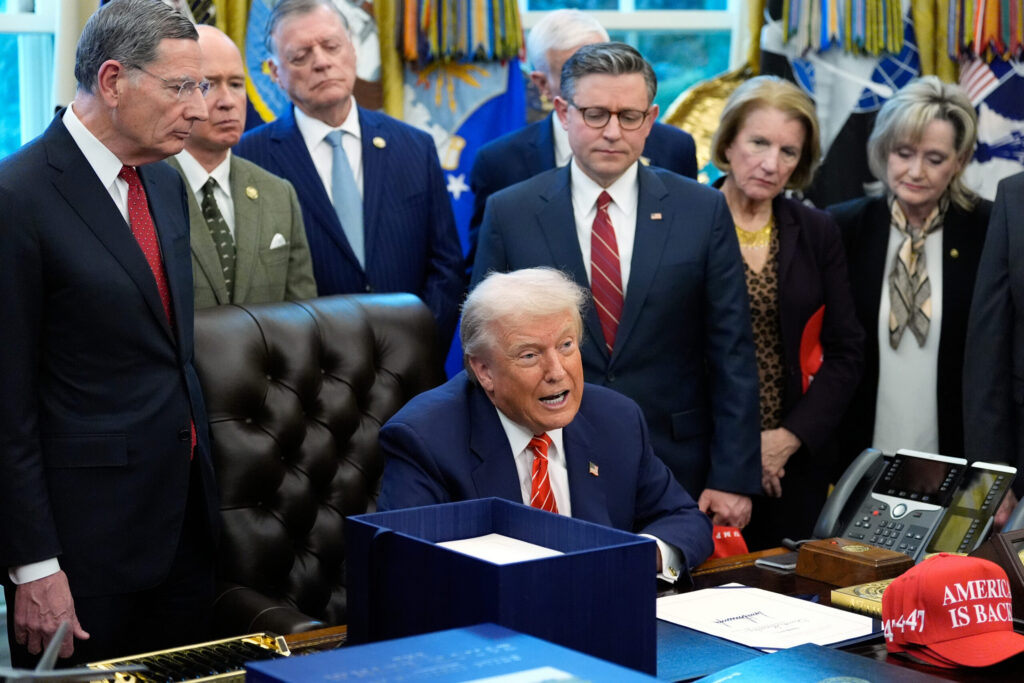
Trump signs minibus spending bill with $6.5 billion in earmarks
Kevin R. Kosar, Washington Examiner
kevin.r.kosar.washington.examiner@gazetteedit.wpenginepowered.com
Updated 10 minutes ago
President Donald Trump recently signed $174.7 billion spending legislation. The White House said little upon signing the Commerce, Justice, Science; Energy and Water Development; and Interior and Environment Appropriations Act, 2026. The move, however, signaled its support for Congress on the long-titled...
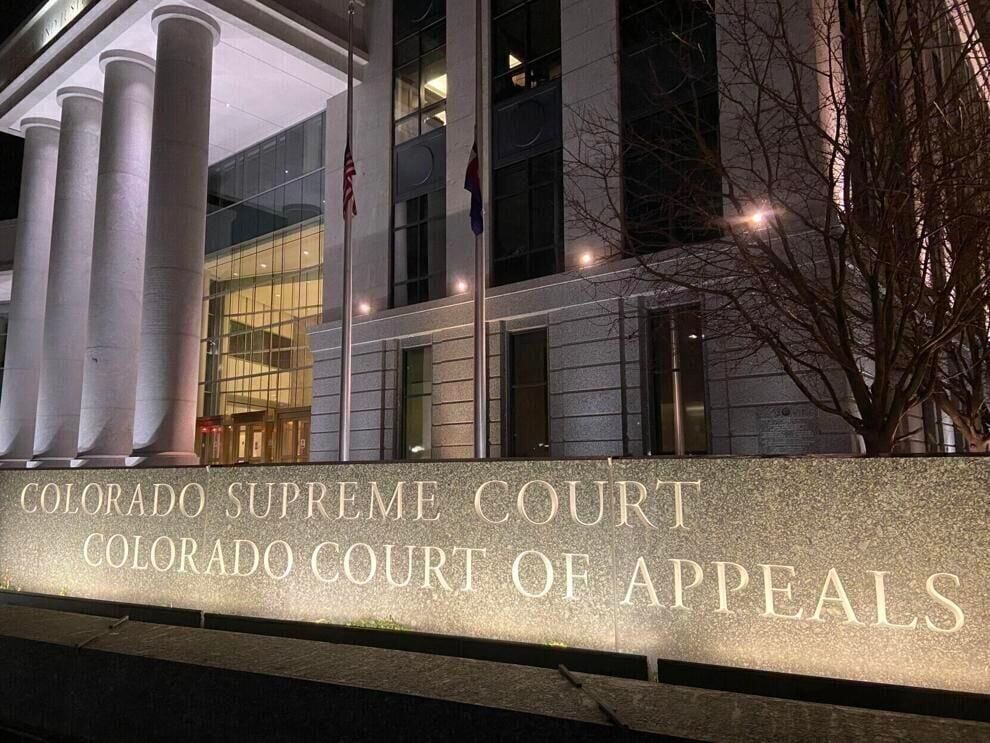
Divided appeals court orders insurance company to pay $35,600 for delayed disclosure of policy
Michael Karlik
michael.karlik@coloradopolitics.com
Updated 2 hours ago
Colorado’s second-highest court concluded on Thursday that an insurance company violated state law when it refused to disclose an automobile policy to an injured motorist for nearly one year after she requested it. By 2-1, a three-judge Court of Appeals...
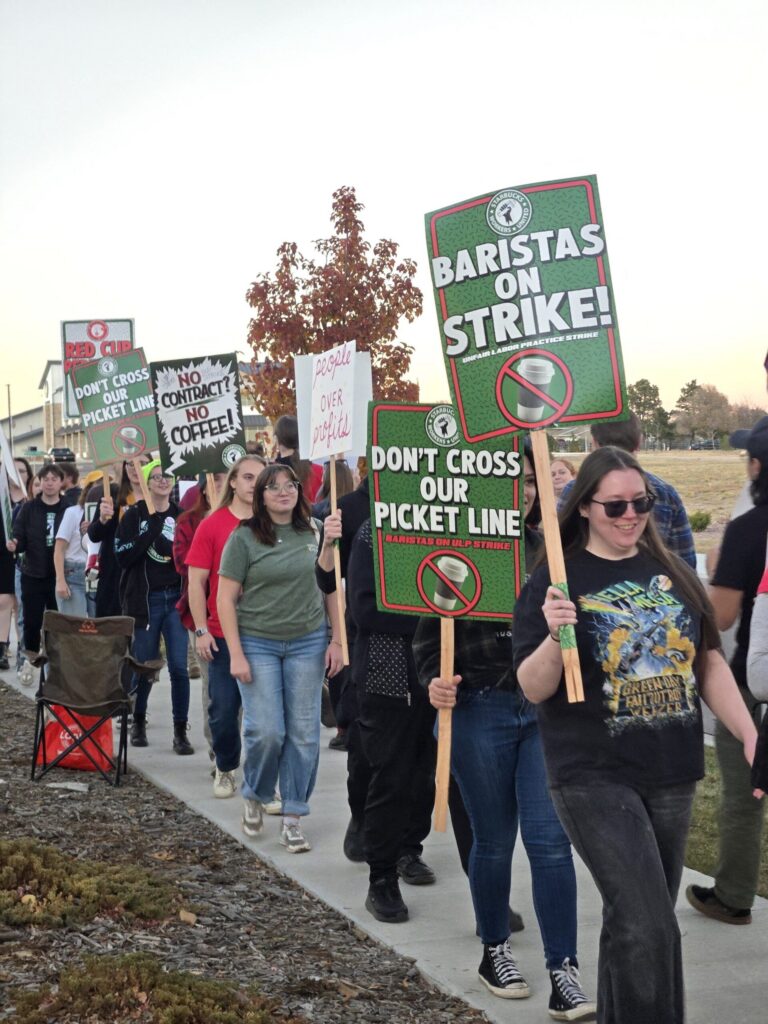
Colorado Labor Peace Act overhaul clears first hurdle at the Capitol
Marissa Ventrelli
marissa.ventrelli@coloradopolitics.com
Updated 2 hours ago
A proposed change to Colorado’s Labor Peace Act has cleared its first committee hearing, but there’s a long road ahead. The bill passed through the House Business Affairs and Labor Committee on an 8-5 party-line vote. After Thursday’s approval, the...

This Feb. 21 fundraiser is all heart | NONPROFIT REGISTER
Joanne Davidson Special to Colorado Politics
joanne-davidson-special-to-colorado-politics@coloradopolitics.com
Updated 5 minutes ago
CHICANO HUMANITIES AND ARTS COUNCIL Denver News: Approximately 500 “art hearts” that have been created by seasoned artists and the general public will be for sale at Milagros del Corazon, a Feb. 21 fundraiser hosted by the Chicano Humanities and Arts Council, or CHAC. The 6 p.m....
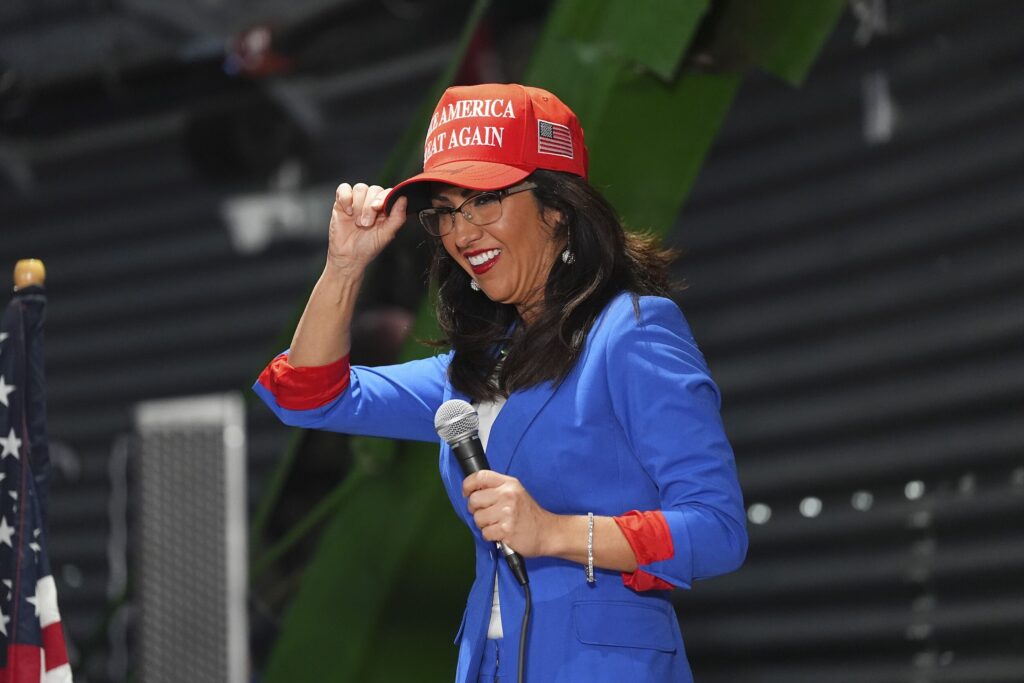
Boebert’s top Dem challengers set fundraising, spending pace heading into election year | TRAIL MIX
Ernest Luning
ernest.luning@coloradopolitics.com
Updated 6 hours ago
As multiple candidates across Colorado have demonstrated in recent years, challenging US Rep. Lauren Boebert could be the most lucrative campaign fundraising pitch yet discovered in the state. For the umpteenth time, Democrats hoping to unseat the Republican congresswoman have...

Air Force Academy reports $4.2 billion in deferred projects; chapel passes water tests
Mary Shinn
mary-shinn@coloradopolitics.com
Updated 4 hours ago
The Air Force Academy has an estimated $4.2 billion in deferred projects. Superintendent Lt. Gen. Tony Bauernfeind detailed the academy’s needs during a Board of Visitors meeting on Thursday and a possible plan to refresh the campus. The board includes...
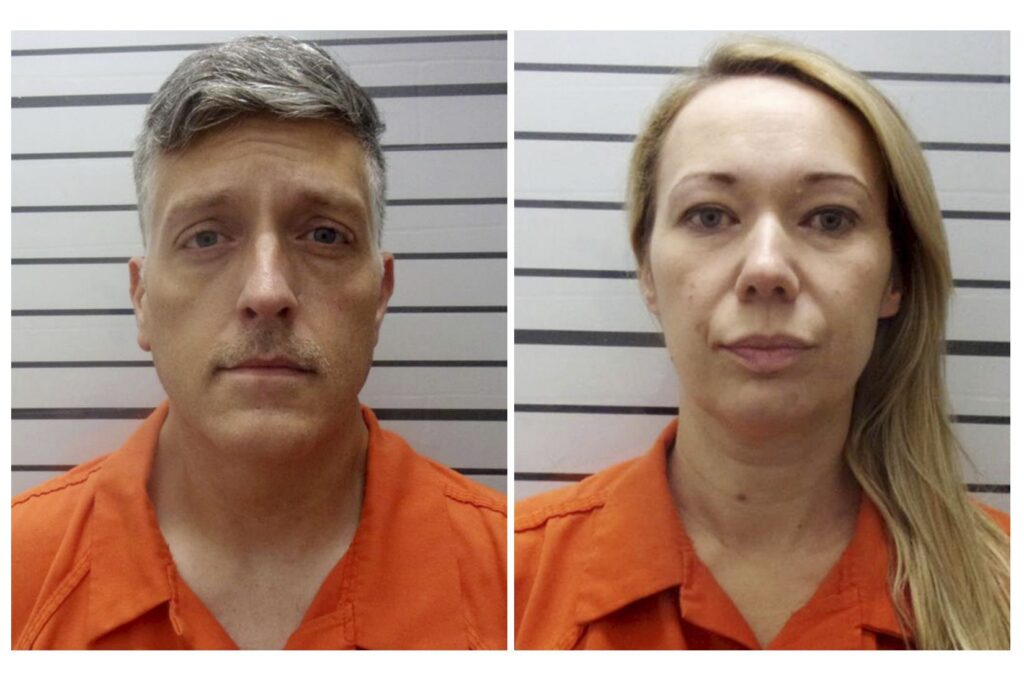
Judge expected to decide Monday whether to accept latest plea agreements for Hallfords
Mackenzie Bodell
mackenzie-bodell@coloradopolitics.com
Updated 3 hours ago
An El Paso County judge is expected to decide Monday whether to accept new negotiations that would extend the prison sentence for Jon and Carie Hallford, coming on the heels of the court rejecting the original plea agreements for the...
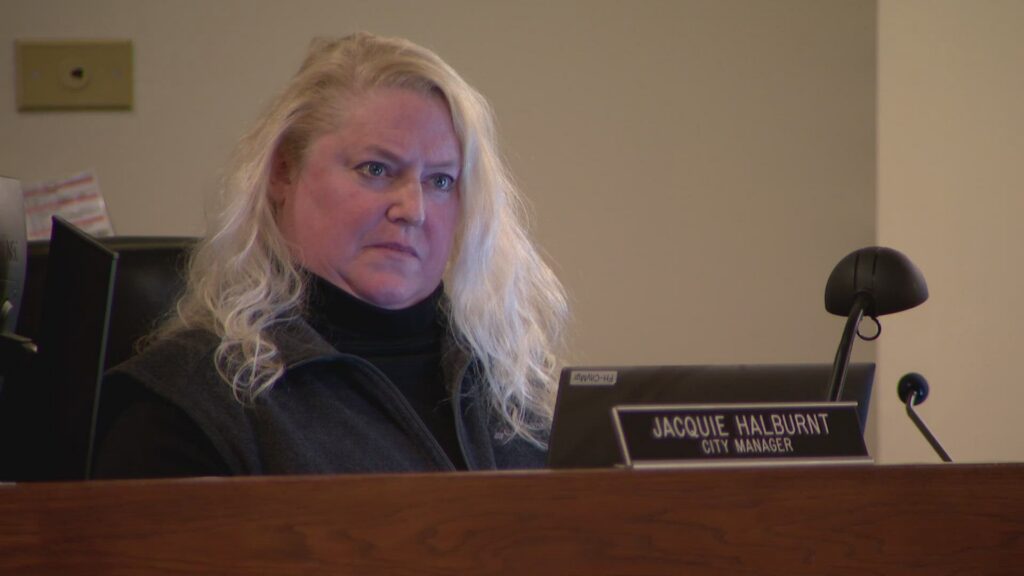
Federal Heights starts audit of fire, police departments
Sage Kelley
sage.kelley@denvergazette.com
Updated 4 hours ago
Finger pointing continues in Federal Heights. After a Federal Heights City Council executive session Tuesday evening, the council decided to start a financial audit of the city’s fire and police departments — just two weeks after unions representing the departments...
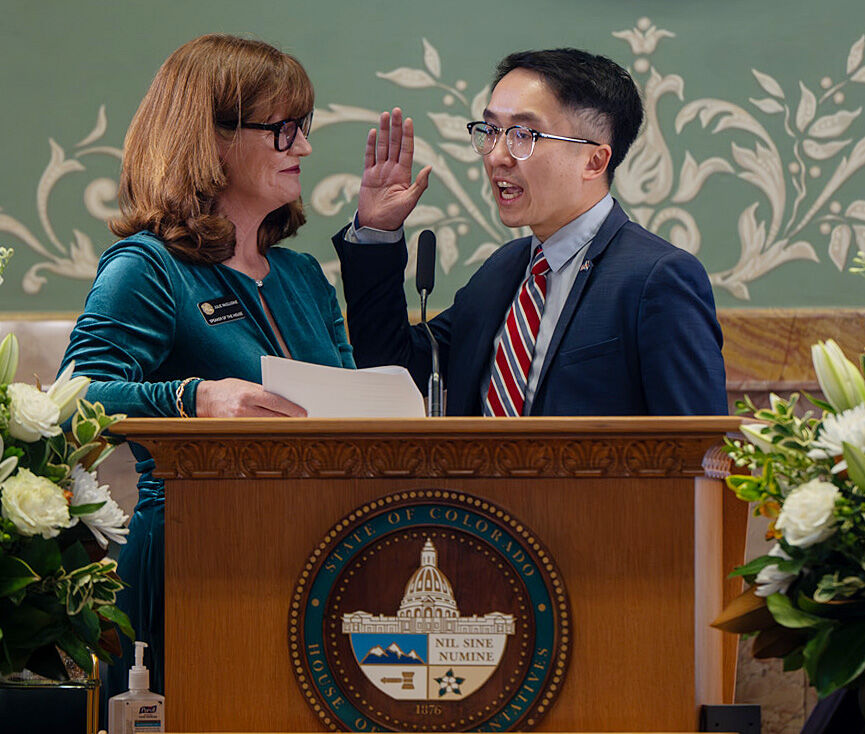
Proposal targets dual office-holding by Colorado legislators | Bills in brief
Marianne Goodland
marianne.goodland@coloradopolitics.com
Updated 6 hours ago
Colorado lawmakers introduce hundreds of bills each year. Bills in Brief cuts through the noise by explaining which proposals matter, what’s at stake, and how decisions at the Capitol could affect everyday life across the state. A bill set for...
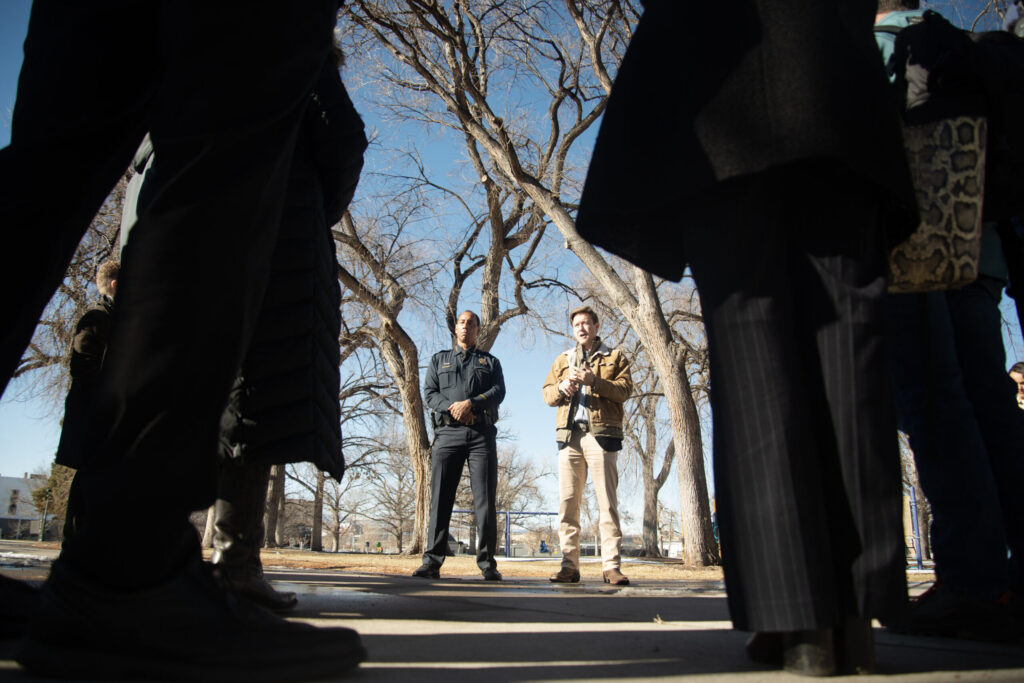
Denver police chief: Officers will intervene when they see ‘excessive force’ by ICE
Michael Braithwaite
michael.braithwaite@gazette.com
Updated 4 hours ago
Denver Police Department Chief Ron Thomas said Wednesday that his officers would step in if they witnessed any “excessive force” used by federal agents during operations in the city. “If we see a federal officer who we believe is using...