

Republicans put Mike Johnston on the defensive about Denver’s ‘sanctuary’ policies
Denver Mayor Johnston, dressed in a dark blue jacket and striped red tie, immediately found himself on the defensive as the U.S. House Oversight and Government Reform Committee’s hearing on “sanctuary cities” got underway on Wednesday in Washington, D.C.
Johnston, along with Boston Mayor Michelle Wu, Chicago Mayor Brandon Johnson and New York Mayor Eric Adams, all appeared before the 47-member committee charged with investigating how they and their cities handled the influx of immigrants from the southern border.
That influx had put the cities of Denver and New York under fiscal strain — Denver by nearly $100 million and New York by billions of dollars.
Earlier this week, sources close to the mayor characterized Johnston as “optimistic,” saying he looked forward to telling Denver’s “story” about how it “met a sudden immigrant crisis in a way that was faithful to all the best traditions of Denver.”
Other than in his opening statement, Johnston didn’t really get a chance to do much of that.
Instead, Johnston and his mayoral colleagues immediately came under fire, often unable to finish sentences, as Republicans pressed for answers and repeatedly told them to stick to “yes” or “no.”
When he was permitted to elaborate, Johnston largely avoided the antagonistic exchanges that occurred between the committee’s Republican members and his fellow mayors.
There were tense moments, such as when U.S. Rep. Lauren Boebert challenged Johnston on the city’s response to the illegal immigration crisis.
The Denver mayor largely stayed away from offering the familiar Democratic talking points, and, for the most part, he didn’t engage in confrontation the way his fellow mayors did. Indeed, the mayors of Boston and Chicago — and the Republicans who questioned them — at times talked over each other. Johnston gave short answers and didn’t insist, as the other mayors did, on elaborations.
“Let’s be honest, these kinds of hearings are not designed to shed a lot of substance of light on any issue,” said Republican strategist Dick Wadhams. “They’re essentially performances by members of Congress, and having said that, I think that Mayor Johnston was held accountable by the Republican members of the committee in terms of his failed policies in Denver that invited tens of thousands of Illegal immigrants in Denver that cost the city lots of money.”
Committee members, in fact, put the bigger spotlight on Johnston, often citing his statement last year about being willing to go to jail to protest President Donald Trump’s deportation plans.
“One of you said you were willing to go to jail,” said Louisiana Republican U.S. Rep. Clay Higgins, referring to Johnston without identifying him. “We might give you that opportunity.”
“I thought Mayor Johnston held his own, made his points well, and by and large, represented Denver in a very honorable manner,” said government affairs expert Michael Dino, who briefly attended the hearing.
Wadhams said the mayor’s opening statement was “as good as it could’ve been, but the bottom line is he’s trying to defend a failed policy.”
“Johnston is a very articulate, smart guy, and so I didn’t expect anything less from him,” he added, calling Johnston’s actions with immigrants “well-intended.”
Of the mayors, Boston Mayor Michelle Wu offered the most in the way of a philosophical rationale for her approach, punctuating it with familiar talking points and repeatedly calling Boston “the safest major city in the country.”
Chicago Mayor Brandon Johnson pushed back on GOP questions and multiple digs at his low approval ratings.
U.S. Rep. Nancy Mace, a South Carolina Republican, asked the Chicago mayor if individuals who cause harm or break laws should be held accountable. When he did not answer with a “yes” or “no,” she cut him off saying, “This is why you have a 6% approval rating — because you suck at answering questions.”
At times, New York Mayor Eric Adams appeared disassociated and distracted. Speaking in a soft voice. He repeatedly denied any “quid pro quo” arrangements related to federal prosecutors dropping charges of alleged corruption and bribery.
Several committee members called for Adams to resign, and Democrats effectively accused him of securing a backroom deal with the Trump administration to get prosecutors to abandon the charges.


Colorado Politics Calendar July 27-Aug. 2
Rachael Wright, Special to Colorado Politics
rachael.wright@coloradopolitics.com
Updated 4 days ago
CoPo’s weekly political calendar will help you find political and public-policy events throughout Colorado. It includes candidate and issue campaign events, public policy meetings, court hearings, state and local party conventions, assemblies, debates, rallies, parades, speaking engagements, traveling dignitary appearances,...
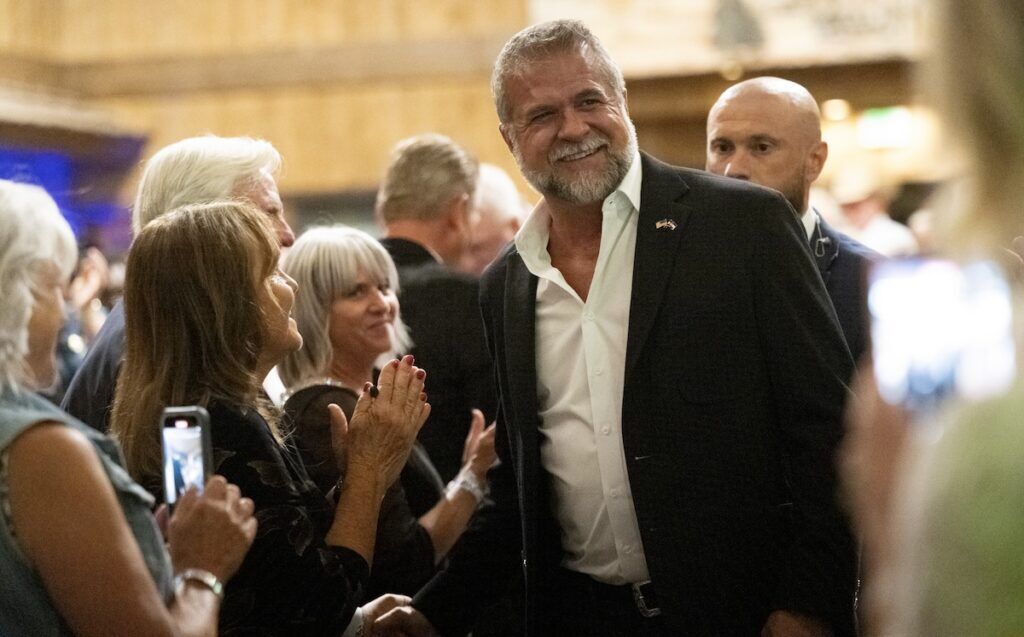
The through line from Donald Trump to Victor Marx | SONDERMANN
By Eric Sondermann
by-eric-sondermann@coloradopolitics.com
Updated 4 days ago
Over 10 years ago, before Donald Trump could ever defeat Hillary Rodham Clinton, he had to first engineer a hostile takeover of the Republican Party. Prior to his descent of that golden escalator, the previous seven Republican presidential nominees had...

Colorado districts prepare for school year amid mental health cuts. But will less cellphone distractions help?
Marissa Ventrelli
marissa.ventrelli@coloradopolitics.com
Updated 2 days ago
The signs of a new school year are everywhere — buses in the shop, teachers unpacking boxes, families ticking through supply lists — but behind the familiar rituals, Colorado districts are preparing for a year defined less by routine than...
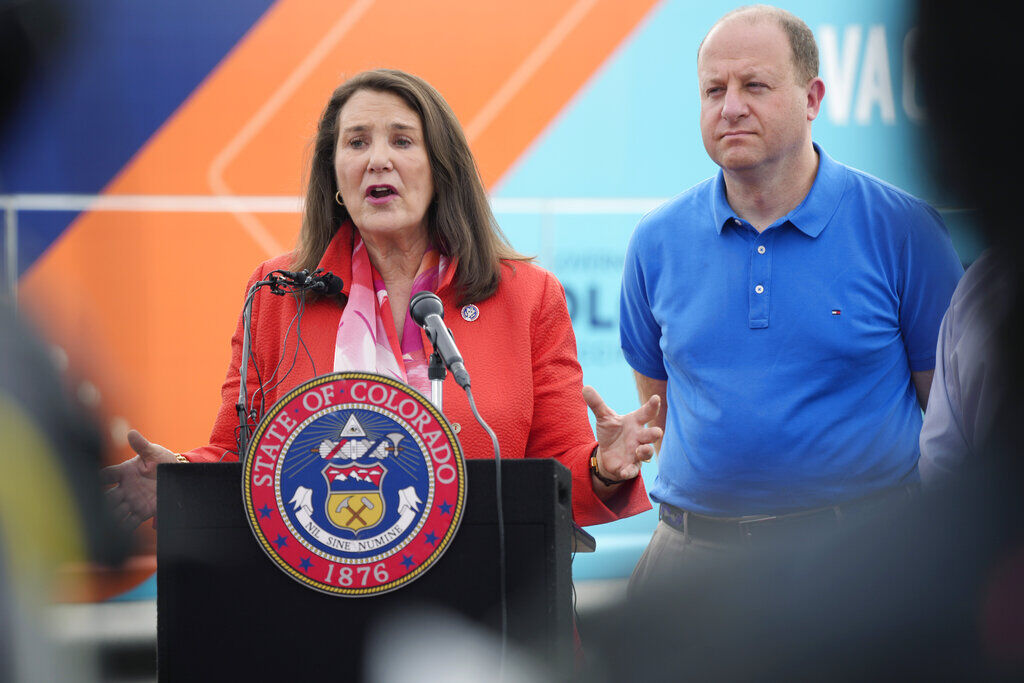
Armstrong staffer considers congressional bid, DeGette angers rural communities with wilderness act | A LOOK BACK
Rachael Wright, Special to Colorado Politics
rachael.wright@coloradopolitics.com
Updated 3 days ago
Forty-five years ago this week: If the lines were drawn just right, Republican Sen. Bill Armstrong stood the chance of losing his office manager, Ruth Fountain. Fountain admitted she was seriously thinking about running for Colorado’s new congressional seat in...
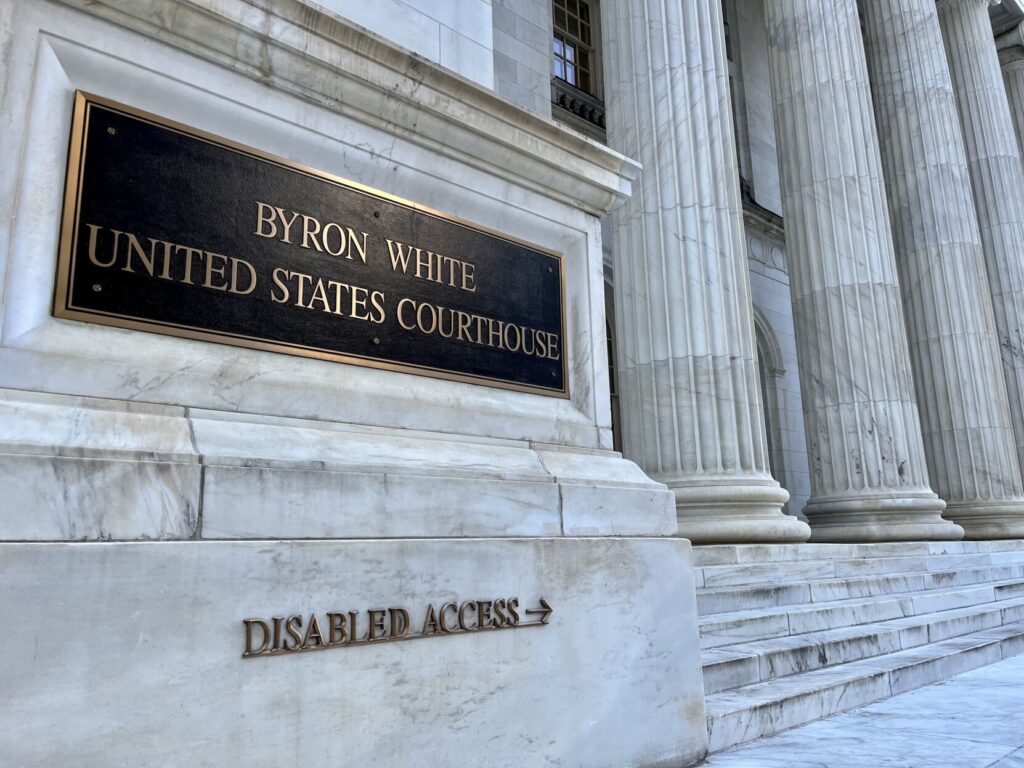
10th Circuit dismisses woman’s lawsuit following 10-year attempt to undo restraining order
Michael Karlik
michael.karlik@coloradopolitics.com
Updated 2 days ago
The Denver-based federal appeals court rejected a woman’s challenge on Friday to a restraining order imposed on her more than a decade ago, finding that she cannot credibly claim she will be prosecuted for violating the restraining order through her...
10th Circuit dismisses woman’s lawsuit following 10-year attempt to undo restraining order
Michael Karlik
michael.karlik@coloradopolitics.com
Updated 2 days ago
The Denver-based federal appeals court rejected a woman’s challenge on Friday to a restraining order imposed on her more than a decade ago, finding that she cannot credibly claim she will be prosecuted for violating the restraining order through her...
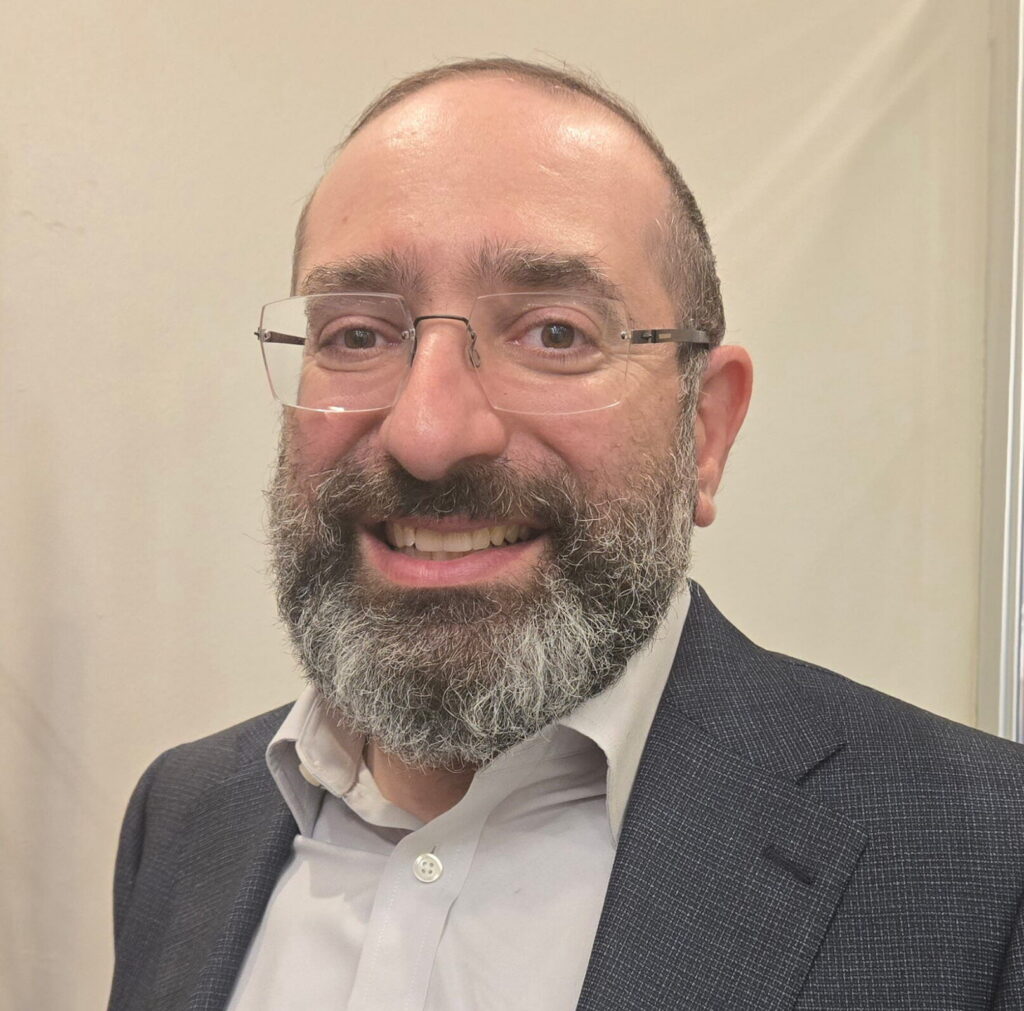
Surprise candidate Shimon Blau cleared to face off against Melat Kiros in November
Ernest Luning
ernest.luning@coloradopolitics.com
Updated 2 days ago
Unaffiliated congressional candidate Shimon Blau, a Denver doctor, has qualified by petition for the general election in Colorado’s 1st District, where Democrat Melat Kiros defeated 15-term U.S. Rep. Diana DeGette in last month’s primary, the Colorado Secretary of State’s Office...

Colorado produce not tied to nationwide cyclospora outbreak, agriculture officials say
Marissa Ventrelli
marissa.ventrelli@coloradopolitics.com
Updated 1 day ago
There is no indication that the recent outbreak of cyclospora, a fecal parasite that has contaminated food and water across nearly every state, can be linked to produce grown in Colorado, according to the state’s Department of Agriculture. “Colorado growers...

UNC opens College of Osteopathic Medicine
Marissa Ventrelli
marissa.ventrelli@coloradopolitics.com
Updated 2 days ago
The University of Northern Colorado held a grand opening for its new College of Osteopathic Medicine on Friday, with Gov. Jared Polis in attendance to celebrate the culmination of a two-year, $127.5 million project. The project was funded through legislation...
Colorado equal pay law does not require plaintiffs to allege gender-based retaliation, appeals court finds
Michael Karlik
michael.karlik@coloradopolitics.com
Updated 1 day ago
The 2019 Colorado law aimed at rooting out pay discrimination on the basis of sex does not require a plaintiff to allege their employer retaliated against them for sex- or gender-related reasons, the state’s second-highest court decided on Thursday. Lawmakers...