

Colorado Springs D-11 school district touts cellphone policy, as states considers new law
While not fond of more government oversight, Jill Haffley said, “It’s about time.”
Haffley, vice president of Colorado Springs D-11 School District, was referring to a proposed bill at the state Capitol requiring all school districts to establish a cellphone policy by 2026.
Haffley’s school district is already ahead of state efforts. It has implemented cellphone policies that went into effect at the start of the 2024-25 school year.
The school board member said that while specific data on the policy’s success will not be available until after the current school year, early indications are positive.
D-11 requires students to put phones in pouches during the school day, creating a device-free learning environment.
“While groups of students complain about it together, individually students admit they like it,” Haffley said.
Providing a specific example, Haffley said that a female high school student said that not using phones during school hours has allowed them to “breathe” again.
Today, students are more engaged, she said. The hallways are full of chatter, with students talking directly to each other, instead of staring at a phone screen, she said.
One of the biggest arguments against prohibiting phones in classrooms is the parents’ desire to always be in constant contact with their children, Haffley said. While she understands the sentiment, she said a classroom with 35 students receiving texts from parents creates a distracted learning environment.
Wading into the cellphone debate this year, the Colorado legislature is tackling a bill that would require school districts to implement policies. House Bill 1135 does not say what those policies should be. If passed, the bill mandates districts to establish a policy describing the prohibitions, if any, and any exceptions regarding student communication devices.
The bill passed the House 49-16. It will now be heard by the Senate Education Committee. Rep. Mary Bradfield, R-Colorado Springs, Rep. Megan Lukens, D-Glenwood Springs, and Sen. Lisa Frizell, R-Castle Rock, sponsored the legislation.
Haffley said she likes the state’s approach in allowing each school district to establish their own policies.
Cellphones in schools have become a nationwide subject of debate, with 19 other states adopting laws and policies.
In introducing the bill, Bradfield said cellphones are an unnecessary distraction to students that can negatively impact test scores, lesson retention, and students’ mental health. Over 95% of teens in the United States own cellphones, and 65% of Generation Z students said they have suffered from mental health problems in the past two years.
Children’s Hospital Colorado is also throwing its support behind the bill. Research shows that adolescents who spend more than three hours per day on social media may face double the risk of experiencing poor mental health outcomes, such as symptoms of depression and anxiety.
Lauren Henry, a child psychologist with Children’s Hospital Colorado, said the average teen spends four to five hours a day on social media, doubling their risk of anxiety and depression. She called the bill a common sense and balanced approach, as the local control aspect still allows districts to find a policy that best fits their needs.
According to a recent PEW Research Study, 72% of U.S. High School teachers say cellphone distraction has become a significant problem in the classroom. The study says enforcing cellphone policies continues to be challenging even in districts with stricter policies.
In a statement, Children’s Hospital said, “The cellphone bill will allow school districts to create their own locally developed policies regarding screen time and cellphone use during school hours in K-12 settings and will consider key elements, such as balancing the benefits of technology in education with the need to minimize distractions in a classroom.”
In November, several candidates running for the State Board of Education said they would support school districts in setting clear policies for cellphones in classrooms.
Republican Yazmin Navarro, who was elected to the District 8 seat, said that, as a paraprofessional working in classrooms, she had gotten a first-hand view of how cellphones impact classrooms, adding that they present both safety and security concerns.
Navarro said when students are using cellphones during class and told to stop, they usually don’t.
She would support schools establishing clear policies that outline where and when students can use their devices.
Marissa Ventrelli contributed to this story.

Longtime community leader Arlene Hirschfeld to be honored | NONPROFIT REGISTER
Joanne Davidson Special to Colorado Politics
joanne-davidson-special-to-colorado-politics@coloradopolitics.com
Updated 50 minutes ago
WOMEN UNITED, MILE HIGH UNITED WAY Denver News: Arlene Hirschfeld, a Denver native who has devoted her adult life to serving others, will receive the 2026 Frances Wisebart Jacobs Award when Mile High United Way hosts its Women United Luncheon on April 17. The award is named...

Boulder police probes sexual assault, ‘drugging’ at bar near CU
Matt Kyle
matt.kyle@denvergazette.com
Updated 8 minutes ago
The Boulder Police Department is investigating reports of sexual assault and “suspected drugging” involving underage girls at a bar. Police said there may be additional victims who have not yet come forward, the department said in a news release. The...
Appeals court finds no illegal sentence when defendants forfeit time-served credit
Michael Karlik
michael.karlik@coloradopolitics.com
Updated 1 hour ago
Colorado’s second-highest court ruled on Thursday that criminal defendants may agree to relinquish the credits they earned while incarcerated pending trial, despite a state law guaranteeing that such time “shall be deducted” from a person’s sentence. Kerry Ellis Endsley pleaded...
From pause to progress — a better path on AI policy | OPINION
Colorado Politics
colorado-politics@coloradopolitics.com
Updated 12 hours ago
By Brittany Morris Saunders and Loren Furman Last year, following the Special Legislative Session, we wrote in Colorado Politics that delaying Colorado’s AI Act was not a setback. It was an opportunity. We asked state leaders to pause, bring more...
Cutting Prop 123 would cost Colorado far more than it saves | OPINION
Colorado Politics
colorado-politics@coloradopolitics.com
Updated 3 hours ago
By Luke Teater Colorado’s legislative budget writers are about to receive updated revenue forecasts and begin making final cuts to close a historic budget gap, and Proposition 123’s affordable housing financing tools are on the chopping block. But in their...
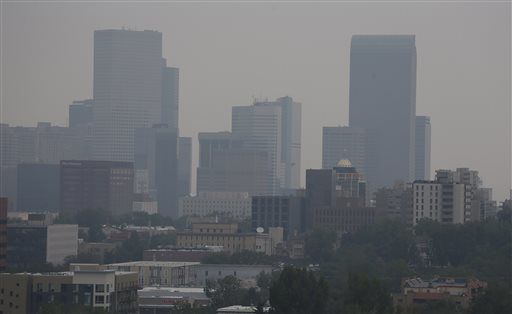
Denver area smoke blowing in from Nebraska fires
Michael Braithwaite
michael.braithwaite@gazette.com
Updated 6 minutes ago
The Denver area became enveloped in a thick haze Thursday afternoon as smoke blew in from fires to the east, the National Weather Service said. Originating from the Ashby and Minor fires in the Sandhills of Nebraska, the smoke began...
Appeals court reinstates Garfield County arson charge
Michael Karlik
michael.karlik@coloradopolitics.com
Updated 19 hours ago
Colorado’s second-highest court reinstated a Garfield County defendant’s arson charge on Thursday, concluding a trial judge improperly credited a witness’s claim that she alone was responsible for starting the fire. A sheriff’s deputy responded to a brush fire near Parachute...

Democratic US Sen. John Hickenlooper qualifies for Colorado primary by petition, will skip assembly
Ernest Luning
ernest.luning@coloradopolitics.com
Updated 18 hours ago
U.S. Sen. John Hickenlooper has qualified for Colorado’s Democratic primary after the first-term incumbent submitted enough valid petition signatures to make the ballot, state officials said. Hickenlooper is facing primary challenges from state Sen. Julie Gonzales, D-Denver, and university professor...
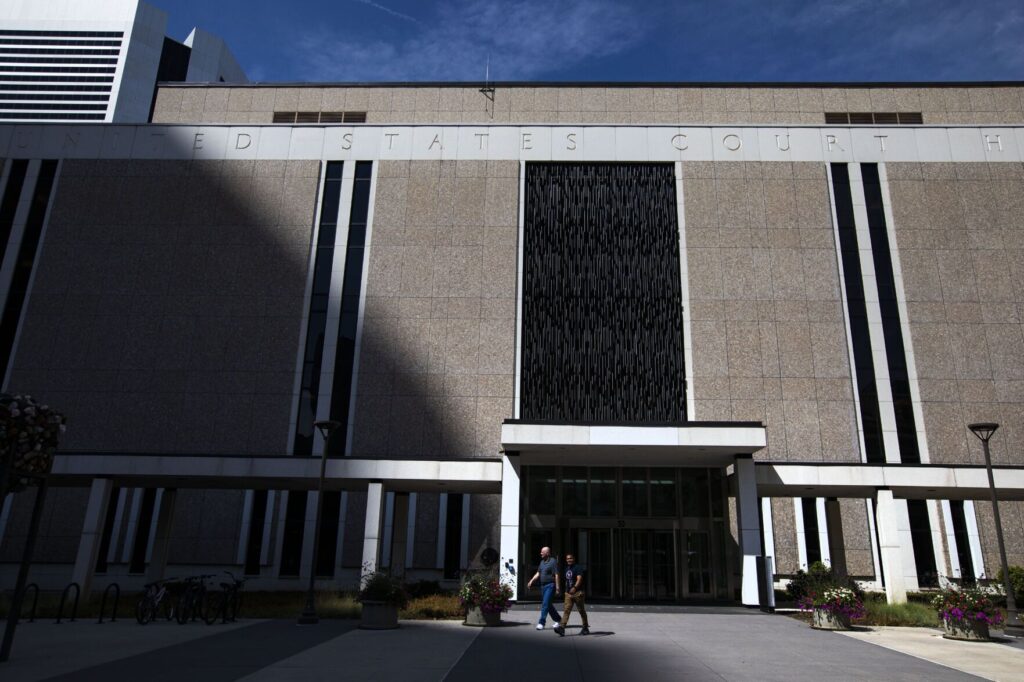
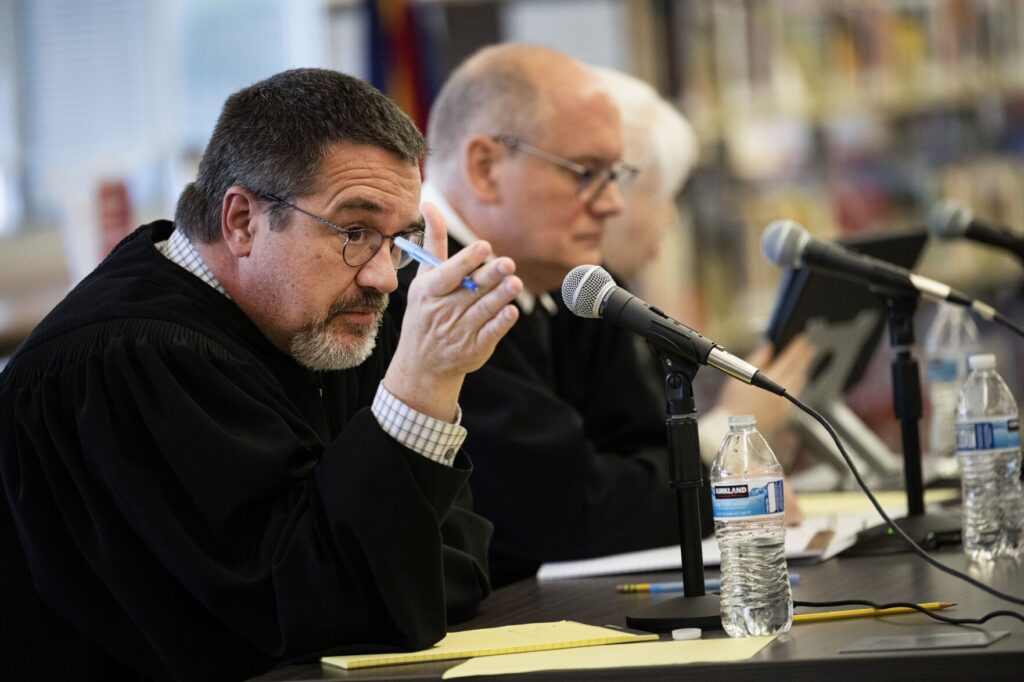
Federal judges rebuke ex-Colorado judicial discipline director for conduct in lawsuit
Michael Karlik
michael.karlik@coloradopolitics.com
Updated 20 hours ago
A pair of federal judges expressed a desire on Thursday to break the logjam on a lawsuit by Colorado’s former judicial discipline director against the state Supreme Court and related entities, while simultaneously showing little tolerance for the plaintiff’s scorched-earth...
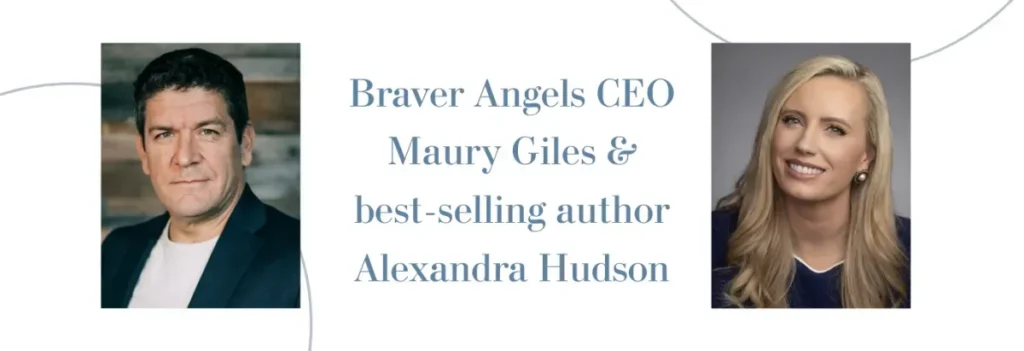
‘Civility in the City’ event with two national experts to be held Monday at UCCS
DEBBIE KELLEY
debbie-kelley@coloradopolitics.com
Updated 2 minutes ago
Two notables working on the front lines of civic and cultural repair will discuss “Civility in the City” on Monday at the University of Colorado’s Colorado Springs campus. The event will feature Maury Giles, CEO of Braver Angels, and Alexandra...