

Longest serving Colorado House speaker makes surprise announcement | A LOOK BACK
Thirty-Five Years Ago This Week: Announcing his intentions months in advance, at the start of the legislative session, the longest serving speaker of the Colorado House of Representatives, Carl “Bev” Bledsoe, R-Hugo, said that he would not seek re-election in November.
Bledsoe had held the speaker position for 10 years but told The Colorado Statesman that he and his wife had jointly decided this would be his last term. Bledsoe also told reporters that he had purposefully made the announcement early in the legislative session so potential candidates for his House District 64 seat could have time to campaign effectively.
“I look around House District 64 and I see several people who could ably represent the interests of the small town and the agricultural people who make up the 64th district,” Bledsoe said. “I look around my caucus and I see several representatives who could do an outstanding job as speaker. And then I look further and see fields I have not tried.”
When Bledsoe’s decision was made public, speculation and rumors flew rampant through the state capitol. If Republicans held their majority in the November 1991 election, Reps. Chuck Berry, R-Colorado Springs, Paul Schauer, R-Littleton, Scott McInnis, R-Glenwood Springs, and Carol Taylor-Little, R-Arvada, were among the names floated for speaker.
In other news, Sen. Pat Pascoe, D-Denver, spoke with The Statesman about Senate Bill 90-93, the Firearms Safety Act, which had been written to prevent the acquisition of firearms by individuals who’d been convicted of a felony, those certified for treatment for mental illness or those under a restraining order based on testimony that they pose a threat to the life or health of another person.
The length of time it would take to purchase a firearm could take anywhere from seven to 21 days as those who were looking to purchase would have to present a letter of authorization from their local police chief or sheriff. Still the purchaser would have to wait an additional seven days from the letter’s date of issue. In addition, every purchaser would be required to complete an approved firearms safety course.
“The public is very supportive of this type of legislation and 89% of all adults nationwide favor a two-week waiting period to allow time to check a buyer’s background before that person can buy a gun,” Pascoe said.
According to the National Rifle Association, 21 states had handgun application and waiting period laws on their books. In one year alone in Illinois, 2,470 prohibited persons had been denied firearms purchases, and in New Jersey, over 10,000 had been denied since their laws had gone into effect.
“Colorado can’t afford not to keep guns out of the hands of felons, certified mentally ill, and persons with restraining orders,” Pascoe said, “because they are a danger to others. This is no more than common sense. The debate should not be over whether we do it, but how.”
Fifteen Years Ago: Standing in the frigid cold on the west steps of the state capitol building, Denver Mayor John Hickenlooper announced his intent to run for Colorado governor, saying with a shy smile that he hoped there wouldn’t be a primary.
Former Speaker of the House Rep. Andrew Romanoff, D-Denver, was then running for U.S. Senate and rumors abounded that he might switch to the governor’s race. Hickenlooper told the assembled press that he had spoken with Romanoff, but said he would not disclose further details.
Hickenlooper told the crowd that some might see this as the worst time to run for governor as the country was in its worst economic downturn since the depression, but he said, “sometimes fate has a way of delivering opportunity right when the hill is at its steepest.”
Rachael Wright is the author of several novels including The Twins of Strathnaver, with degrees in Political Science and History from Colorado Mesa University, and is a contributing writer to Colorado Politics and The Colorado Springs Gazette.


Judicial performance evaluations released, Montezuma County judge disciplined | COURT CRAWL
Michael Karlik
michael.karlik@coloradopolitics.com
Updated 10 hours ago
Welcome to Court Crawl, Colorado Politics’ roundup of news from the third branch of government. Colorado’s citizen-led judicial performance commissions released their voter narratives for the judges standing for retention in November, plus a disciplinary panel imposed consequences on a...
Colorado House Democrats’ caucus finances under scrutiny as ethics case against leader advances
Marianne Goodland
marianne.goodland@coloradopolitics.com
Updated 11 hours ago
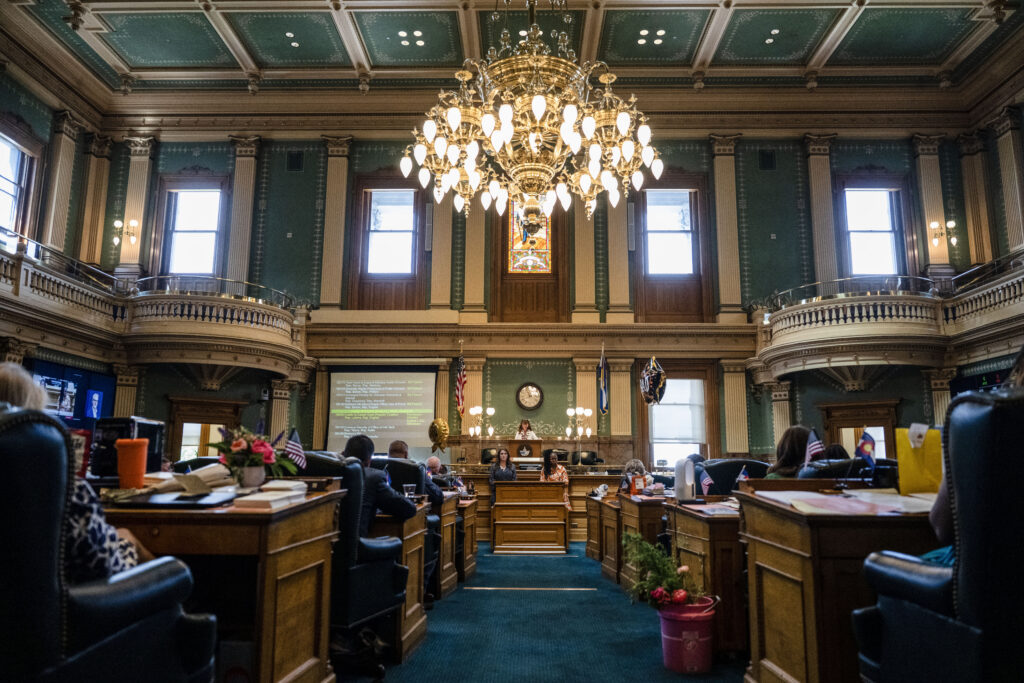
Democratic lawmakers told a legislative ethics panel that a leader’s management of caucus finances left them with unanswered questions, disputed reimbursements and a breakdown in communication that ultimately triggered a formal complaint. The House Ethics Committee is examining a complaint...
Federal judge holds off on dismissing formerly bankrupt medical contractor from Jeffco jail death lawsuit
Michael Karlik
michael.karlik@coloradopolitics.com
Updated 13 hours ago
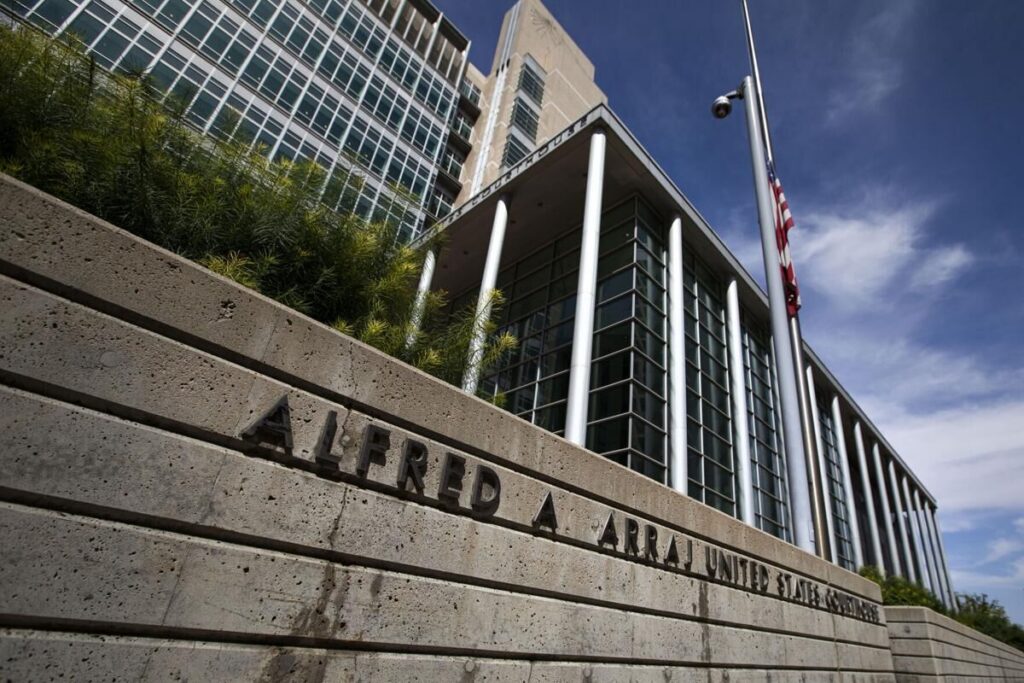
A federal judge declined on Monday to dismiss the formerly bankrupt medical contractor from a lawsuit over a detainee’s death in Jefferson County jail, but indicated she would do so if the plaintiffs’ attorneys go through the process to ensure...
Here are the 10 oldest members of Congress running for reelection
Lauren Green
lauren-green@coloradopolitics.com
Updated 14 hours ago
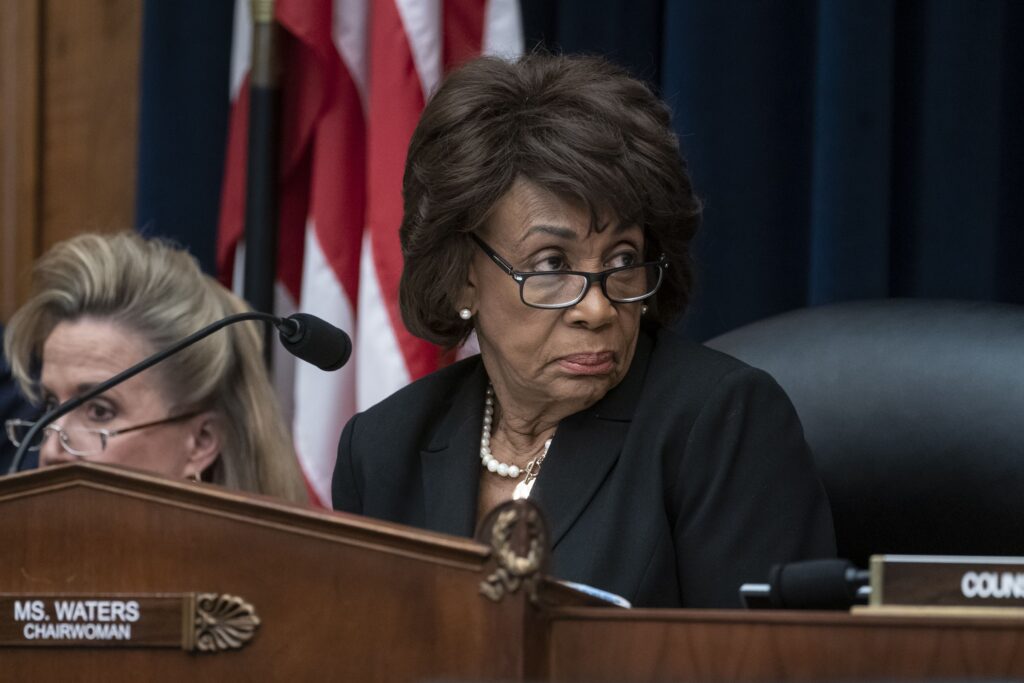
Capitol Hill has long been called a “retirement home,” as well over 100 House members and half the Senate are over the age of 65. That reputation doesn’t look due to change anytime soon — there are currently more than...
Fauci ignored reports of COVID vaccine side effects, new documents show
Gabrielle M. Etzel
gabrielle-m-etzel@coloradopolitics.com
Updated 15 hours ago
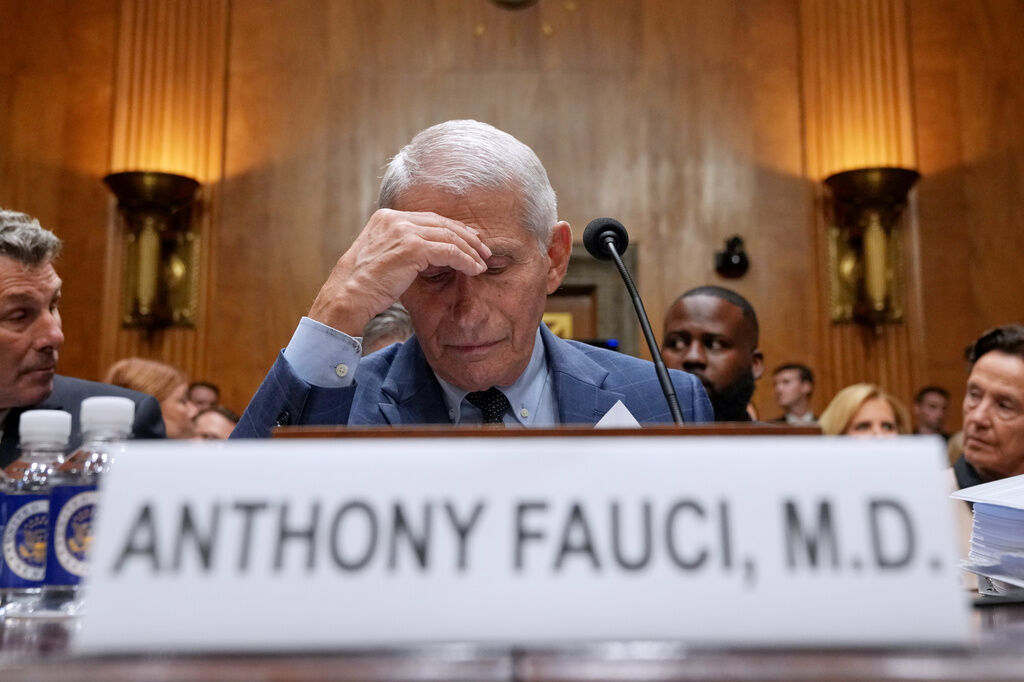
Dr. Anthony Fauci was made aware of possible COVID-19 vaccine complications by other senior-level public health officials in early 2021, according to new emails and text messages released by Senate Republicans on Sunday. Documents released by Sens. Rand Paul (R-KY)...

Majority of Americans say they’re worse off financially since Trump took office again: Poll
Emily Hallas
emily-hallas@coloradopolitics.com
Updated 15 hours ago
The majority of the public believes they are worse off financially than when President Donald Trump won a second term nearly two years ago, according to a new poll that painted an ominous picture of Republicans’ electability in the 2026...

Colorado River crisis: Lake Mead, Lake Powell inch closer to ‘dead pool’
Marianne Goodland
marianne.goodland@coloradopolitics.com
Updated 10 hours ago
In the past 10 days, both Lake Mead on the Arizona-Nevada border and Lake Powell roughly 300 miles northeast on the Utah-Arizona line have recorded their lowest water levels since the reservoirs were first filled. Lake Mead, the nation’s largest...

Colorado lieutenant governor candidate Markert says early discipline and key mentors set his course
Marianne Goodland
marianne.goodland@coloradopolitics.com
Updated 17 hours ago
Editor’s note: This is the first installment in a three-part series examining Colorado’s candidates for lieutenant governor. In this piece, Colorado Politics speaks with George Markert, the Republican running mate to gubernatorial candidate Victor Marx. Marx is competing against Democrat...

The hidden politics of time: How clocks, calendars — and now-contentious time zones — came to be
The Associated Press
the-associated-press@coloradopolitics.com
Updated 20 hours ago
NEW YORK (AP) — It flies. It heals all wounds. It can be of the essence, and it can be money. We thrill in the best of it, lament the worst. We’re warned not to waste it, since we can’t...

1 killed in flash flooding in Beulah: Pueblo County Sheriff’s Office
O'Dell Isaac
odell.isaac@gazette.com
Updated 18 hours ago
One person was killed in Beulah on Sunday after floodwaters swept him downstream, according to a news release from the Pueblo County Sheriff’s Office. The male victim, whose name was not released, was standing near Colorado 78 and Central Avenue...