

On Navajo Nation, push underway to electrify more homes on vast reservation | OUT WEST ROUNDUP
NAVAJO NATION
Push underway to electrify more homes
HALCHITA, Utah — After a five-year wait, Lorraine Black and Ricky Gillis heard the rumblings of an electrical crew reach their home on the sprawling Navajo Nation.
In five days’ time, their home would be connected to the power grid, replacing their reliance on a few solar panels and propane lanterns. No longer would the CPAP machine Gillis uses for sleep apnea or his home heart monitor transmitting information to doctors 400 miles away face interruptions due to intermittent power. It also means Black and Gillis can now use more than a few appliances at the same time.
Many Navajo families still live without running water and electricity, a product of historic neglect and the struggle to get services to far-flung homes on the 27,000-square-mile Native American reservation that lies in parts of Arizona, New Mexico and Utah.
Astonished at high cost, Colorado regulators scrutinize Xcel's $3 billion transmission line request
For years, the Navajo Tribal Utility Authority has worked to get more Navajo homes connected to the grid faster. Under a program called Light Up Navajo, which uses a mix of private and public funding, outside utilities from across the U.S. send electric crews to help connect homes and extend power lines.
But installing power on the reservation roughly the size of West Virginia is time-consuming and expensive due to its rugged geography and the vast distances between homes. Drilling for power poles there can take several hours because of underground rock deposits while some homes near Monument Valley must have power lines installed underground to meet strict regulations around development in the area.
About 32% of Navajo homes still have no electricity. Connecting the remaining 10,400 homes on the reservation would cost $416 million, said Deenise Becenti, government and public affairs manager at the utility.
This year, Light Up Navajo connected 170 more families to the grid. Since the program started in 2019, 882 Navajo families have had their homes electrified. If the program stays funded, Becenti said it could take another 26 years to connect every home on the reservation.
ARIZONA
Wolf’s death alarms environmentalists
FLAGSTAFF — A federally protected female Mexican wolf was found dead in an area near the northern Arizona city of Flagstaff, alarming environmentalists who worry someone may have deliberately killed the animal.
The U.S. Fish and Wildlife Service and Arizona Game and Fish Department announced in a joint statement on Nov. 15 that the animal known to biologists as Mexican wolf F2979 was found dead on Nov. 7. It was located outside the boundaries established along the Arizona-New Mexico border for managing the rarest subspecies of gray wolf in North America.
Officials did not release the cause of death except to say that it was “not related to agency management actions.” Up to $103,500 in reward money had been pledged for information “that leads to successful prosecution in the case,” they said.
Wolf found dead in Grand County died from fight with another wolf, according to report
Mexican gray wolves are protected under the Endangered Species Act. Killing a Mexican wolf can result in criminal penalties of up to $50,000, and/or up to one year in jail, seizure of firearms, vehicles, and buildings involved in the crime, along with a potential civil penalty of up to $25,000.
The state and federal agencies said in the joint release that the female wolf was first documented outside the government-designated “Mexican Wolf Experimental Population Area,” located north of Interstate 40 near Flagstaff in the early summer of 2024.
Mexican gray wolves were first reintroduced into the Southwestern U.S. a quarter century ago. After a slow start, their numbers have grown in recent years to more than 250 in Arizona and New Mexico.
WYOMING
Lawmakers want ‘noncitizen’ label on IDs
CHEYENNE — The Wyoming legislature’s Joint Transportation, Highways and Military Affairs Committee voted on Nov. 15 to sponsor a bill draft that would add citizenship/residency status to state-issued identification cards.
If passed during the 2025 general session, the bill would require a complete redesign of ID cards issued by the Wyoming Department of Transportation in order to add a line reading, “Not a United States citizen” and colors that would indicate the citizenship status of a cardholder.
The number of these types of cards needed and the cost are unknown at this time.
The bill’s intent, according to Secretary of State Chuck Gray, is to take a “step in the right direction” by continuing to enforce voter security and make the jobs of county clerks easier when registering voters.
Denver considers charter amendment allowing noncitizens to become first responders
Gray’s primary concern is addressing alleged instances of noncitizens registering to vote, even though there have been no recent reports of noncitizens voting.
In addition to concerns about need and cost, one issue with passing this draft bill is the limited information a physical ID provides.
WYDOT Deputy Director Taylor Rossetti testified that by the 2026 election cycle, there may be a more technologically advanced way to address the issue without spending the time and money redesigning ID cards.
NEW MEXICO
Retired research chimps headed to sanctuary
ALBUQUERQUE — The National Institutes of Health decided to relocate nearly two dozen retired research chimpanzees from a facility in New Mexico to a sanctuary in Louisiana, a move celebrated on Nov. 8 by animal advocates who have been fighting for years to get the animals moved.
NIH representatives confirmed in an email that the transfer of the 23 chimps from the Alamogordo Primate Facility at Holloman Air Force Base in southern New Mexico will happen in the coming months.
Staffing issues, namely the planned retirement of the chimps’ caretakers, prompted the decision to move the chimps, the agency stated. The animals have not been used as test subjects since 2015, when the NIH retired chimpanzees — humans’ closest relatives — from invasive research.
Colorado justices skeptical of animal rights group's attempt to free Cheyenne Mountain Zoo elephants
More than 200 were previously moved to the federally supported sanctuary, but the NIH said it was decided in 2019 that some were too frail to be relocated due to their health conditions. They remained at the base under the care of contracted veterinarians and caregivers.
The chimps — which range in age from 34 to 62 years old — could have years ahead of them to enjoy life at the sanctuary, advocates said. The sanctuary has cared for hundreds of chimps since the first two animals arrived there in 2005. That includes 214 that were sent there from NIH-supported facilities following the agency’s 2015 decision.
Wyoming to sell land in Grand Teton National Park to federal government for $100M | OUT WEST ROUNDUP
Vigil held for beloved Grand Teton Grizzly No. 399, who was killed by a vehicle | OUT WEST ROUNDUP
Settlement enshrines tribe's rights to national preserve for cultural practices | OUT WEST ROUNDUP


10th Circuit partially revives lawsuit over 2020 Denver protest injuries
Michael Karlik
michael.karlik@coloradopolitics.com
Updated 11 hours ago
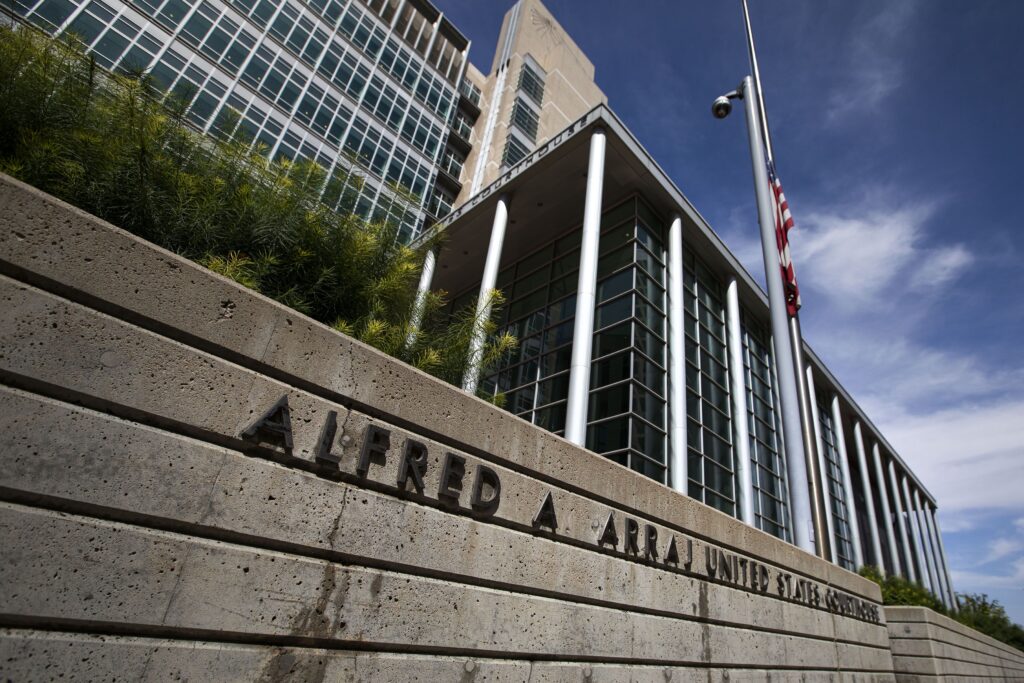
The Colorado-based federal appeals court revived a man’s claims against Denver on Friday after concluding a trial judge resolved the case in the city’s favor without analyzing two of the three instances of alleged excessive force and other constitutional violations....
Federal judges find Colorado immigration judge violated several orders
Michael Karlik
michael.karlik@coloradopolitics.com
Updated 12 hours ago
Multiple federal judges in Colorado have freed people from immigration custody after determining that one immigration judge violated their directives for properly conducting bond hearings. For nearly a year, Colorado’s U.S. District Court has faced a flood of “habeas corpus” petitions...
Q&A with Mike Pence | Former vice president says GOP’s populist turn from conservatism isn’t permanent
Ernest Luning
ernest.luning@coloradopolitics.com
Updated 12 hours ago
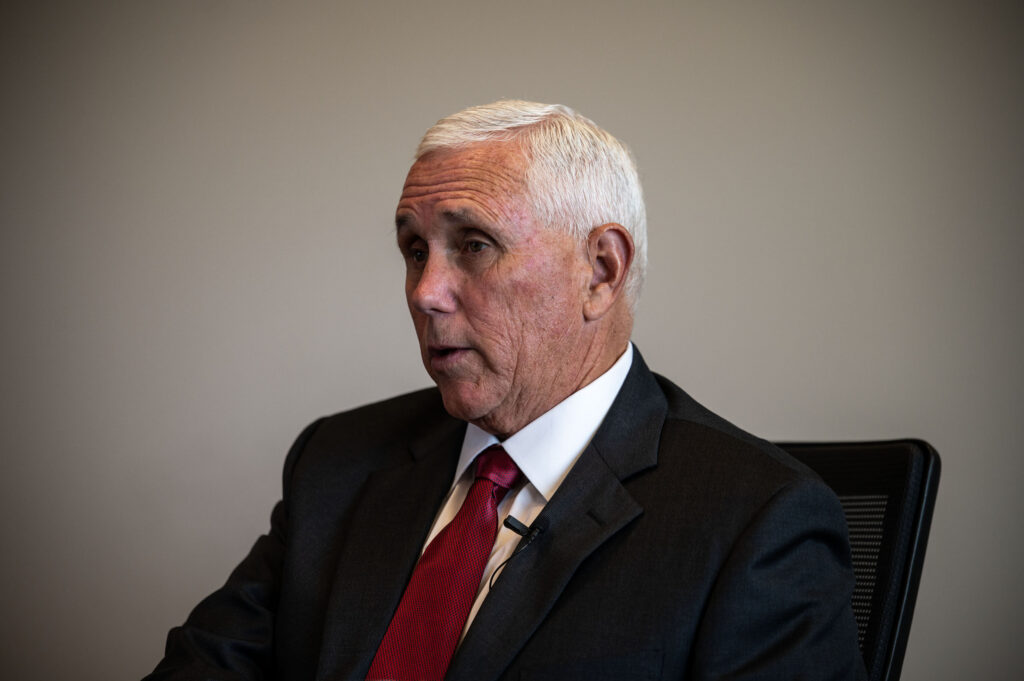
Former Vice President Mike Pence says he’s concerned that the Republican Party has taken a populist turn away from bedrock conservative principles during President Donald Trump’s second term, but he believes the party will return to its roots when Trump...
New federal plan sets short-term rules for Colorado River management
Marianne Goodland
marianne.goodland@coloradopolitics.com
Updated 11 hours ago
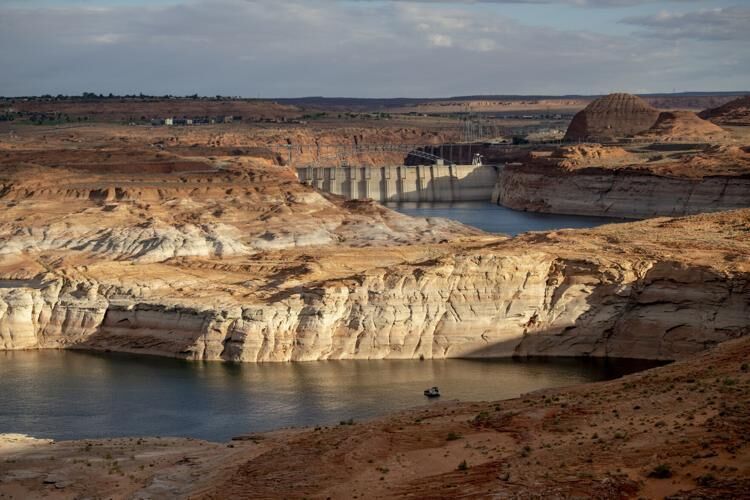
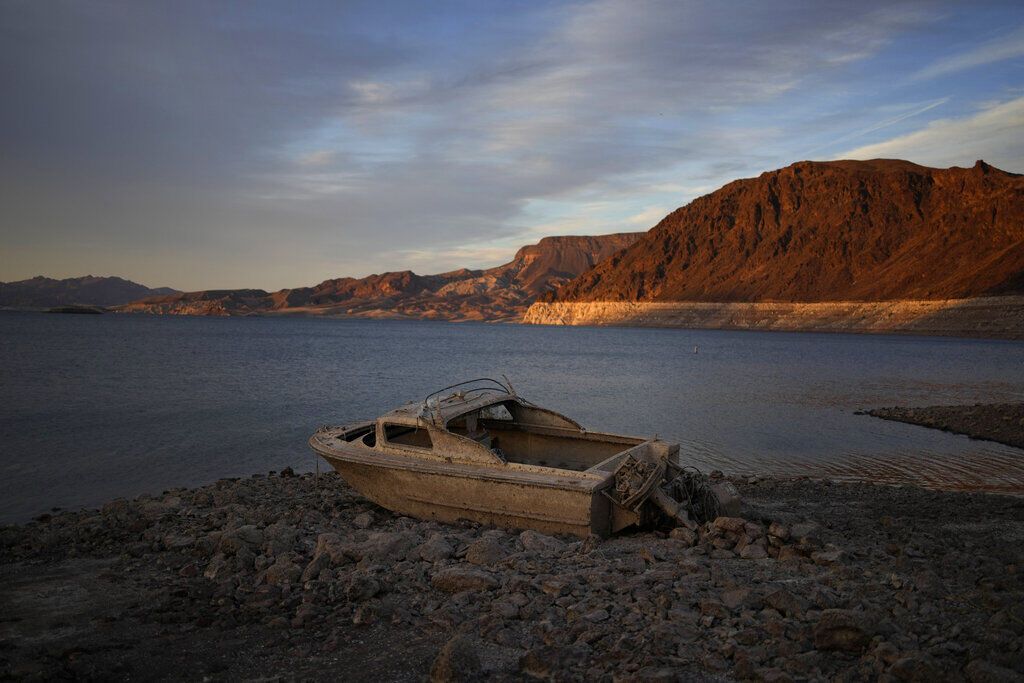
Interior Department’s plan spares Colorado from mandatory cuts for now After years of stalled negotiations among the seven states that rely on the Colorado River, the federal government on Friday released its own plan for managing the drought-strained system. Calling...
Fauci’s diary details blooming outrage toward ‘far right,’ softness toward Biden and China
Hudson Crozier
hudson.crozier@washingtonexaminer.com
Updated 16 hours ago
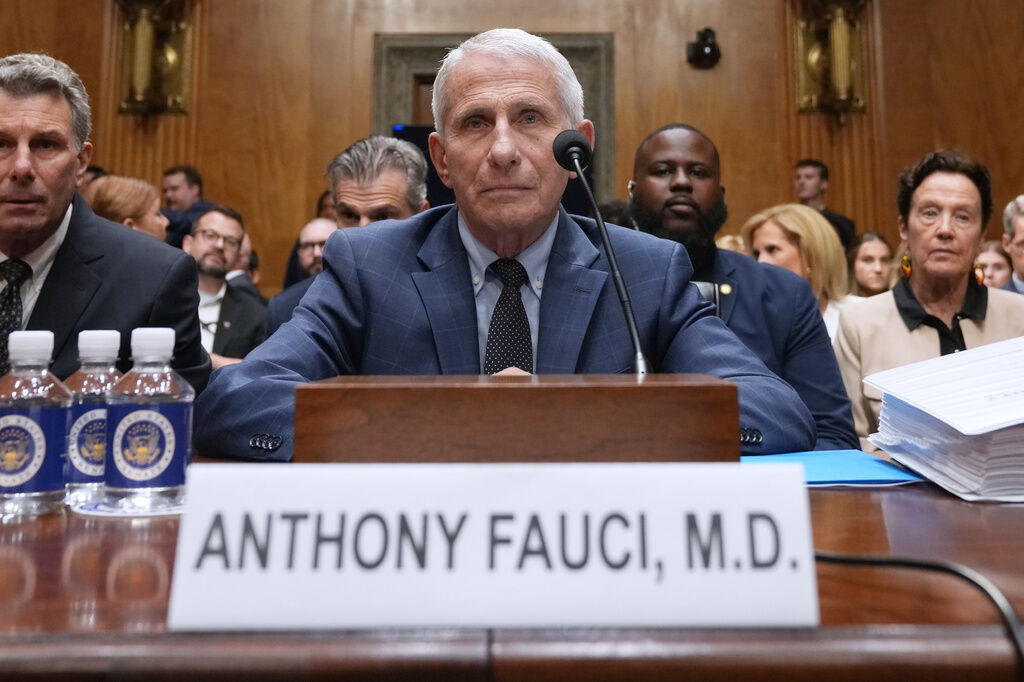
Dr. Anthony Fauci increasingly railed against “far right” critics of his approach to COVID-19 issues while describing strong support from the Biden White House in his pandemic-era diary, which was recently released by Congress. The former National Institute of Allergy...
Colorado is spared mandatory cuts under federal Colorado River proposal
The Associated Press
the-associated-press@coloradopolitics.com
Updated 17 hours ago
California, Arizona and Nevada to take less water under plan While Colorado has been spared from mandatory reductions, Arizona, California and Nevada would take less water from the Colorado River under a proposal announced Friday by the federal government to...

Republican Victor Marx taps George Markert as his lieutenant governor pick in Colorado’s gubernatorial race
Ernest Luning
ernest.luning@coloradopolitics.com
Updated 10 hours ago
Colorado Republican gubernatorial nominee Victor Marx named George Markert, a retired Marine colonel, as his running mate for lieutenant governor Friday morning, saying the former U.S. Senate candidate will bring “exceptional character, proven leadership and a lifetime of serving others”...
Misconduct complaints from ex-Colorado judicial discipline director dismissed against federal judges
Michael Karlik
michael.karlik@coloradopolitics.com
Updated 1 day ago
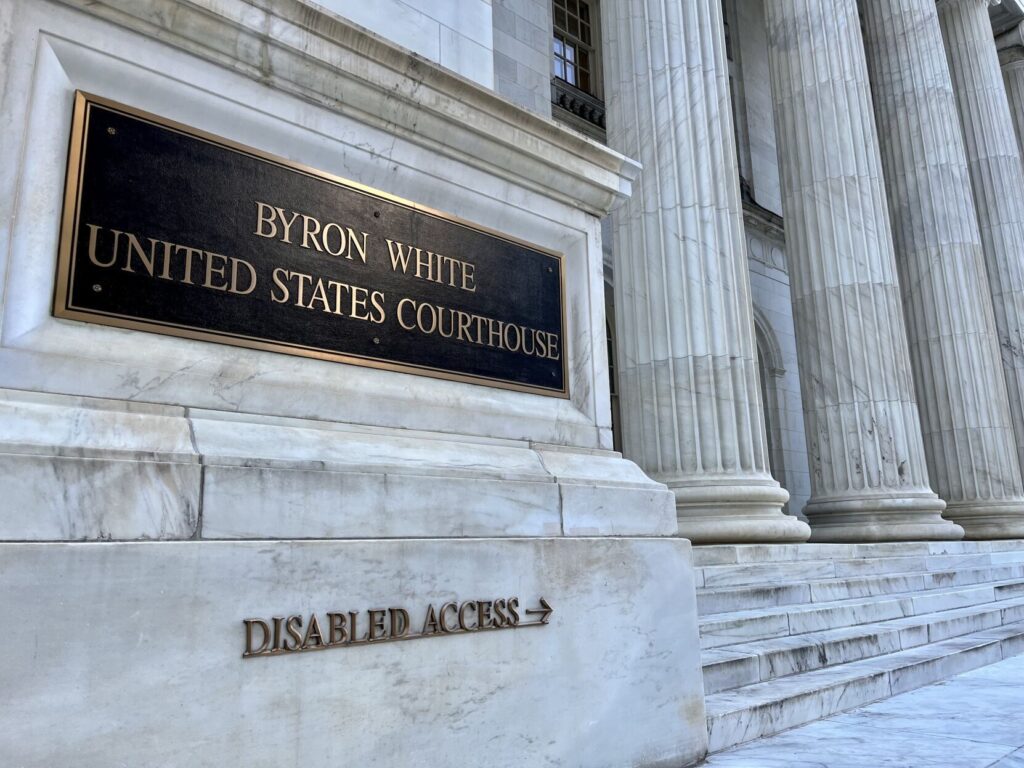
The administrative body for the Denver-based federal appeals court upheld a finding last week that misconduct complaints against Colorado’s chief federal trial judge and the chief appeals judge warranted dismissal and appeared to be a “litigation tactic” by the complaining...
Boulder County coroner IDs body found over 50 years ago
Matt Kyle
matt.kyle@denvergazette.com
Updated 17 hours ago
After nearly 55 years, a body found in Boulder County has been identified. The Boulder County Coroner’s office on Thursday announced it has identified a set of remains found in Bluebell Canyon in August 1971 as Douglas Sumner, 22. The...

First-ever Red Rocks naturalization ceremony draws most diverse group of new citizens
Michael Karlik
michael.karlik@coloradopolitics.com
Updated 13 hours ago
Colorado’s federal trial court held its first-ever naturalization ceremony for nearly 300 new citizens on Thursday at Red Rocks Park and Amphitheatre. “We’re doing it to commemorate the 250th anniversary of the Declaration of Independence and the United States. Red...