

Colorado Springs regional roundtable on juvenile crime: Solutions sought for a growing, multifaceted problem
Colorado Springs law enforcement saw more than 500 juvenile offender interactions per month in 2024, up from just over 400 per month in 2023, prompting officials to dig deeper for answers.
A Public Safety Summit Wednesday brought community leaders and state legislators together to discuss the increase and possible solutions ahead of the upcoming legislative session.
In recent years, law enforcement has reported a significant increase in juvenile crime, ranging from violent offenses to property crime, like the influx of smash-and-grabs Colorado Springs has seen this year.
‘Smash-and-grab’ juveniles attacking Colorado Springs smoke shops, often with stolen cars
Since 2021, the Colorado Springs Police Department reports a 59% increase in juveniles suspected of violent crime compared to an overall 10% increase in violent offenses. In addition, there has been a 49% increase since 2021 in juveniles in possession of a firearm during these crimes.
Across Colorado as a whole, since 2010 juvenile crime rates have decreased overall but have increased for crimes against person: murder increased 210%, aggravated assault 17% and robbery 12.3%.
Common Sense Institute published a report in February estimating juvenile crime costs Colorado residents more than $3 billion annually. On a local level, many businesses in Colorado Springs have been impacted due to the smash-and-grabs, with over 40 reported for the year as of November.
Michael Allen, the 4th Judicial District attorney, said the state has “eroded” the ability to hold juvenile offenders accountable. In 2019, Colorado had 380 bed spaces available to hold these offenders. That number has slowly gone down in the years since.
Colorado Springs police arrest 12-year-old and 15-year-old for alleged motor vehicle theft
That same year, the number of beds was reduced to 320. Once the COVID-19 pandemic struck the nation, that number decreased even more to 215 through legislation.
“At the same time, we’ve had a population explosion, so we’ve got more people, more juveniles,” Allen said. “There’s a lack of accountability for them, and it empowers them to feel like there’s no accountability.”
In 1993, former Gov. Roy Romer called a special session due to the “summer of violence” Denver saw. Legislation was passed that gave district attorneys discretion whether to criminally charge juveniles accused of crimes. Fast forward to 2013, when the Colorado General Assembly changed laws again due to an increased need for resources and juvenile justice reform.
“We certainly did, but we made it much more difficult for district attorneys to charge juveniles who had committed very serious crimes,” state Sen. Bob Gardner, R-Colorado Springs, said.
Still, Gardner does not believe the answer lies in simply locking all crime-committing juveniles up, due to the rising costs of incarceration.
“You cannot simply throw money at it. Incarceration costs a lot, failure to hold people accountable costs the economy and people a lot,” Gardner said. “We also know that if you put a juvenile in the system, they get harder, they criminalize more.”
Gardner continued, explaining there are many facets related to juvenile crime and one solution cannot solve the larger societal problem. He believes if lawmakers do not consider both law and order as well as reform and rehabilitation, no improvements will be seen.
Colorado Springs Police Department Chief Adrian Vasquez agreed with Gardner, discussing how there must be an effort to prioritize programs that serve as an intervention of sorts, like diversion programs.
“We can’t focus on just one thing,” Vasquez said “We must have an all-inclusive community solution here that doesn’t leave behind one piece.”
Smoke shop hit again in smash-and-grab burglary
Mental health plays a part in the overall issue, with many juvenile offenders awaiting competency evaluations, unable to move forward in their case.
Diana May, a juvenile judge in the 4th Judicial District, said more than 130 juveniles are awaiting evaluations. But the state is not complying with laws that say those evaluations must be completed within a certain number of days. With only 27 juvenile beds available in El Paso County, many are being taken up by juveniles who May does not believe should be in custody.
“For instance, we have one young lady that has 27 cases pending, that has competency issues, that’s taking a bed because she’s sitting there with nowhere else to go that should not be taking a bed because there should be a place for her to go, a place to get treatment,” May said.
Republican Rep. Jarvis Caldwell, representing House District 20 which includes Monument and Black Forest, was in attendance, and said he was gathering thoughts and opinions as he prepares to propose new bills at the next legislative session.
New legislators, like Caldwell, have until Dec. 16 to get bill titles in so work can begin on drafting the language.
“Some of these issues I’m hearing, some of this is simple legislation but a lot of it is long-term type issues like parenting, community involvement and rehabilitation,” Caldwell said. “But there are some things that legislatively (we) can address right now.”
Based on the conversation on Wednesday, Caldwell immediately wants to address the bed space issue, emphasizing the importance of prioritizing the issue despite budget constraints.
Caldwell hopes to propose a compromise, acknowledging the unlikelihood the state will return to having the 380 beds it had in early 2019. If Caldwell could get 250 beds approved, he would “consider that a win.”
“That’s going to give a little bit of relief in our juvenile court system,” Caldwell said. “Then if we feel next year that that wasn’t enough, then maybe we’ll look to increase it.”
Despite the hopes of passing laws that would create more juvenile beds for the state, Caldwell acknowledged, like Gardner, that locking people up with no rehabilitation is not the answer.
“When they get out and if they’re not rehabilitated, they go right back into committing crimes,” Caldwell said. “So, this is really a community effort, and that’s what we have to focus on.”
Woman accused in gruesome Colorado Springs kidnapping faces competency evaluation; case delayed


The Denver Broncos are on the ballot this fall | Jon Caldara
Jon Caldara
jon-caldara@coloradopolitics.com
Updated 3 days ago
Do you want the Broncos to win the Super Bowl? Then you’d better hope Amendment 87 — which brings back Colorado’s economy-strangling “graduated” income tax — loses at the ballot box this fall. Seriously. Forget Republicans and Democrats. Forget tax...
Grand Canyon flooding threatens economy that’s still recovering from a fire | OUT WEST ROUNDUP
Ernest Luning
ernest.luning@coloradopolitics.com
Updated 3 days ago
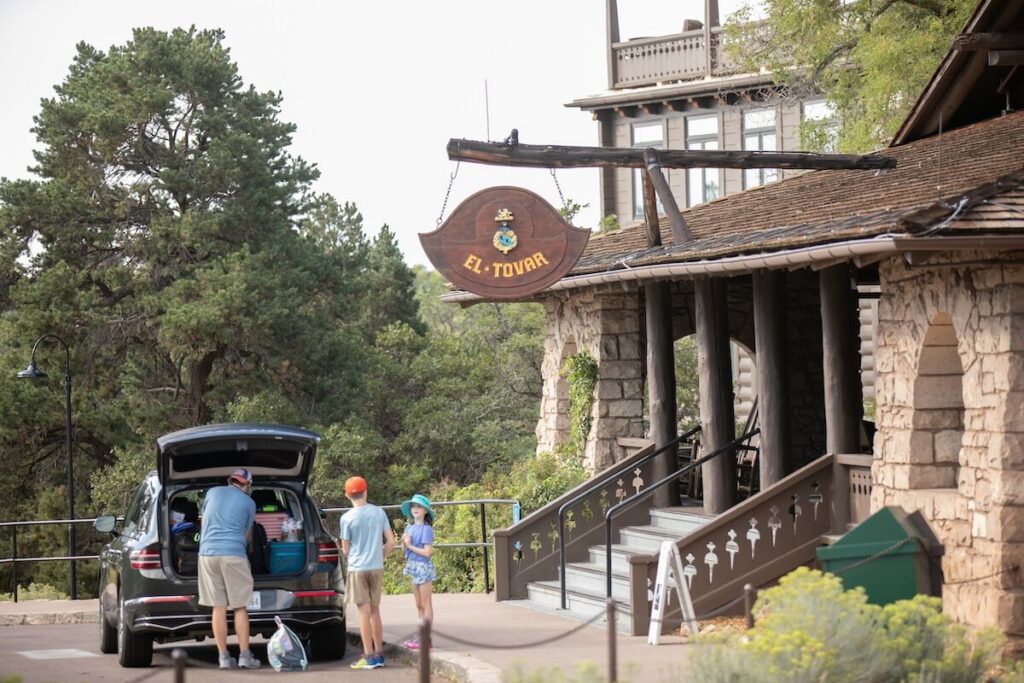
ARIZONA Flooding slams park’s economy Deadly flooding at the Grand Canyon is damaging the area’s economy, with a washed-out pipeline severing the South Rim’s water supply and shutting down lodging at the popular tourist vista for an indefinite period. The...

Was there ever a Colorado city that required racial segregation by law? | BOB LOEVY
Bob Loevy
bob-loevy@coloradopolitics.com
Updated 2 days ago
The answer is “yes.” The Black Racial Equity Study Commission, led by Colorado Senate President James Coleman, has learned the city of Fruita had laws forbidding black people from being on the city streets at night and from being buried...

Mark Kiszla: Her name is Hope. She’s quiet, but scores loud goals for the Buffs
Mark Kiszla
mark.kiszla@denvergazette.com
Updated 20 hours ago
BOULDER – CU soccer sensation Hope Leyba speaks softly and carries a big kick. On a Colorado summer evening when the clouds hovering near the Flatirons lit up like a Monet painting at sundown, I went to watch the greatest...

Immigration reporting measure fuels debate over Colorado’s role with ICE
Marissa Ventrelli
marissa.ventrelli@coloradopolitics.com
Updated 7 hours ago
A coalition of advocacy groups and several district attorneys rallied outside the Colorado Capitol on Thursday to oppose a ballot measure that, if approved by voters in November, would require state and local law enforcement to cooperate with federal immigration...
The African roots of three Colorado leaders | SONDERMANN
Eric Sondermann
eric-sondermann@coloradopolitics.com
Updated 3 days ago
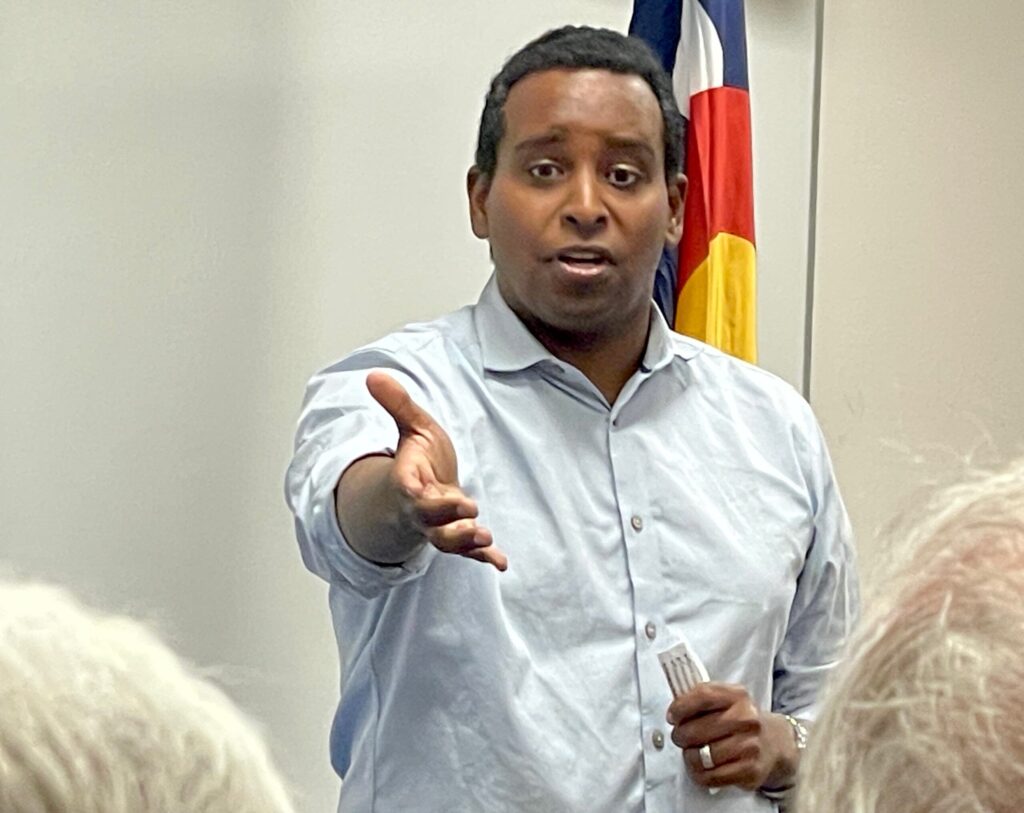
Colorado’s political transformation is measured in many ways. A once reliably red state (with asterisks) became purple and is now a rather deep blue. For better or worse, probably the latter, power is ever more consolidated along the Front Range...

Colorado Politics Calendar Sept. 14-20
Rachael Wright, Special to Colorado Politics
rachael.wright@coloradopolitics.com
Updated 4 days ago
CoPo’s weekly political calendar will help you find political and public-policy events throughout Colorado. It includes candidate and issue campaign events, public policy meetings, court hearings, state and local party conventions, assemblies, debates, rallies, parades, speaking engagements, traveling dignitary appearances,...
Federal judge green-lights civil trial against ex-Fort Collins DUI officer
Michael Karlik
michael.karlik@coloradopolitics.com
Updated 2 days ago
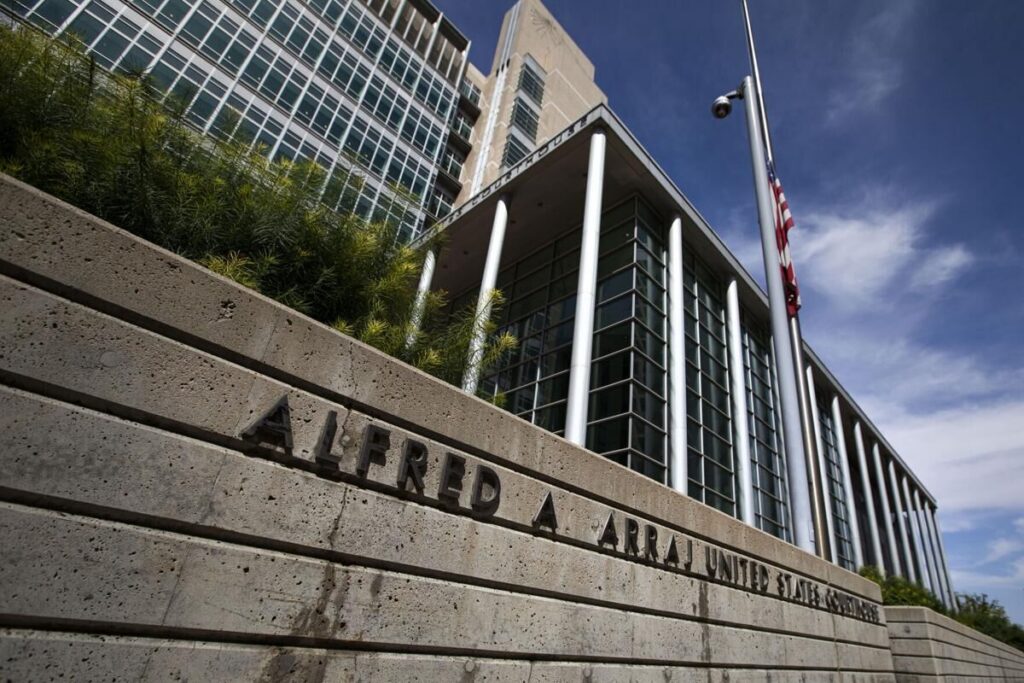
A federal judge ruled on Thursday that Fort Collins’ former “DUI officer” will face a civil trial for allegedly investigating a motorist for impaired driving without any reasonable suspicion to do so. In recent years, several people arrested by Officer...

Denver police reopen 13 sex assault cases after retesting Missy Woods’ CBI work
Jenny Deam
jenny.deam@gazette.com
Updated 7 hours ago
Thirteen previously closed Denver sexual assault cases have been reopened after the city’s crime lab retested DNA evidence once analyzed by former Colorado Bureau of Investigation forensic analyst Yvonne Woods. A police spokesperson told The Denver Gazette the once-closed cases...

Ballot measure aims to shift Colorado sporting goods tax revenue to land, water and wildfire projects
Marissa Ventrelli
marissa.ventrelli@coloradopolitics.com
Updated 23 hours ago
Colorado voters this November will decide whether to direct a share of sales tax revenue from sporting goods — including bicycles and skiing equipment — toward land and water conservation, wildfire prevention and expanding outdoor recreation. Supporters say the measure...