

Alaska voters reject measure to repeal ranked-choice voting, open primaries
More than two weeks after the Nov. 5 election, final unofficial results show Ballot Measure 2 in Alaska, the repeal of ranked-choice voting and open primaries, has been rejected by voters.
According to the Alaska Beacon, votes to repeal the election reform measure led until Monday. As of Wednesday, the final day of counting, the repeal failed by 50.1% to 49.9%, or 664 votes.
Alaska recount laws allow for a recount paid for by the state if the margin is less than one-half of one percent.
Election results are expected to be certified by Nov. 30.
Alaska voters approved ranked choice voting in 2020 and used it for the first time in 2022, when a Democrat, Mary Peltola, defeated two Republican candidates for the state’s only U.S. House representative. The two other candidates who lost were former vice-presidential candidate and Republican Sarah Palin and Republican Nick Begich.
Palin was part of the effort to repeal ranked choice voting in 2024.
Peltola lost her seat to Begich on Nov. 5.
Nick Troiano, executive director of Unite America, which sponsored ranked-choice voting measures in the 2024 election, said in a statement “Alaskans of all political stripes –– Democrats, Republicans, and independents –– recommitted to their innovative top-four election system, which is delivering better choices on the ballot and leaders that represent a true majority of voters. Importantly, every Alaska voter will retain the freedom to vote for any candidate, regardless of party, in every taxpayer-funded election. The Last Frontier continues to be a shining example for the entire country of what a fairer and more representative election system can look like,” he added.
Last month, the Alaska Public Offices Commission, which oversees campaign finance laws, fined several groups tied to Ballot Measure 2 $85,000 for violations of Alaska campaign finance laws, including failing to identify donors, failing to file independent expenditure reports, failing to register as a committee and accepting an illegal donation of $90,000. That included Alaskans for Honest Elections.
In Colorado, Proposition 131, the measure to allow ranked choice/open primaries, lost by more than 6 percentage points. Voters rejected similar measures in Idaho, Missouri, Nevada and Oregon.
The District of Columbia was the only locale that voted to implement both open primaries and ranked-choice voting.
Three municipalities in Colorado already use ranked-choice voting for mayoral elections: Basalt, Boulder and Carbondale. Beginning in 2025, Fort Collins voters will use ranked-choice voting to select the mayor and city council.


What courageous citizenship really looks like | Vince Bzdek
Vince Bzdek
vince.bzdek@gazette.com
Updated 7 hours ago
By Vince Bzdek What exactly is courage? Ernest Hemingway famously called it grace under pressure. Mark Twain wrote that “courage is resistance to fear, mastery of fear — not absence of fear.” C.S. Lewis refined that even more: “Courage is...
The coming election and mischief in the making | SONDERMANN
Eric Sondermann
eric-sondermann@coloradopolitics.com
Updated 3 days ago
America’s tribalism is such these days that we struggle to even agree on the basic rules. Elections have always been hotly contested. As the saying goes, “Politics ain’t beanbag.” The process has long involved elements of nastiness and underhanded conduct....
Colorado Politics Calendar Aug. 31-Sept. 6
Rachael Wright, Special to Colorado Politics
rachael.wright@coloradopolitics.com
Updated 3 days ago
CoPo’s weekly political calendar will help you find political and public-policy events throughout Colorado. It includes candidate and issue campaign events, public policy meetings, court hearings, state and local party conventions, assemblies, debates, rallies, parades, speaking engagements, traveling dignitary appearances,...

Tancredo in Running for Dept. of Ed. Position | A LOOK BACK
Rachael Wright, Special to Colorado Politics
rachael.wright@coloradopolitics.com
Updated 3 days ago
Forty-five years ago this week: “I know that my name has been placed before the Secretary of Education, and I know that I’m one of three or four being considered for the Department of Education’s Region 8,” said state Rep....
Colorado measure adding ID checks to mail-in voting qualifies for ballot
Marissa Ventrelli
marissa.ventrelli@coloradopolitics.com
Updated 1 day ago
A ballot initiative that would require voters to include additional information on mail-in ballots has qualified for the November election, according to the Secretary of State’s Office. Backed by El Paso County Treasurer Chuck Broerman and former Deputy Secretary of...
Colorado election website error exposes personal data of confidential voters
Marissa Ventrelli
marissa.ventrelli@coloradopolitics.com
Updated 1 day ago
A system update accidentally lifted protections on confidential records in Colorado, exposing dozens of voters’ personal information, according to the Secretary of State’s Office. The limit that normally blocks access to confidential voter profiles was inadvertently disabled during an update...
PUC adds weekly comment after killing private talks
Scott Weiser
scott.weiser@gazette.com
Updated 1 day ago
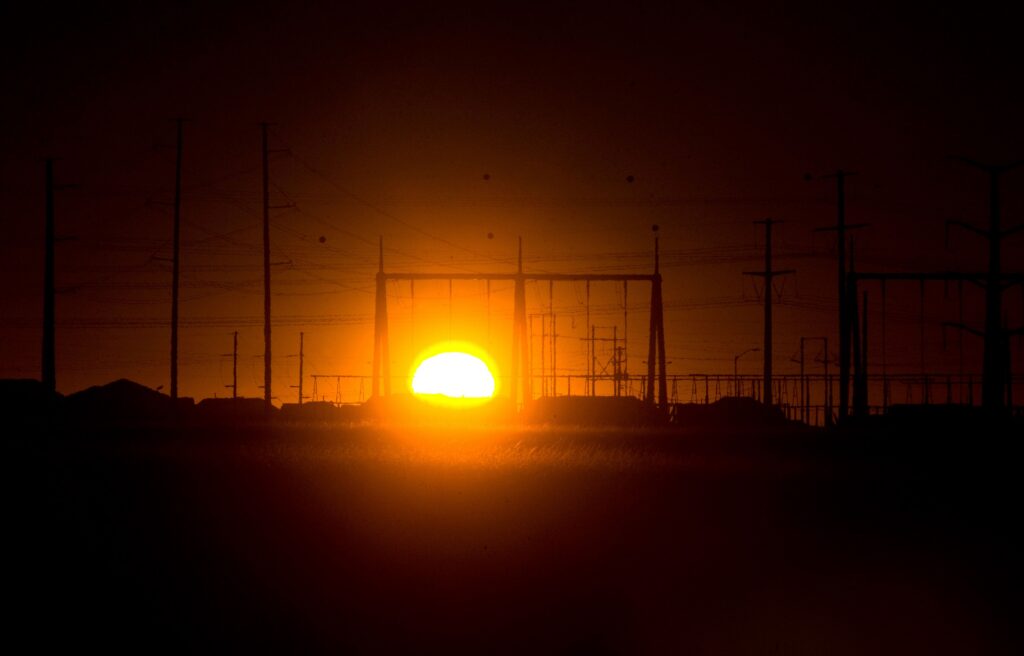
The Colorado Public Utilities Commission will take public comment at the start of every commissioner’s weekly meeting beginning Sept. 9 as part of its new transparency mandate, the commission announced, expanding a slot previously limited to the second Wednesday of...
10th Circuit overturns framework for sentencing probation violators by 11-1
Michael Karlik
michael.karlik@coloradopolitics.com
Updated 6 hours ago
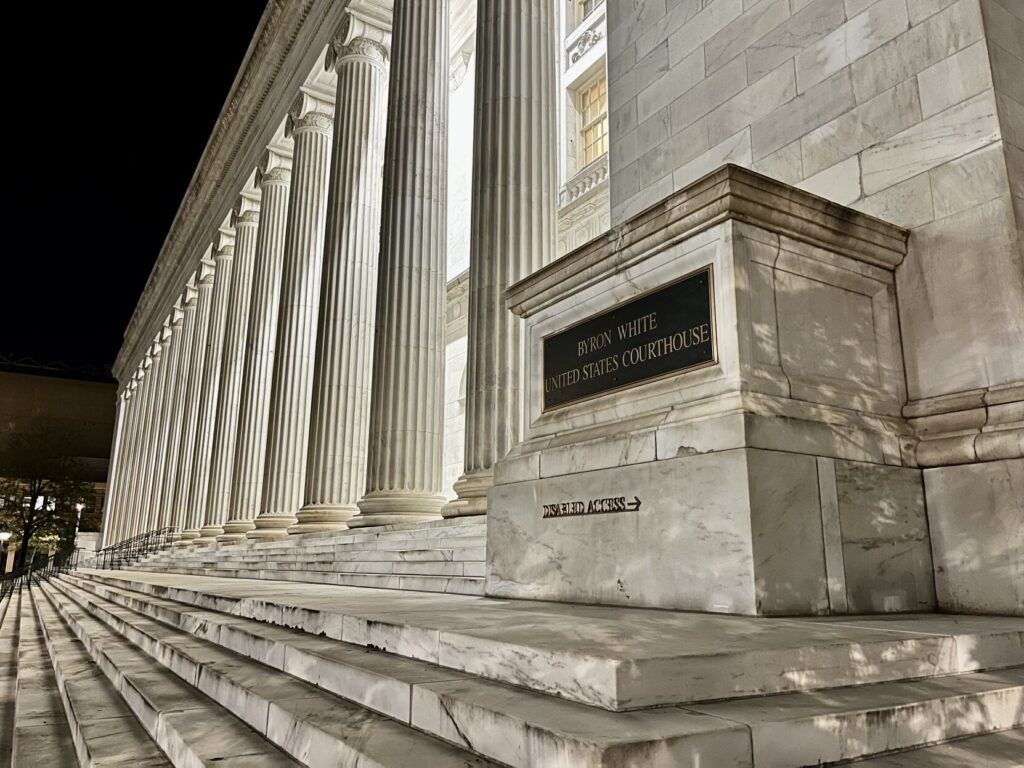
In a rare decision by all 12 of its full-time judges, the Denver-based federal appeals court ruled in a lopsided vote on Friday that one of its members created a sentencing process for probation violators that was out of step...
Federal judge dismisses excessive force lawsuit against Colorado Springs, officer
Michael Karlik
michael.karlik@coloradopolitics.com
Updated 10 hours ago
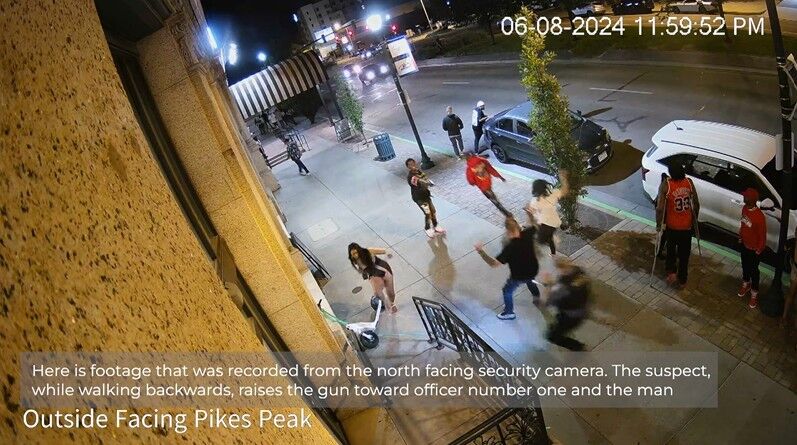
A federal judge concluded last week that a Colorado Springs police officer could not be held liable for shooting a suspect three times after the man menaced two victims with a gun and fled the scene. Al’morion Germany was involved...

DeFlock started from one man’s curiosity — now Flock cameras are a midterm issue
Claire Carter
claire.carter@washingtonexaminer.com
Updated 1 day ago
Will Freeman wasn’t looking to start a national movement when he launched DeFlock after noticing Flock Safety’s automatic license plate readers along the side of the road. The software engineer was driving across the country in 2024 when the cameras...