

Debate on Proposition 131, Colorado’s ranked-choice voting measure, to be held at Denver University
The pros and cons of Proposition 131, which asks voters to completely upend Colorado’s election system through a ranked-choice voting system, will be debated in a special event at the University of Denver on Oct. 24.
Hosted by DU, Colorado Politics, and the Denver Gazette, the debate will feature Kent Thiry and Nick Troiano of Unite America, the proponents who played a key role in getting the measure on the November ballot.
Jason Lupo, founder of First Choice Counts, and Candice Stutzriem, of the Truth and Liberty Coalition, will argue against Proposition 131.
Through Proposition 131, voters will decide on ranked-choice voting, also called an instant runoff, where candidates are selected by order of preference. If a candidate receives 50% of first-preference votes, they win the race. If no candidate gets enough votes for the 50% threshold, the candidate with the fewest votes is eliminated in a mathematical process until one candidate has enough votes. This YouTube video explains it.
If approved, it would abolish the current primary election system where voters select candidates by party affiliation. In its place, there would be an all-candidate primary where the top four vote getters, regardless of party affiliation, will move on to the general election.
Proposition 131 would apply to Colorado’s congressional races, governor, attorney general, secretary of state, treasurer, state board of education, state board of regents, and state legislative contests. It would not apply to presidential or municipal races, such as county commissioners and district attorneys.
Thiry, a co-chair of the national organization Unite America, said that many voters’ voices are not being heard in the current election system, and a new ranked system for electing candidates would fix this.
Opponents, however, say the new system would be costly and confusing for voters.
Currently, 18 states in the U.S. allow ranked-choice voting in some form, with Hawaii, Alaska, and Maine using the system in federal and statewide elections.
States that currently prohibit ranked-choice voting are Florida, Idaho, Montana, South Dakota and Tennessee.
Also considering it this year are Oregon, Idaho, Missouri, and Nevada.
The Oct. 24 debate will begin at 7 p.m. at the Reiman Theatre in Margery Reed Hall, located on the DU campus at 2306 E. Evans Ave.
The debate is free and open to the public and will be live streamed here.

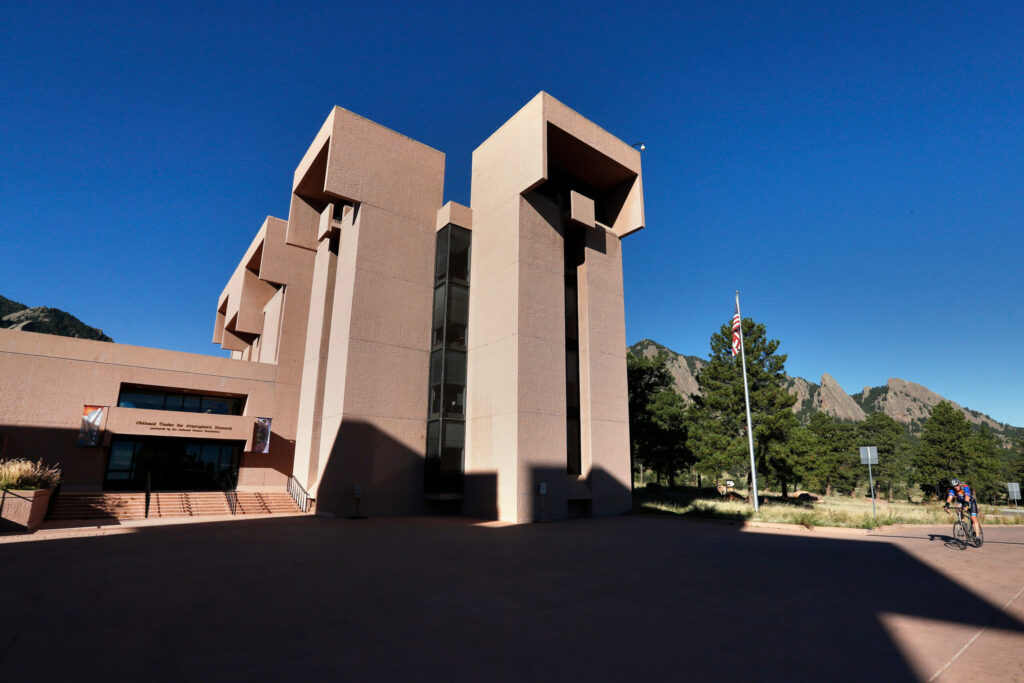
Federal judge hears request to halt ‘stewardship’ transfer of NCAR supercomputer
Michael Karlik
michael.karlik@coloradopolitics.com
Updated 10 hours ago
A federal judge sought to understand on Thursday how the government possesses the authority to transfer “stewardship” of a research and forecasting supercomputer from the Boulder-based operator of the National Center for Atmospheric Research. In the process, U.S. District Court...

Colorado Gov. Polis faces intense lobbying blitz from DC-based groups over credit card ‘swipe-fee’ bill
Marianne Goodland
marianne.goodland@coloradopolitics.com
Updated 14 hours ago
Colorado’s long‑running fight over credit‑card swipe fees entered its final round Tuesday, when lawmakers sent a proposal to Gov. Jared Polis and rival industry coalitions immediately launched competing campaigns to sway his decision. The clash pits groups urging Polis to...
Arapahoe County defendant serving life could receive new trial after lawyer withheld key details
Michael Karlik
michael.karlik@coloradopolitics.com
Updated 14 hours ago
An Arapahoe County defendant who is serving a life sentence for a 20-year-old murder could receive a new trial because his lawyer withheld key details that affected his decision to decline a plea deal, Colorado’s second-highest court ruled last week....
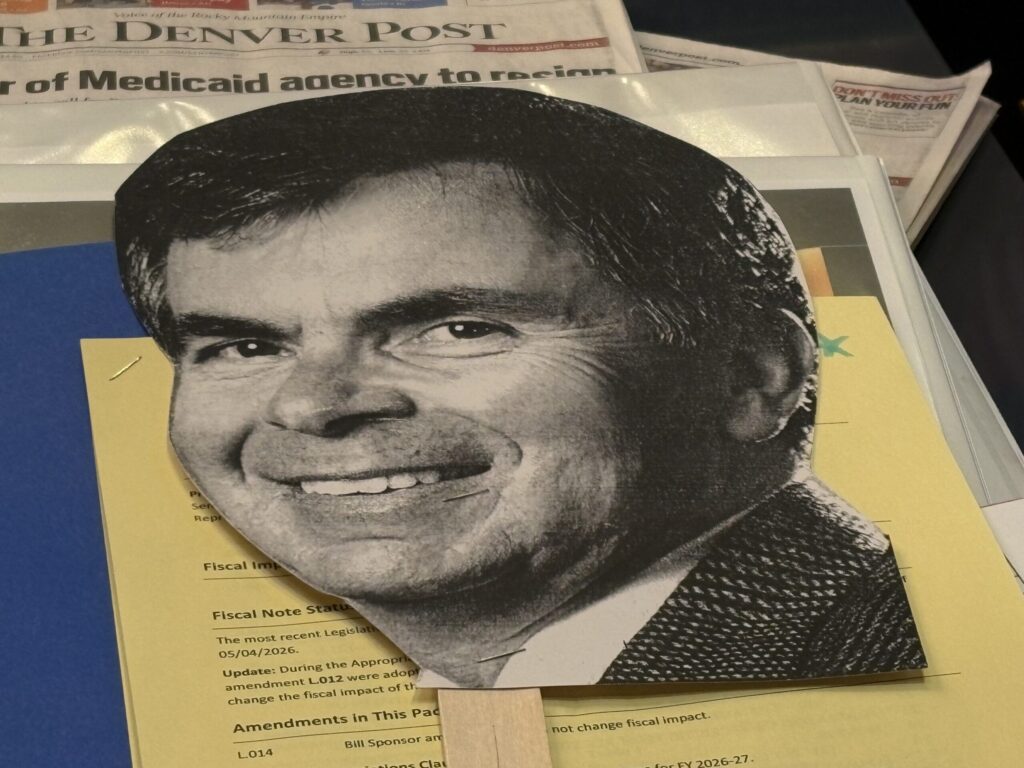
Colorado Senate honors journalism icon Fred Brown
Marianne Goodland
marianne.goodland@coloradopolitics.com
Updated 12 hours ago
The Colorado Senate on Thursday honored longtime Denver Post bureau chief Fred Brown with a ceremony as distinctive as the journalist himself, donning masks bearing his likeness and celebrating his five decades of shaping political reporting and ethical standards in...
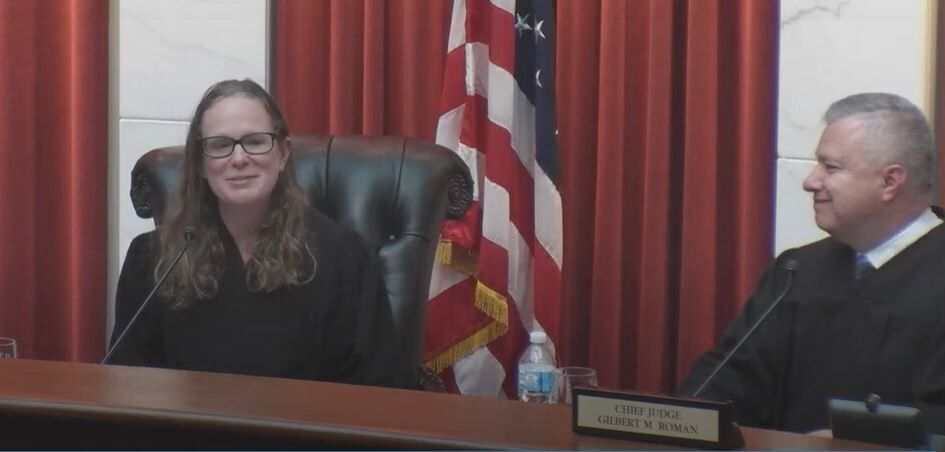
SCOTUS decision on ‘3 strikes’ sentences does not benefit defendants with older convictions, appeals court says
Michael Karlik
michael.karlik@coloradopolitics.com
Updated 18 hours ago
A recent U.S. Supreme Court decision affecting how defendants are sentenced under Colorado’s “three strikes” law does not benefit people whose convictions have long been final, the state’s second-highest court ruled on Thursday. For many years, Colorado’s Habitual Criminal Act required judges...
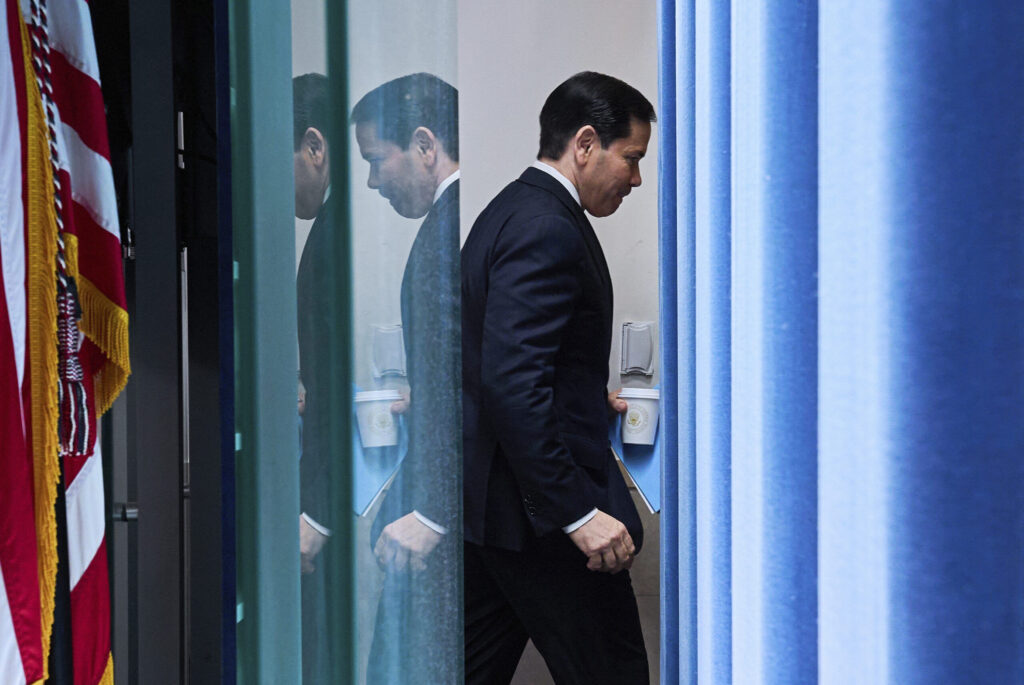
Rubio jumps Vance as most likely to win 2028 presidential race on Kalshi
Washington Examiner Staff, Washington Examiner
washington.examiner.staff.washington.examiner@gazetteedit.wpenginepowered.com
Updated 16 hours ago
Secretary of State Marco Rubio‘s success in charming the Washington press corps this week has moved prediction markets, with Kalshi now showing the Florida Republican as the most likely candidate to win the 2028 presidential election. On Tuesday, Rubio slid...
Rubio affirms ‘enduring partnership’ with Holy See as he meets with Pope Leo XIV
Timothy Nerozzi, Washington Examiner
timothy.nerozzi.washington.examiner@gazetteedit.wpenginepowered.com
Updated 19 hours ago
Secretary of State Marco Rubio “underscored the strong relationship between the United States and the Holy See” and the “enduring partnership” between them during his meeting with Pope Leo XIV. The pontiff hosted Rubio for 2 1/2 hours Thursday in...
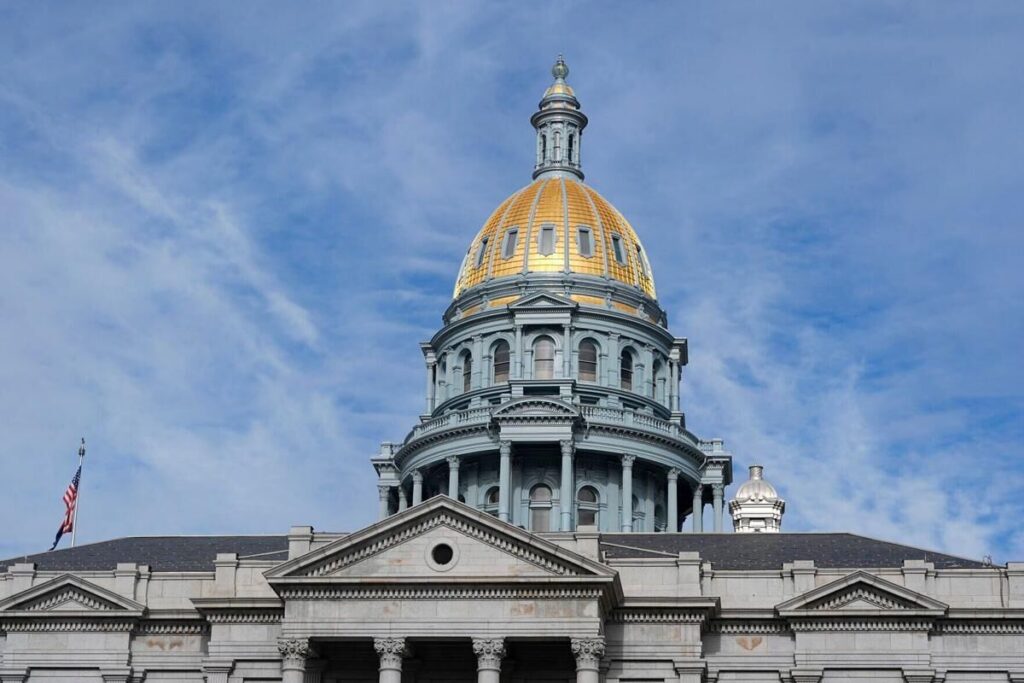
Colorado Senate committee rejects transparency bill that would have applied to legislative caucuses
Marissa Ventrelli
marissa.ventrelli@coloradopolitics.com
Updated 14 hours ago
A panel of senators voted down a proposed measure requiring legislative caucuses to disclose certain financial records. Sponsored by Sen. Mike Weissman, D-Aurora, Senate Bill 168 would also require legislative caucuses to provide the Legislative Council with caucus members’ contact...
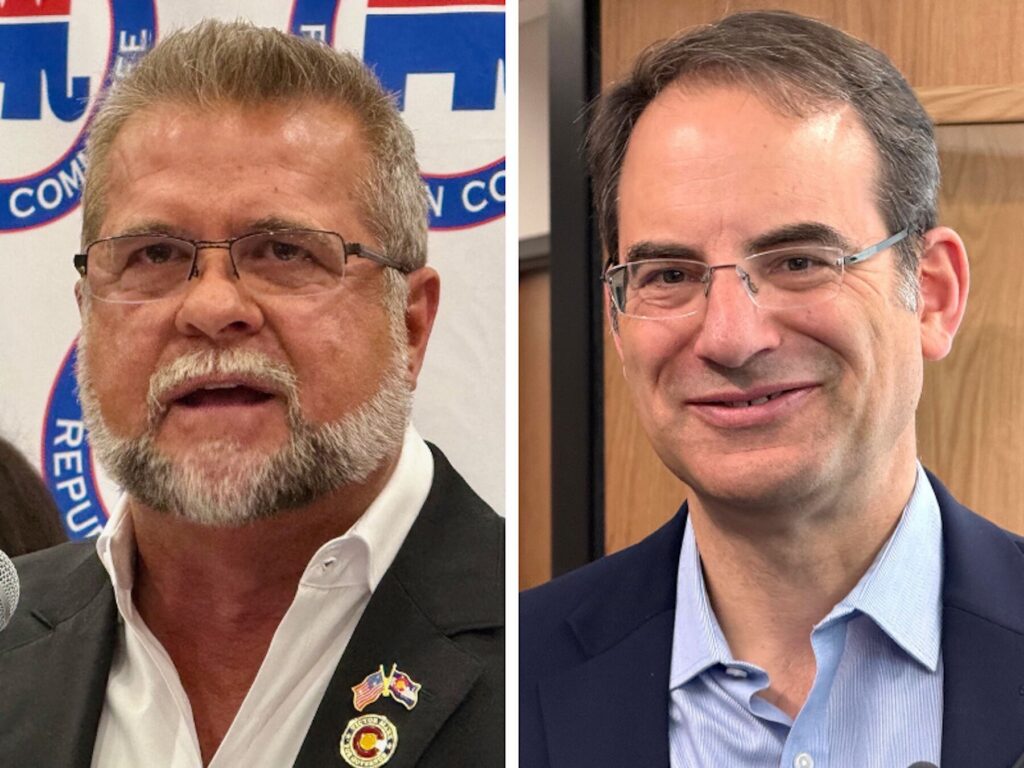
Victor Marx, Phil Weiser lead Colorado gubernatorial fundraising, as all campaigns’ hauls top $20 million
Ernest Luning
ernest.luning@coloradopolitics.com
Updated 12 hours ago
Colorado gubernatorial candidates and the independent expenditure committees backing them hauled in more than $20 million between them by the end of April, as the primary election approaches, according to campaign finance reports filed this week. Republican Victor Marx and...
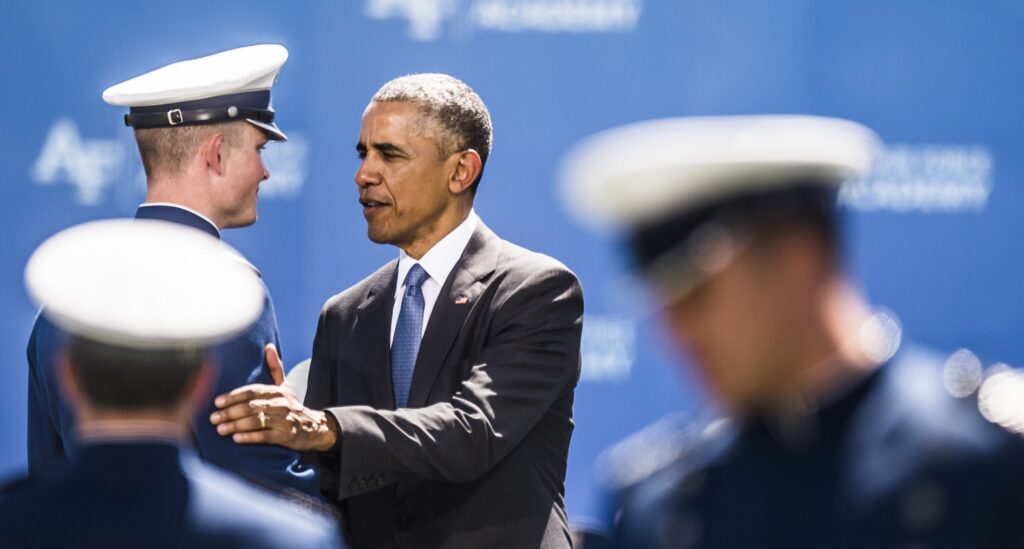
Obama Presidential Center looks to ‘put presidency in context’ as tickets sell out
Christine Valora, Washington Examiner
christine.valora.washington.examiner@gazetteedit.wpenginepowered.com
Updated 16 hours ago
Former President Barack Obama‘s presidential center is set to open to the public this Juneteenth, with ticket sales sold out through July 4, as the namesake looks toward defining his legacy as the 44th U.S. president. The 19.3-acre campus is...